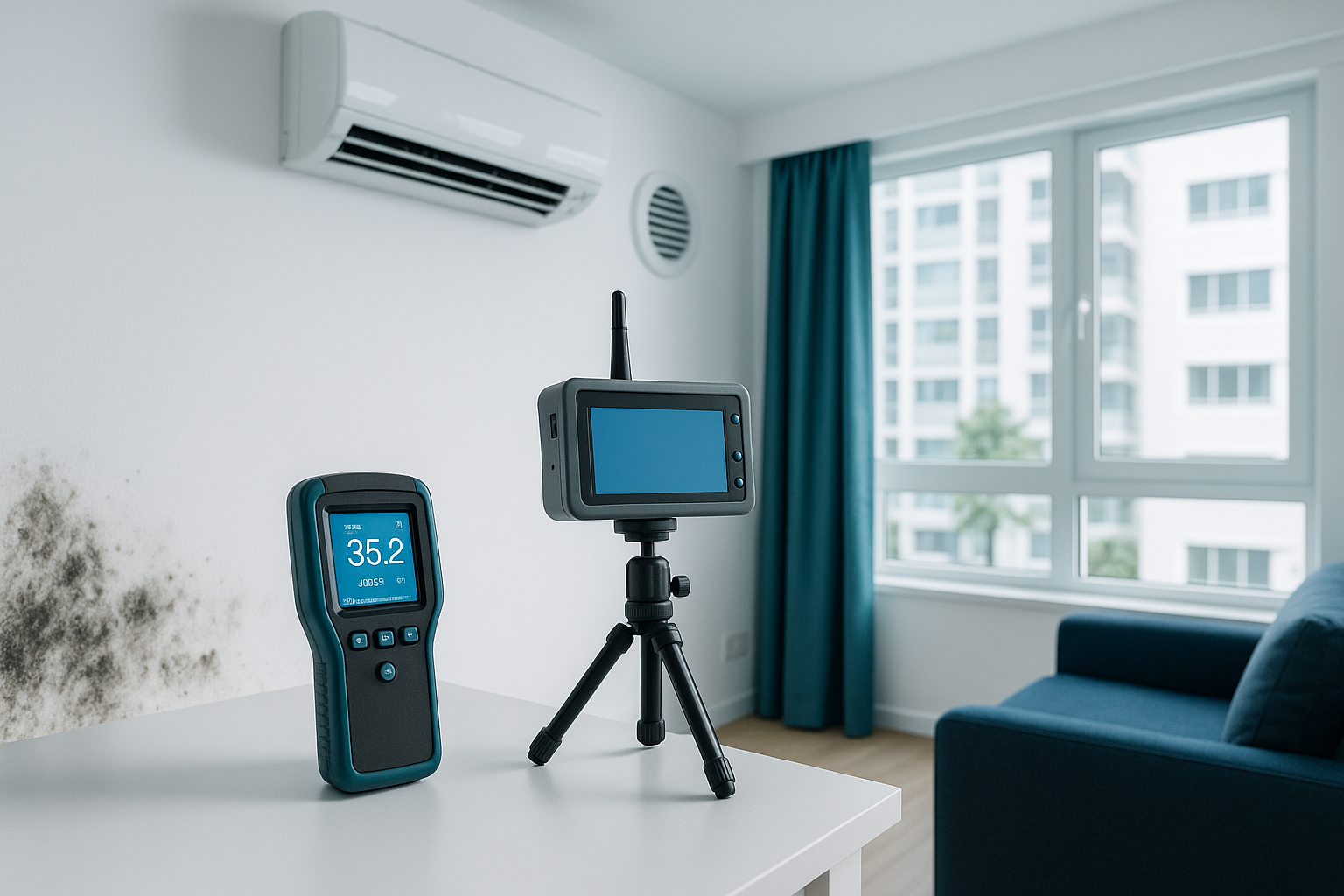
Air Quality and Mould: How Singapore's PSI Affects Indoor Spaces
In the urban hustle and bustle of Singapore, air quality is a topic of utmost importance, especially for homeowners. With the dense residential areas spanning from Tampines to Jurong and up to Marina Bay, maintaining an environment free from pollutants and allergens is crucial for health and well-being. One significant aspect that often escapes attention is how the Pollutant Standards Index (PSI) levels in Singapore can influence indoor air quality, particularly concerning mould growth.
Understanding Singapore's PSI and Its Implications
Pollutant Standards Index (PSI): The PSI is a measure used to provide the public with an indication of air quality levels. In Singapore, the PSI incorporates several pollutants, including particulate matter (PM2.5), carbon monoxide, sulfur dioxide, nitrogen dioxide, and ozone. Key Stat: High PSI levels often correlate with increased humidity and stagnant air, creating ideal conditions for mould proliferation indoors.Climate and Mould: A Singaporean Context
Singapore's Tropical Climate: The city-state's year-round tropical climate, characterized by high humidity levels averaging 70% to 80%, provides an ideal environment for mould growth. This is particularly prevalent during the monsoon seasons, where increased rainfall compounds the issue. Impact on Different Property Types:- HDB Flats: Often share walls, making them susceptible to moisture transfer and mould spread.
- Condominiums: Modern construction materials can trap moisture, leading to hidden mould issues.
- Landed Properties: Larger surface areas and gardens can introduce external moisture indoors.
How PSI Levels Affect Indoor Mould Growth
High PSI and Indoor Air Quality
When PSI levels rise, usually during haze periods, the quality of air indoors can deteriorate. This leads to:
- Reduced ventilation as windows are often kept closed to prevent external pollutants from entering.
- Increased indoor humidity levels, which can be a catalyst for mould growth.
Mould's Health Implications
Mould exposure can lead to a variety of health issues, such as:
- Respiratory problems
- Allergic reactions
- Aggravated asthma symptoms
Industry Best Practices for Mould Prevention and Remediation
Prevention Strategies
- Use exhaust fans in bathrooms and kitchens.
- Consider installing a dehumidifier to control moisture levels.
- Inspect and repair leaks in roofs, windows, and pipes promptly.
- Seal any cracks in walls or foundations to prevent moisture ingress.
- Monitor indoor humidity using a hygrometer.
- Implement air conditioning systems to manage air moisture.
Best Practice: Regular maintenance checks, especially before monsoon seasons, can preemptively address potential mould issues.Professional Mould Remediation Steps
- Conduct a thorough inspection to identify all affected areas.
- Use professional-grade equipment to determine the extent of mould presence.
- Isolate the affected areas to prevent mould spores from spreading.
- Use plastic sheeting and negative air pressure systems.
- Employ industry-standard techniques to remove mould from surfaces.
- Use HEPA vacuums and antimicrobial treatments to ensure thorough cleaning.
- Repair and restore any damaged structures or materials.
- Repaint and refinish only after complete mould removal.
Warning: DIY mould removal can often exacerbate the problem. Professional intervention is recommended for significant infestations.Cost Considerations for Mould Remediation in Singapore
Mould remediation costs in Singapore can vary depending on the extent of the infestation and the type of property. On average, homeowners can expect costs to range from S$500 for minor treatments to S$10,000 for extensive remediation projects.
Key Stat: Investing in professional mould remediation can prevent further structural damage and health issues, potentially saving thousands in future costs.Conclusion: Secure Your Home's Air Quality
Maintaining optimal air quality and preventing mould growth is essential for a healthy home environment. As PSI levels fluctuate, especially during haze periods, taking proactive steps can safeguard your property and health. For Singapore homeowners, engaging experienced mould remediation specialists offers peace of mind and ensures a safe living space.
Call to Action: Schedule a free inspection today with our trained specialists to assess your home's air quality and mould risk.Frequently Asked Questions
How can I tell if my home has a mould problem?
Signs of a mould problem include musty odors, visible mould growth on walls or ceilings, and increased allergy symptoms among occupants. It's important to check areas prone to moisture, such as bathrooms, kitchens, and basements regularly.
What are the health risks associated with mould exposure?
Mould exposure can cause respiratory issues, allergic reactions, and worsen asthma symptoms. Prolonged exposure may lead to more severe health problems, especially for individuals with weakened immune systems or pre-existing respiratory conditions.
How does Singapore's climate contribute to mould growth?
Singapore's tropical climate, with consistently high humidity and frequent rainfall, provides the perfect conditions for mould growth. This is exacerbated during the monsoon seasons and periods of high PSI levels, which can lead to increased indoor humidity.
What is the average cost of mould remediation in Singapore?
The cost of mould remediation in Singapore varies depending on the severity of the infestation and the property type. It can range from S$500 for minor issues to S$10,000 for more extensive projects. Professional assessment and remediation can prevent costly future damage.
Can I handle mould removal myself, or should I hire a professional?
While small mould issues can sometimes be addressed with DIY methods, significant infestations require professional intervention. Professionals use specialized equipment and techniques to ensure complete removal and prevent recurrence.