Understanding Hawker Centre Ceiling Mould Remediation
Singapore is renowned for its vibrant hawker culture, offering a plethora of culinary delights. Yet, behind the bustling stalls and fragrant aromas, there lies a persistent issue that can affect the hygiene and safety of these beloved community hubs: ceiling mould. With Singapore's tropical climate providing an ideal environment for mould growth, it’s crucial for hawker centre operators and homeowners alike to understand the importance of effective mould remediation.
The Tropical Climate and Its Impact on Mould Growth
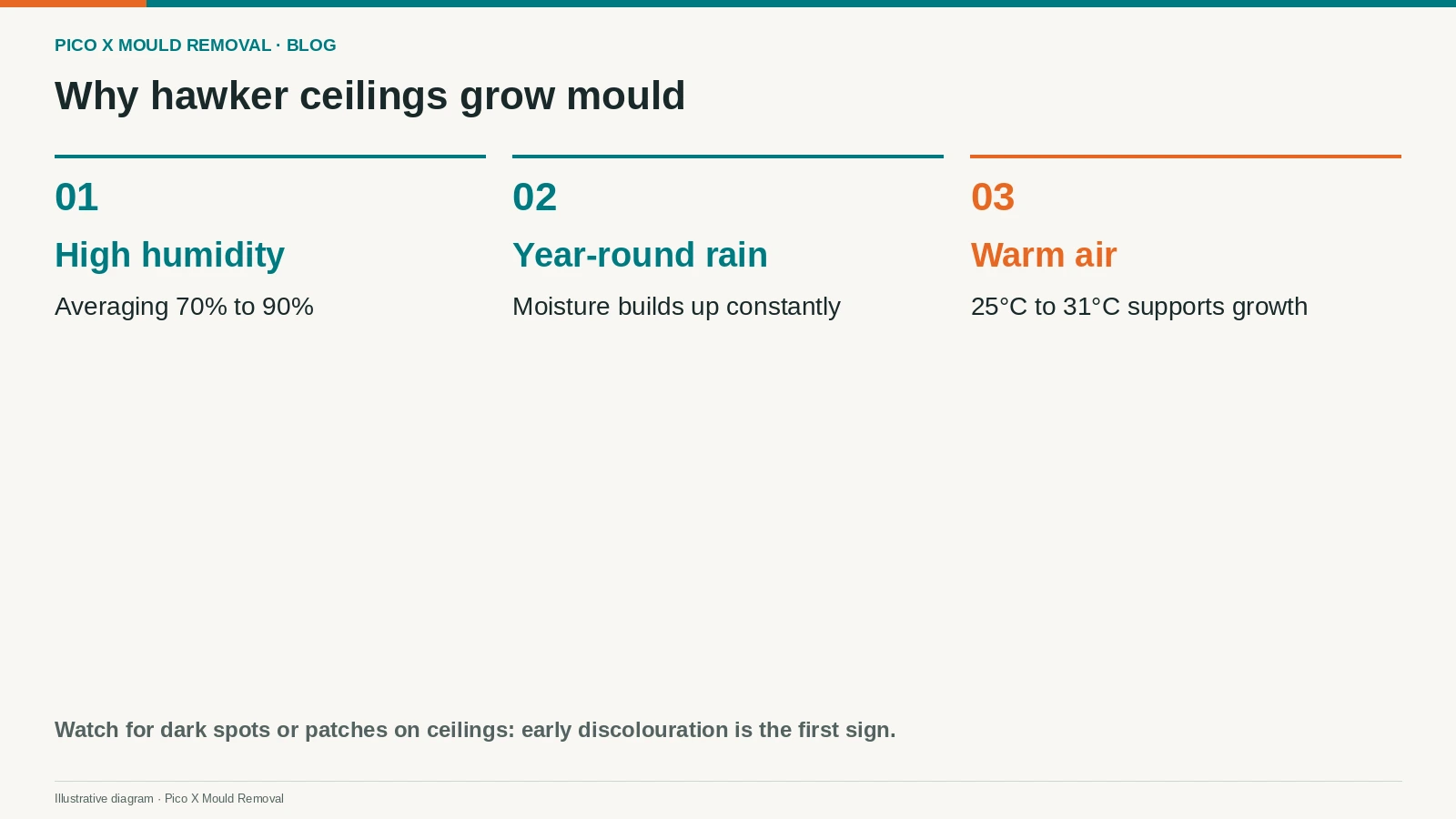
Singapore's Climate:- High Humidity: Averaging between 70% and 90%, humidity levels in Singapore provide a perfect breeding ground for mould.
- Consistent Rainfall: With rainfall occurring throughout the year, moisture accumulation is a constant concern.
- Warm Temperatures: Average temperatures range from 25°C to 31°C, further supporting mould development.
These climatic conditions make the presence of mould in indoor environments, particularly in areas like hawker centres, a common challenge.
Identifying Mould in Hawker Centre Ceilings
Signs of Mould Growth
Mould can manifest in various forms and colours. Key indicators of mould presence include:
Health Risks Associated with Mould
Mould not only compromises the structural integrity of buildings but also poses significant health risks:
- Respiratory Issues: Exposure can lead to symptoms such as coughing, sneezing, and throat irritation.
- Allergic Reactions: Increased risk for individuals with asthma or allergies.
- Infections: In severe cases, mould can cause infections, particularly in individuals with weakened immune systems.
Warning: Ignoring mould issues can lead to severe health implications and increased remediation costs.
Best Practices for Mould Remediation
Industry-Standard Mould Removal Techniques
The process of mould remediation involves several critical steps to ensure effective removal and prevention of future growth:
Step 1: Assessment and Inspection
- Thorough Inspection: Professionals conduct a detailed evaluation to identify the extent and cause of mould growth.
- Moisture Mapping: Identifying areas of moisture intrusion is crucial for effective remediation.
Step 2: Containment
- Sealed Containment: A barrier is created to prevent mould spores from spreading to unaffected areas.
- Negative Air Pressure: Utilized in commercial settings to contain airborne spores.
Step 3: Mould Removal
- Wet-Wiping: Surfaces are carefully cleaned using professional-grade solutions.
- Material Removal: Severely affected materials are safely removed and disposed of.
Step 4: Drying and Dehumidification
- Dehumidifiers: Equipment like the PX35 Dehumidifier (35L/day) is employed to reduce moisture levels.
- Ventilation: Enhancing airflow to expedite drying.
Step 5: Restoration and Prevention
- Surface Treatment: Application of preventive solutions such as Shield23 Pro prevention to inhibit future growth.
- Routine Maintenance: Regular inspections and maintenance to sustain a mould-free environment.
Pro Tip: Implement a regular cleaning schedule and utilize air purifiers with HEPA filters in enclosed spaces to reduce airborne spores.
Hawker Centres vs. Residential Mould Challenges
Common Property Types in Singapore
Singapore's landscape is characterized by a variety of residential properties, each presenting unique challenges for mould prevention:
- HDB Flats: High density can lead to increased moisture levels.
- Condominiums: Typically have better ventilation but still susceptible to mould in bathrooms and kitchens.
- Landed Properties: Larger spaces mean more areas to monitor for potential mould growth.
Tailored Solutions for Different Settings
- Hawker Centres: Frequent moisture exposure from cooking activities necessitates regular inspections and professional remediation.
- Residential Homes: Focus on bathroom and kitchen areas where humidity is highest.
Expert Insight: Each property type requires a tailored approach to mould remediation, considering factors like ventilation, occupancy, and usage patterns.
Practical Tips for Mould Prevention
Actionable Steps for Homeowners
- Maintain Humidity Levels: Keep indoor humidity below 60% using dehumidifiers or air conditioning.
- Prompt Leak Repair: Address plumbing leaks and roof repairs immediately to prevent moisture build-up.
- Ventilation: Ensure proper ventilation in high-moisture areas such as kitchens and bathrooms.
- Regular Cleaning: Use mould-resistant cleaning products for routine maintenance.
Professional Prevention Services
- Essential Care Package: S$199 for the first full wall or ceiling, ideal for non-bathroom areas with a 6-month warranty.
- Signature Care Package (Zinsser or Gush Care): S$400 for the first full surface, offering a 12-month warranty for added peace of mind.
Conclusion: Protect Your Space from Mould
Mould remediation is crucial for maintaining a safe and healthy environment, whether in a bustling hawker centre or the comfort of your home. With professional expertise and industry-standard practices, effective mould removal and prevention are within reach.
For a comprehensive evaluation of your mould concerns, send us photos via WhatsApp for a free photo assessment. Our experienced team is ready to assist you in restoring and preserving your space.
Frequently Asked Questions
What causes mould to grow on ceilings in Singapore?
Mould growth on ceilings in Singapore is primarily caused by high humidity levels, consistent rainfall, and warm temperatures. These conditions create an ideal environment for mould spores to thrive, especially in areas with poor ventilation or frequent moisture exposure, such as hawker centres and residential bathrooms.
How can I prevent mould growth in my HDB flat?
To prevent mould growth in your HDB flat, maintain indoor humidity below 60% with dehumidifiers, promptly repair leaks, and ensure proper ventilation in high-moisture areas like kitchens and bathrooms. Additionally, regular cleaning with mould-resistant products can help keep mould at bay.
What are the costs associated with mould remediation services?
Our Essential Care package starts at S$199 for the first full wall or ceiling, with additional surfaces at S$100 each. The Signature Care package begins at S$400 for the first full surface, offering enhanced protection with a 12-month warranty. For complete room solutions, Essential Care is S$400, while Signature Care is S$600.
Is professional mould remediation necessary, or can I do it myself?
While minor mould issues can sometimes be managed with household cleaning products, professional mould remediation is recommended for extensive or recurring problems. Professionals have the expertise and equipment to effectively remove mould and prevent future growth, ensuring safety and thoroughness.
What are the health risks of untreated mould?
Untreated mould poses significant health risks, including respiratory issues such as coughing and throat irritation, allergic reactions, and infections for individuals with weakened immune systems. It is essential to address mould problems promptly to protect your health and well-being.