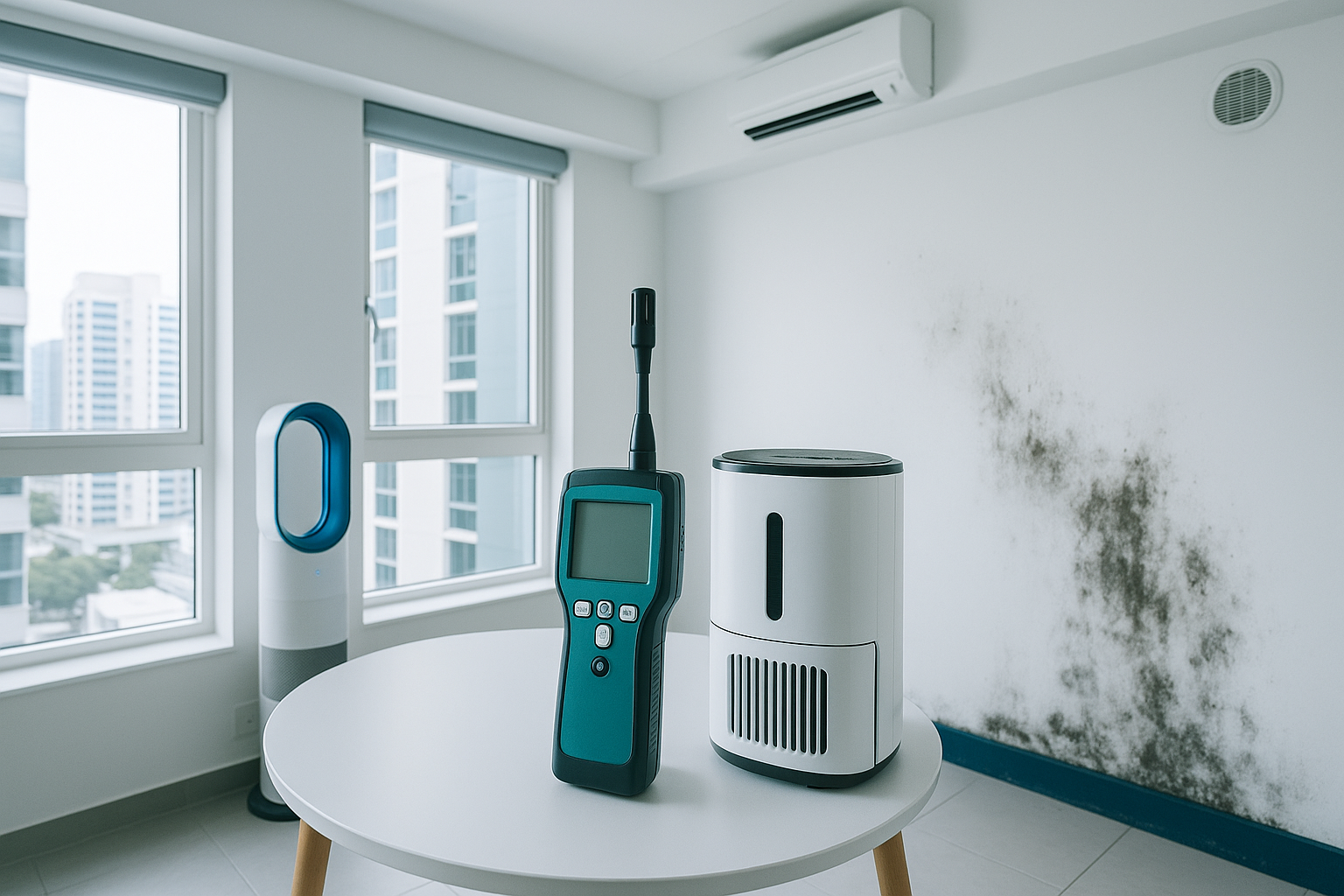
# Mould Prevention for Singapore Landlords: Protecting Your Investment
Mould can be a silent yet destructive force, particularly in Singapore's humid climate. For landlords, it poses a dual threat: impacting the structural integrity of your property and causing potential health issues for tenants. This guide aims to arm landlords with the knowledge and strategies to effectively prevent mould, safeguarding both your property and tenants' well-being.
Owning property in areas like Tampines, Jurong, and Bishan can be incredibly rewarding. However, each property type, whether it's an HDB flat, condominium, or landed property, presents unique challenges in mould prevention. Understanding these nuances can significantly enhance your approach to property maintenance.
Understanding the Singapore Climate
Singapore's Unique Climate Challenges
Singapore's tropical climate, characterized by high humidity and frequent rainfall, presents the perfect breeding ground for mould. With an average relative humidity of around 84% and temperatures typically ranging from 25°C to 31°C, the conditions are ideal for mould growth.
Key Stat: Singapore experiences an average of 178 rainy days per year, contributing to persistent dampness that encourages mould proliferation.
Impact on Property Types
- HDB Flats: Often characterized by compact living spaces where moisture can easily accumulate.
- Condominiums: Typically have better ventilation but may face issues in areas like bathrooms and kitchens.
- Landed Properties: Larger spaces mean more areas to monitor, but also more potential for natural ventilation.
Identifying Mould-Prone Areas
Common Vulnerable Spots
Mould tends to grow in areas with poor ventilation, high moisture, and limited sunlight. Key areas to monitor include:
- Bathrooms and kitchens due to frequent water use.
- Wall corners, especially in rooms with poor air circulation.
- Basements or storerooms that are less frequently used.
Recognizing Early Signs
Be vigilant for:
- Black, green, or white spots on walls and ceilings.
- Musty odors, often the first indicators of hidden mould growth.
- Discoloration around window sills and door frames.
Professional-Grade Prevention Strategies
Industry-Standard Practices
Pro Tip: Install exhaust fans in bathrooms and kitchens to swiftly remove moisture-laden air.
Materials and Renovations
- Waterproof Paints: Use on walls and ceilings in moisture-prone areas.
- Moisture-Resistant Plasterboard: Particularly in basements and bathrooms.
- Proper Sealing: Ensure windows and doors are well-sealed to prevent water ingress during heavy rains.
Cost Considerations for Mould Prevention
Budgeting for Prevention
Preventive measures are generally more cost-effective than remediation. Here's a rough breakdown of what landlords might expect to invest:
- Dehumidifiers: S$200 - S$500 per unit
- Exhaust Fans: S$100 - S$300 per unit
- Professional Inspections: Approximately S$150 - S$300 per session
Expert Insight: Investing in quality materials and regular maintenance can save thousands in potential mould remediation costs.
Long-Term Savings
Preventive strategies not only protect your investment but also enhance tenant satisfaction, reducing turnover and associated costs.
Tenant Engagement and Education
Informing Tenants
Educate tenants on the importance of:
- Regularly ventilating their units.
- Reporting leaks or dampness immediately.
- Using air conditioners effectively to reduce humidity.
Collaborative Efforts
- Lease Agreements: Include clauses that encourage tenants to report mould-related issues promptly.
- Feedback Systems: Implement a system for tenants to easily report maintenance issues.
Best Practice: Conduct joint inspections with tenants to foster a proactive maintenance culture.
Conclusion: Protect Your Investment
By adopting a comprehensive approach to mould prevention, landlords can protect their properties and ensure the health and satisfaction of their tenants. With our 15+ years of experience in the industry, we understand the unique challenges posed by Singapore's climate and are equipped to help you implement effective, professional-grade solutions.
Schedule a free inspection today to assess your property's vulnerabilities and receive tailored advice on mould prevention strategies.Frequently Asked Questions
What are the first signs of mould in a property?
The first signs of mould often include musty odors and visible spots or discoloration on walls, ceilings, or around window sills. It’s important to address these signs promptly to prevent extensive damage.
How can I prevent mould in my Singapore HDB flat?
To prevent mould in an HDB flat, ensure good ventilation by installing exhaust fans in kitchens and bathrooms and consider using dehumidifiers to maintain humidity levels below 60%. Regular inspections can also help in early detection and prevention.
Is professional mould inspection necessary?
Yes, professional mould inspection is crucial as experts can identify hidden mould and potential problem areas that may not be apparent. Regular inspections, ideally every six months, can save significant repair costs in the long run.
What should be included in a lease agreement regarding mould?
A lease agreement should include clauses that require tenants to maintain proper ventilation and promptly report any leaks, dampness, or mould sightings. This encourages tenant responsibility and aids in early detection and prevention.
How much does it cost to prevent mould in Singapore?
Preventing mould can involve costs such as purchasing dehumidifiers (S$200 - S$500 each), installing exhaust fans (S$100 - S$300 each), and scheduling professional inspections (S$150 - S$300 per session). Investing in preventive measures can save significant remediation costs in the future.