# Understanding the Underground MRT Station Ventilation Case: Implications for Singapore Homeowners
In Singapore's bustling urban landscape, the efficient functioning of our MRT system is crucial. As we delve into the complexities of underground MRT station ventilation, we're not just addressing the operational needs of public infrastructure but also uncovering lessons that can be applied to residential properties. For homeowners in Singapore, understanding these ventilation systems can provide valuable insights into managing indoor air quality and mould prevention.
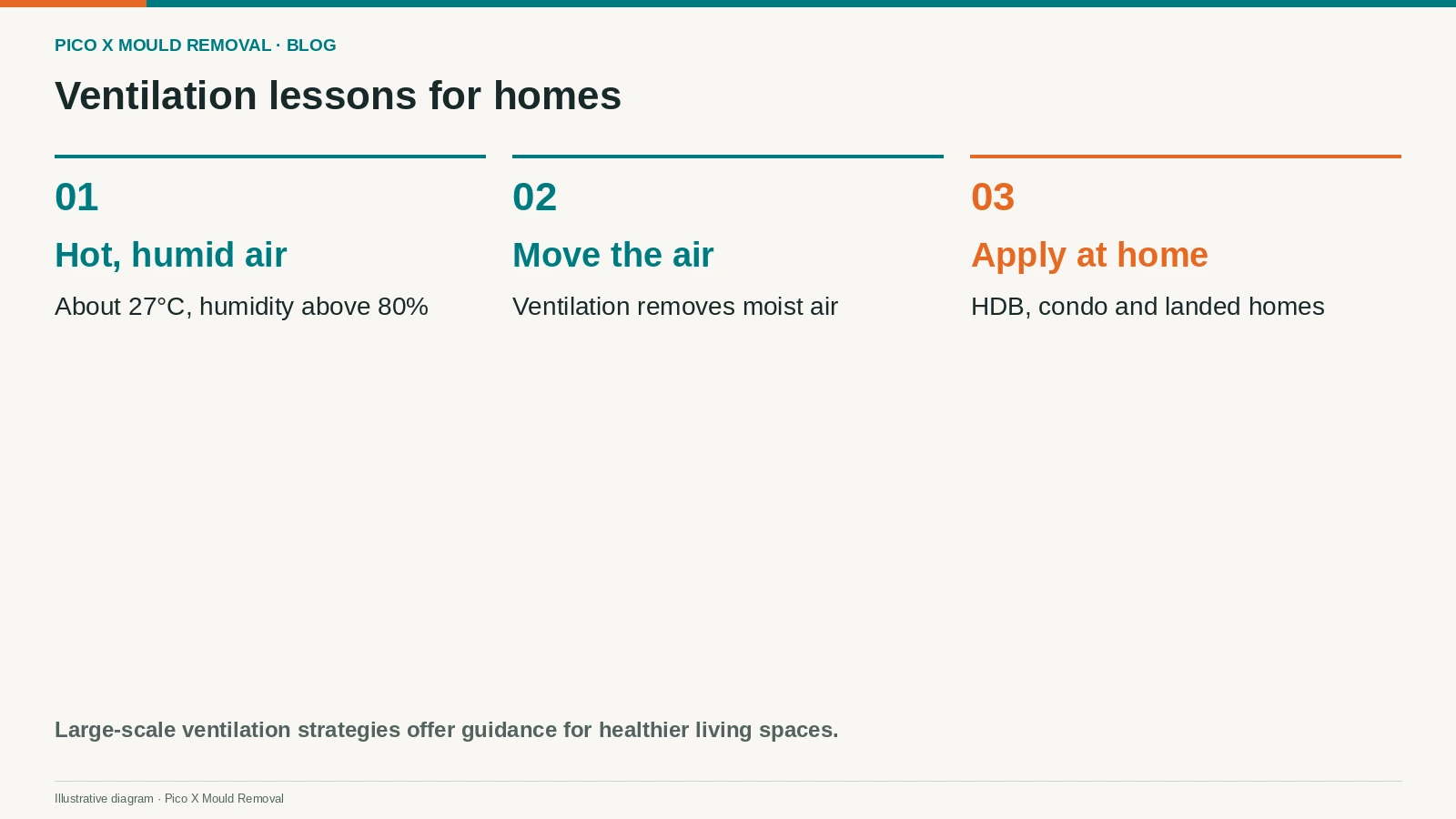
Singapore's unique climate presents multiple challenges that affect both public infrastructure and private residences. The high humidity levels, combined with frequent rainfall, create ideal conditions for mould growth. As such, the strategies employed in large-scale projects like the MRT can offer guidance on maintaining healthy living environments in HDB flats, condominiums, and landed properties across the island.
The Singapore Climate: A Hotbed for Mould Growth
Climate Overview
Singapore is characterized by its equatorial climate, which features consistently high temperatures and humidity levels. With an average annual temperature of about 27°C and relative humidity often exceeding 80%, the environment is ripe for mould proliferation.
Mould in Residential Properties
- HDB Flats: Due to their compact nature, these units can suffer from poor ventilation, especially in bathrooms and kitchens, leading to mould growth.
- Condominiums: While often equipped with better ventilation systems, condos can still face mould issues, particularly in less-used rooms or behind furniture.
- Landed Properties: Larger homes may have more areas where mould can develop unnoticed, such as basements or attics.
Key Stat: According to recent studies, over 60% of Singaporean households report some form of mould-related issue, highlighting the importance of effective mould prevention strategies.
Lessons from MRT Station Ventilation
Ventilation Systems
The ventilation system in underground MRT stations is designed to manage air quality, control temperature, and reduce humidity, all of which are crucial in preventing mould growth.
- Mechanical Ventilation: Utilizes fans and ducts to circulate air and maintain a stable environment.
- Dehumidification: Essential in reducing moisture levels, which directly impacts mould growth.
Application to Homes
Improving Home Ventilation
Pro Tip: For optimal indoor air quality, aim to maintain indoor humidity levels between 30% and 50%.
Industry Best Practices for Mould Prevention
Professional Mould Remediation
With over 15 years of industry experience, our approach to mould remediation in Singapore is based on professional-grade standards and proven methods.
Remediation Steps
Maintenance and Prevention
- Regular Inspections: Periodically check for signs of moisture or mould, particularly after heavy rains.
- Prompt Repairs: Address any leaks or water damage immediately to prevent mould from taking hold.
- Preventive Measures: Consider using Shield23 Pro (S$1,499 for full unit ceilings and walls) for long-term protection in homes below 1,200 sqft.
Warning: Never attempt to remove extensive mould growth on your own. Improper handling can exacerbate the issue and pose health risks.
Costs and Services for Mould Remediation
Understanding the costs associated with professional mould remediation services can help homeowners make informed decisions.
- Essential Care: S$199 for the first full wall or ceiling; S$400 for a full room.
- Signature Care: S$400 for the first full surface; S$600 for a full room.
- Bathroom Solutions: Toilet Refresh at S$199 or Toilet Protection Pro at S$400 for the first surface.
Real-Life Applications: Case Studies Across Singapore
Tampines: HDB Flats
In Tampines, where many HDB flats are located, homeowners often struggle with bathroom mould. By implementing a combination of mechanical ventilation and regular maintenance, many have successfully reduced mould growth.
Jurong: Condominiums
Jurong's condos, often newer and better ventilated, still face challenges in lesser-used areas. Strategic use of dehumidifiers has proven effective in controlling moisture levels.
Bishan: Landed Properties
Bishan's landed properties benefit from greater natural ventilation options but must remain vigilant about hidden mould in larger spaces like basements.
Expert Insight: Tailoring mould prevention strategies to specific property types and local conditions is crucial for long-term success.
Conclusion: Taking Action Against Mould
The insights gleaned from the MRT station ventilation case study highlight the importance of a proactive approach to mould management. By applying these lessons to residential properties, Singapore homeowners can significantly enhance their indoor air quality and safeguard their homes against mould-related issues.
For a personalized assessment of your home's mould situation, send us photos via WhatsApp for a free photo assessment. Our team of trained specialists is ready to assist you in creating a healthier living environment.
Frequently Asked Questions
How does Singapore's climate affect mould growth?
Singapore's equatorial climate, characterized by high humidity and temperature, creates ideal conditions for mould growth. The constant moisture in the air allows mould to thrive, especially in poorly ventilated areas of homes.
What are the best practices for preventing mould in HDB flats?
To prevent mould in HDB flats, ensure proper ventilation by using exhaust fans in bathrooms and kitchens. Regularly check for leaks and repair them promptly. Use dehumidifiers to maintain indoor humidity levels between 30% and 50%.
How are MRT ventilation systems relevant to residential mould prevention?
MRT ventilation systems manage air quality and humidity, which are critical in preventing mould. Homes can adopt similar principles by ensuring proper airflow and using dehumidifiers to control moisture levels, thus reducing the risk of mould growth.
What should I do if I find mould in my home?
If you find mould in your home, it's important to address it promptly. Start by identifying the source of moisture and fixing any leaks. For extensive mould, it's advisable to seek professional remediation services to ensure thorough removal and prevent recurrence.
Are there cost-effective solutions for mould prevention in Singapore homes?
Yes, there are cost-effective solutions for mould prevention, such as regular maintenance of ventilation systems, using affordable dehumidifiers, and opting for professional services like Essential Care (S$199 for the first full wall or ceiling) to address existing mould issues.