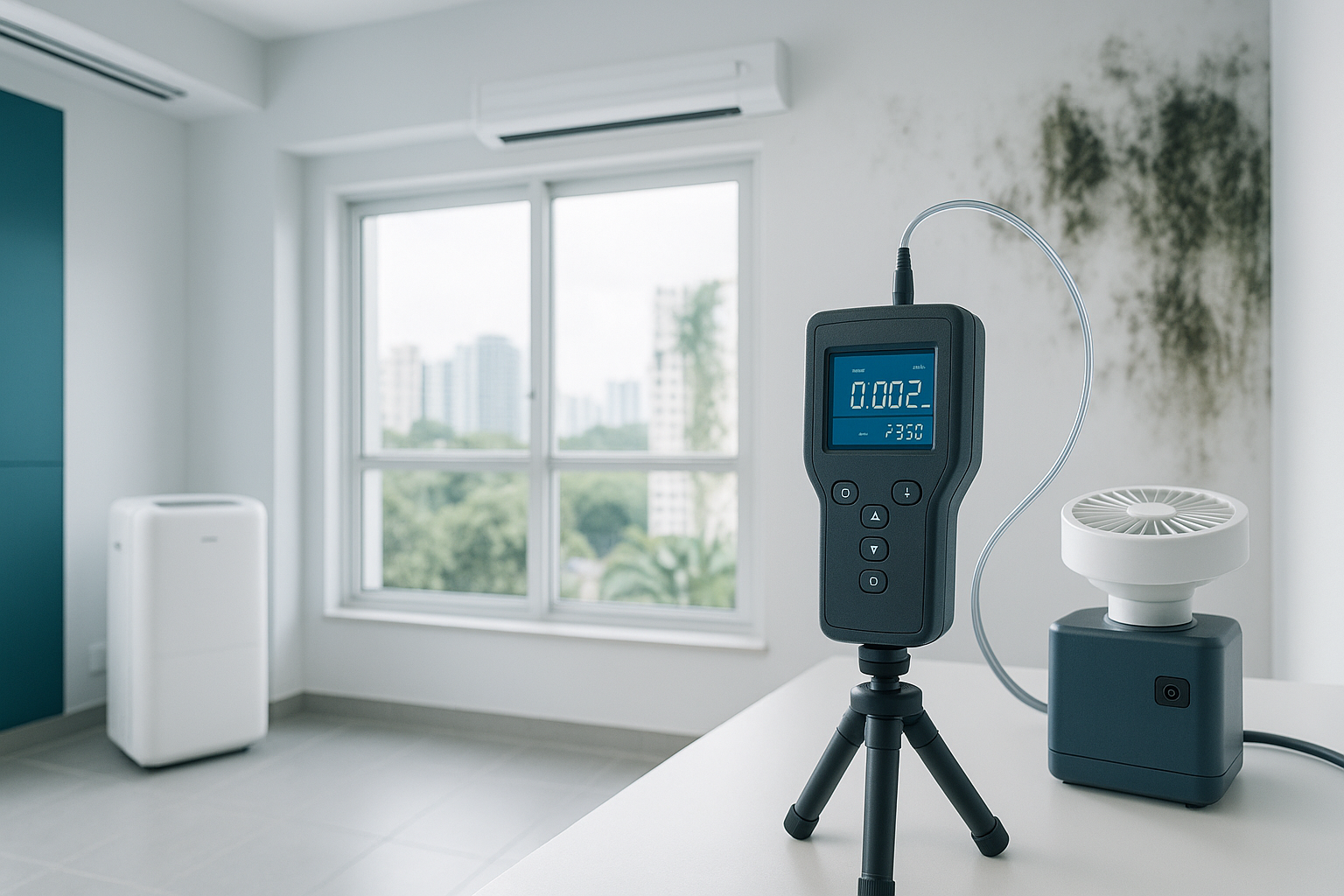
# Health Risks of Black Mould in Singapore Homes
Introduction
In the humid, tropical climate of Singapore, black mould is not just an unsightly nuisance but a potential health hazard lurking in many homes. From the bustling streets of Tampines to the serene settings of Marina Bay, homeowners across the island face the persistent challenge of mould growth. Black mould, scientifically known as Stachybotrys chartarum, can thrive in the moist, warm environments typical of Singapore's weather, posing significant risks to both the property and its inhabitants.
Why is black mould so prevalent in Singapore? The answer lies in our climate. With average temperatures hovering around 27°C and humidity levels often exceeding 80%, conditions are ripe for mould growth. Inadequate ventilation in HDB flats, condominiums, and even landed properties can exacerbate the problem, creating health risks that many homeowners might overlook.Expert Insight: "Black mould is not just a cosmetic issue. Its spores can lead to severe respiratory problems, especially in Singapore's densely populated urban areas where ventilation may be compromised." – Dr. Lim Wei Jin, Environmental Health Specialist.
Understanding Black Mould
What is Black Mould?
Black mould is a type of fungus that appears dark green or black. It's typically found in areas with high moisture levels, such as bathrooms, kitchens, and basements. This mould is particularly concerning due to the mycotoxins it produces, which can be harmful to human health.
How Does Black Mould Grow?
Black mould thrives in environments where there is:
- High humidity
- Poor ventilation
- Water damage or leaks
- Organic materials like wood, paper, or drywall
In Singapore, common areas for its growth include behind wallpaper, under carpets, and within wall cavities. These hidden spots often go unnoticed until significant damage or health issues arise.
Health Risks of Black Mould Exposure
Respiratory Issues
Exposure to black mould can lead to a range of respiratory problems. Symptoms include:
- Persistent coughing
- Wheezing
- Shortness of breath
Individuals with pre-existing conditions such as asthma may experience aggravated symptoms, leading to more frequent attacks.
Warning: Children and the elderly are particularly vulnerable to respiratory complications from black mould exposure.
Allergic Reactions
Black mould spores can trigger allergic reactions, even in individuals with no prior history of allergies. Symptoms may include:
- Skin rashes
- Itchy eyes
- Runny nose
These reactions can significantly impact daily life, reducing productivity and overall well-being.
Neurological Effects
Prolonged exposure to black mould has been linked to neurological issues. Some reported symptoms are:
- Headaches
- Difficulty concentrating
- Memory problems
While research is ongoing, these potential effects underscore the importance of addressing mould issues promptly.
Mould in Different Singapore Property Types
HDB Flats
Common Problem Areas
- Bathrooms
- Kitchens
- Laundry areas
HDB flats, with their compact living spaces, often suffer from poor ventilation, especially in older blocks. This can lead to moisture accumulation and, consequently, mould growth.
HDB Mould Prevention Tips
- Use dehumidifiers to control indoor humidity.
- Ensure proper ventilation by installing exhaust fans in bathrooms and kitchens.
- Regularly inspect for leaks and fix them immediately.
Condominiums
Unique Challenges
Condo units, especially those with centralized air conditioning, may face mould issues due to condensation. The absence of regular cross-ventilation can further exacerbate this problem.
Condo Mould Prevention Tips
- Maintain air conditioning systems regularly to prevent water leaks.
- Install moisture-absorbing materials in wardrobes and enclosed spaces.
Landed Properties
Areas of Concern
While landed properties have more space for air circulation, they are not immune to mould. Basements and attics are common problem areas.
Landed Property Mould Prevention Tips
- Ensure adequate drainage around the property to prevent groundwater seepage.
- Use water-resistant materials in construction wherever possible.
NEA Guidelines and Local Regulations
The National Environment Agency (NEA) provides specific guidelines on maintaining indoor air quality to prevent mould growth. Key points include:
Best Practice: "Regular maintenance and immediate action on leaks can significantly reduce the risk of mould growth in any property type." – NEA Guidelines
Cost Implications of Mould Remediation
Addressing a mould problem can be costly, especially if left unchecked. Here’s a breakdown of potential costs in Singapore:
- Inspection and Testing: S$200 - S$500
- Minor Remediation: S$500 - S$1,500
- Extensive Remediation: S$2,000 - S$10,000
These costs highlight the importance of early detection and prevention measures to save on future expenses.
Conclusion
Black mould is a serious concern for Singapore homeowners, affecting health and property integrity. Regular inspections, adherence to NEA guidelines, and prompt action on moisture issues are crucial in combating this pervasive problem. For peace of mind, consider scheduling a free inspection with a professional mould remediation specialist today to ensure your home remains a safe and healthy environment.
Frequently Asked Questions
How can I tell if I have black mould in my home?
Look for dark green or black mould patches, a musty odor, and signs of water damage in areas prone to moisture, such as bathrooms and kitchens. If in doubt, consider a professional inspection.
What should I do if I find black mould in my HDB flat?
Immediately address any moisture sources, increase ventilation, and clean small mould patches using appropriate cleaning agents. For larger infestations, contact a mould remediation expert.
Are the health risks of black mould different for children in Singapore?
Yes, children are more susceptible to the health effects of black mould, including respiratory issues and allergic reactions. Ensuring a mould-free environment is crucial for their health.
Can black mould affect the value of my property?
Yes, significant mould problems can impact property value due to potential health risks and the cost of remediation. Maintaining a mould-free home can preserve your property's market value.
How often should I inspect my home for mould?
Conduct a visual inspection at least twice a year, and more frequently if your home has a history of mould issues or if you notice signs of moisture or musty odors.