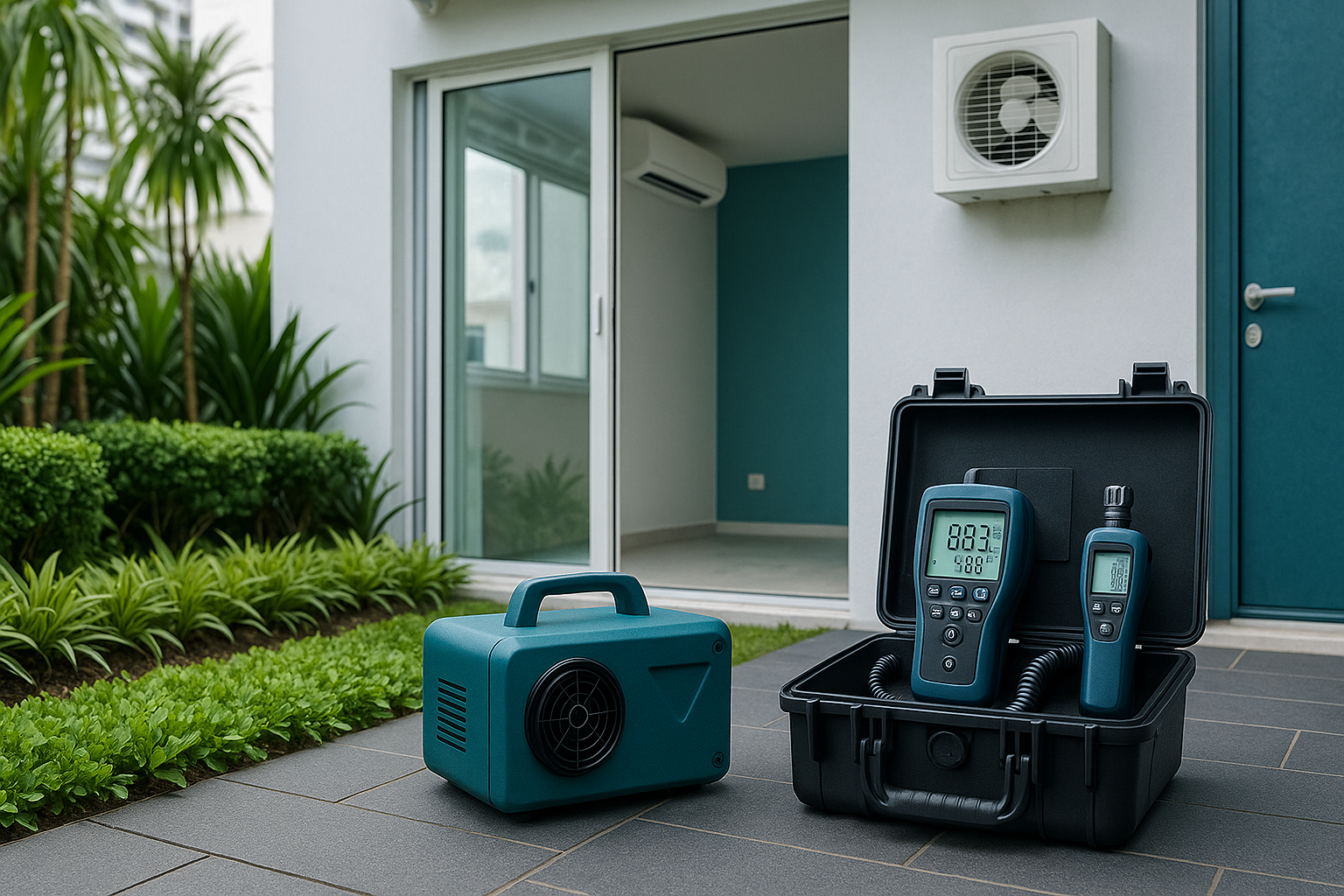
# Landscaping and Outdoor Mould: Managing Humidity in Landed Properties
Singapore, with its lush greenery and tropical climate, is a haven for nature lovers. However, this humid environment also makes it a breeding ground for mould, especially in landed properties with extensive outdoor spaces. As a homeowner, managing this persistent issue is crucial not only for aesthetic reasons but also for maintaining property value and ensuring a healthy living environment. Leveraging over 15 years of industry experience, this comprehensive guide will help you understand and manage outdoor mould effectively.
Understanding Singapore's Climate and Its Impact on Mould Growth
Tropical Climate Characteristics
Singapore experiences a tropical rainforest climate with no distinct seasons, characterized by consistent temperature and high humidity levels throughout the year. The country receives abundant rainfall, averaging 2,340 mm annually, with higher precipitation from November to January during the monsoon season.
Key Stat:Average relative humidity in Singapore ranges between 70% and 80%, providing an ideal environment for mould proliferation.
How Humidity Affects Mould Growth
Mould thrives in moist environments. The constant high humidity in Singapore can lead to condensation and moisture accumulation in outdoor areas. Without proper management, this moisture can penetrate building materials, leading to mould growth on walls, decks, and even outdoor furniture.
Identifying Mould-Prone Areas in Landed Properties
Common Outdoor Mould Hotspots
Regular inspection of these areas helps in early detection and prevention of mould growth.
Signs of Mould Infestation
Look for discoloration or musty odors. Mould can appear as black, green, or white patches. In advanced stages, it may cause peeling paint or structural damage.
Industry Best Practices for Outdoor Mould Management
Effective Landscaping Techniques
- Select Native Plants: Opt for plants that require less water and are adapted to Singapore's climate.
- Ensure Proper Drainage: Install a drainage system to prevent water pooling.
- Regular Pruning: Keep foliage trimmed to improve air circulation and reduce moisture retention.
Position plants and trees strategically to avoid excessive shade on walls and walkways, reducing humidity levels.
Professional Mould Removal and Prevention
Hiring Trained Specialists
Engage professionals with extensive experience in mould remediation who adhere to industry standards, such as those set by the IICRC. A professional-grade approach ensures comprehensive mould removal and long-term prevention strategies.
Steps in Professional Mould Remediation
DIY Maintenance Tips for Homeowners
- Regular Cleaning: Clean outdoor surfaces with a mild detergent and water.
- Ventilation: Use fans or dehumidifiers in enclosed outdoor spaces.
- Seal Cracks: Repair cracks in walls and floors to prevent moisture intrusion.
Case Studies: Mould Management in Singapore
Tampines: A Multi-Pronged Approach
In Tampines, a landed property owner faced recurring mould issues due to dense landscaping. By redesigning the garden layout for better drainage and engaging professional mould remediation services, the problem was effectively managed, enhancing both the property's appearance and structural integrity.
Bishan: Sustainable Landscaping Solutions
A homeowner in Bishan adopted sustainable landscaping by using gravel and native plants, significantly reducing water usage and mould growth. This approach not only curbed mould but also contributed to a more eco-friendly garden.
Costs Involved in Mould Remediation and Prevention
Cost Breakdown
- Professional Inspection: S$100 - S$300
- Mould Removal Services: S$500 - S$2,000, depending on the extent of the infestation
- Preventive Measures (e.g., sealing, drainage improvement): S$200 - S$1,000
Investing in professional services may seem costly upfront, but it prevents more extensive and expensive repairs in the long run.
Conclusion: Take Action Today
Mould in outdoor areas of landed properties in Singapore is a common challenge due to the tropical climate. By implementing effective landscaping strategies, engaging professional mould remediation services, and maintaining regular upkeep, homeowners can protect their properties from the detrimental effects of mould. Schedule a free inspection today to assess your property's risk and take proactive measures.
Frequently Asked Questions
How can I tell if mould is affecting my outdoor space?
Look for visible signs such as black, green, or white patches on walls, decks, or garden areas. Musty odors and peeling paint are also indicators of mould. Regular inspections can help in early detection and management.
What are the best plants to use in Singapore to reduce mould growth?
Native plants that require less water, such as Bougainvillea or Ixora, are ideal. They are adapted to Singapore's climate and can help reduce moisture levels in your garden, thereby minimizing mould growth.
What steps should I take if I find mould in my garden?
Start by identifying and fixing moisture sources, such as blocked gutters or poor drainage. Clean affected areas with mild detergent. For extensive mould, consider hiring trained specialists to ensure thorough removal and prevention.
How often should I conduct mould inspections in my outdoor space?
Conduct inspections at least twice a year, especially before and after the monsoon season. Regular checks allow for early detection and intervention, preventing larger infestations.
What is the cost of professional mould removal services in Singapore?
Professional mould removal services can range from S$500 to S$2,000, depending on the severity of the infestation and the size of the affected area. Investing in these services can save you from more costly repairs in the future.