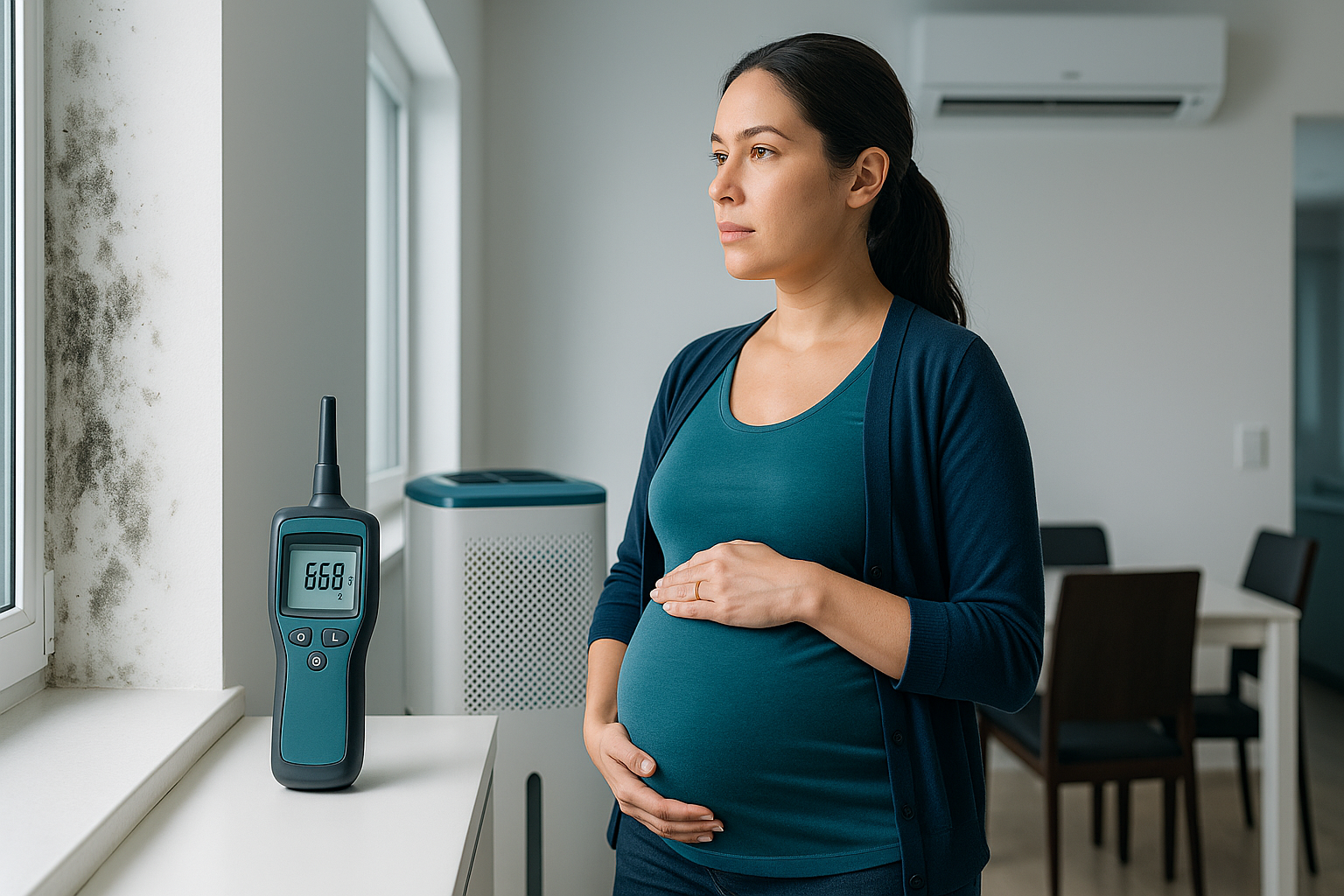
# Pregnancy and Mould Exposure: Safety Guidelines for Singapore Homeowners
In the tropical climate of Singapore, the battle against mould is a common concern for homeowners. With high humidity levels and frequent rain, properties across the island—from HDB flats in Tampines to luxurious condos in Marina Bay—are susceptible to mould growth. While mould is a nuisance for any homeowner, it poses particular risks for expectant mothers. Understanding the implications of mould exposure during pregnancy and implementing effective safety guidelines can protect both mother and child.
Understanding Mould: Why It's a Problem in Singapore
The Impact of Tropical Climate on Mould Growth
Singapore's climate is characterized by high humidity levels averaging around 80%. Coupled with temperatures ranging from 25°C to 31°C, conditions are ideal for mould proliferation. This is why many homeowners in areas like Jurong and Bishan frequently encounter mould issues in their properties.
Key Stat: Mould can begin to grow within 24 to 48 hours in conditions where moisture is present and can quickly become a health hazard if left unaddressed.
Health Risks Associated with Mould
Mould produces allergens and irritants that can lead to respiratory problems, allergic reactions, and other health issues. For pregnant women, these risks are magnified as exposure can potentially affect both the mother and the developing fetus.
Warning: Pregnant women should avoid areas with visible mould growth and seek immediate remediation to minimize health risks.
Pregnancy and Mould: Understanding the Risks
Potential Health Effects on Expectant Mothers
Pregnant women are particularly vulnerable to the effects of mould due to changes in their immune systems. Symptoms may include:
- Respiratory issues such as coughing and wheezing
- Skin irritation
- Nasal congestion
- Eye irritation
Expert Insight: Prolonged exposure to mould can exacerbate these symptoms, leading to more severe health complications during pregnancy.
Risks to the Developing Fetus
Research indicates that mould exposure can have adverse effects on fetal development. Potential risks include:
- Low birth weight
- Premature birth
- Developmental delays
Pro Tip: If you suspect mould in your home and are pregnant, it's crucial to address the issue promptly to safeguard your health and that of your unborn child.
Industry-Standard Mould Remediation Practices
Professional-Grade Inspection and Assessment
Before tackling mould, a thorough inspection by trained specialists is essential. This involves:
Best Practice: Regular inspections, especially during Singapore's wetter months, can prevent minor issues from escalating.
Effective Mould Removal Techniques
The industry-standard approach to mould removal involves several key steps:
Expert Insight: Attempting DIY mould removal without professional help can exacerbate the problem and pose health risks, particularly for pregnant occupants.
Mould Prevention: Strategies for Singapore Homes
HDB Mould Prevention Techniques
For HDB residents, maintaining good ventilation and regular cleaning practices are crucial. Consider:
- Installing dehumidifiers to control indoor humidity
- Ensuring proper ventilation in bathrooms and kitchens
- Cleaning surfaces regularly with mould-inhibiting products
Condo and Landed Property Considerations
Owners of condos and landed properties, such as those in Bukit Timah, should focus on:
- Regular maintenance of air conditioning systems
- Monitoring basement and attic areas for moisture
- Ensuring that landscaping directs water away from the building foundation
Pro Tip: Regularly inspect and clean air conditioning filters to reduce mould spores in circulated air.
Cost of Mould Remediation and Prevention in Singapore
What to Expect in Terms of Costs
The cost of mould remediation in Singapore can vary based on the extent of the issue. On average:
- Basic inspection and assessment: S$150-S$300
- Remediation for minor mould instances: S$500-S$1,500
- Extensive mould removal in larger properties: S$2,000-S$5,000
Key Stat: Investing in regular maintenance and inspection can save homeowners significant amounts in future remediation costs.
Conclusion: Protecting Your Home and Family
For pregnant women, ensuring a mould-free environment is not just about comfort—it's a critical health measure. By understanding the risks and implementing professional, industry-standard practices, you can maintain a safe living space for you and your growing family. If you suspect mould in your home, don't wait. Contact us today to schedule a free inspection and ensure your home remains a safe haven.
Frequently Asked Questions
How can I tell if there is mould in my home?
Look for visible signs of mould growth, such as black, white, or green patches on walls, ceilings, and floors. A musty smell can also indicate mould presence. If in doubt, professional inspection is recommended to accurately assess the situation.
Is it safe to remove mould myself during pregnancy?
It is generally not recommended for pregnant women to remove mould themselves due to the health risks involved. Professional remediation ensures that mould is removed safely and effectively, minimizing exposure risks.
What are the common areas for mould growth in Singapore homes?
In Singapore, common areas for mould growth include bathrooms, kitchens, air conditioning units, and areas with poor ventilation or water leaks. Regular checks and maintenance in these areas can help prevent mould.
How often should I schedule a mould inspection?
Regular mould inspections should be scheduled at least once a year, especially if you live in an area with high humidity or have experienced water damage. More frequent checks are advisable during Singapore's rainy seasons.
Can mould affect my baby's health after birth?
Yes, mould can affect newborns and young children by causing respiratory issues and allergic reactions. Ensuring a mould-free environment is crucial for the health of both mother and child.