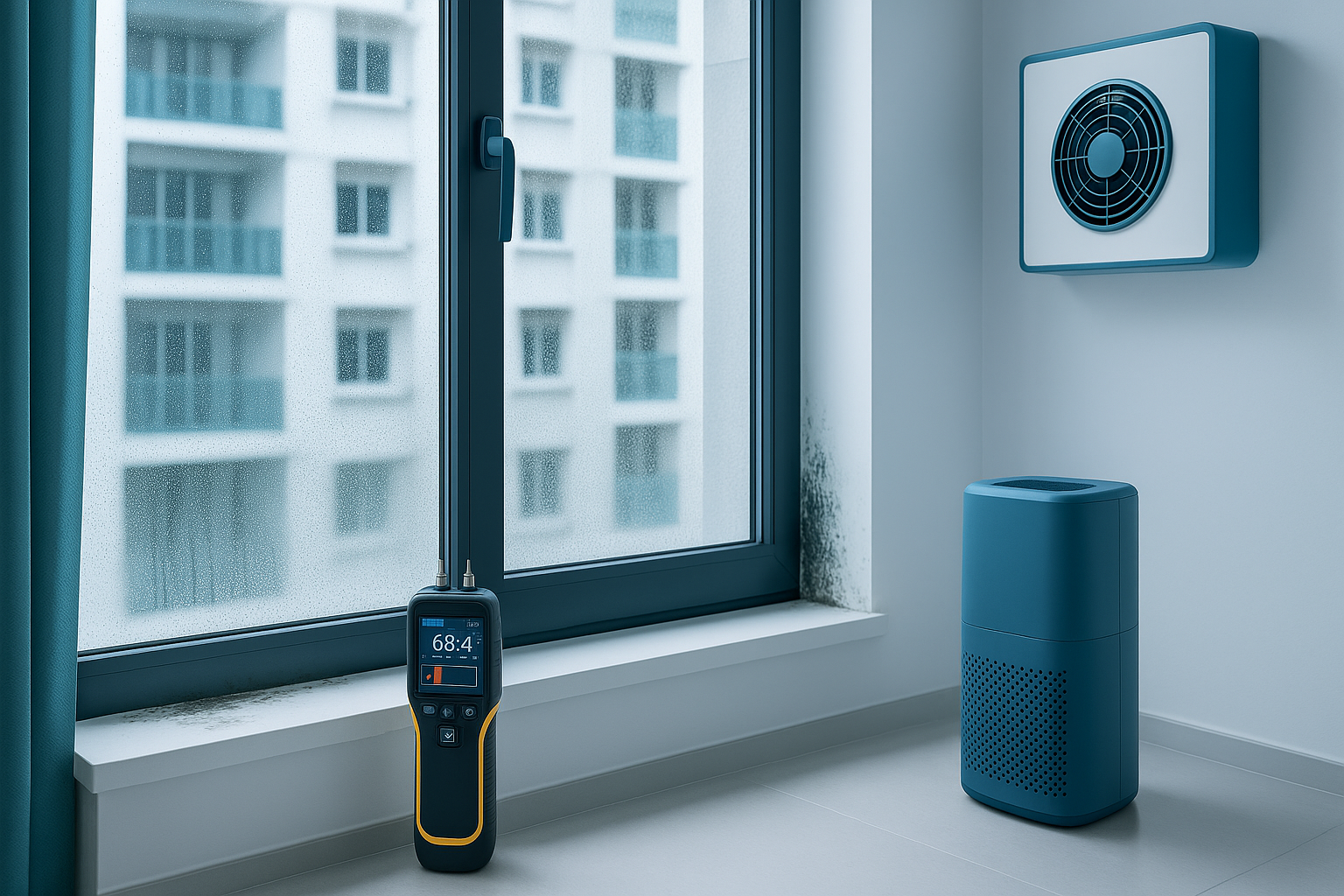
# Window Condensation and Mould Prevention Tips for Singapore Homeowners
In the vibrant city-state of Singapore, where humidity levels often soar above 80%, condensation on windows is a common occurrence in both residential and commercial properties. Whether you reside in an HDB flat in Tampines, a condo in Bishan, or a landed property in the heart of Marina Bay, understanding how to manage window condensation is crucial for maintaining a healthy and mould-free living environment.
Understanding Window Condensation
What Causes Window Condensation?
Condensation happens when warm, moist air comes into contact with a cooler surface, like a window pane. This is particularly prevalent in Singapore's tropical climate, where the contrast between indoor air conditioning and the humid outdoor air can be stark.- High Humidity Levels: Singapore experiences high humidity levels year-round, making it a challenge to manage indoor moisture.
- Temperature Differences: The use of air conditioning can create cooler indoor environments, leading to condensation when warm outdoor air meets the cold glass.
Why is Condensation a Problem?
While a little condensation might seem harmless, it can lead to more significant issues if not addressed.
- Mould Growth: Excess moisture from condensation can lead to the growth of mould, which thrives in damp conditions.
- Structural Damage: Over time, constant exposure to moisture can damage window frames, walls, and other materials.
- Health Risks: Mould can cause respiratory issues and other health problems, especially in individuals with allergies or asthma.
Key Stat: Singapore's average relative humidity ranges from 70% to 90% throughout the year, creating a perfect environment for mould growth if not properly managed.
The Impact of Mould in Singapore Homes
Health Implications
Mould is not just a cosmetic issue; it can have serious health implications.
- Allergic Reactions: Mould spores can trigger allergies, causing symptoms like sneezing, runny nose, and skin rashes.
- Respiratory Problems: Prolonged exposure to mould can lead to respiratory issues, particularly in vulnerable groups such as children and the elderly.
- Mould-Related Illnesses: Some types of mould can produce mycotoxins, which are harmful to health.
Property Value and Aesthetics
Mould can also affect the aesthetic appeal and value of your property.
- Visual Damage: Unsightly black or green patches on walls and ceilings can detract from your home's appearance.
- Decreased Property Value: Persistent mould problems may lower the value of your property and deter potential buyers.
Mould Prevention Tips for Singapore Homeowners
Enhancing Ventilation
Proper ventilation is crucial in preventing mould growth.
- Open Windows Regularly: Allow natural air to circulate, especially during less humid parts of the day.
- Use Exhaust Fans: Install and use exhaust fans in areas prone to moisture, such as kitchens and bathrooms.
Managing Indoor Humidity
Keeping indoor humidity levels in check is essential.
- Dehumidifiers: Invest in a good-quality dehumidifier to maintain optimal humidity levels (ideally between 30% and 50%).
- Air Conditioning Maintenance: Regularly service air conditioning units to ensure they effectively remove moisture from the air.
Pro Tip: Regularly check and clean air filters in your air conditioning units to enhance their efficiency in reducing humidity.
Regular Cleaning Practices
Maintaining a clean environment can help prevent mould.
- Wipe Down Surfaces: Regularly clean window sills and frames to remove any condensation build-up.
- Use Mould-Resistant Products: Opt for paint and sealants with mould-resistant properties for areas prone to dampness.
Professional Inspection and Remediation
For persistent mould issues, professional intervention may be necessary.
- Hire Trained Specialists: Engage professionals with extensive experience in mould remediation to assess and address problems.
- Conduct Regular Inspections: Schedule regular inspections to identify and rectify potential mould issues before they escalate.
Expert Insight: Engaging professional mould remediation services ensures thorough removal and offers peace of mind that industry-standard methods are employed.
Step-by-Step Guide to Managing Window Condensation
Case Studies: Mould Prevention in Local Properties
HDB Flats in Tampines
HDB flats are common in Singapore, and many residents face mould issues due to limited ventilation.
- Challenge: High occupancy and limited space for airflow.
- Solution: Implemented strategic placement of dehumidifiers and regular use of exhaust fans in bathrooms and kitchens.
Condos in Bishan
Condos offer more ventilation options but still face challenges with condensation.
- Challenge: Large glass windows increase the risk of condensation.
- Solution: Applied anti-condensation window films and improved air circulation with ceiling fans.
Landed Property in Marina Bay
Larger properties can experience varied moisture levels across different rooms.
- Challenge: Ensuring consistent moisture management throughout the property.
- Solution: Conducted regular inspections and used a combination of dehumidifiers and ventilation enhancements.
Conclusion
Preventing window condensation and mould in Singapore's humid climate requires a proactive approach. By understanding the causes and implementing effective strategies, you can protect your home and health from the adverse effects of mould. For persistent issues, professional assistance is recommended to ensure a thorough and lasting solution.
Schedule a free inspection today with our expert team to ensure your home remains a healthy and mould-free environment.Frequently Asked Questions
How can I reduce window condensation in my HDB flat?
To reduce window condensation in your HDB flat, focus on improving ventilation by opening windows and using exhaust fans in moisture-prone areas like kitchens and bathrooms. Additionally, consider using dehumidifiers to maintain lower indoor humidity levels, which can significantly reduce condensation.
Is mould dangerous to my health?
Yes, mould can pose health risks, particularly for individuals with allergies, asthma, or weakened immune systems. Exposure to mould spores can cause respiratory issues, allergic reactions, and in some cases, more severe health problems due to mycotoxins produced by certain mould types.
What are the costs associated with professional mould remediation?
The cost of professional mould remediation in Singapore varies depending on the extent of the mould issue and the size of the affected area. On average, homeowners can expect to spend between S$500 to S$2,000 for professional services. It's important to engage experienced specialists who use industry-standard methods for effective results.
Can I prevent mould by just using air conditioning?
While air conditioning can help reduce indoor humidity, it may not be sufficient to prevent mould on its own. Regular maintenance of air conditioning units is crucial, and additional measures like using dehumidifiers and ensuring proper ventilation are recommended for comprehensive mould prevention.
How often should I inspect my home for mould?
Regular inspections are advisable, especially in areas prone to moisture. It's recommended to conduct a thorough inspection at least twice a year, or more frequently if your home experiences high humidity levels or if you notice signs of mould growth.