HDB Bathroom Exhaust Fans — Duct Faults & Ceiling Mould
HDB bathroom exhaust fans don't just need to spin — they need to vent to outside air. In pre-2010 HDB blocks, many fans push moisture into a shared vertical riser shaft, where it stalls or recirculates into other units. This guide walks the four most common HDB-specific faults and how to fix them before ceiling mould comes back.
Back to Bathroom Exhaust Fan Singapore PillarQuick Answer
HDB bathroom fans usually fail not because the motor dies but because the moist air never reaches outside — in pre-2010 blocks many fans push into a shared vertical riser shaft where the air stalls or recirculates into neighbouring units. The four faults to check are a blocked or crushed duct, a shared riser without a backdraught damper, an undersized fan, and a fan wired to the light instead of a timer or humidistat. Replacement with correct ducting starts at S$380.
The pre-2010 HDB shared riser shaft problem
A large share of HDB bathrooms built before 2010 don't have direct ducting to outside air. Instead the fan vents into a vertical riser shaft shared between stacked units. When the shaft is partly blocked by debris, when neighbouring units' fans push back, or when the fan itself is undersized, the moist air has nowhere to go — it stalls in the duct, condenses on the ceiling, and re-enters the bathroom through the very opening it was supposed to leave through. We've documented multiple HDB jobs where the fan was 'working' yet ceiling humidity remained above 80% after a 30-minute run.
Fault 1 — Undersized fan
HDB master bathrooms (4–5 m²) need 75–110 CFM, but many units shipped with 40–50 CFM fans sized for a small WC. The fan runs but never overcomes the moisture load. Symptom: fan is quiet, ceiling stays wet 30+ minutes after shower. Fix: upgrade to a 100 CFM KDK or Panasonic rated for tropical use.
Fault 2 — Blocked riser shaft
Cement dust from renovations upstairs, dead insects, or even a previous tenant's plastic cover left in the shaft can throttle airflow to near zero. Symptom: paper tissue held to the fan grille barely sticks. Fix: a contractor with a borescope can confirm; clearing or re-routing the duct is the only permanent fix.
Fault 3 — Light-switch trigger
Most HDB fans are wired to the bathroom light. Households turn the light off within 1–2 minutes of leaving, but moisture takes 15–20 minutes to clear. Fix: rewire to a humidistat or a 20-minute run-on timer (we install both).
Fault 4 — Motor death from salt-air corrosion
Coastal HDBs (Pasir Ris, Bedok, Marine Parade) see fan motors die in 4–5 years from salt-air corrosion of the bearings. Symptom: progressively louder, slower spin, intermittent failure. Fix: replace with a sealed-bearing tropical-spec unit.
For surface mould you can already see, jump straight to professional mould removal in Singapore. For the full topic, see the Bathroom Exhaust Fan Singapore pillar.
Frequently Asked Questions
How do I know if my HDB fan is venting to outside or just to the shaft?
Hold a tissue to the external grille on the kitchen yard or service balcony — if it's not being pushed out when the fan runs, the air isn't reaching outside. Many HDB units don't have a visible external grille at all, which usually means a shared riser shaft.
Can HDB residents replace the exhaust fan themselves?
Replacing a like-for-like ceiling-mount fan is permitted as minor electrical work, but anything that touches the ducting, opens the ceiling cavity, or changes the riser shaft entry requires HDB approval. We handle the permit work for HDB renovation packages.
Does HDB cover the cost of fixing the exhaust system?
Generally no — the fan and immediate ducting are the unit owner's responsibility. The shared riser shaft is town council infrastructure; report blockages to your TC.
Already see ceiling mould? Combine fan replacement with mould removal in Singapore — single visit, no trip or transport charge.
WhatsApp UsOur Team in Action
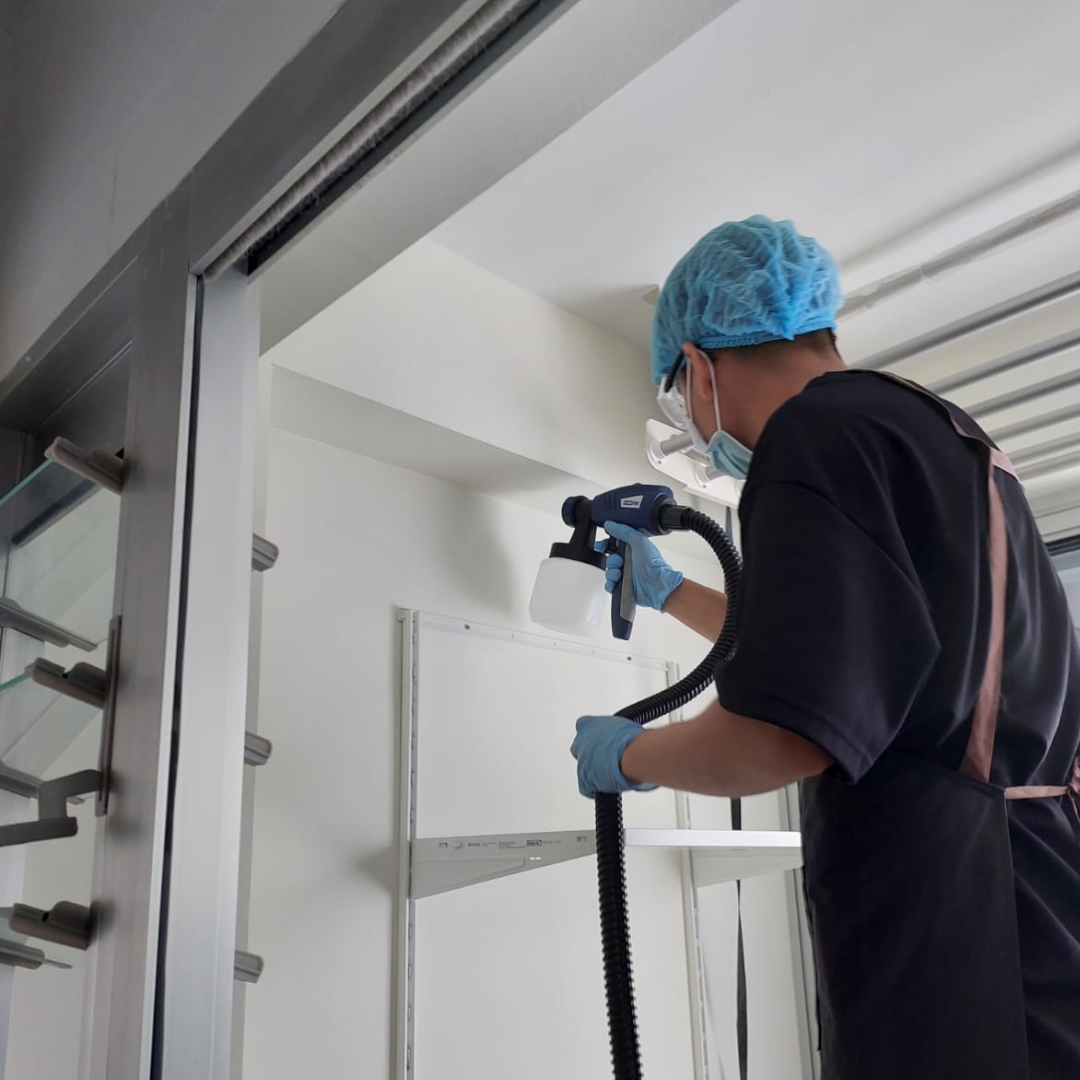
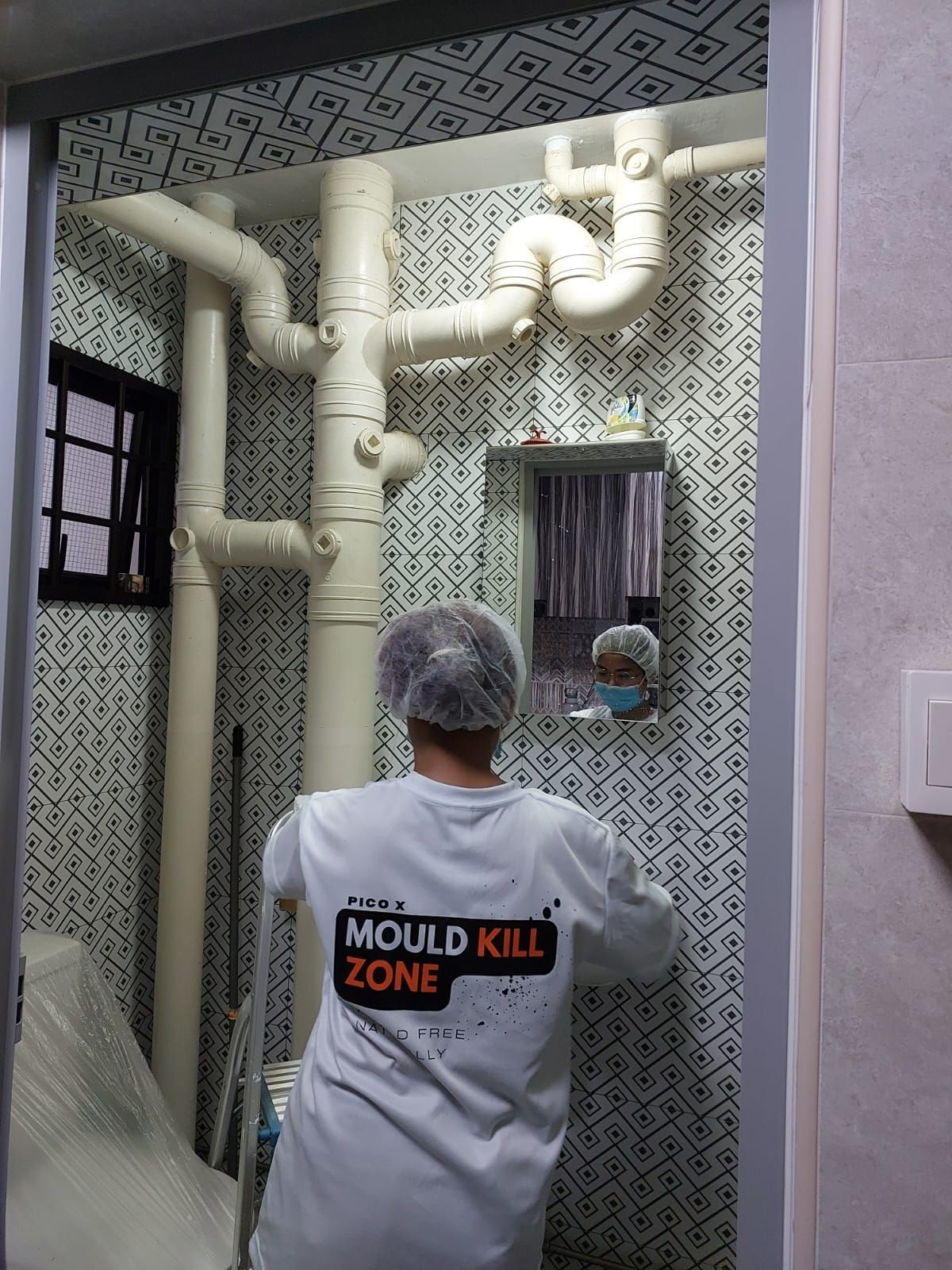
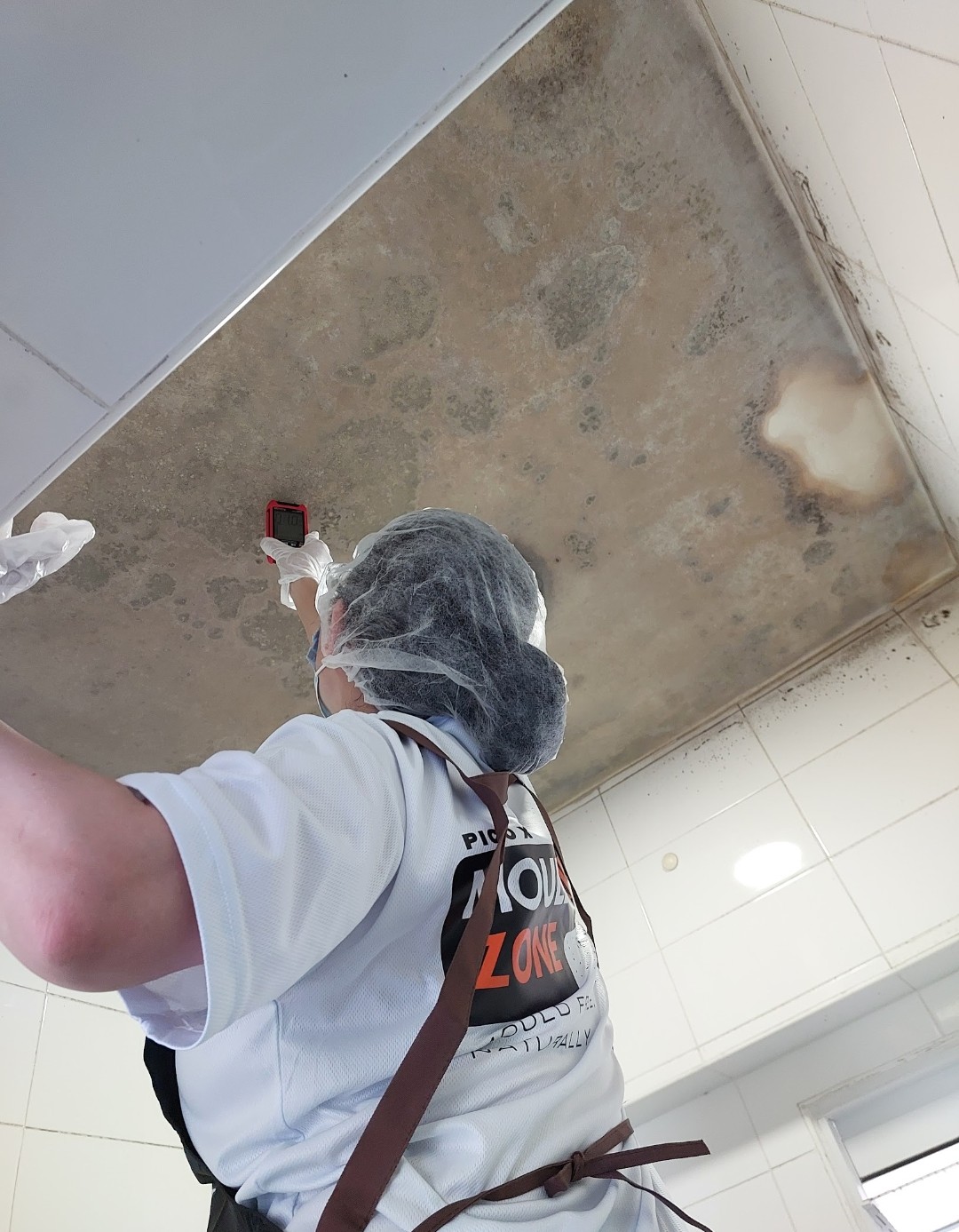
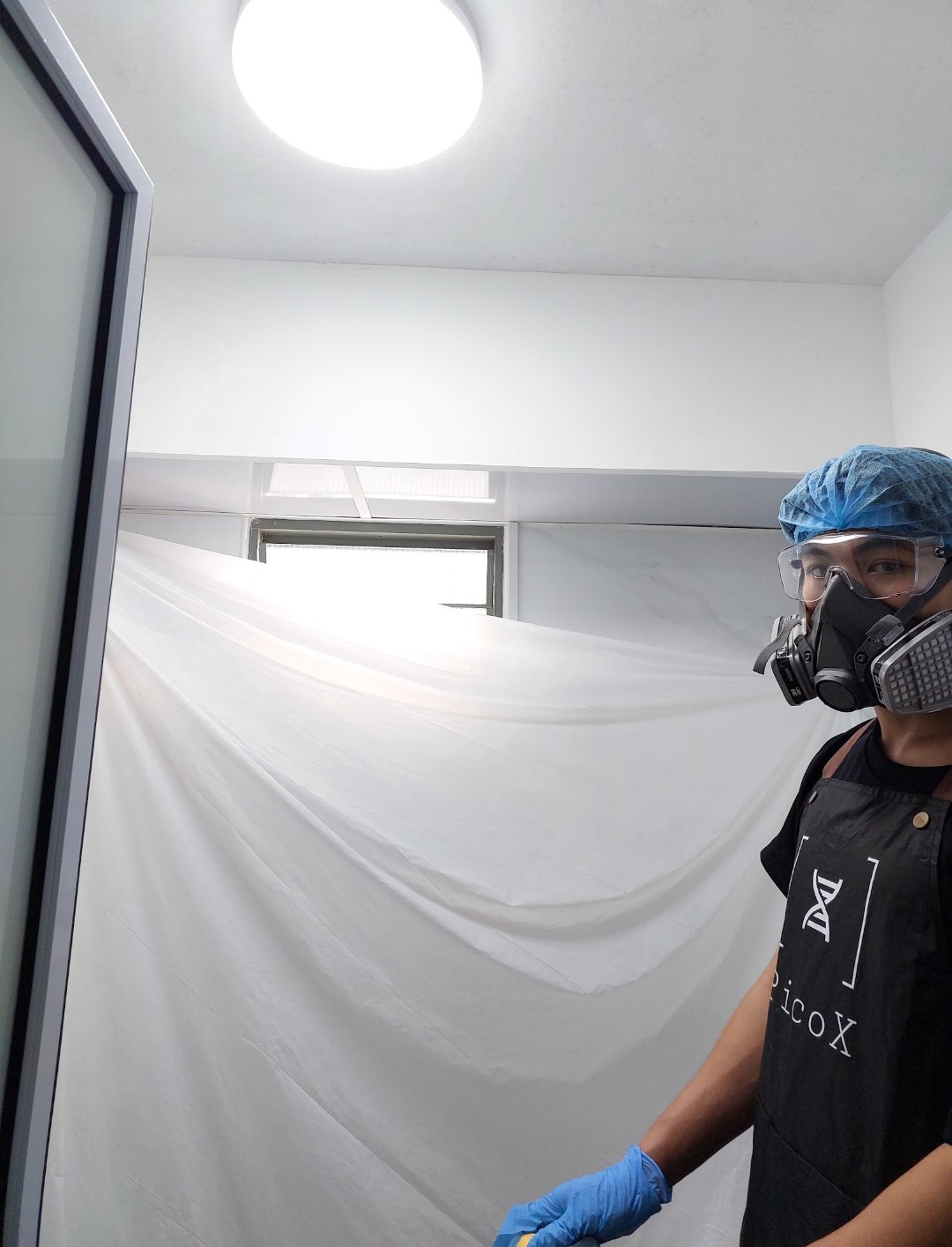
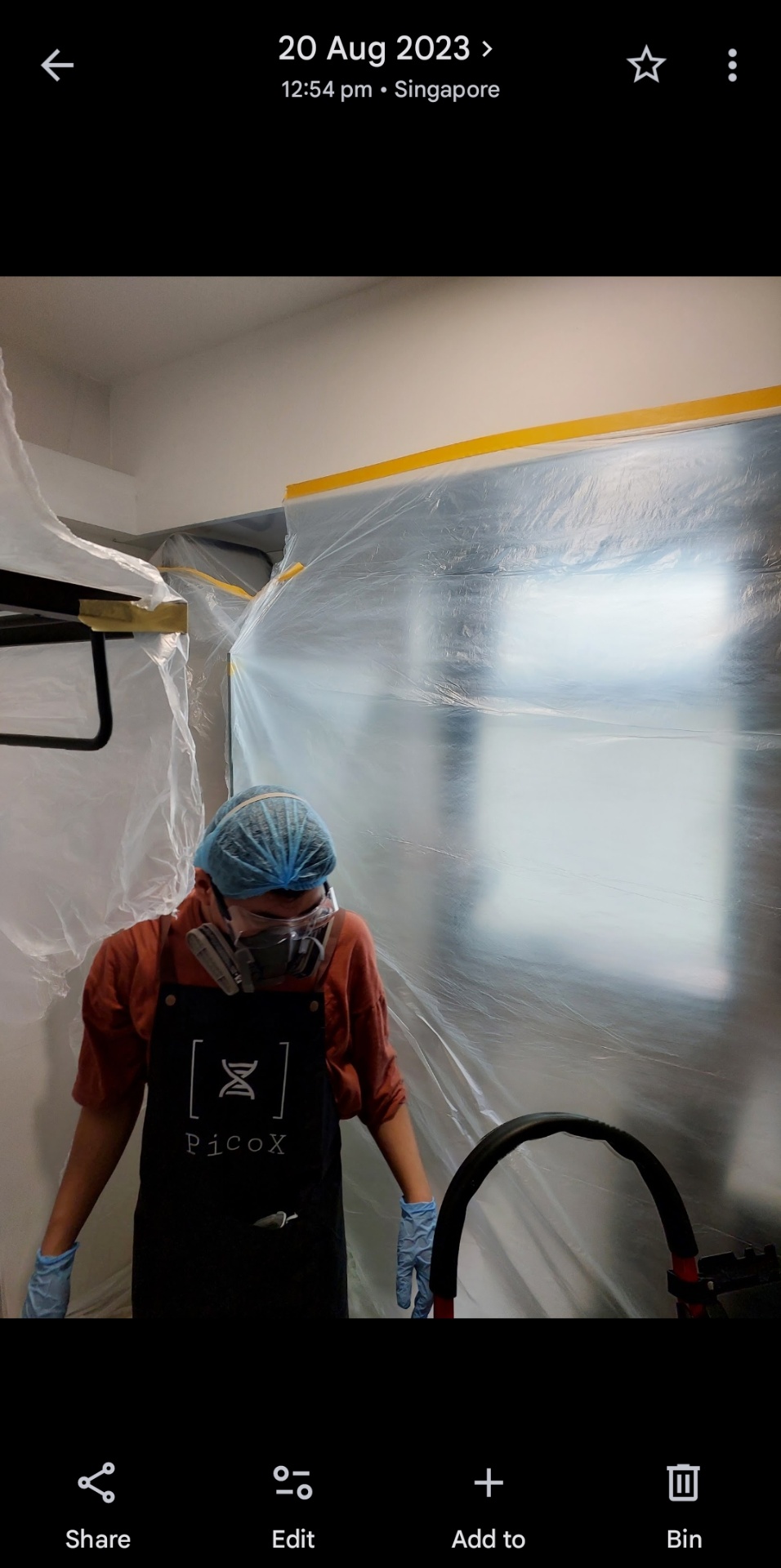
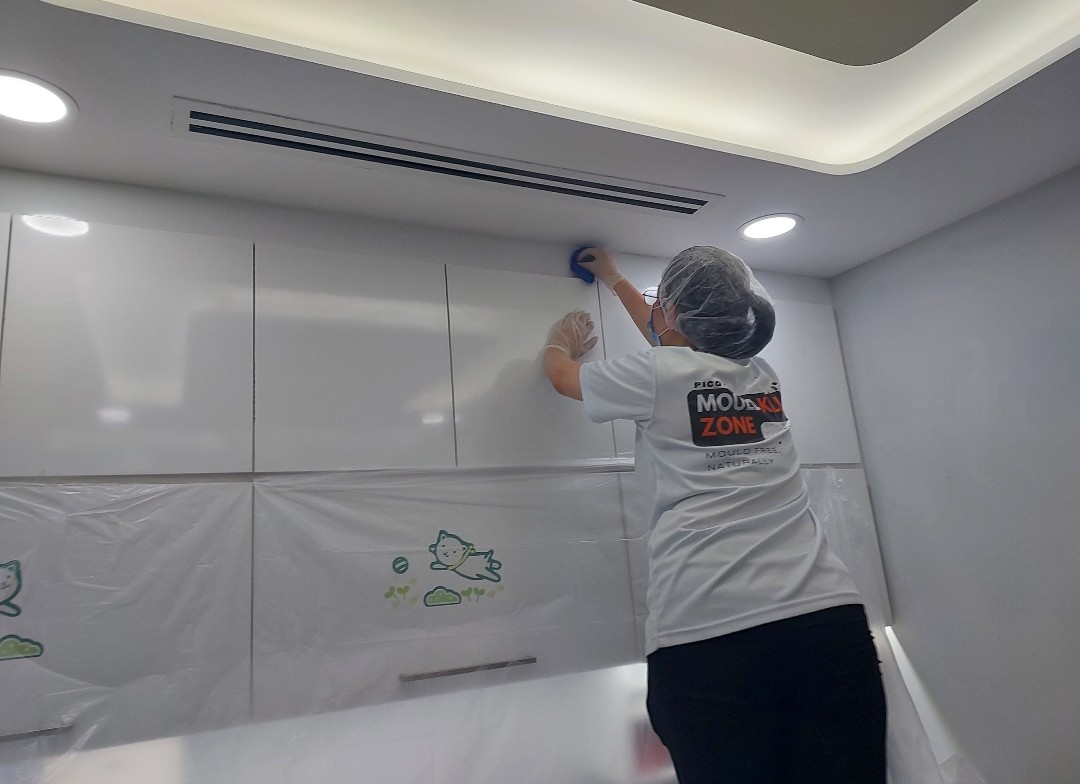
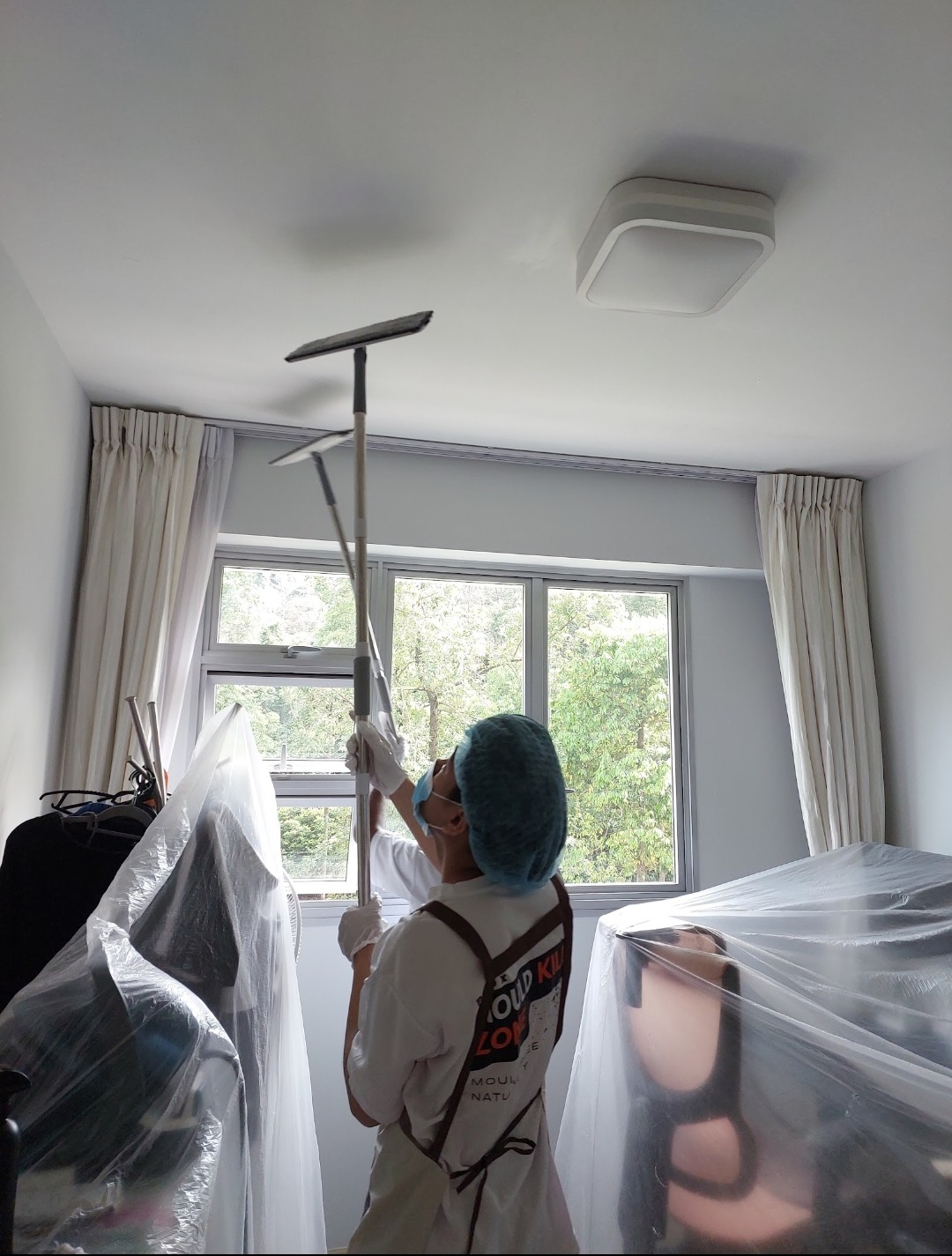
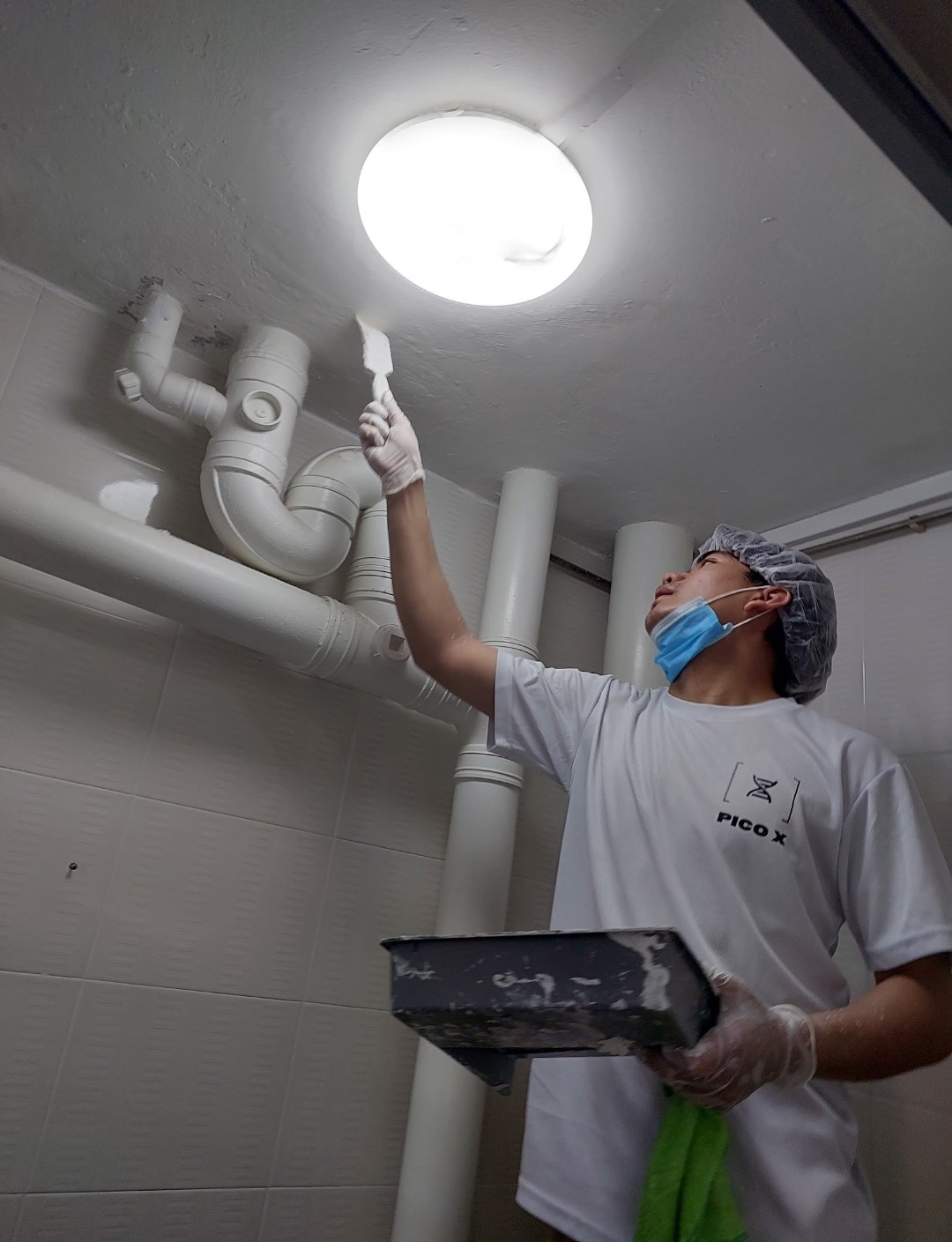
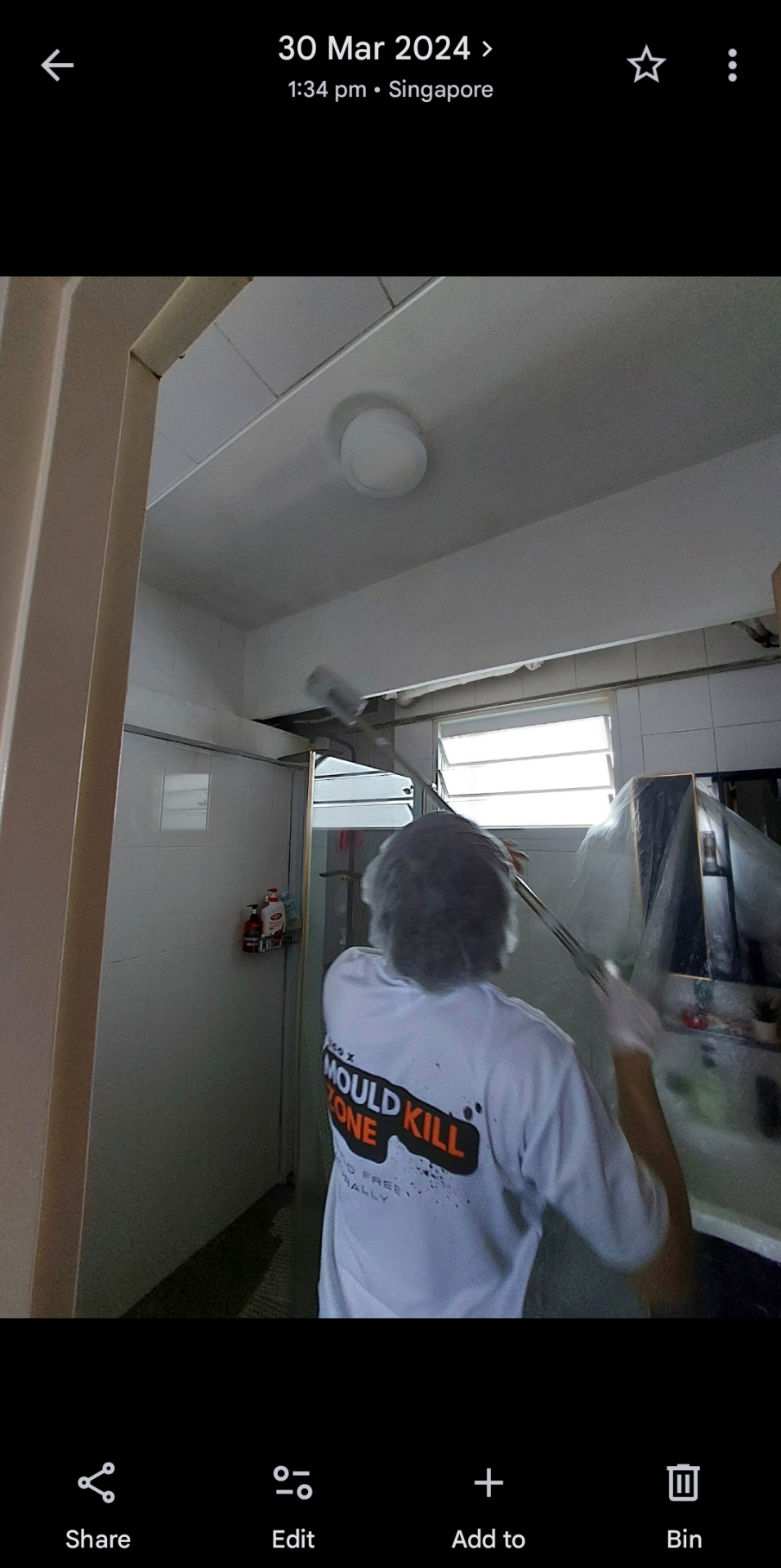
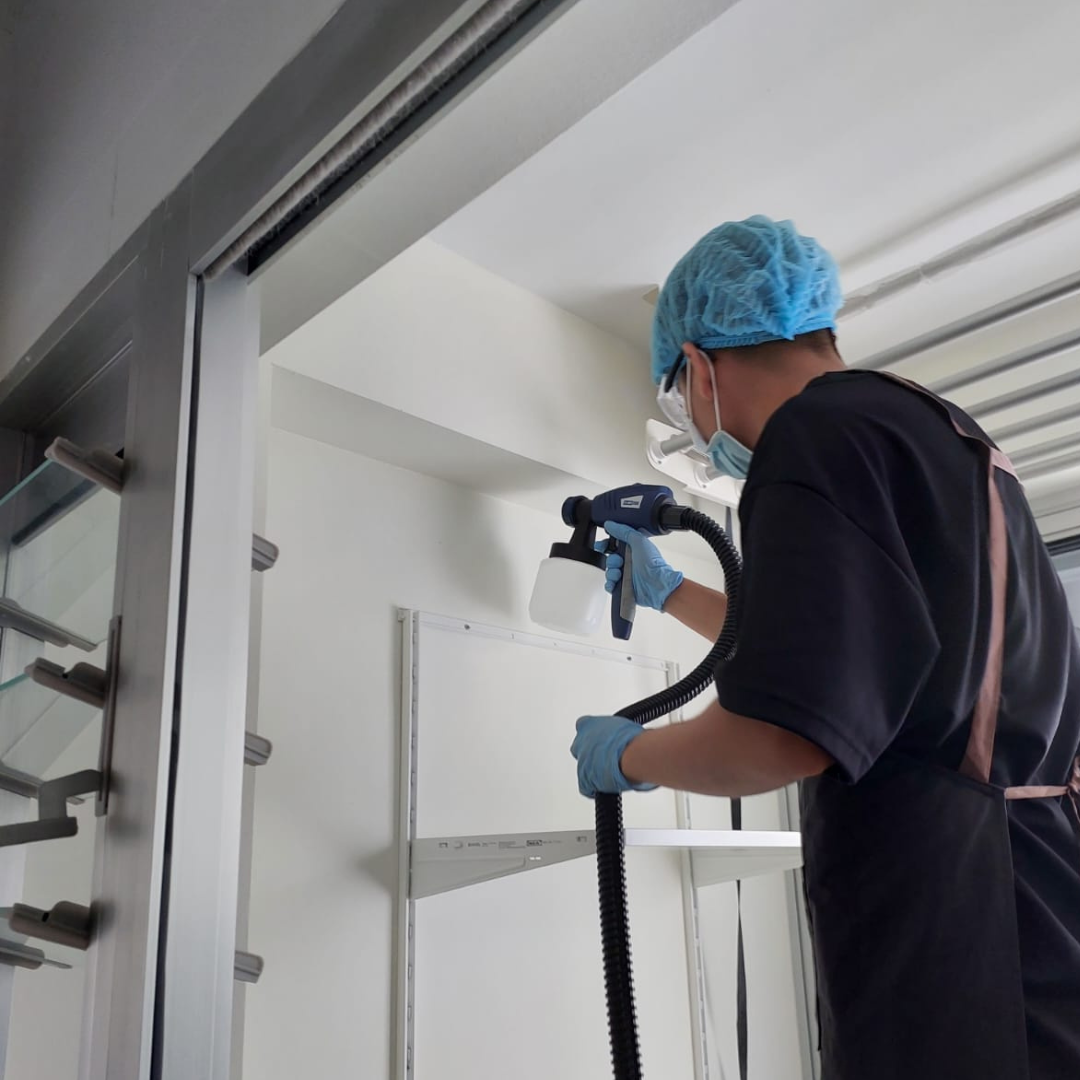
Trained Pico X Health technicians follow strict containment, PPE, and protocols on every job in Singapore.
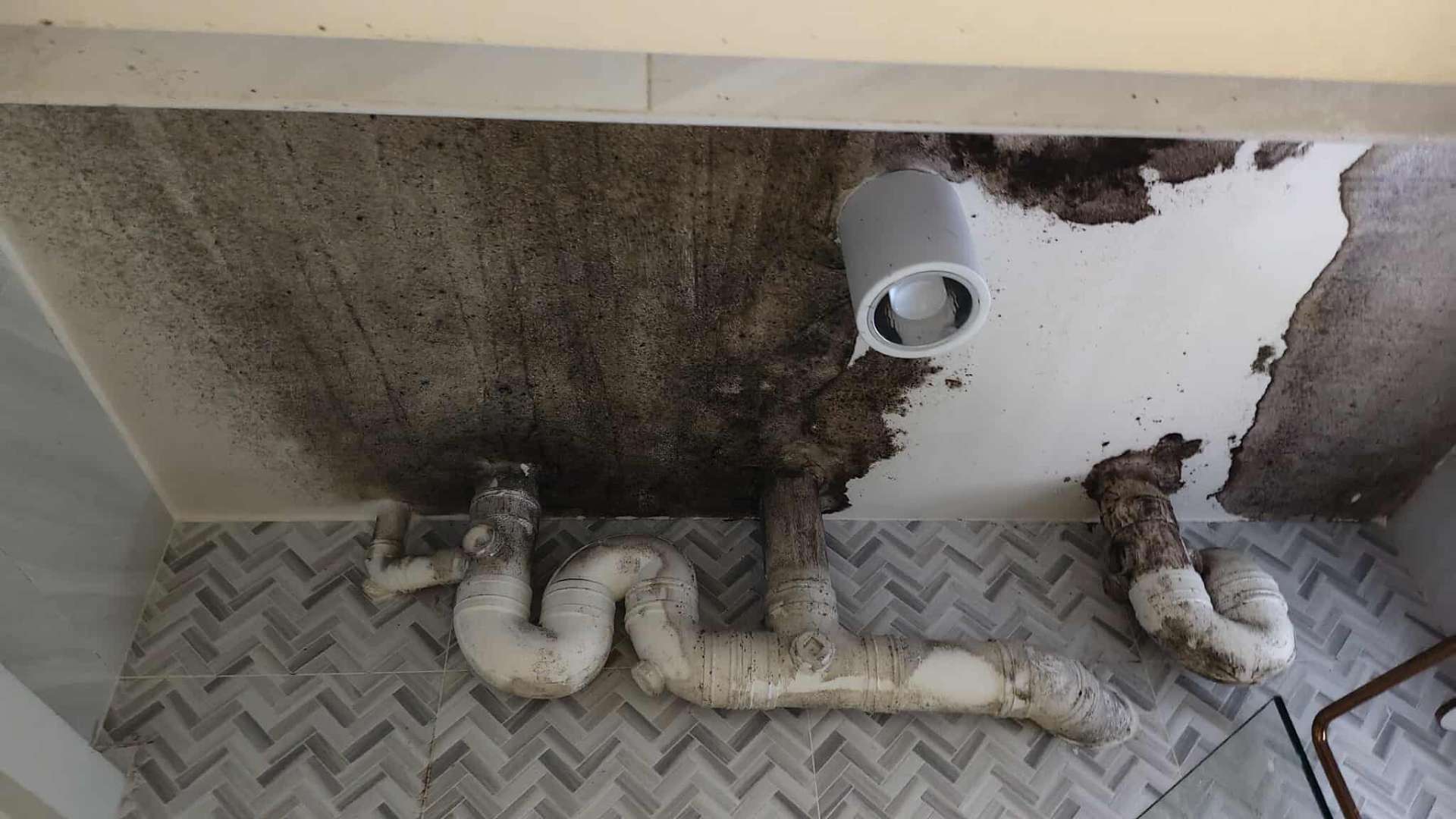
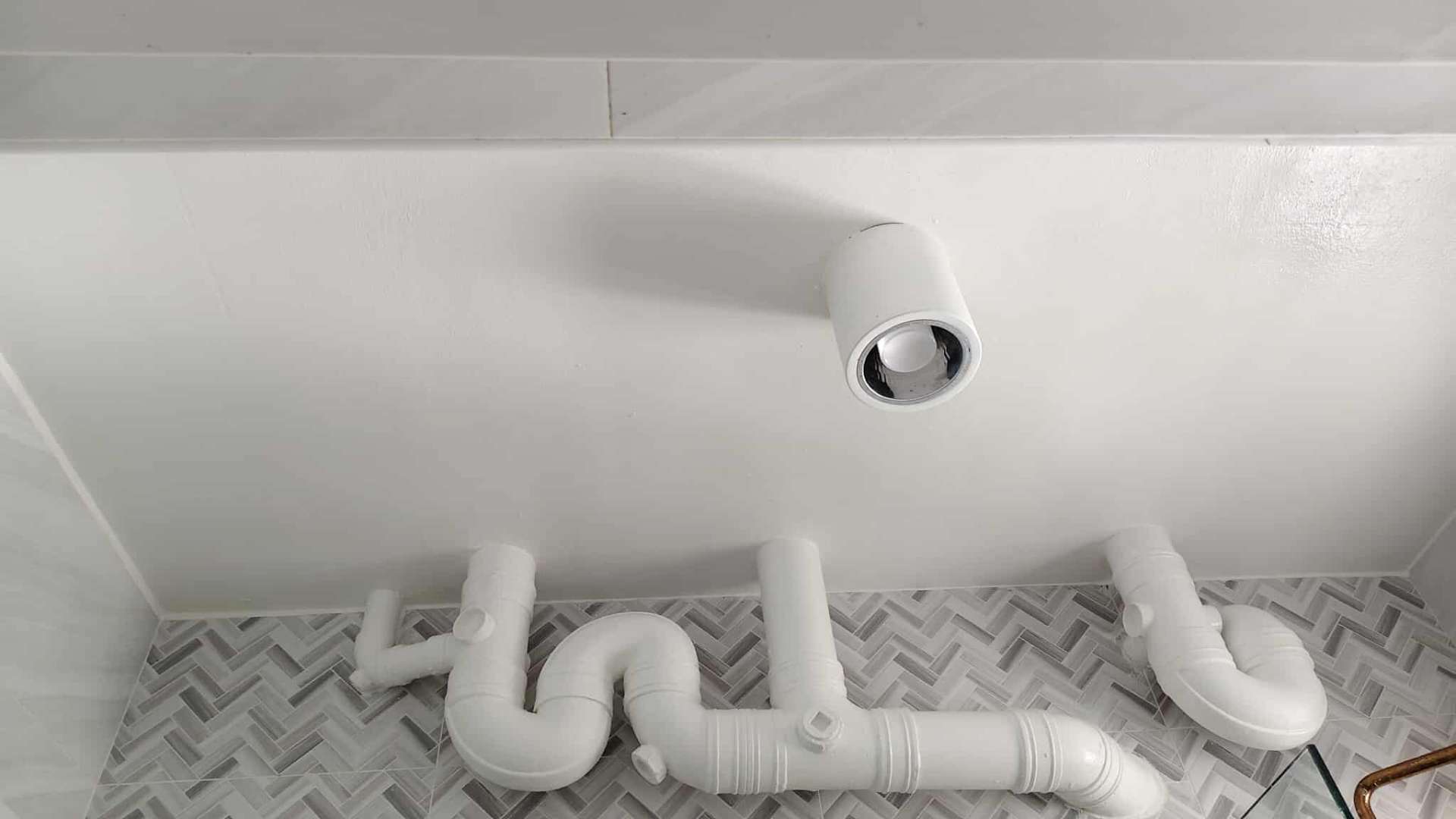
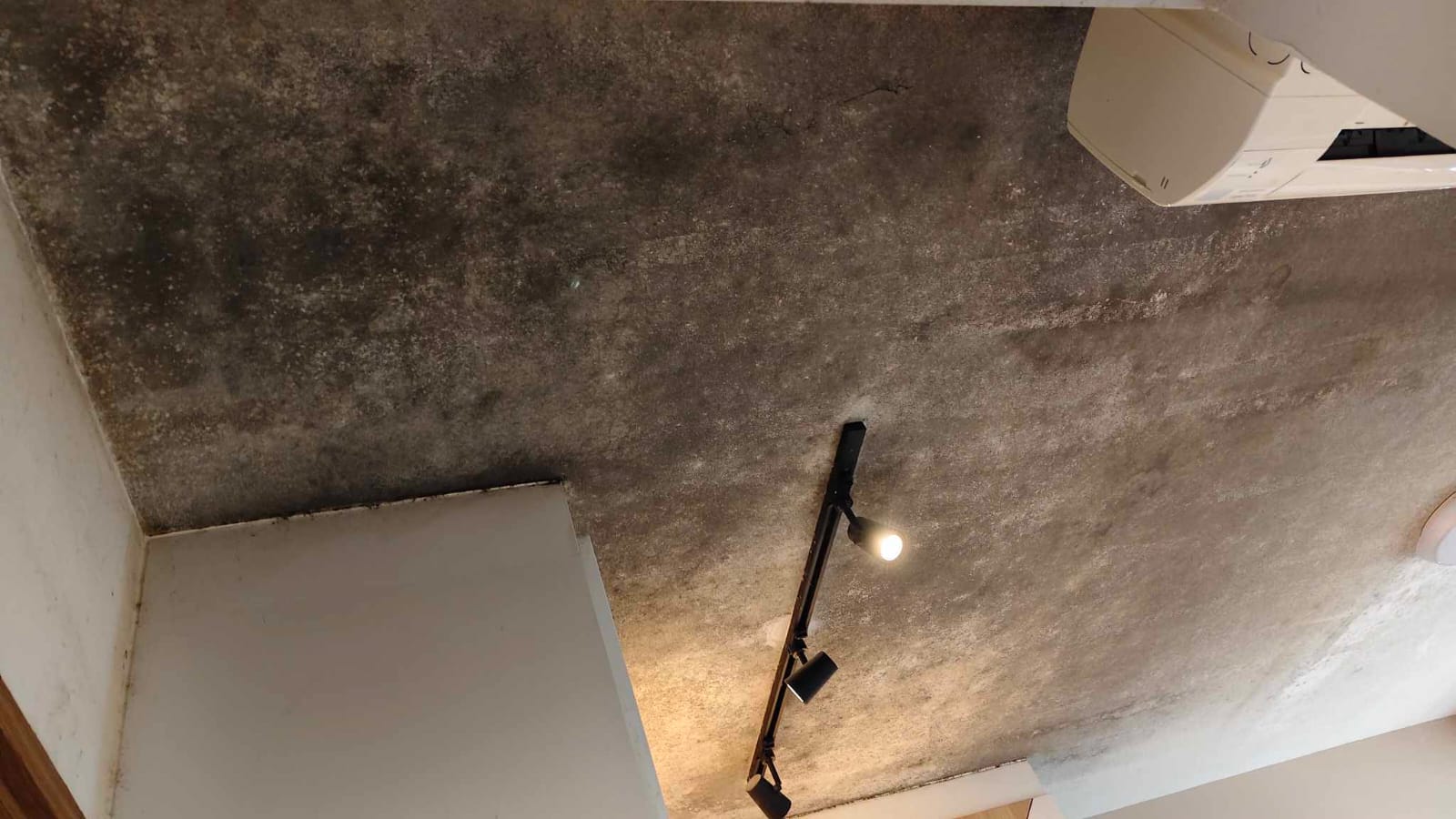
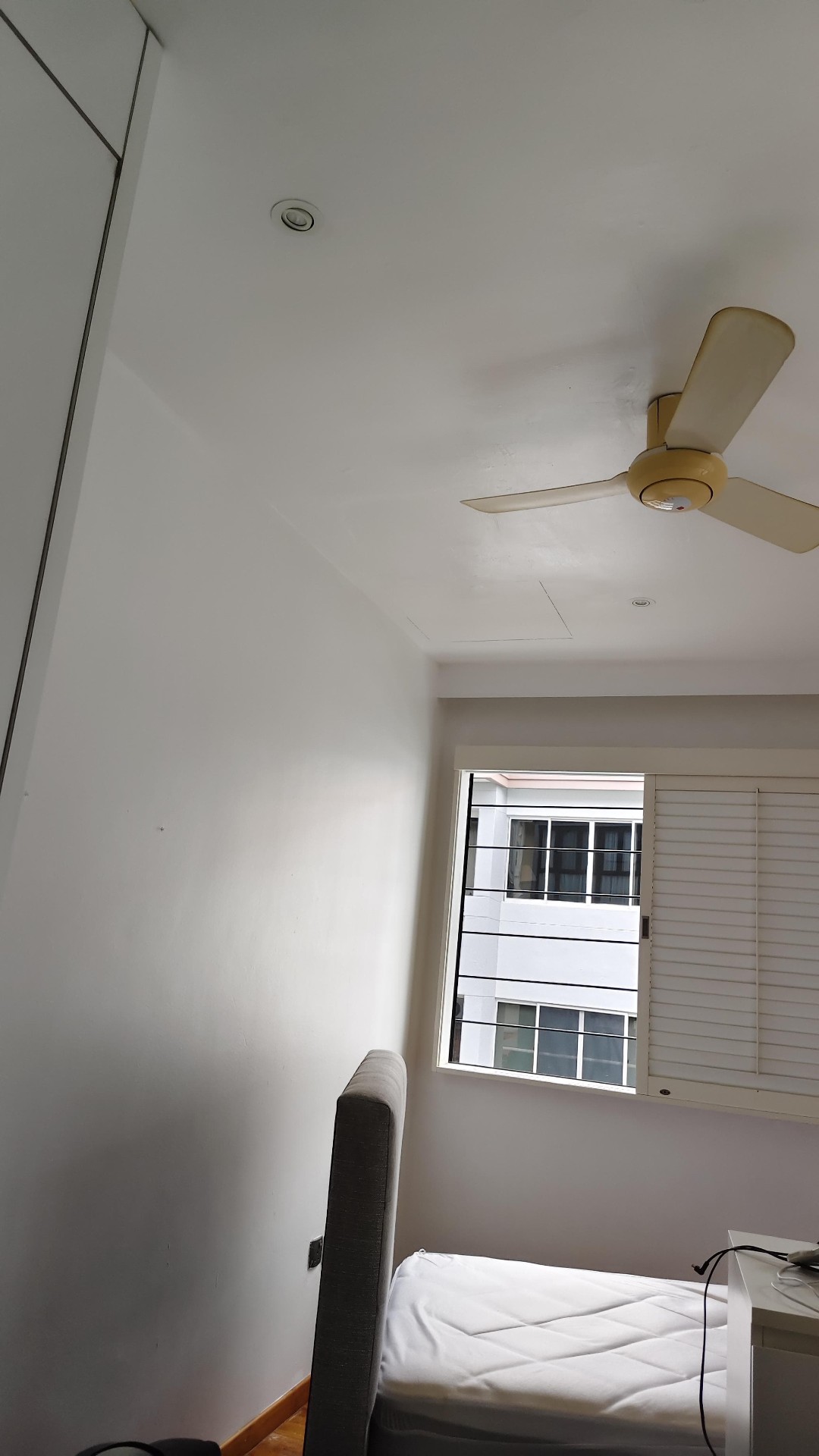
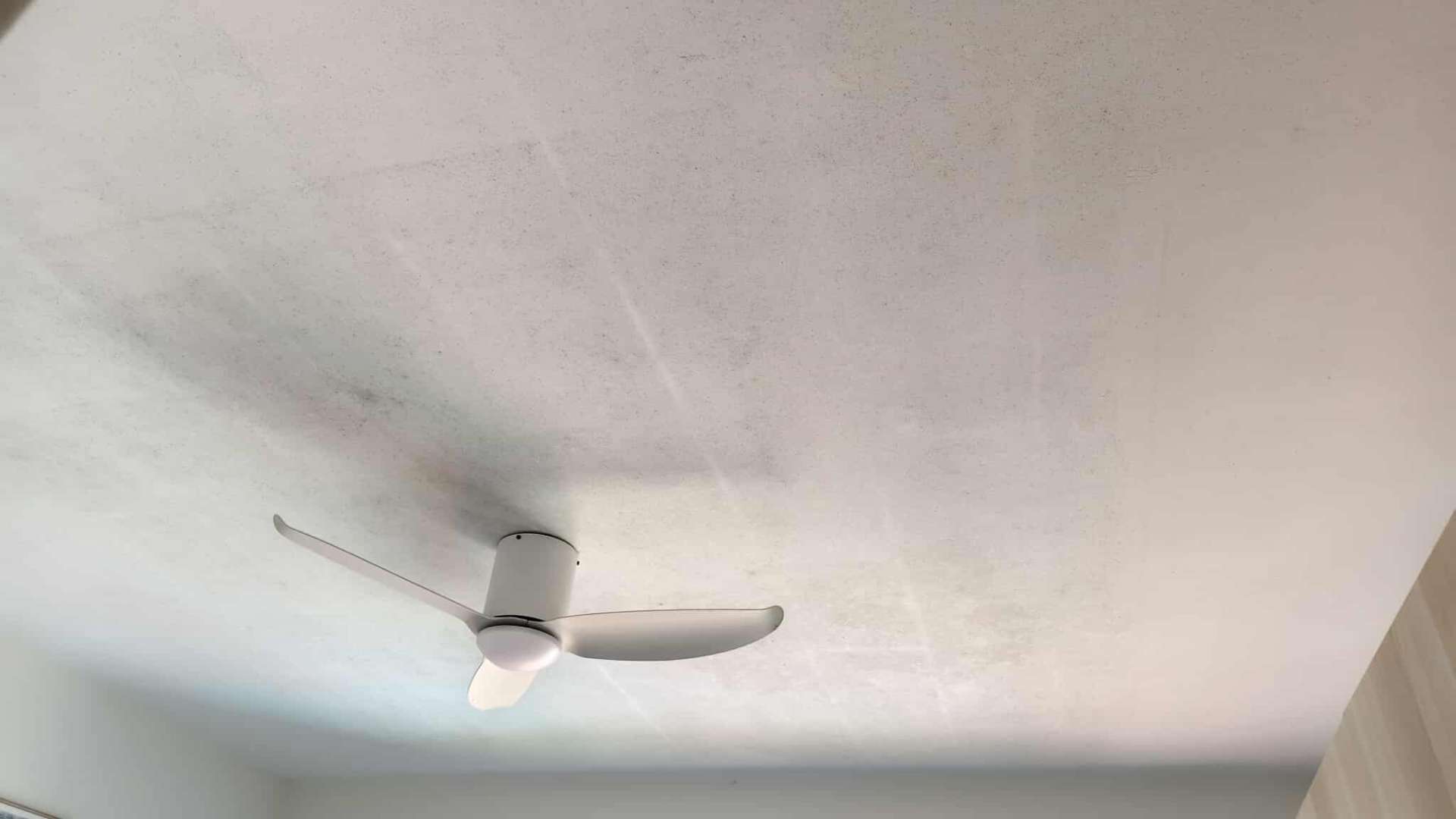
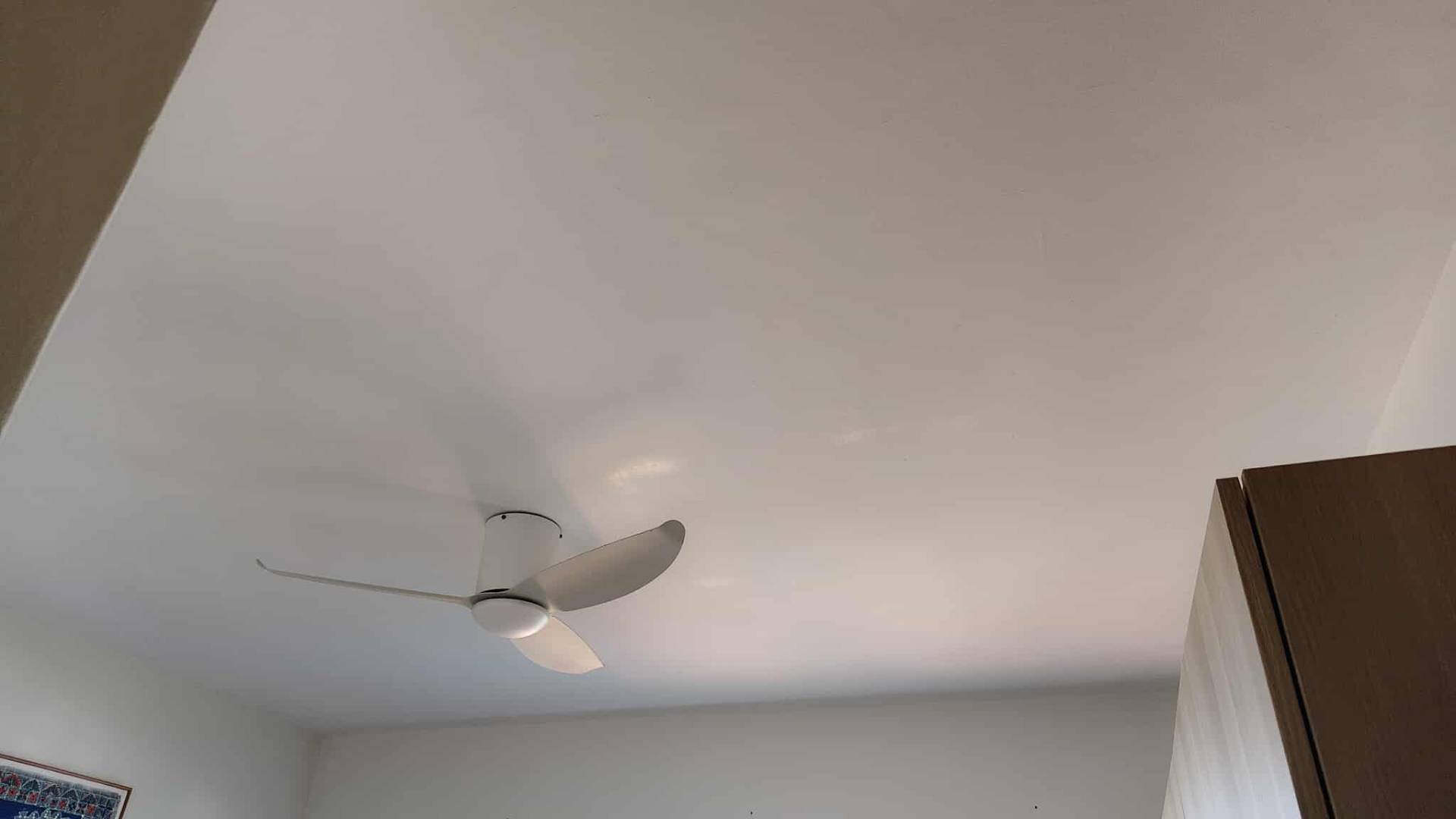
Before & After: Real Singapore Jobs
Documented mould remediation across HDB, condo, landed and commercial spaces.
Products We Use & Recommend
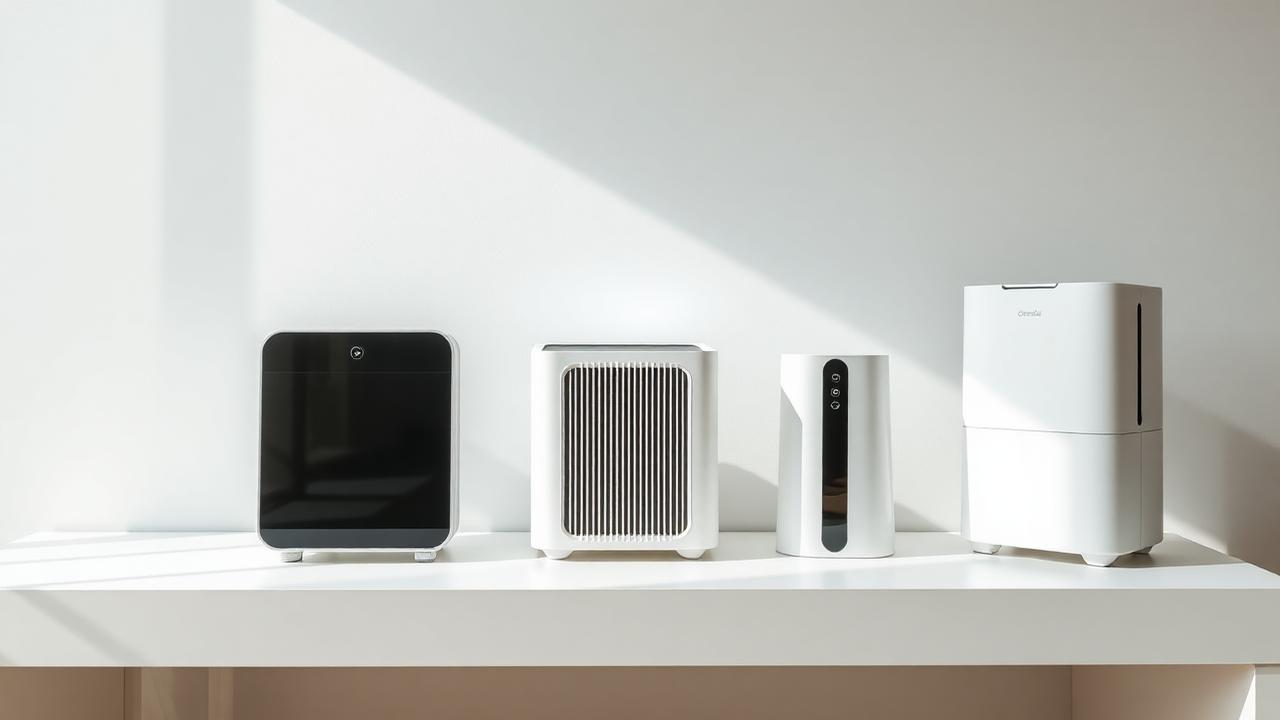
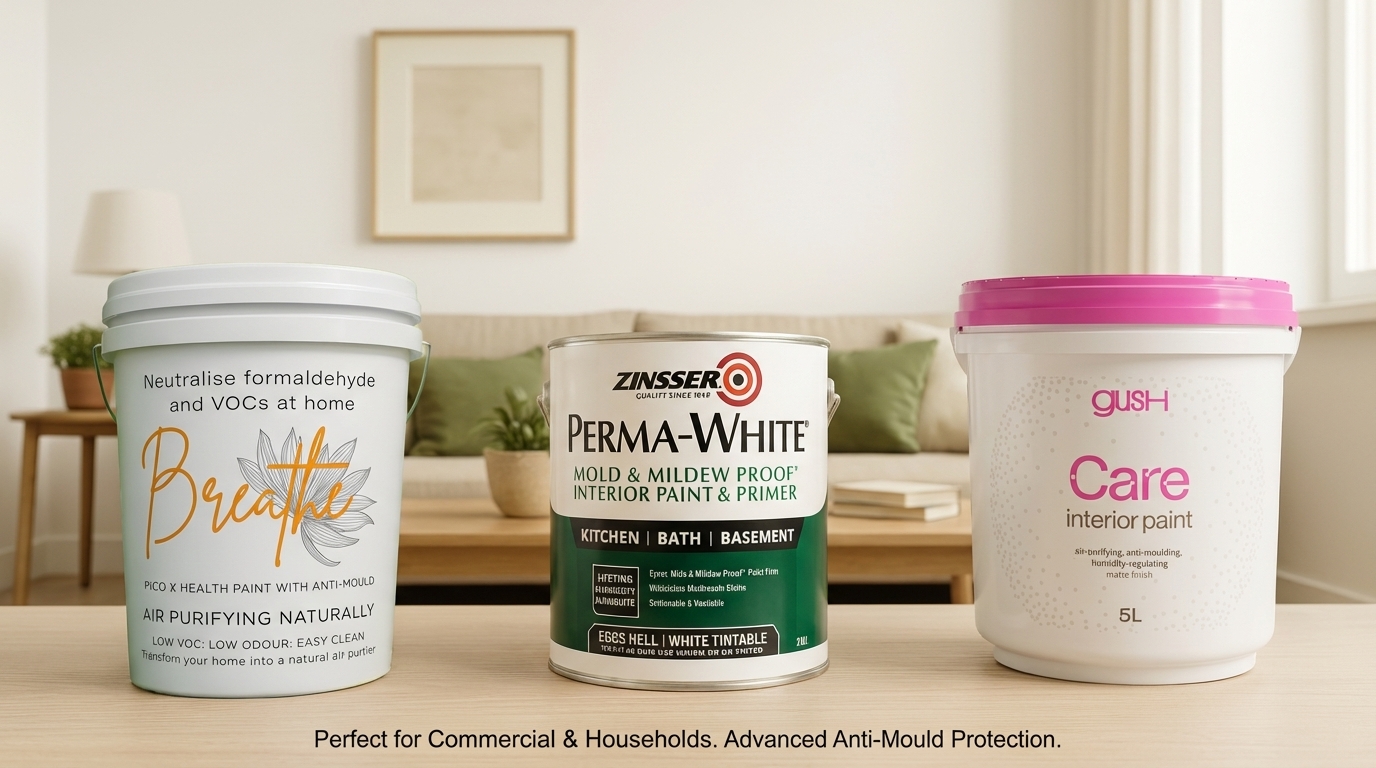
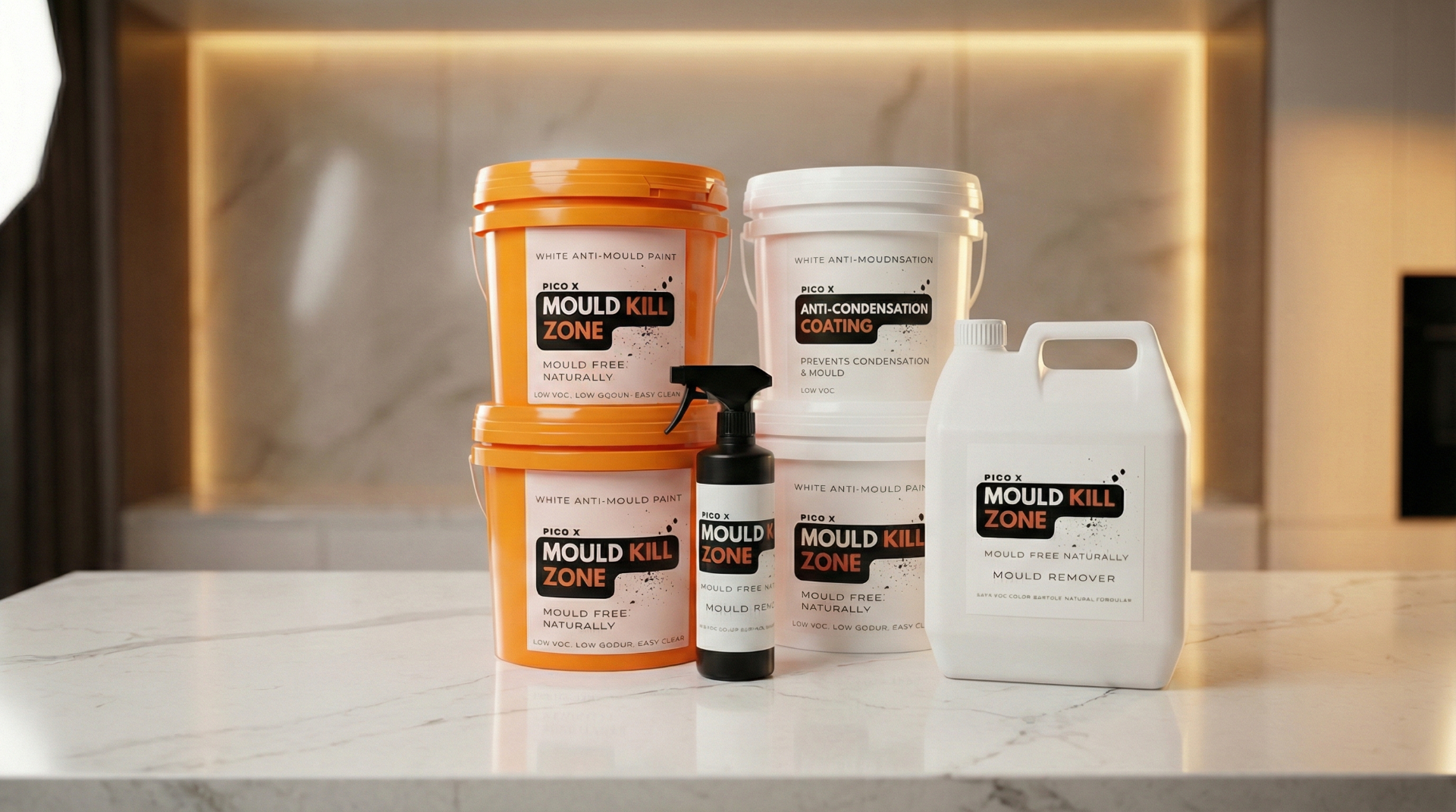
Professional-grade equipment and coatings selected for Singapore's humid climate.
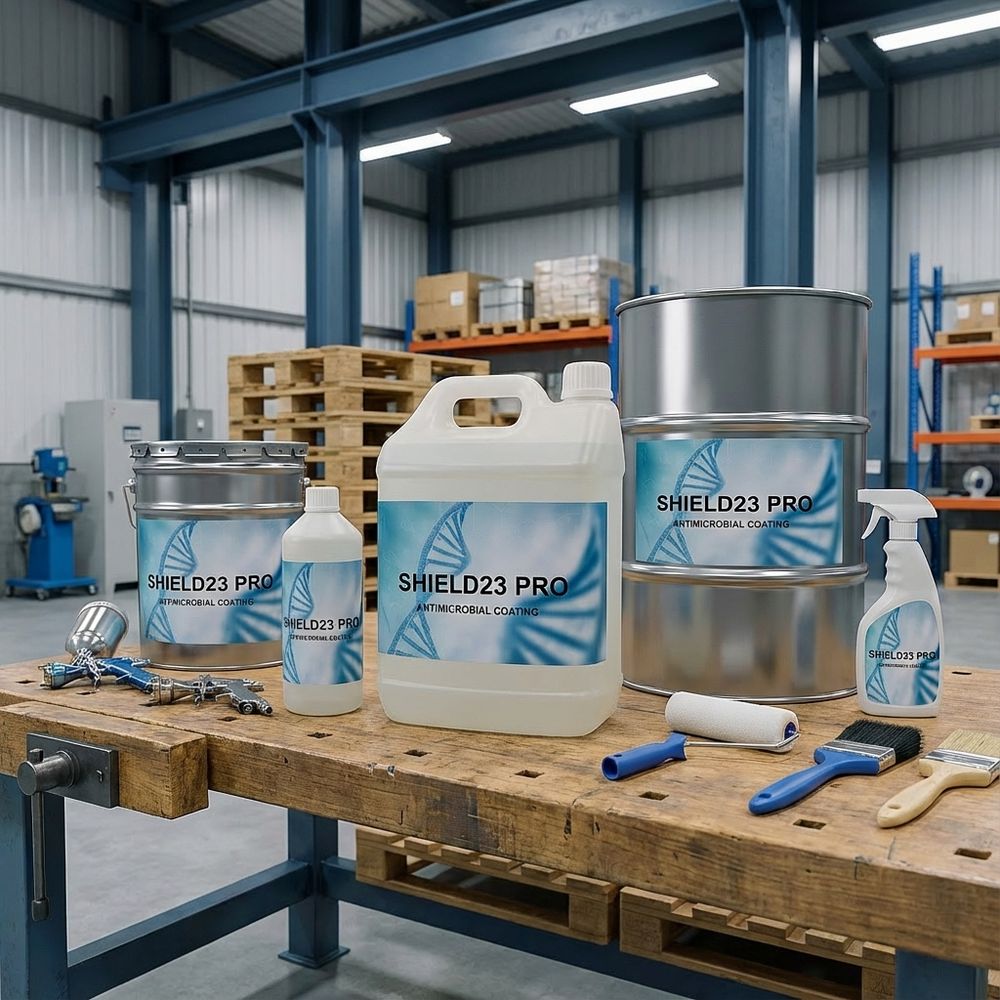
Shield23 Pro — Antimicrobial Coating
Long-life inorganic-ion defense applied by trained Pico X Health technicians across hospitals, F&B, schools, and homes.
Recommended Services
Pico X Health services most relevant to this topic.