Bathroom Exhaust Fan Singapore: Sizing, Cost & Mould-Prevention Guide
Singapore bathrooms run at 80–95% humidity after every shower. A correctly sized exhaust fan is the single most cost-effective mould-prevention tool in your home — provided it's spec'd right, ducted right, and triggered right. This guide covers all three, plus when professional mould removal in Singapore is the better fix.
Get an Installation Quote from $380Quick Answer
A Singapore bathroom needs roughly 8 air changes per hour, which works out to about 50–80 CFM for a typical HDB toilet and 100 CFM+ for a larger master bath — always add 50% for our humidity. Ceiling-mounted ducted fans outperform window-mounted units where a duct path exists. Replacement of a standard HDB fan costs from S$380 installed, and an undersized or dead fan is the single most common cause of recurring bathroom ceiling mould.
Why ventilation, not chemicals, is the mould-prevention answer
Mould needs three things: spores (always in the air), a food source (paint, grout, drywall), and moisture. The first two are unavoidable in Singapore homes. Moisture is the only one you can actually control — and the bathroom is where you lose control fastest. Every shower dumps 1.5–2.5 litres of water into the air; without active extraction it settles on cooler surfaces (ceiling first, then upper walls) and creates a 2–4 hour humidity spike above the 70% mould-growth threshold.
We see this every week on jobs across HDB and condo bathrooms — recurring ceiling mould treated 3 times by 3 different vendors, and not one of them looked at the exhaust fan. Bathroom mould removal without a ventilation fix is treating the symptom; the cause is moisture sitting too long.
Sizing: how many CFM does your Singapore bathroom need?
The simplest rule that actually works: bathroom floor area in sqft × 1.1 = minimum CFM. A typical 4 m² HDB master bath (43 sqft) needs ~50 CFM minimum, but in Singapore's humidity we recommend +50% margin → ~75 CFM. A 6 m² condo master needs 100–120 CFM. For full sizing including ceiling height, ducting length, and double-shower setups, see the exhaust fan CFM calculator.
HDB-specific: why so many HDB exhaust fans don't extract
A large share of pre-2010 HDB bathrooms have an exhaust opening that connects to a vertical riser shaft shared between units — not direct ducting to outside air. When the fan is undersized, dirty, or the shaft is blocked, "extracted" air recirculates back through other units' openings. Full diagnosis in the HDB exhaust fan guide.
Trigger: switch, timer, or humidistat?
Light switch — bad. Timer (15–20 min run-on) — okay. Humidistat — best. The fan keeps running until humidity drops below your set point (typically 65%), guaranteeing the bathroom hits a mould-hostile state before it shuts off. For master bedroom ensuites where noise matters, a silent inline fan + humidistat is the configuration we recommend.
Cost in Singapore
- Standard replacement (KDK / Panasonic ceiling fan) — from $380 all-inclusive
- New install with ducting — from $550
- Inline silent fan + humidistat — from $680
- Bundle with bathroom mould treatment — one visit, no trip or transport charge
Full pricing on the exhaust fan installation service page.
Ceiling-mounted vs window-mounted exhaust fans
Singapore bathrooms generally take one of two exhaust fan formats, and the wrong choice is a common reason mould keeps coming back:
- Ceiling-mounted exhaust fans — the default for HDB and most condo bathrooms. Pulls the wet plume directly off the shower as it rises, then discharges through ducting to a riser shaft or external wall. Best extraction efficiency when the duct run is short and the fan is sized correctly (use the CFM calculator).
- Window-mounted exhaust fans — common in older walk-up flats, landed bathrooms, and any bathroom with an external window. Cheaper to install (no ducting), but only effective if the fan sits high in the window opening; mounted low, it pulls dry air across the floor and leaves the ceiling humid.
Mixed setups are fine — a window fan for bulk air change plus a small ceiling fan over the shower handles a wet HDB master bath well.
When to replace your bathroom exhaust fan
Most Singapore bathroom exhaust fans (ceiling or window) last 7–10 years before extraction drops below the mould-prevention threshold. Replace, don't just clean, when you see any of these:
- Weak suction — a tissue held to the grille no longer sticks when the fan is on.
- Noise or vibration — bearings are worn; airflow is already 30–50% down.
- Water dripping from the grille — extracted moist air is condensing inside a stalled duct.
- Fan is older than 7 years — motor efficiency has decayed even if it still spins.
- Ceiling mould returns within 3 months of cleaning — the fan is the bottleneck, not the paint.
Replacement is straightforward — same-day swap for like-for-like ceiling or window fans from $380. See exhaust fan installation & replacement for the full service.
When the fan isn't enough
If you have visible ceiling mould, blackened grout, or a musty smell that doesn't clear, you're past the prevention window. Combine fan replacement with proper mould removal in Singapore. See also exhaust fan vs dehumidifier for windowless rooms.
Explore the Full Cluster
- HDB Bathroom Exhaust Fans — Duct Faults & Ceiling Mould
- Bedroom Ventilation: Stopping Windowless-Room Wall Mould
- Exhaust Fan Sizing — CFM Calculator for Singapore Bathrooms
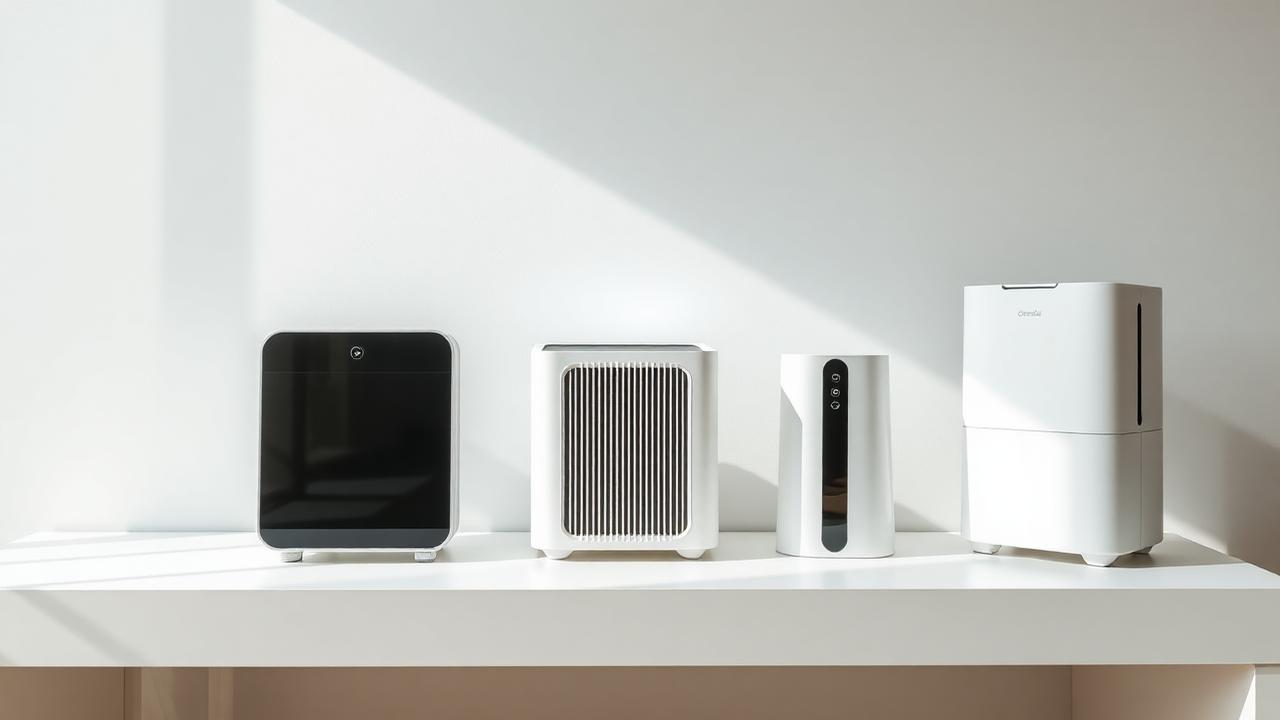
- Exhaust Fan vs Dehumidifier — Which Actually Prevents Mould?
- Signs Your Exhaust Fan Needs Replacing (Before Mould Returns)
- Service: Exhaust Fan Installation from $380
Frequently Asked Questions
Why is a bathroom exhaust fan the single biggest mould-prevention tool?
Singapore bathrooms hit 80–95% humidity after a shower and stay above the mould-growth threshold for hours without extraction. A correctly sized fan clears the moisture in 15–20 minutes.
What CFM do I need?
Floor area sqft × 1.1 = minimum CFM. Use +50% margin in Singapore humidity.
Switch, timer, or humidistat?
Humidistat is best — the fan only stops when humidity is mould-hostile.
Will a new fan stop ceiling mould?
Yes, paired with proper ceiling treatment. Fan alone prevents new growth; treatment kills existing mould.
How much does installation cost?
From $380 all-inclusive for standard replacement. $550+ for new install with ducting.
Already Have Ceiling Mould?
Fix the cause AND the symptom. Treat the existing mould with our mould removal service + replace the failing exhaust fan in a single visit.
Bundle Quote on WhatsAppOur Team in Action
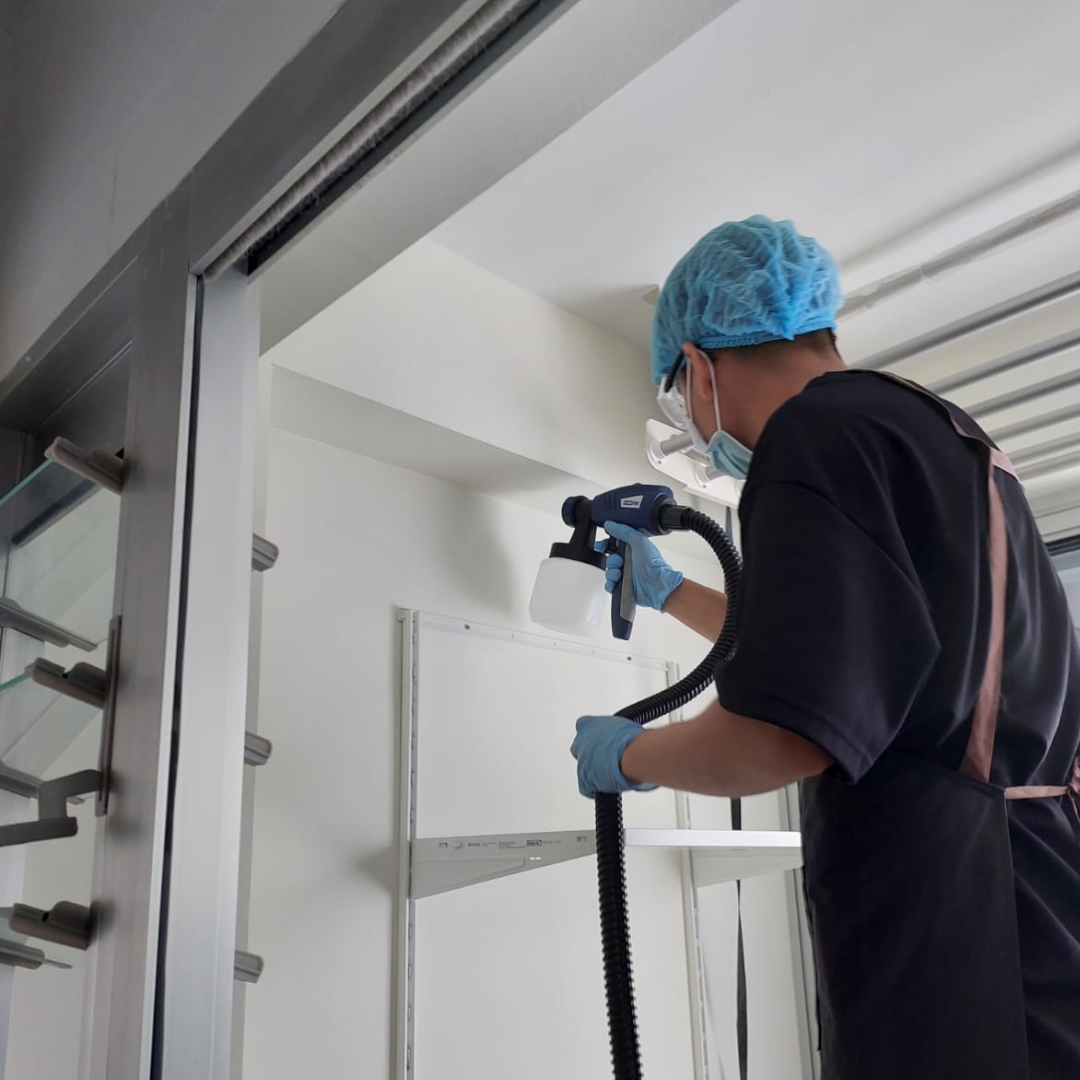
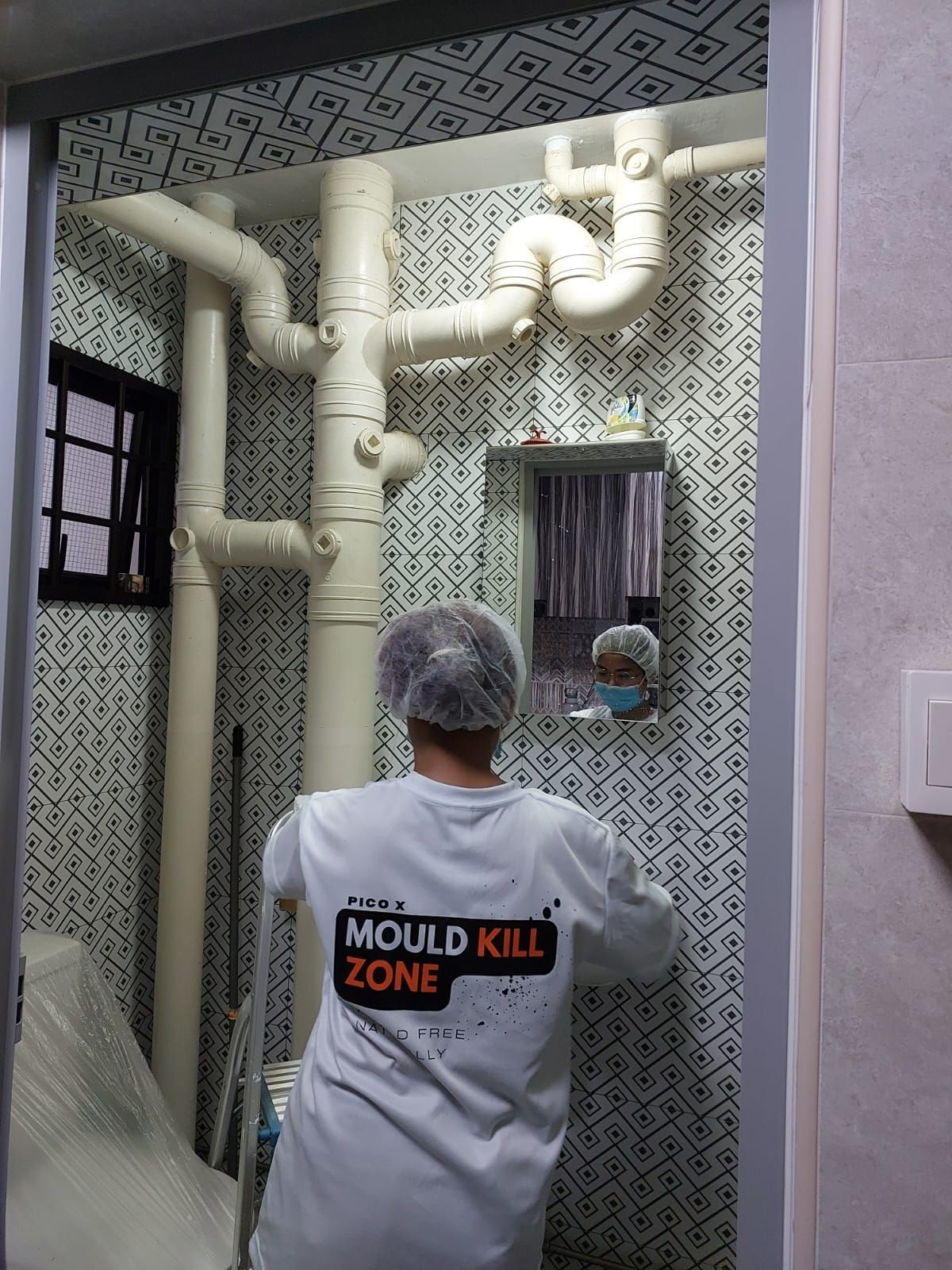
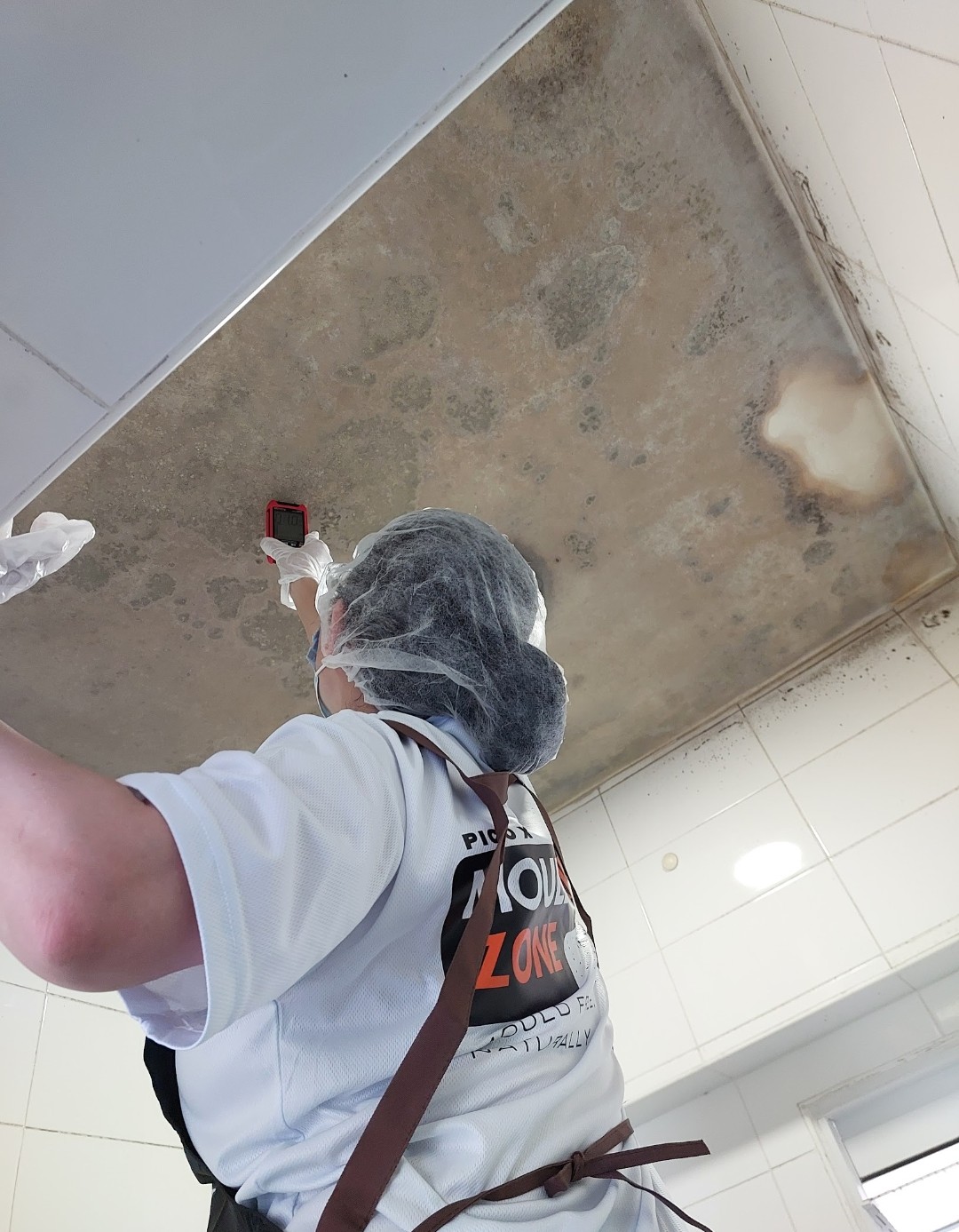
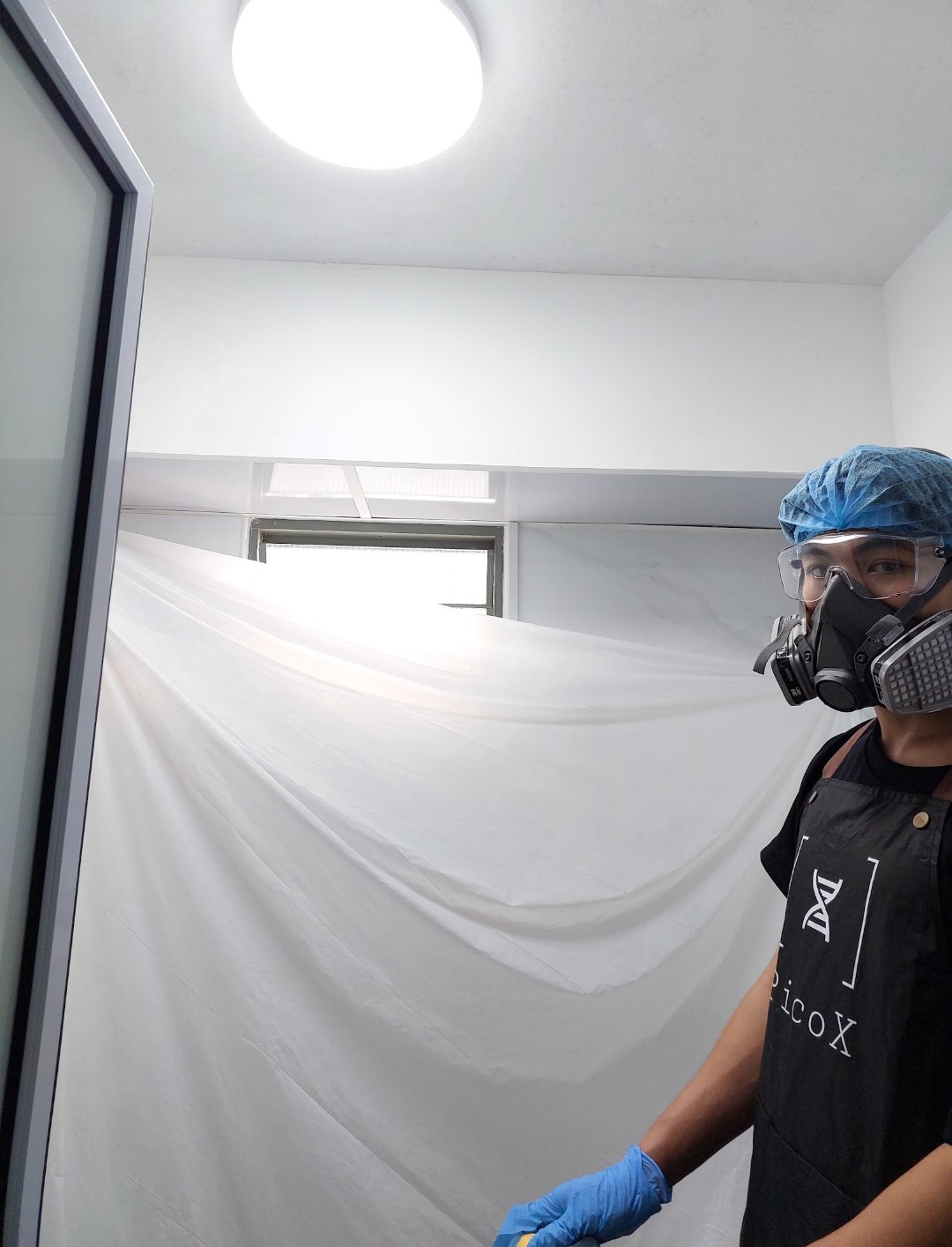
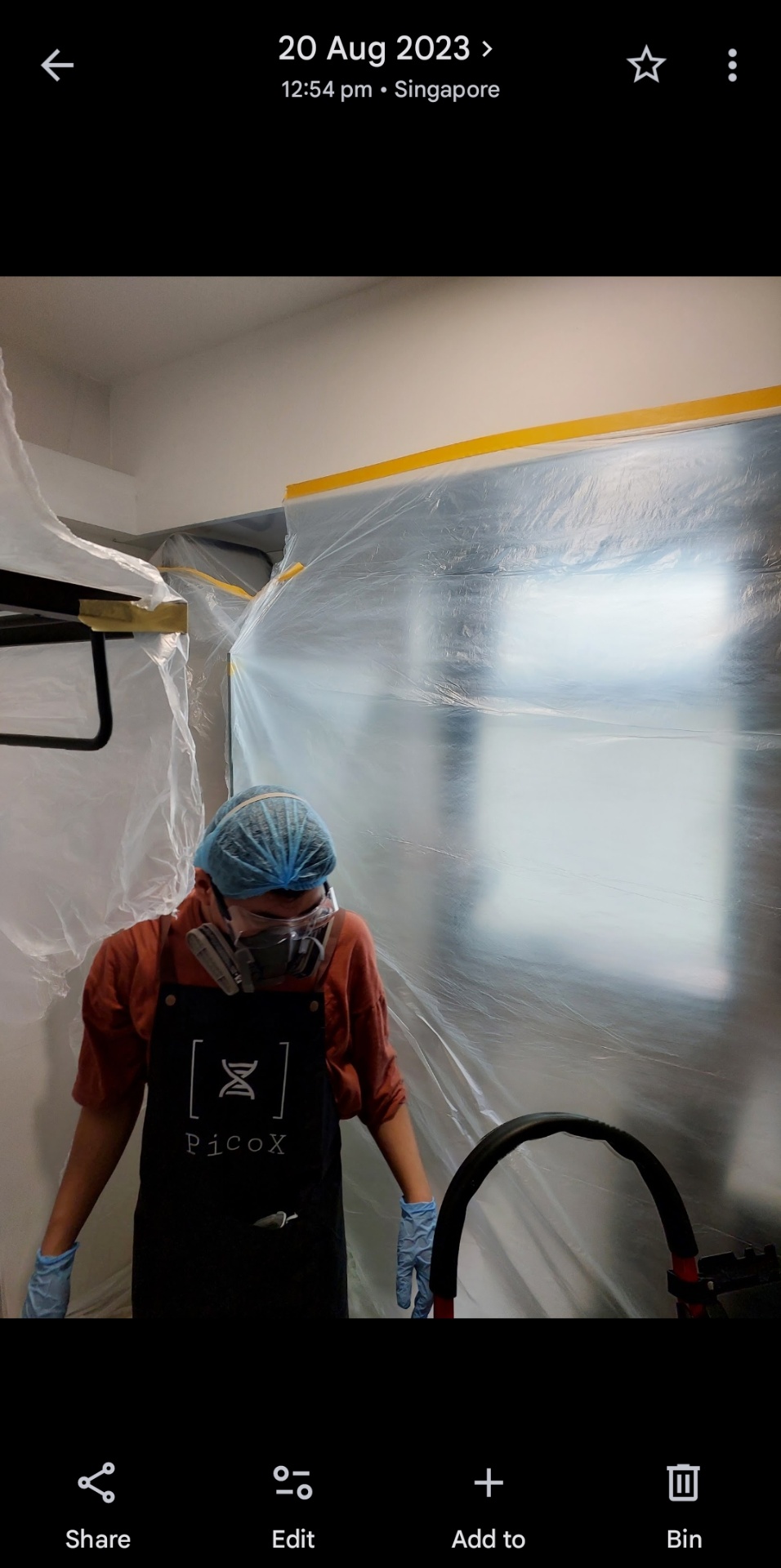
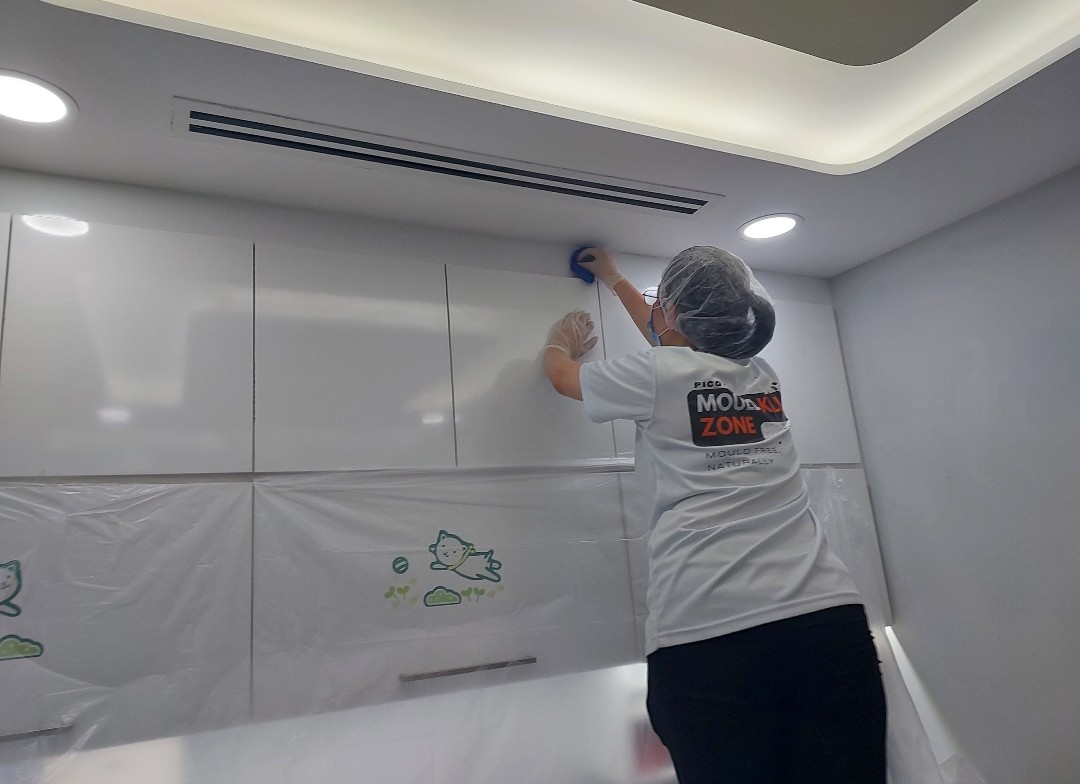
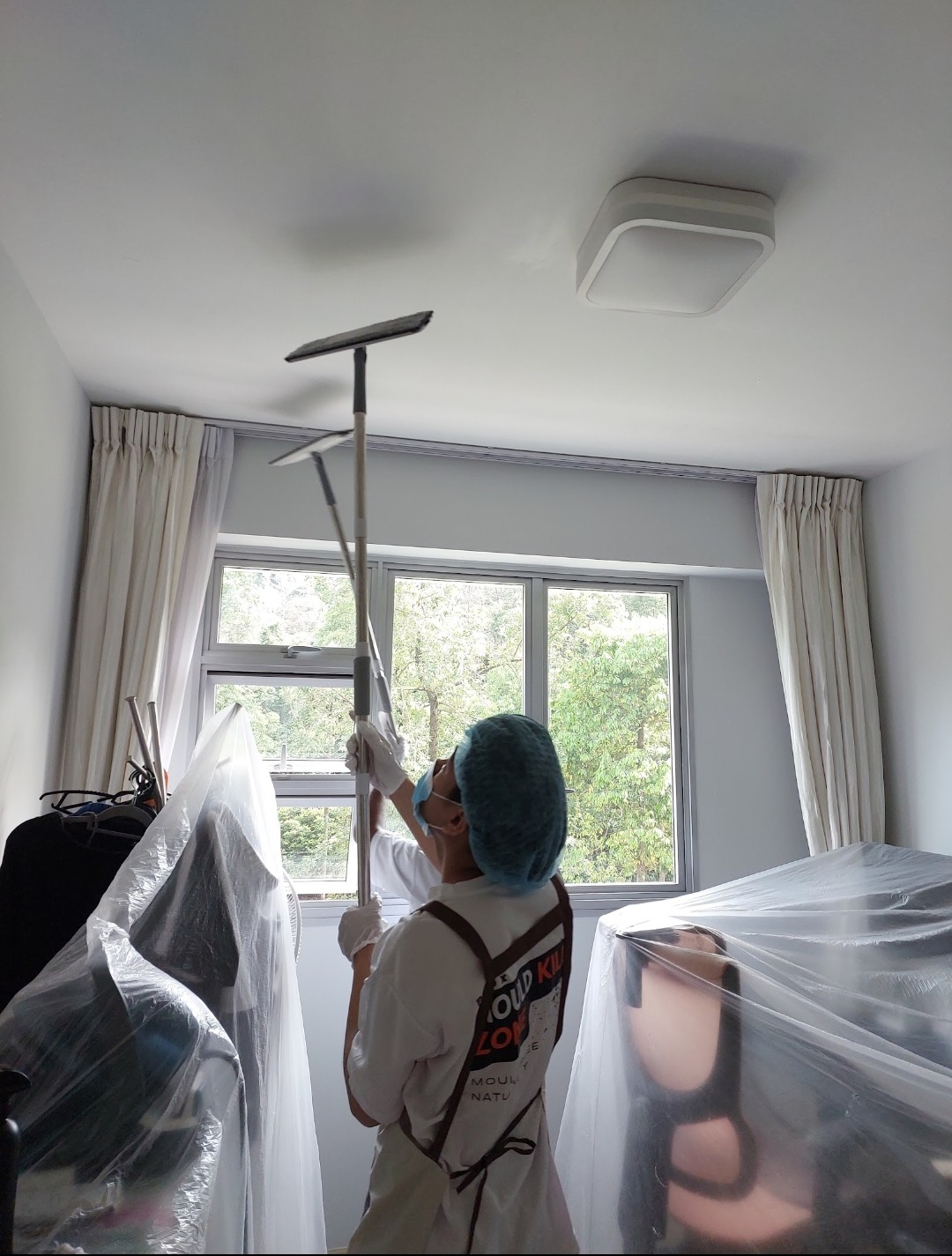
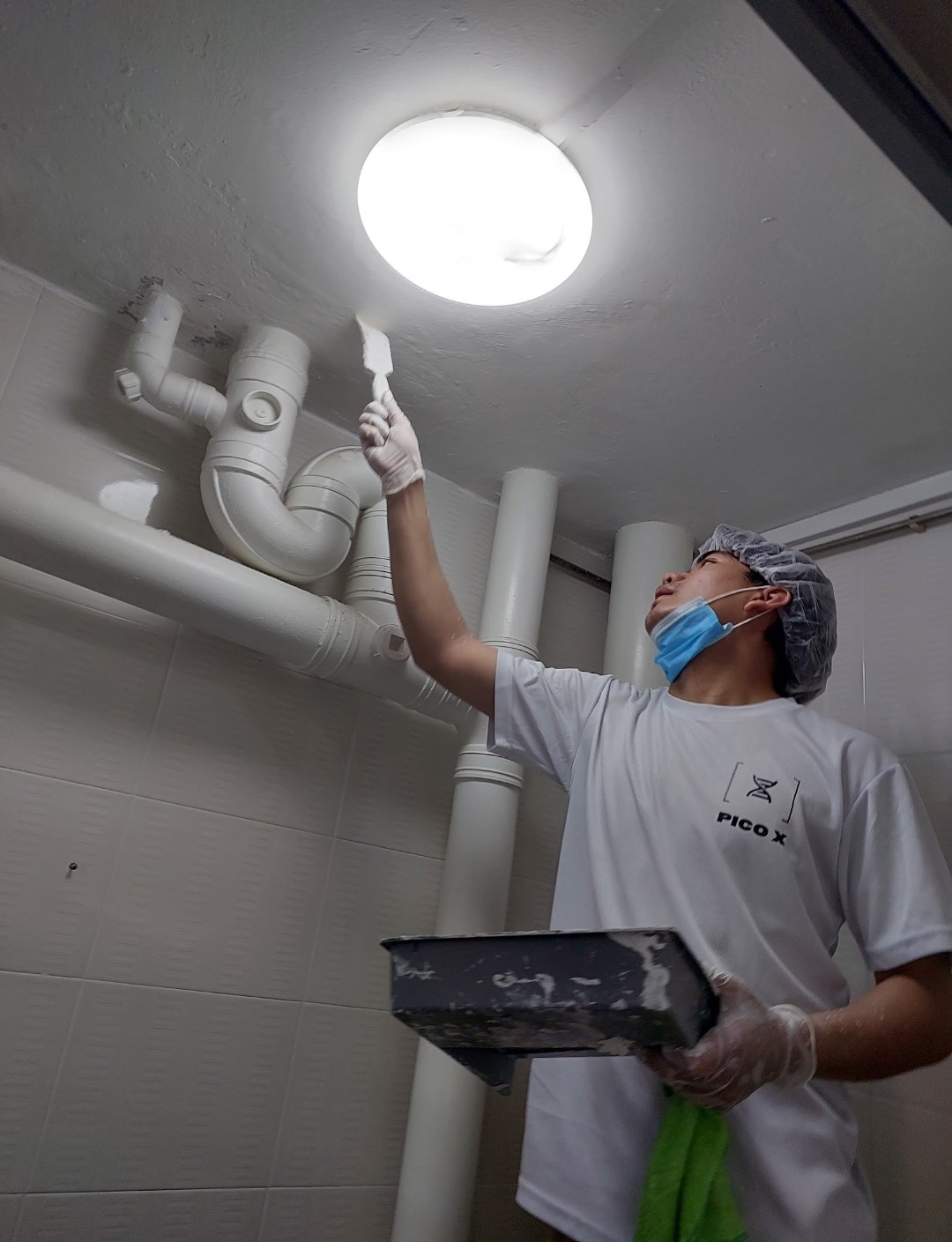
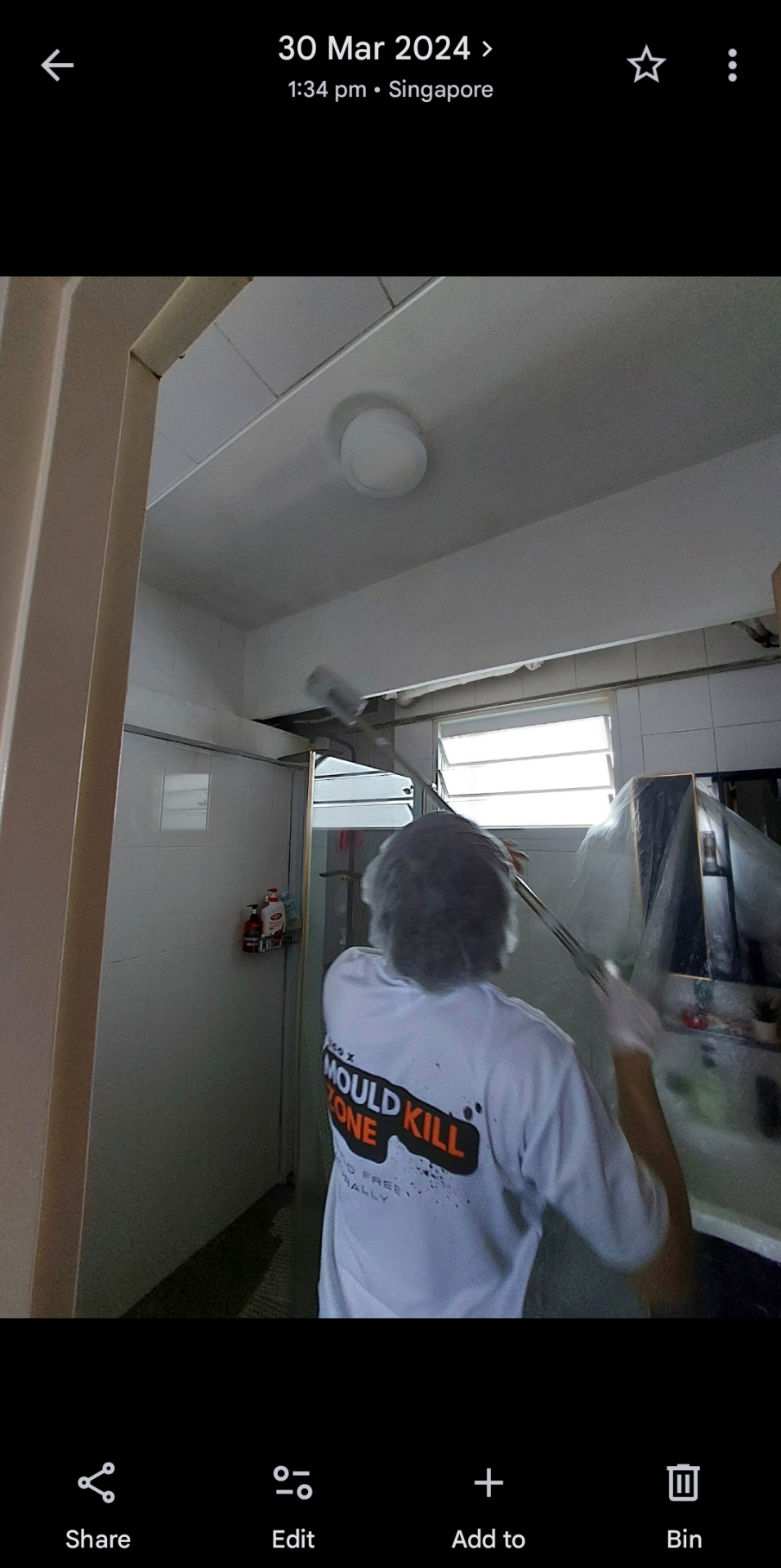
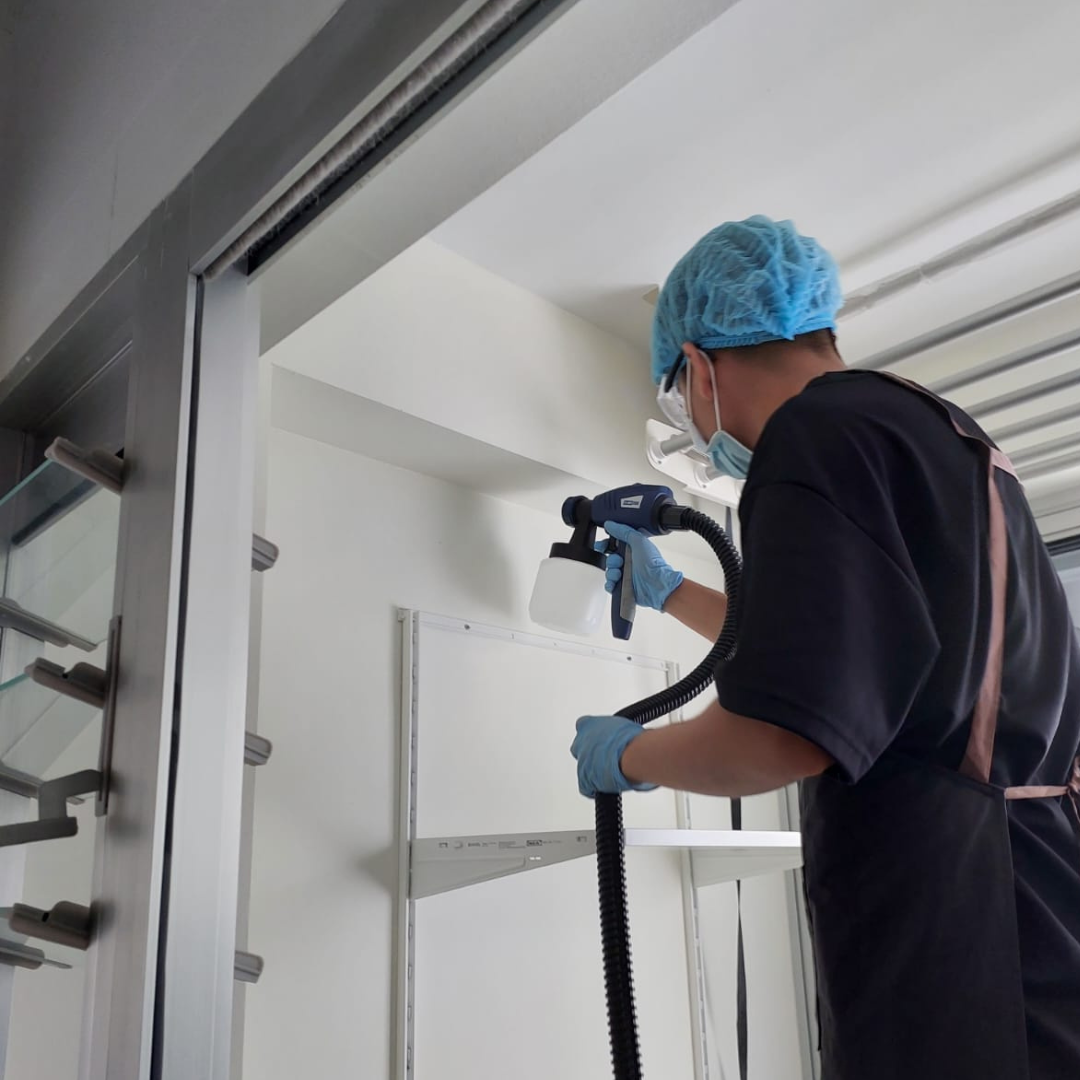
Trained Pico X Health technicians follow strict containment, PPE, and protocols on every job in Singapore.
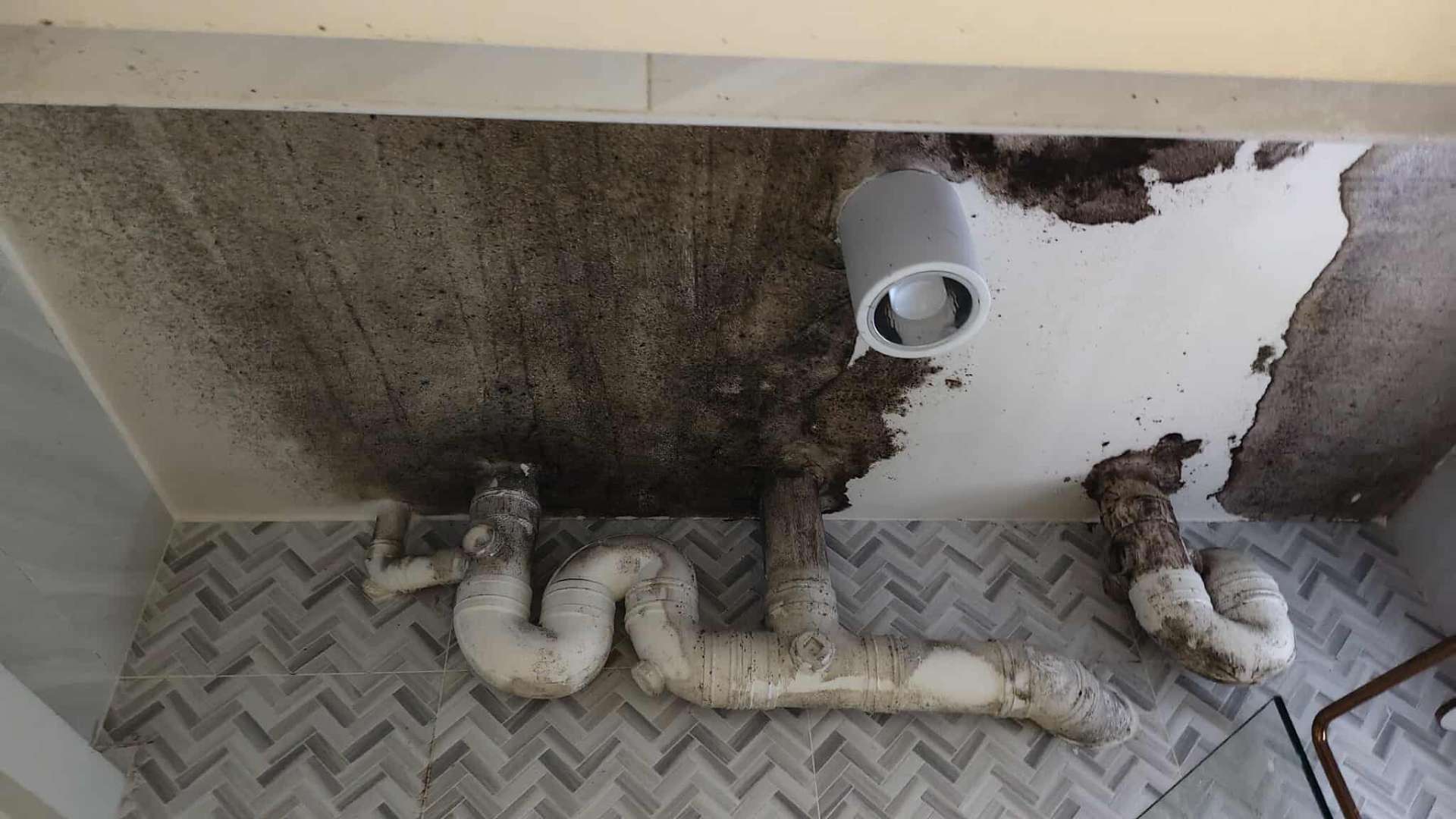
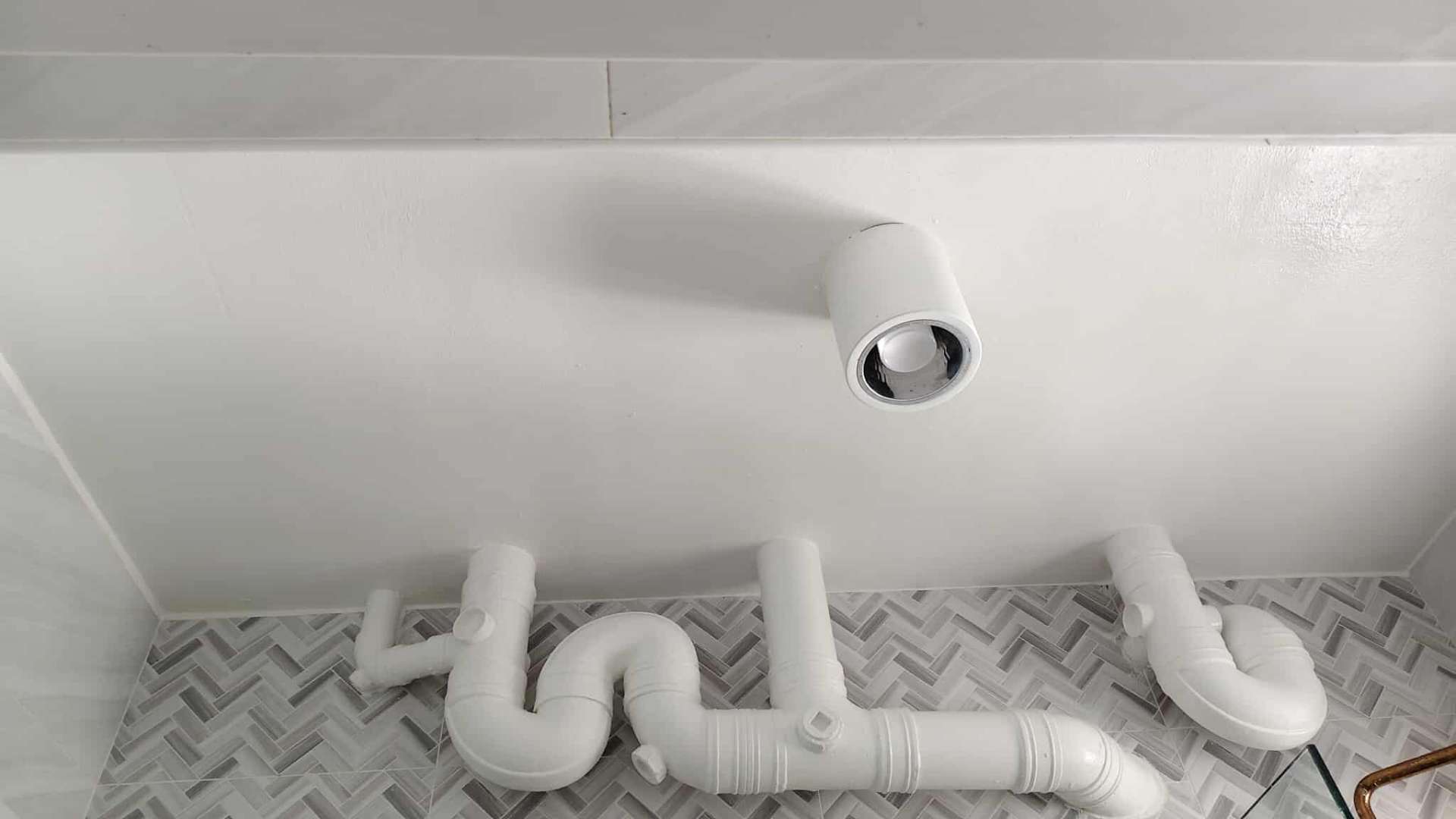
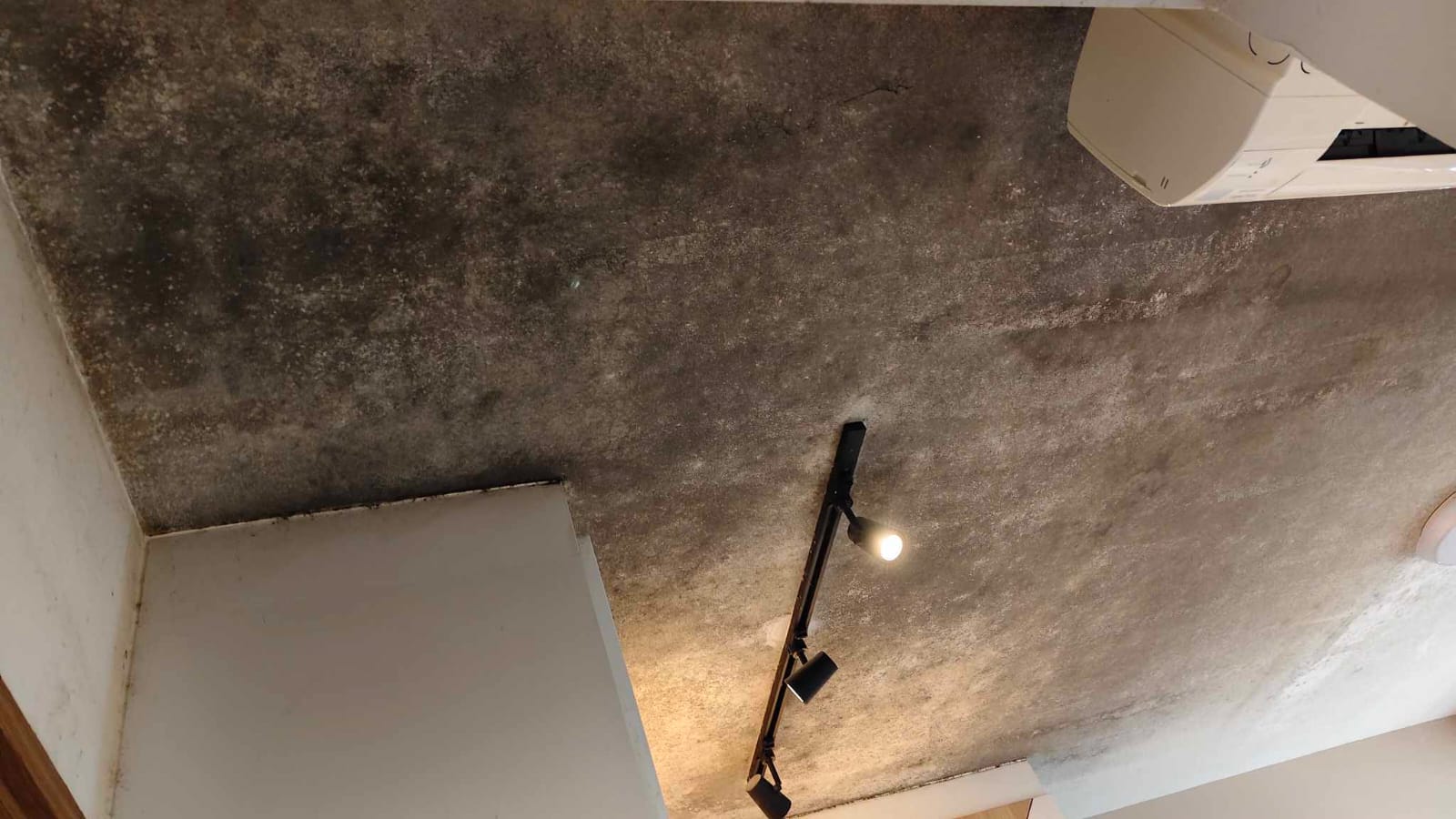
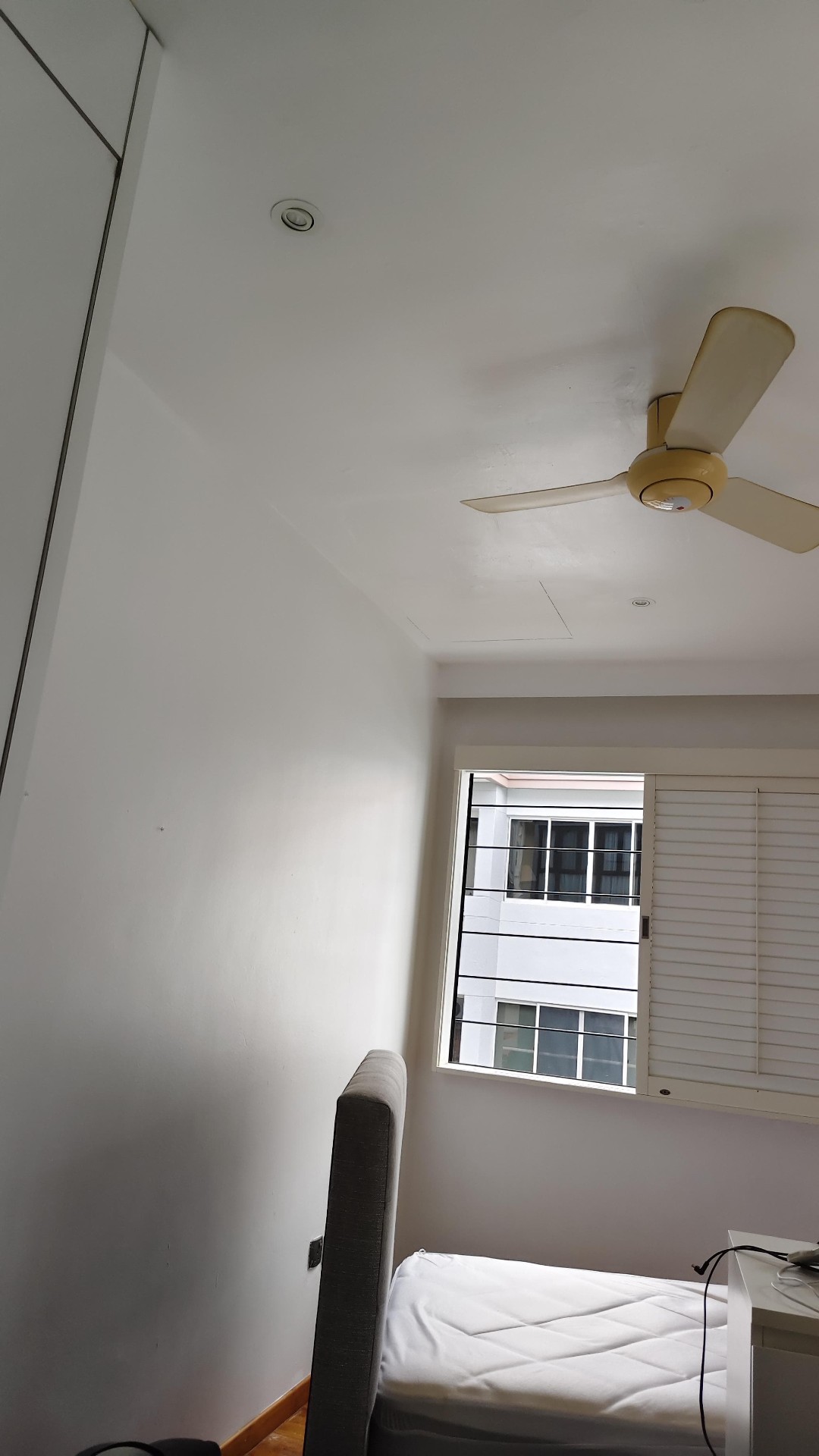
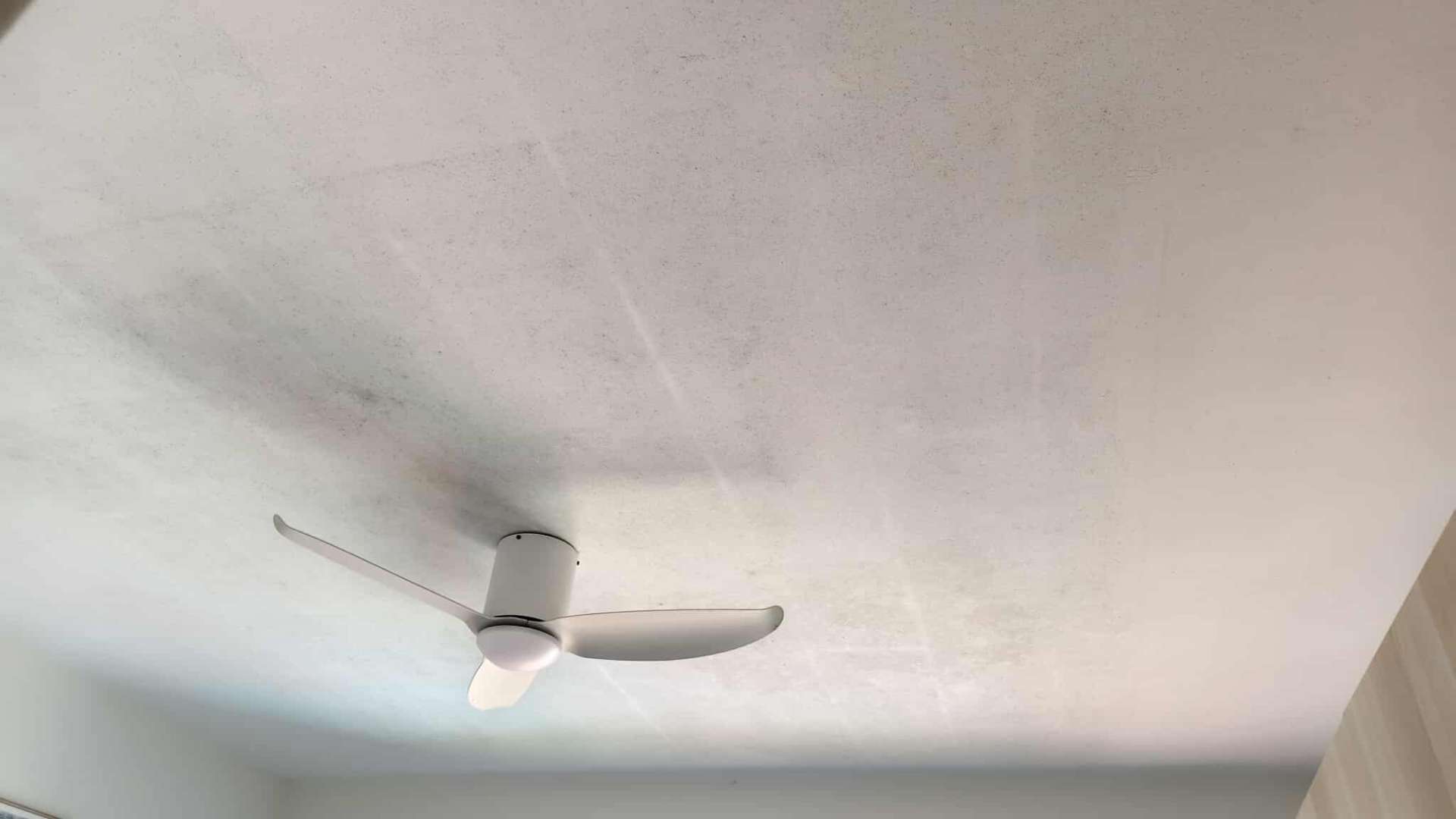
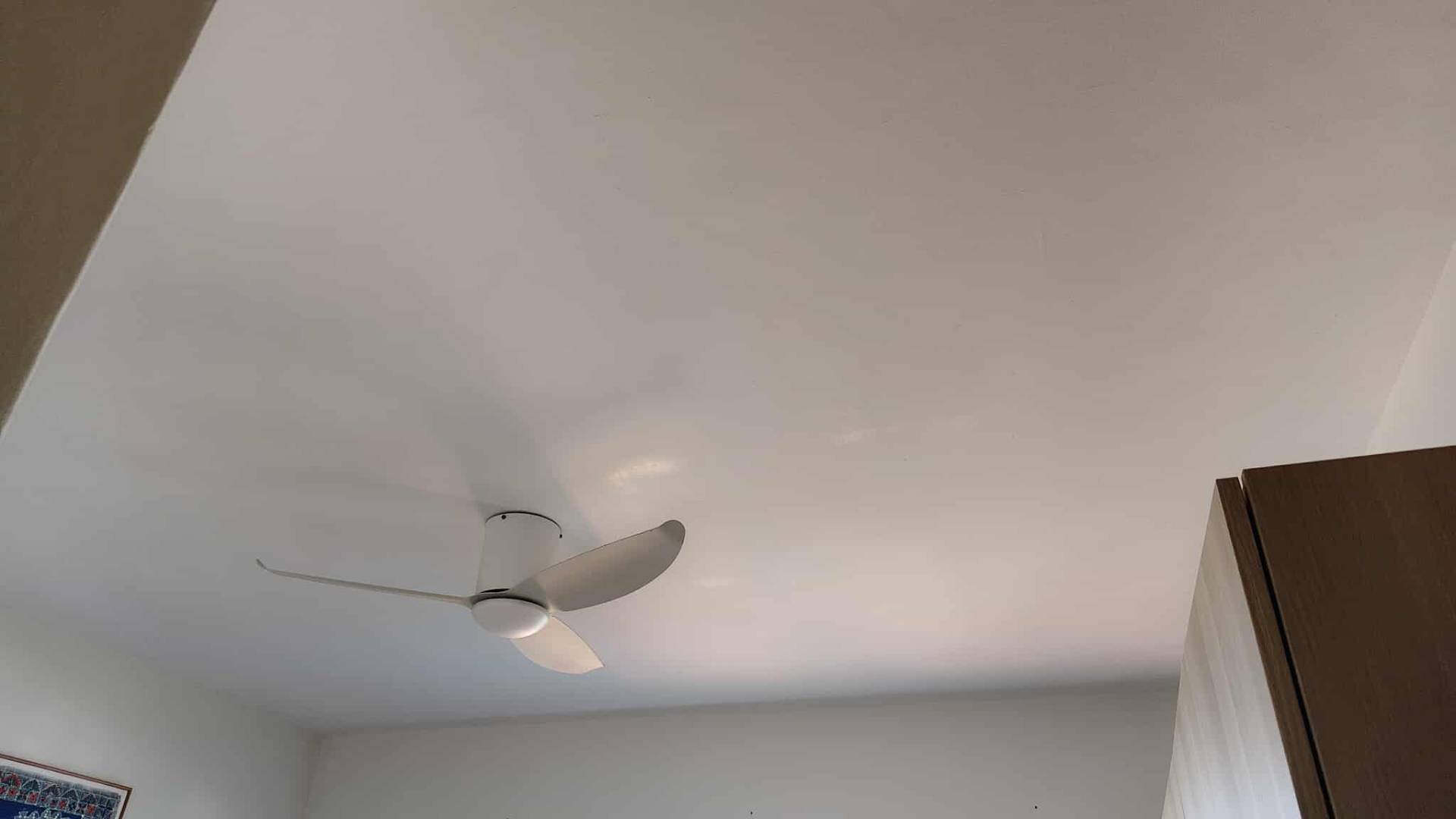
Before & After: Real Singapore Jobs
Documented mould remediation across HDB, condo, landed and commercial spaces.
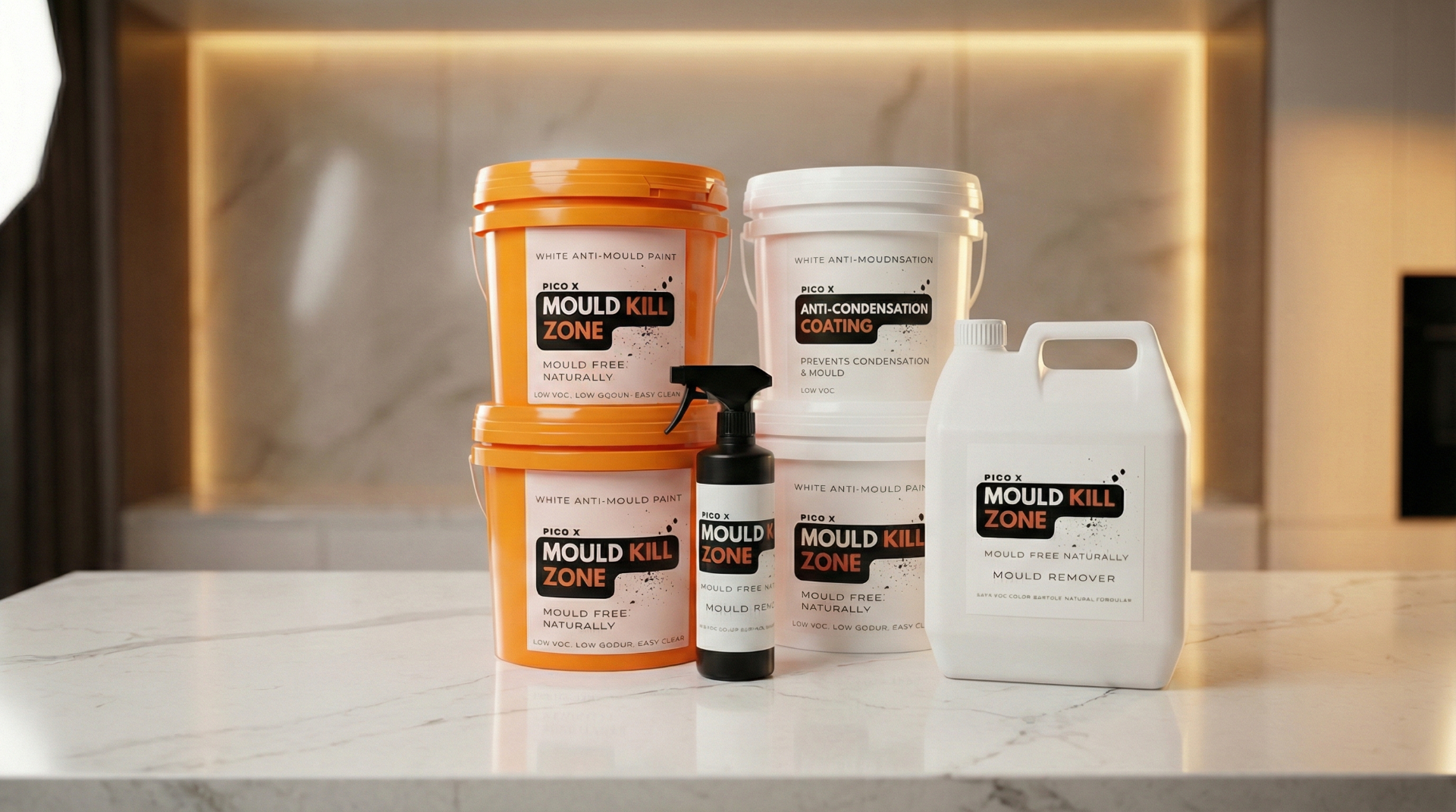
Products We Use & Recommend
Professional-grade equipment and coatings selected for Singapore's humid climate.

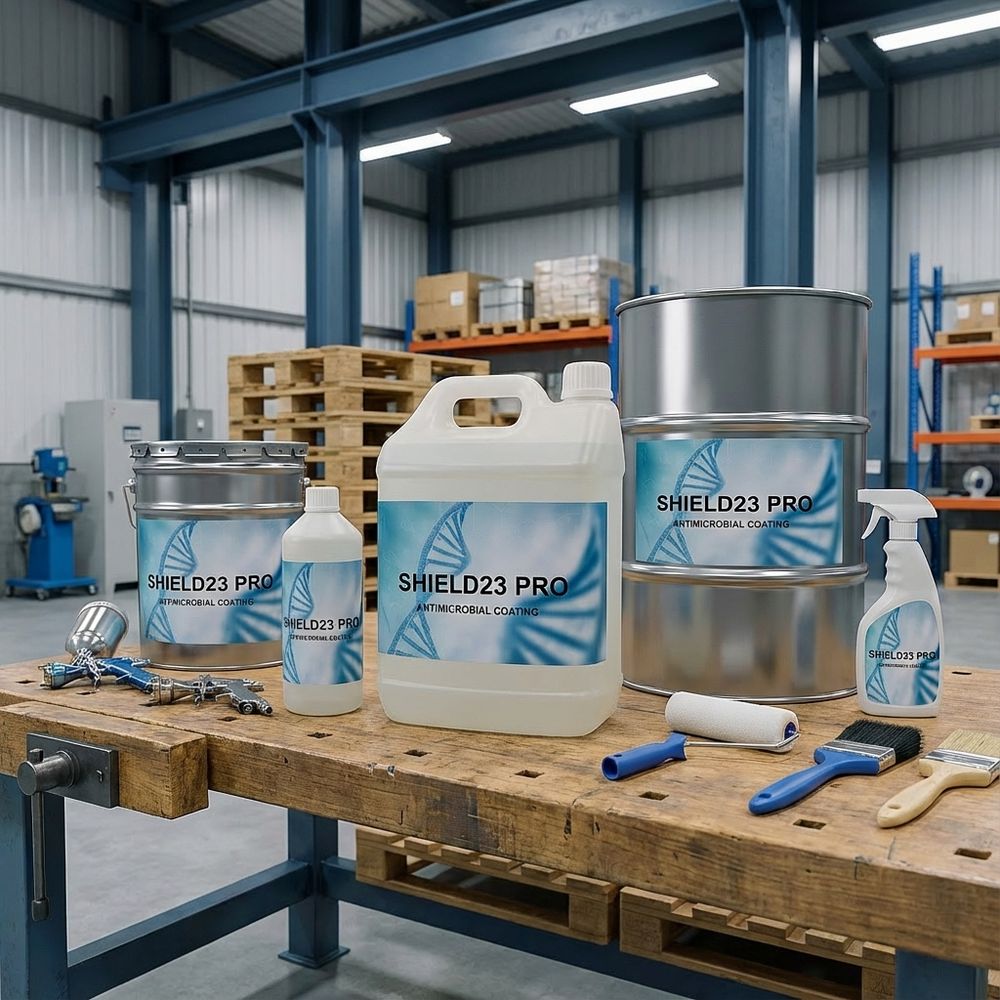
Shield23 Pro — Antimicrobial Coating
Long-life inorganic-ion defense applied by trained Pico X Health technicians across hospitals, F&B, schools, and homes.
Recommended Services
Pico X Health services most relevant to this topic.