Exhaust Fan vs Dehumidifier — Which Actually Prevents Mould?
Both remove moisture, but they solve different problems. An exhaust fan moves moist air OUT of the room; a dehumidifier extracts water from the air staying IN the room. The right choice depends on whether you have a path to outside air. This guide breaks down which to pick for each Singapore room type.
Back to Bathroom Exhaust Fan Singapore PillarQuick Answer
Use an exhaust fan when the room has a path to outside air — it removes moist air entirely and costs a few dollars a month to run. Use a dehumidifier only in rooms with no duct or window, such as a bomb shelter, walk-in wardrobe or windowless store, where it holds the space at 45–55% RH. For a Singapore bathroom the fan wins on both cost and mould prevention; a dehumidifier is a supplement, never a substitute.
Exhaust fan — strengths and limits
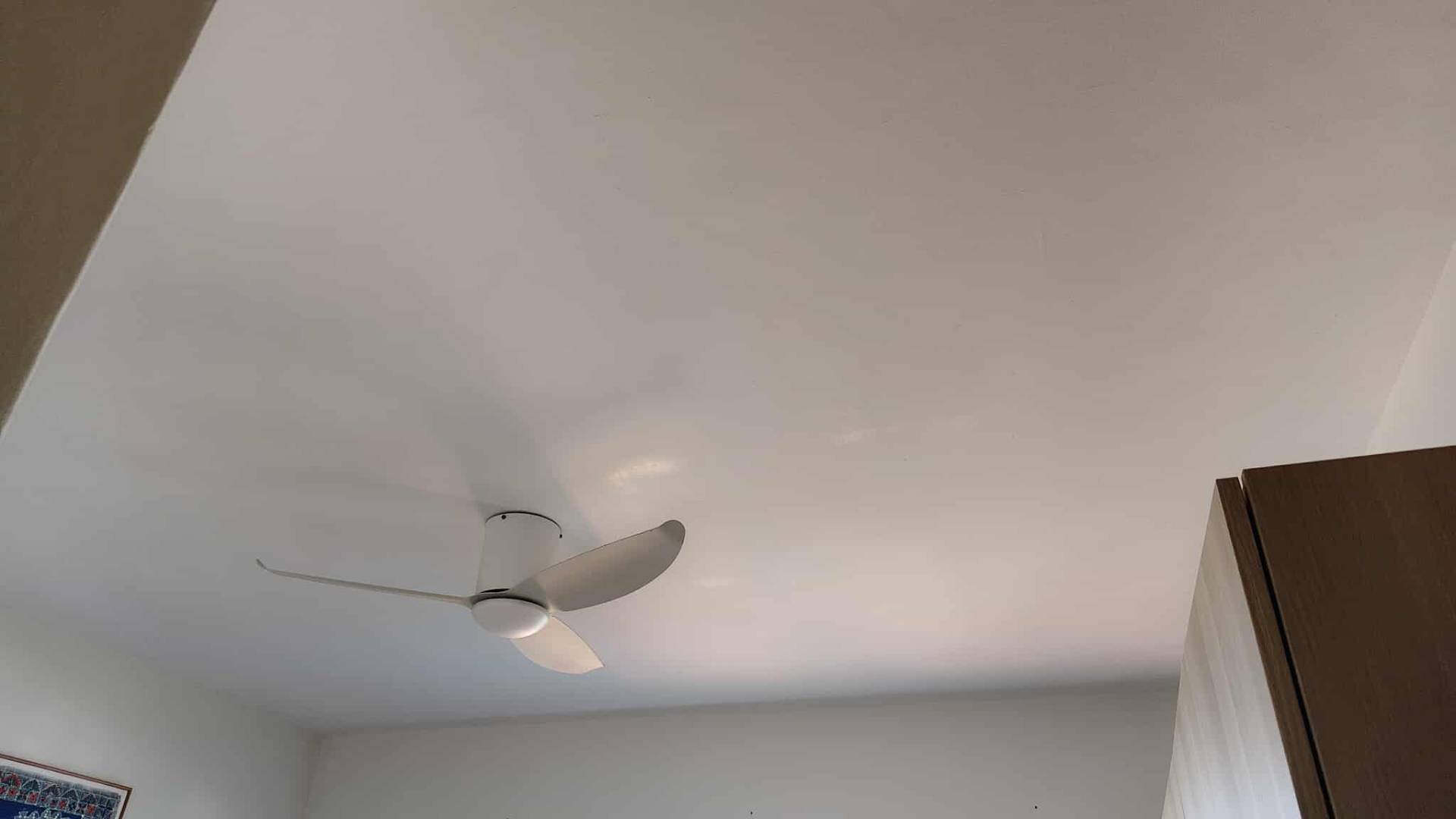
Strengths: cheap to run ($1–2/month), low maintenance, silent inline models exist, single-visit installation. Limits: needs ducting to outside, useless in windowless rooms with no external wall, can't reduce humidity below outdoor ambient. Best for: bathrooms, kitchens, any room with an external wall or existing duct.
Dehumidifier — strengths and limits
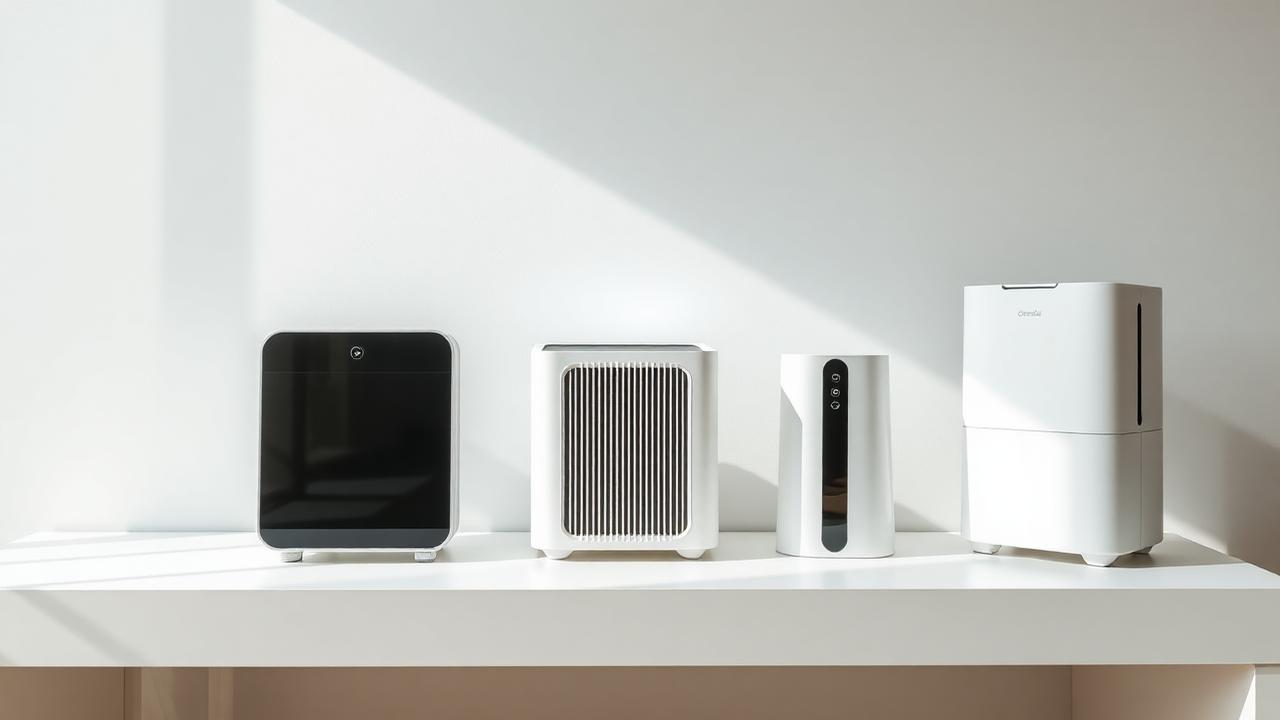
Strengths: works in any room (no ducting needed), can drop humidity to 45–55% (well below outdoor ambient), portable. Limits: $40–80/month electricity for daily use, must empty water tank or run a drain hose, generates heat (rooms get 1–2 °C warmer), noisy (40–50 dB typical). Best for: windowless bedrooms, walk-in wardrobes, bomb shelters, storerooms.
Cost-of-ownership comparison (3-year horizon)
Exhaust fan (KDK + install + electricity): ~$420 total over 3 years. Mid-range dehumidifier (Sharp/Novita 20L + electricity at 4 hr/day): ~$2,100 total over 3 years. The fan is 5x cheaper if you can use one. The dehumidifier wins only when ducting outside isn't an option.
When to use both
Large condo master suites with both an external-wall bathroom AND a walk-in wardrobe benefit from a fan in the bathroom + a small dehumidifier in the wardrobe. Don't double up in the same room — they fight each other. For severe asthma households we recommend fan + dehumidifier in the bedroom regardless.
Most "the bathroom is too humid" complaints in Singapore HDB and condo flats trace back to a weak or end-of-life ceiling or window exhaust fan, not a missing dehumidifier. A like-for-like replacement (from $380) usually fixes it for a fraction of a dehumidifier's purchase price + running cost. Confirm your target capacity with the CFM calculator, then see the bathroom exhaust fan pillar for ceiling vs window options and replacement signs.
For surface mould you can already see, jump straight to professional mould removal in Singapore. For the full topic, see the Bathroom Exhaust Fan Singapore pillar.
Frequently Asked Questions
Will a dehumidifier prevent mould as well as a fan?
Yes, often better — because it can drop humidity to 45–55%, well below the 70% mould threshold. The tradeoff is running cost and noise. In closed rooms a dehumidifier outperforms a fan; in bathrooms a fan outperforms a dehumidifier on cost.
Which uses less electricity in Singapore?
Exhaust fan, by a factor of 10–20. A 30W fan running 1 hour/day uses ~1 kWh/month ($0.30). A 300W dehumidifier running 4 hours/day uses ~36 kWh/month ($11).
Can a dehumidifier replace a broken bathroom fan?
Not realistically. Bathroom moisture spikes are short (30 min) and intense. A dehumidifier responds too slowly and would need to be the size of a small fridge to keep up. Fix the fan; use the dehumidifier in connected rooms (bedroom adjacent to bathroom) if needed.
Need a bathroom fan instead? Installation from $380 — KDK/Panasonic + 1-year warranty.
WhatsApp UsOur Team in Action
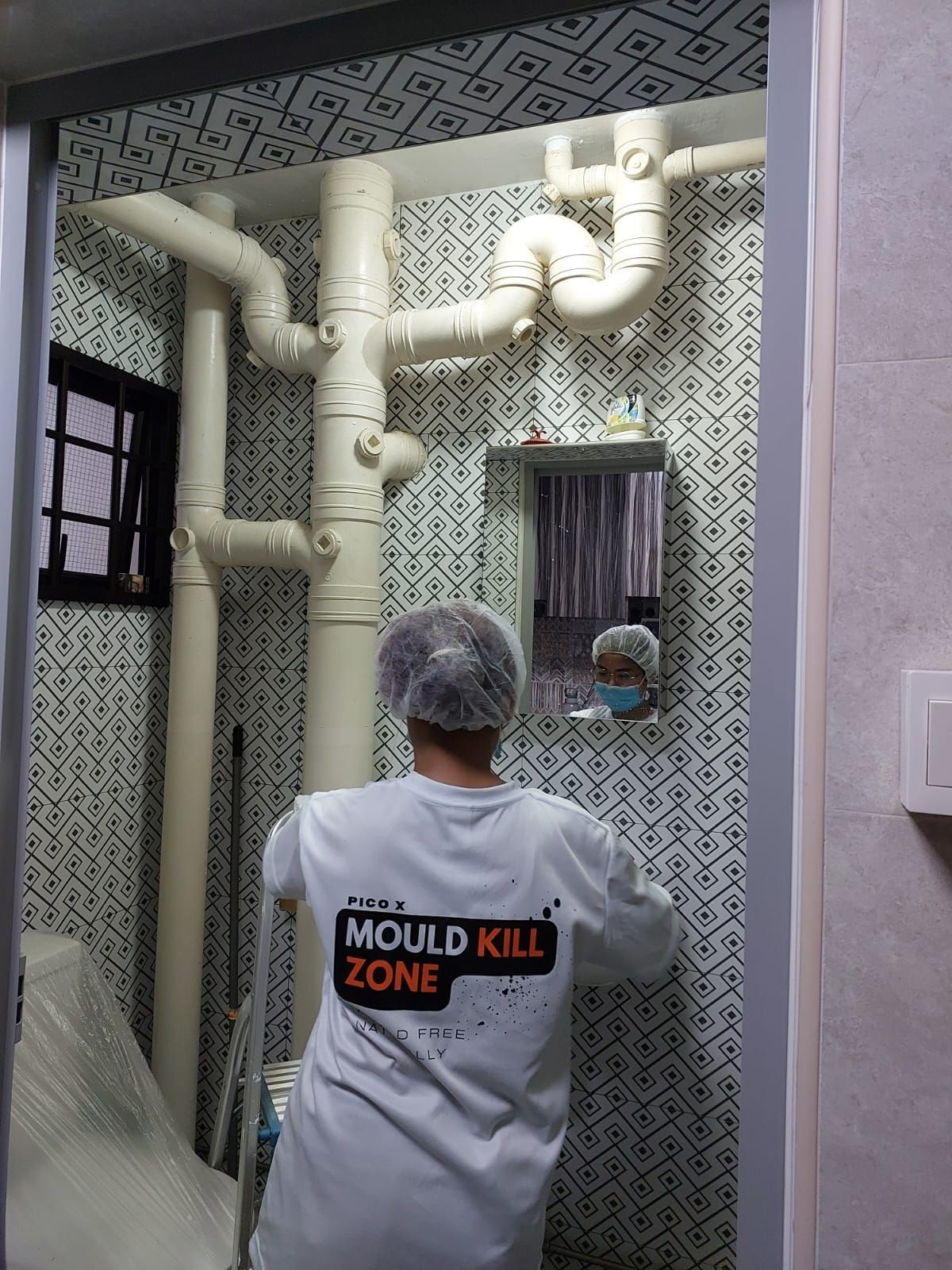
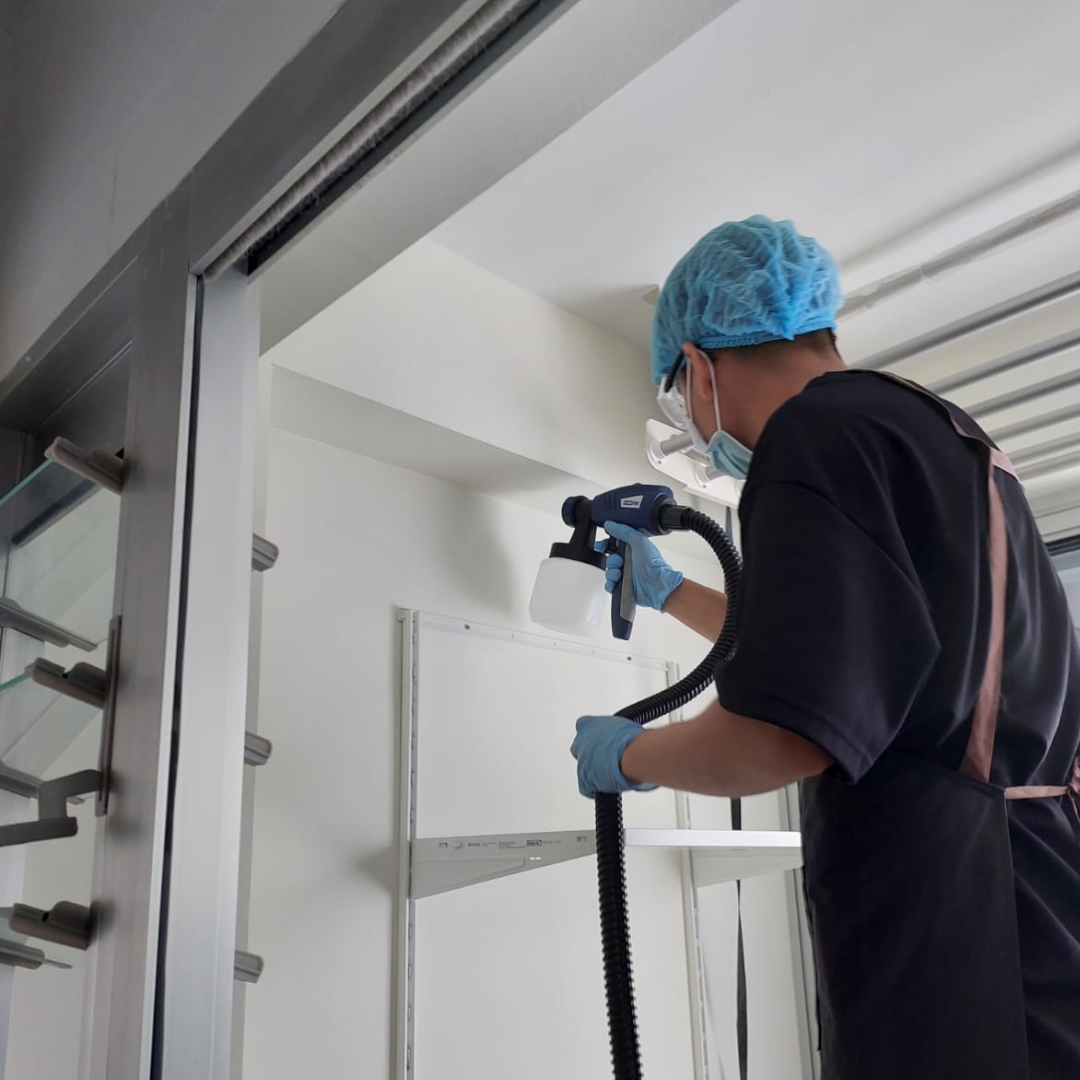
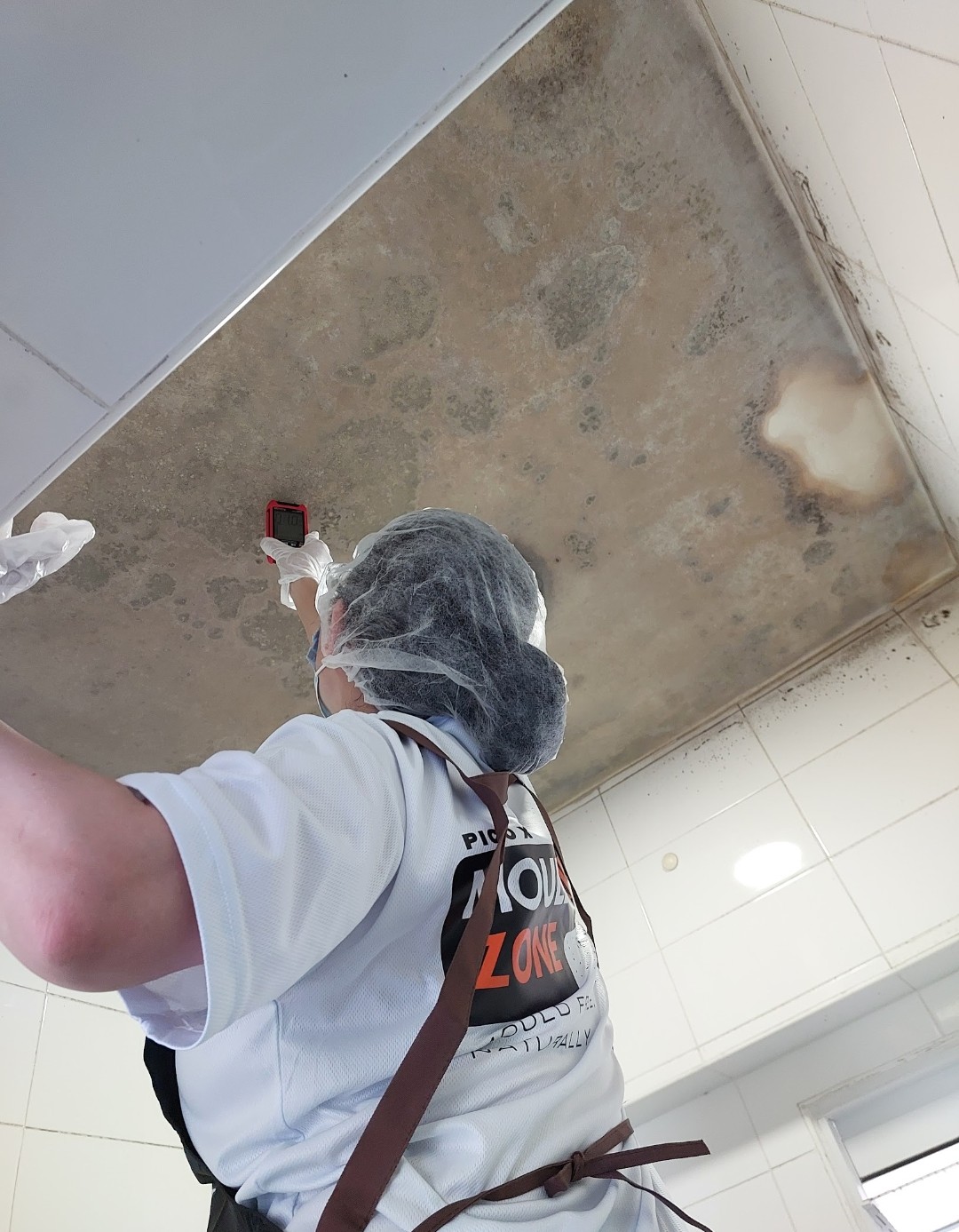
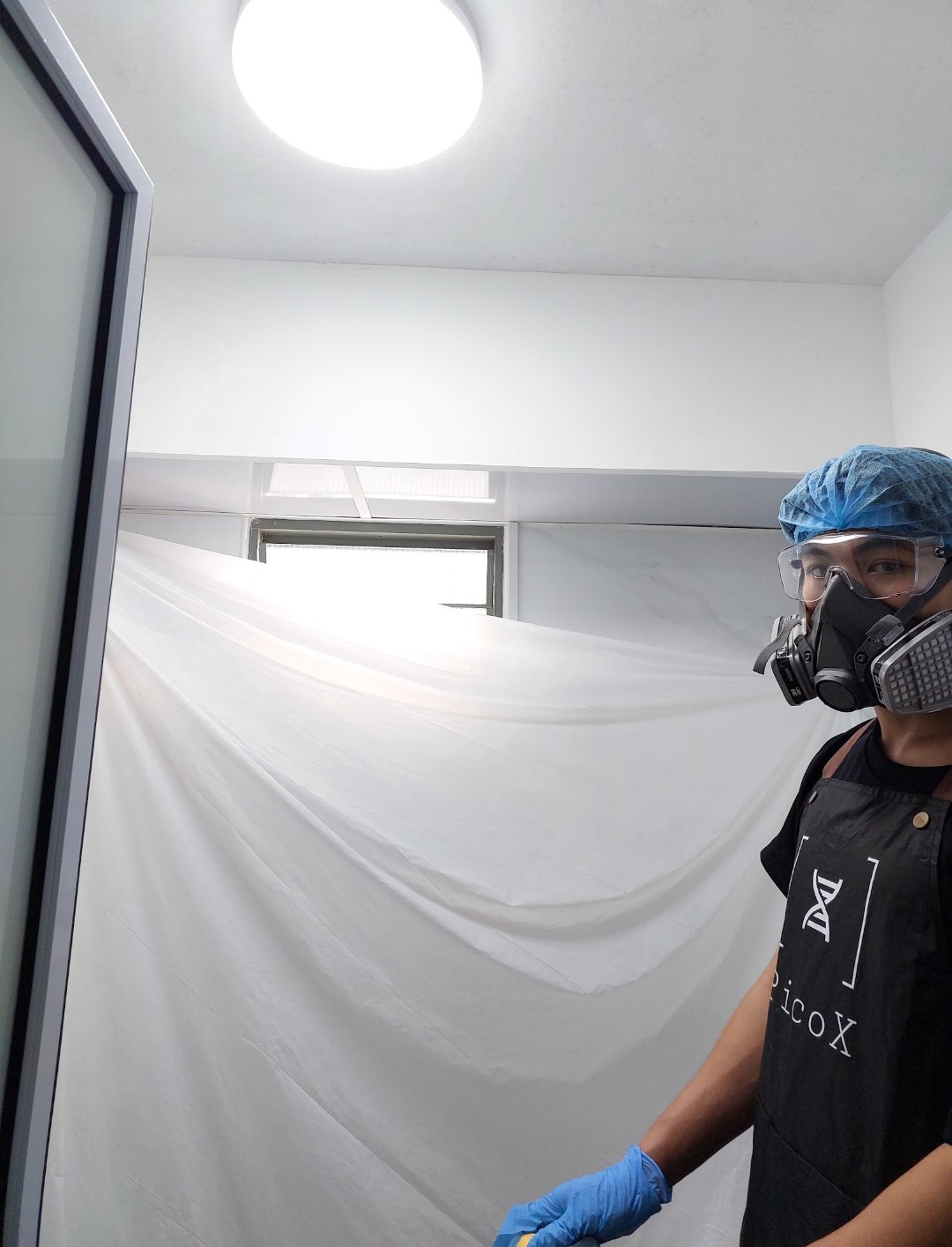
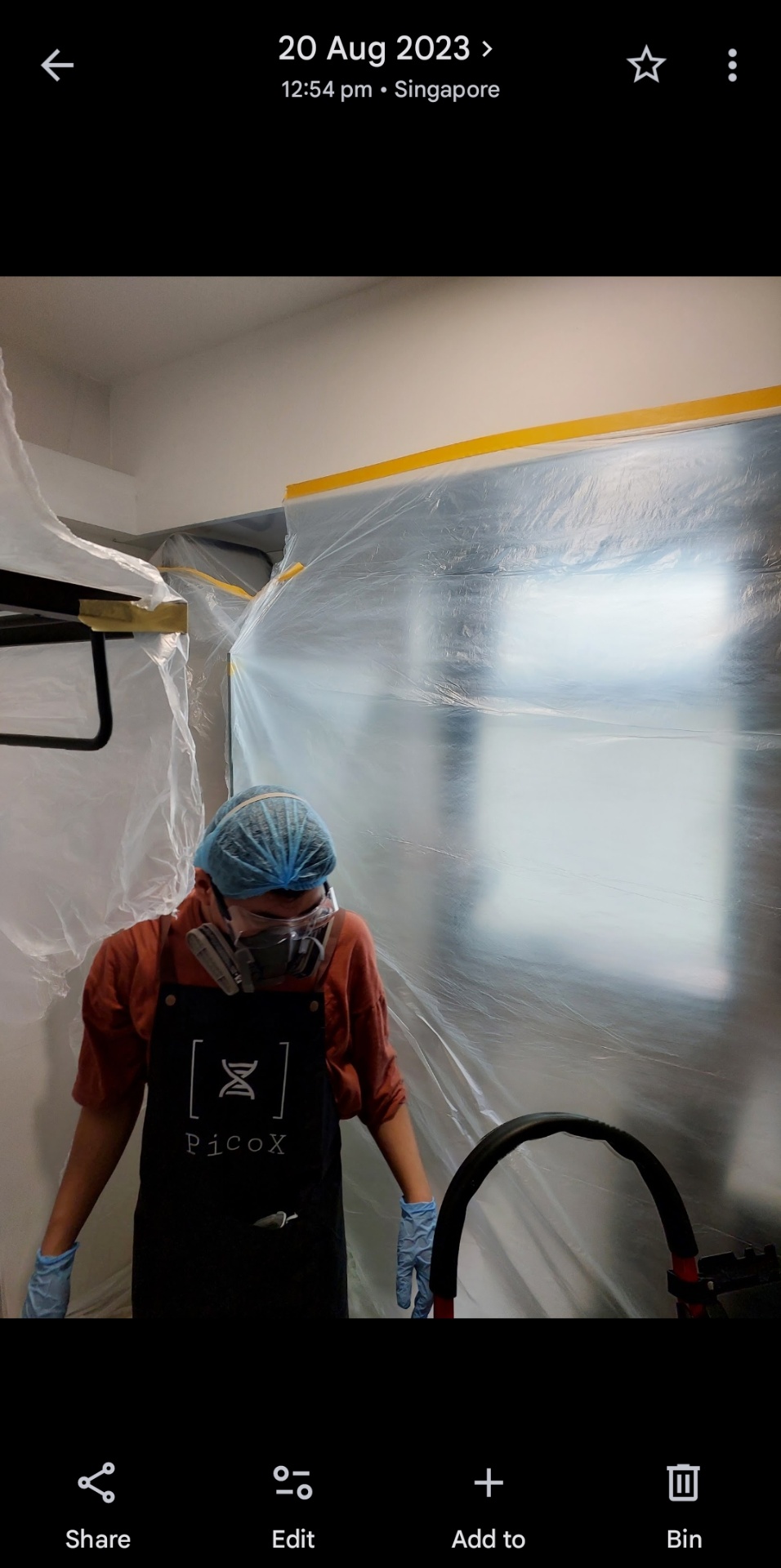
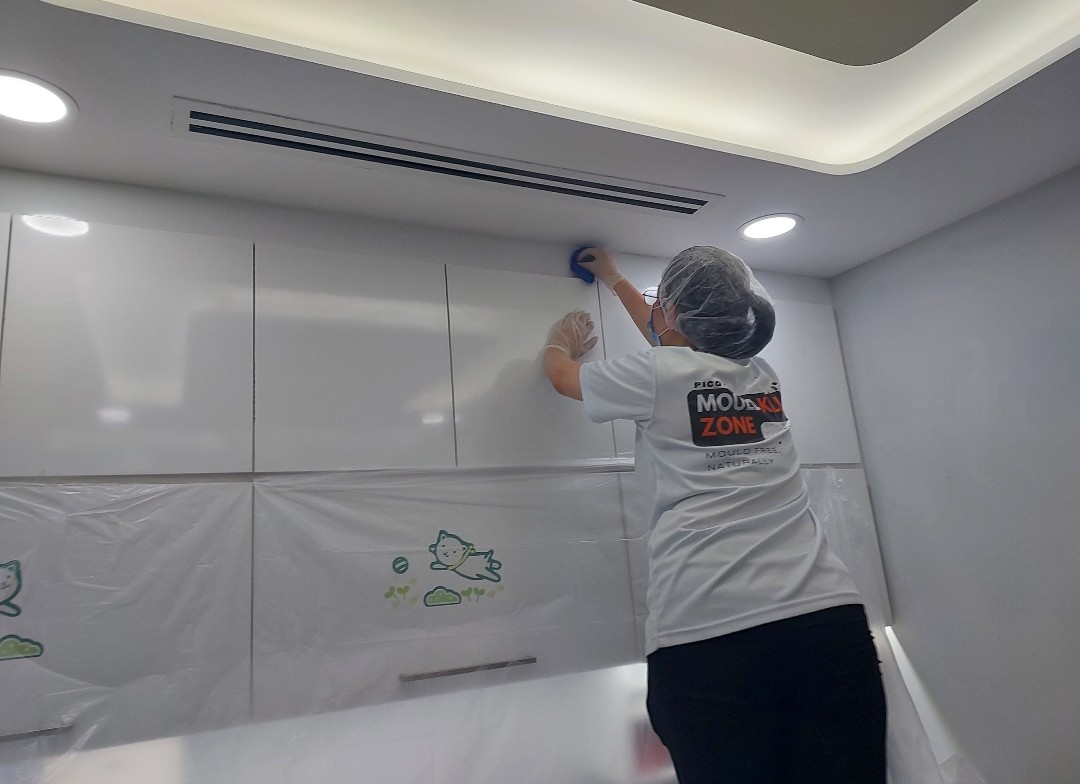
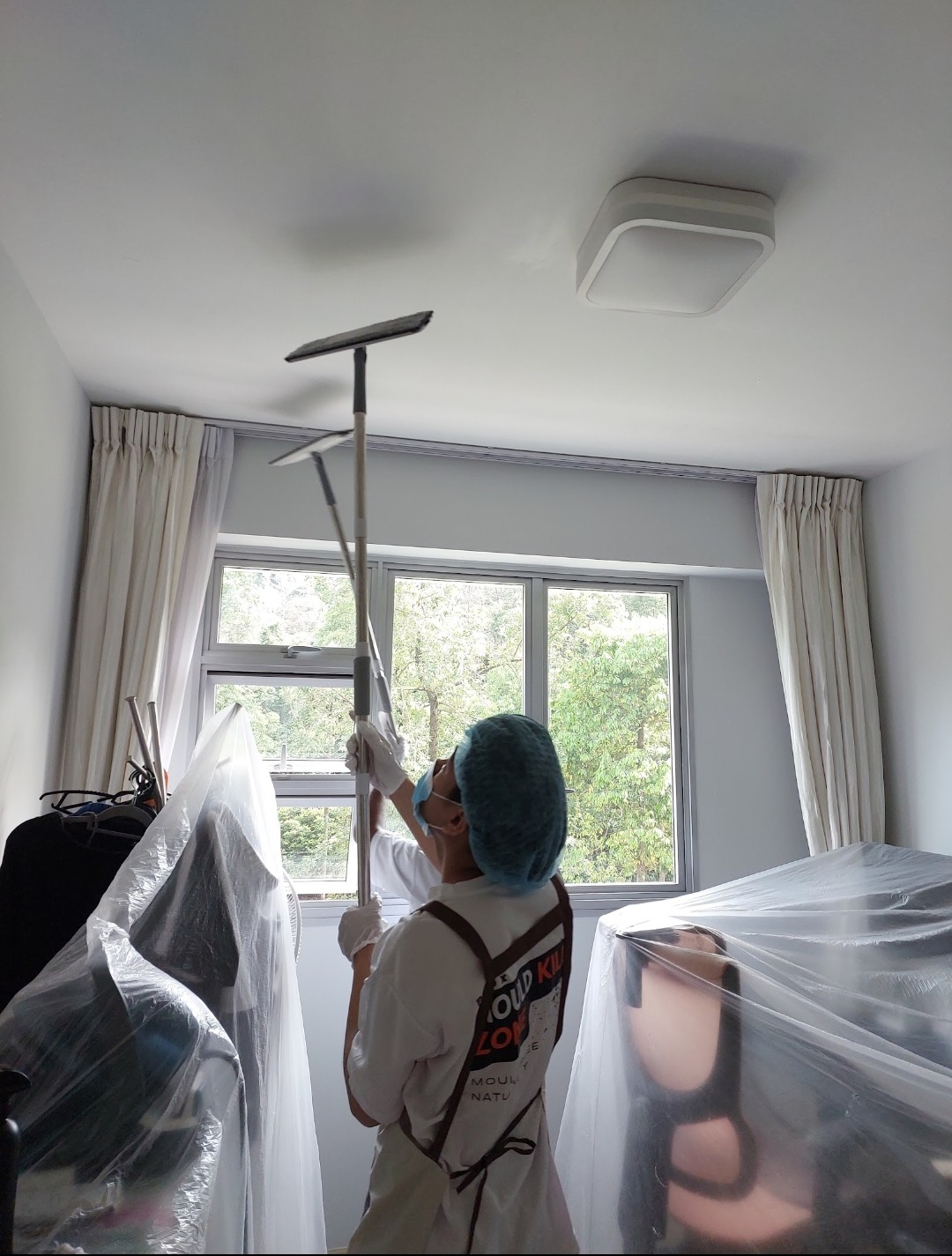
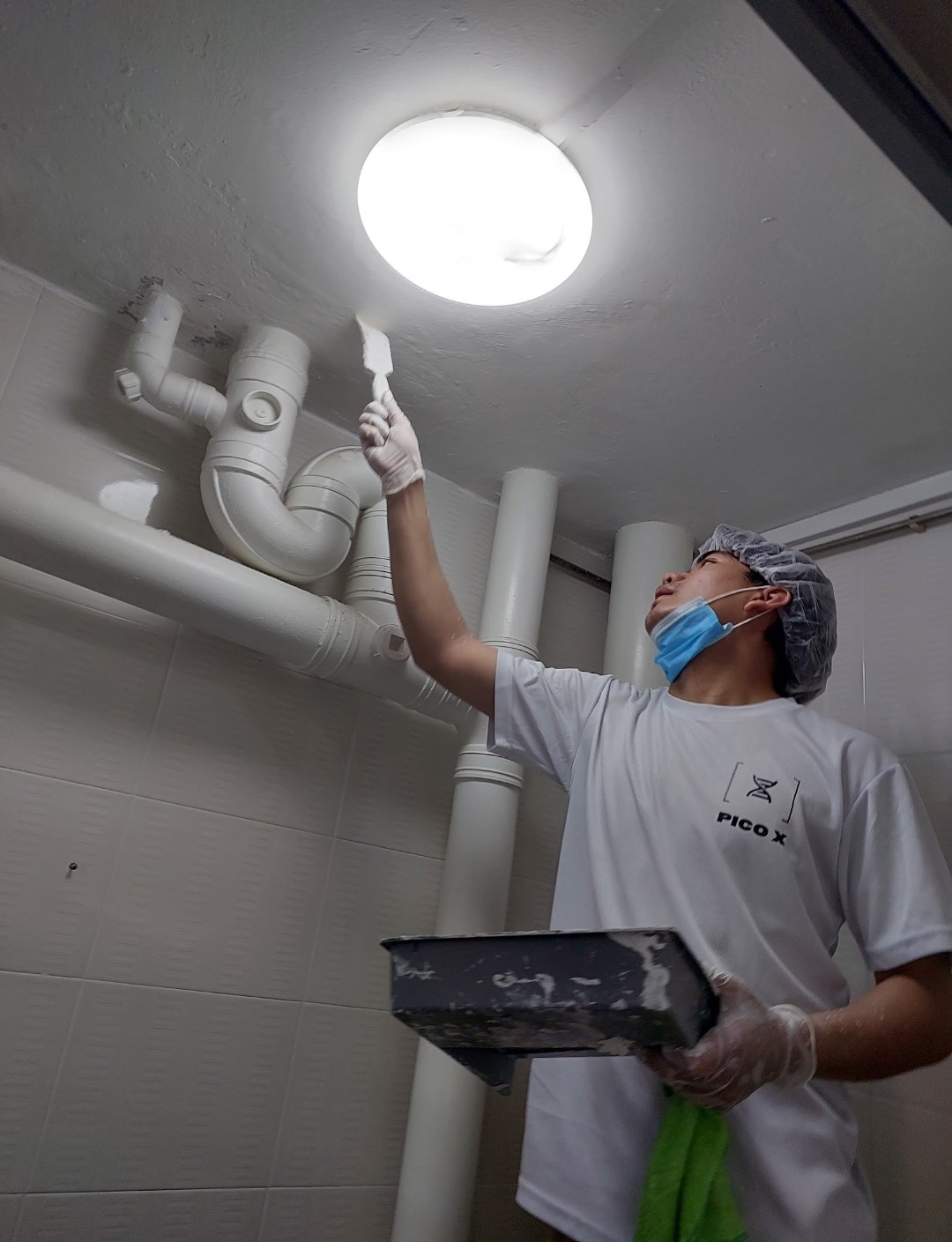
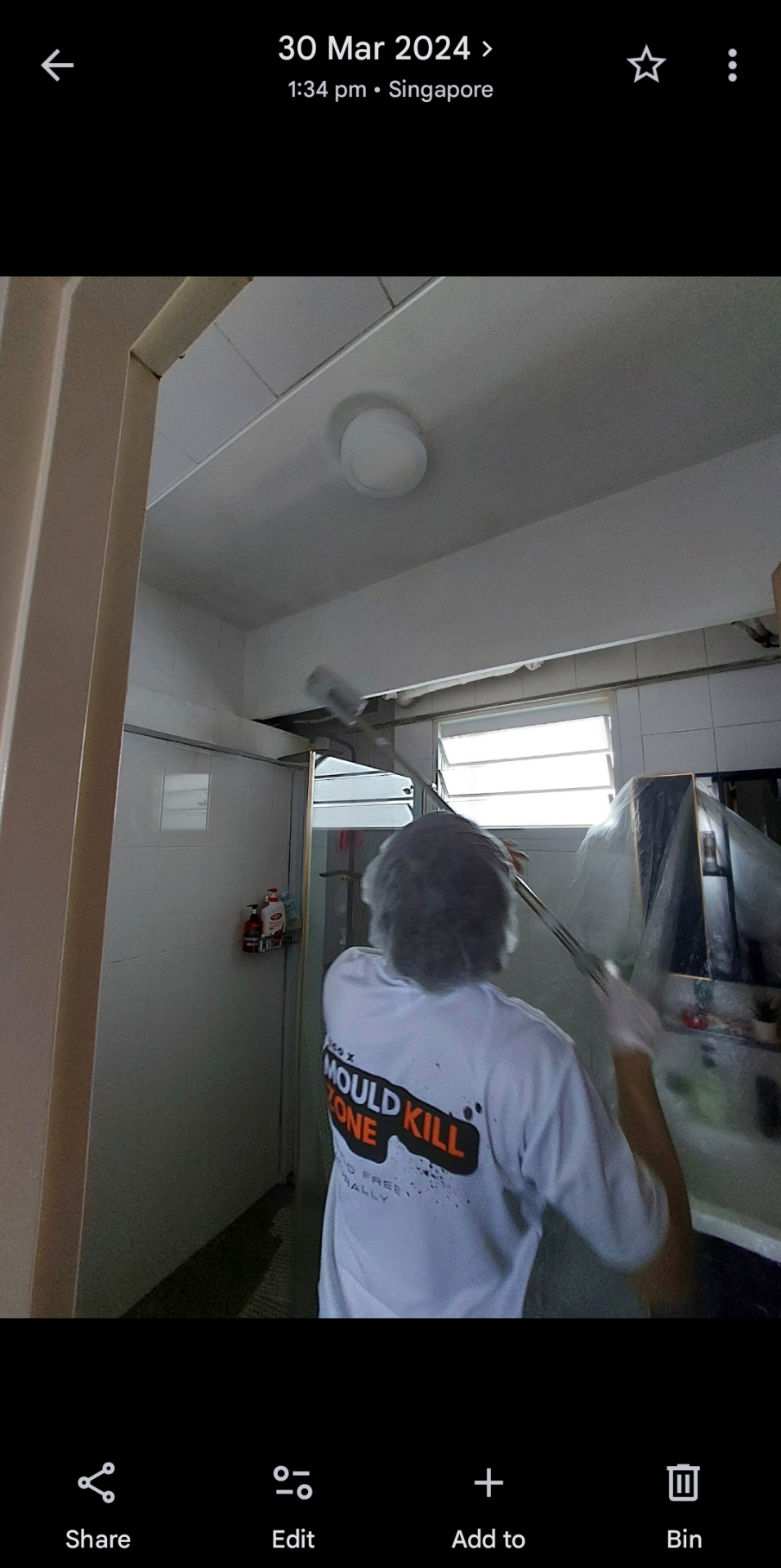
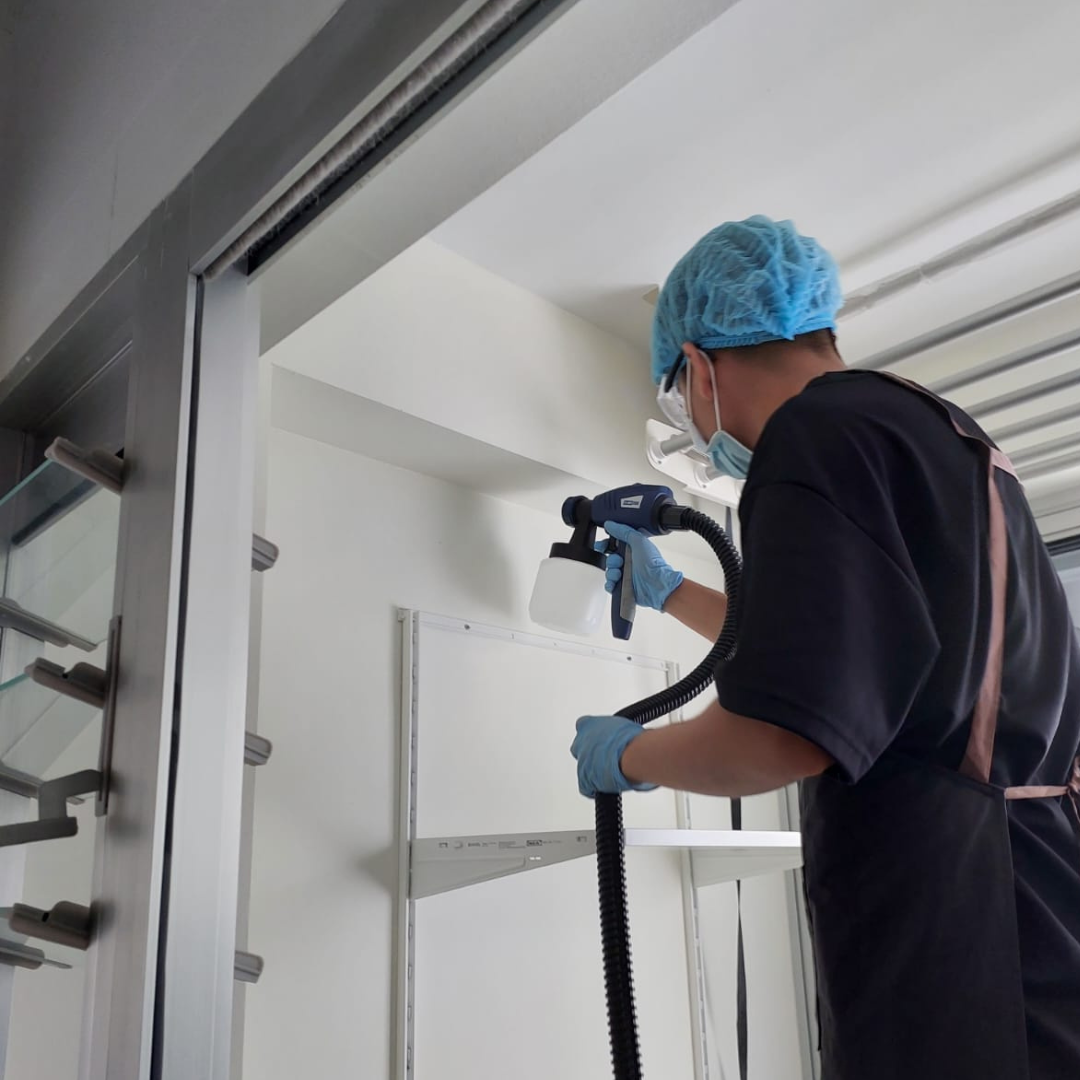
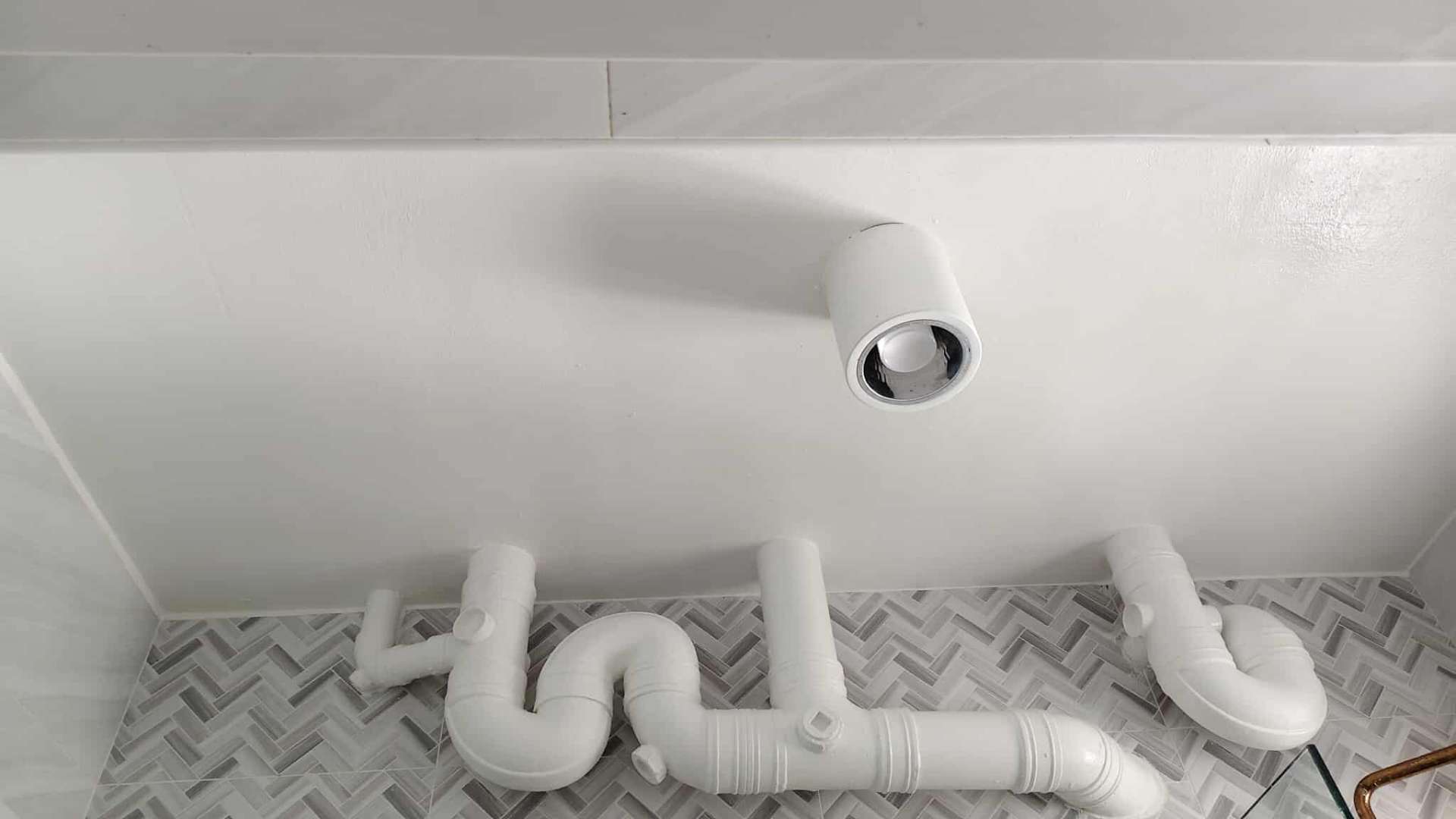
Trained Pico X Health technicians follow strict containment, PPE, and protocols on every job in Singapore.
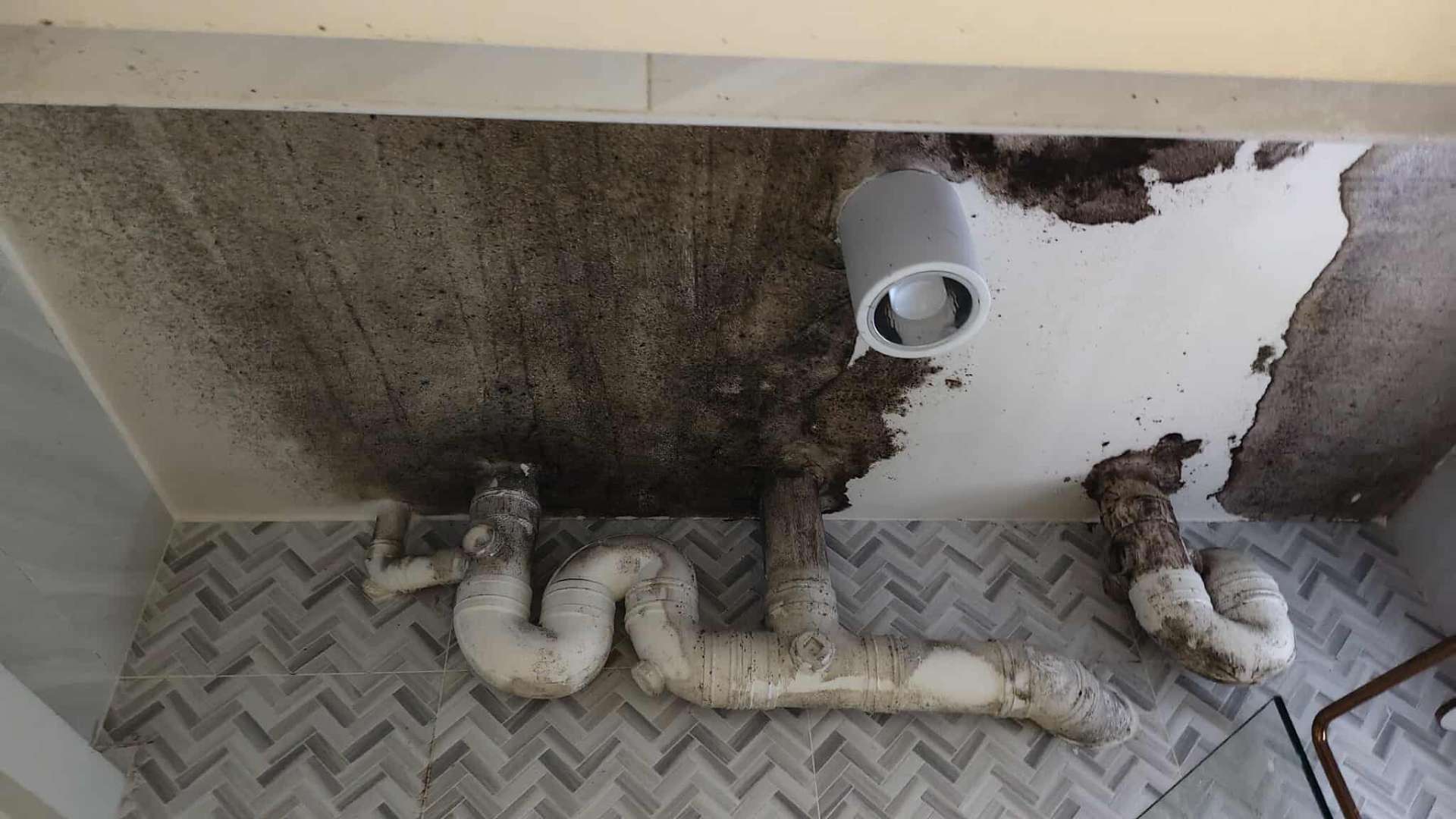
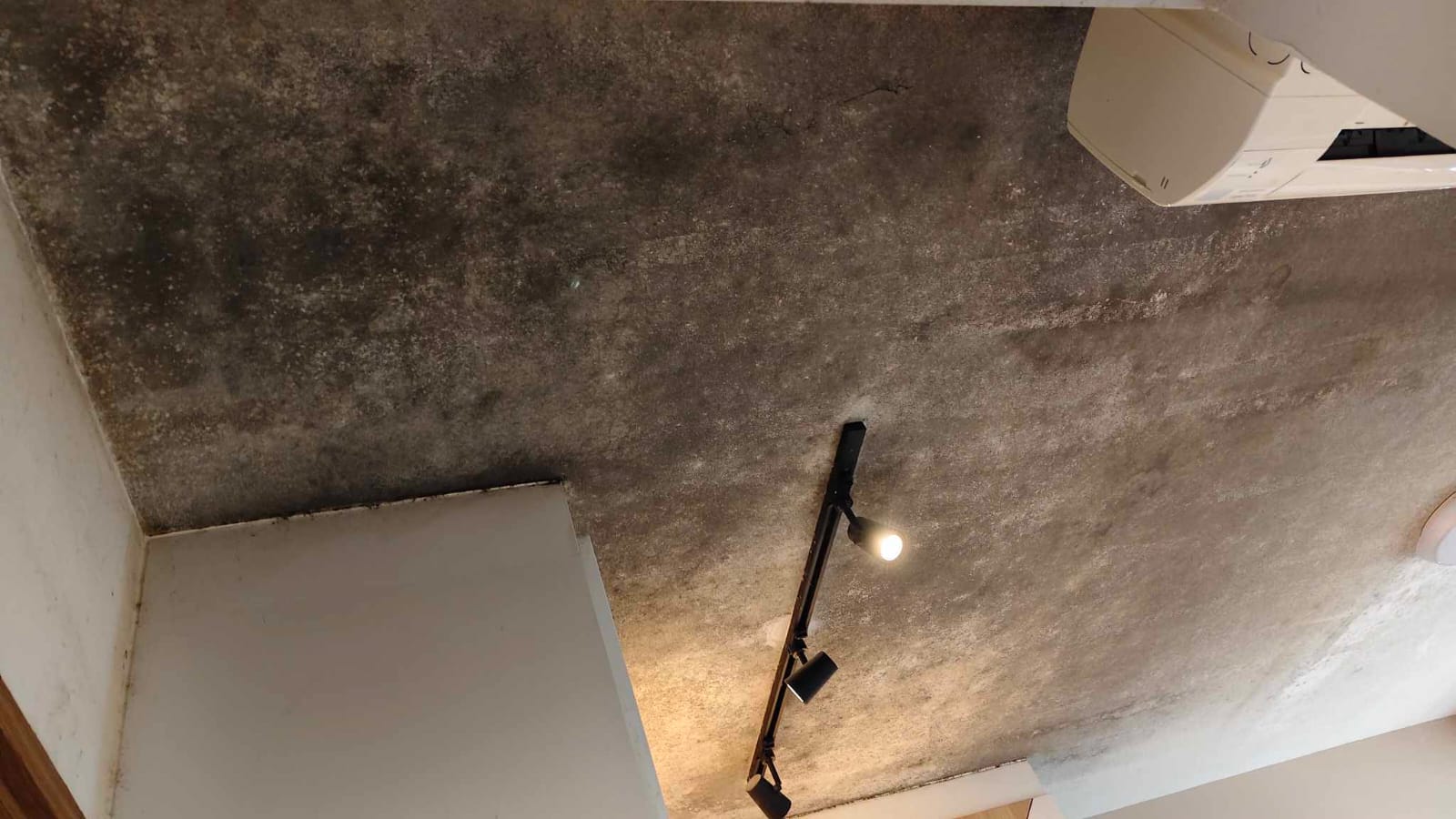
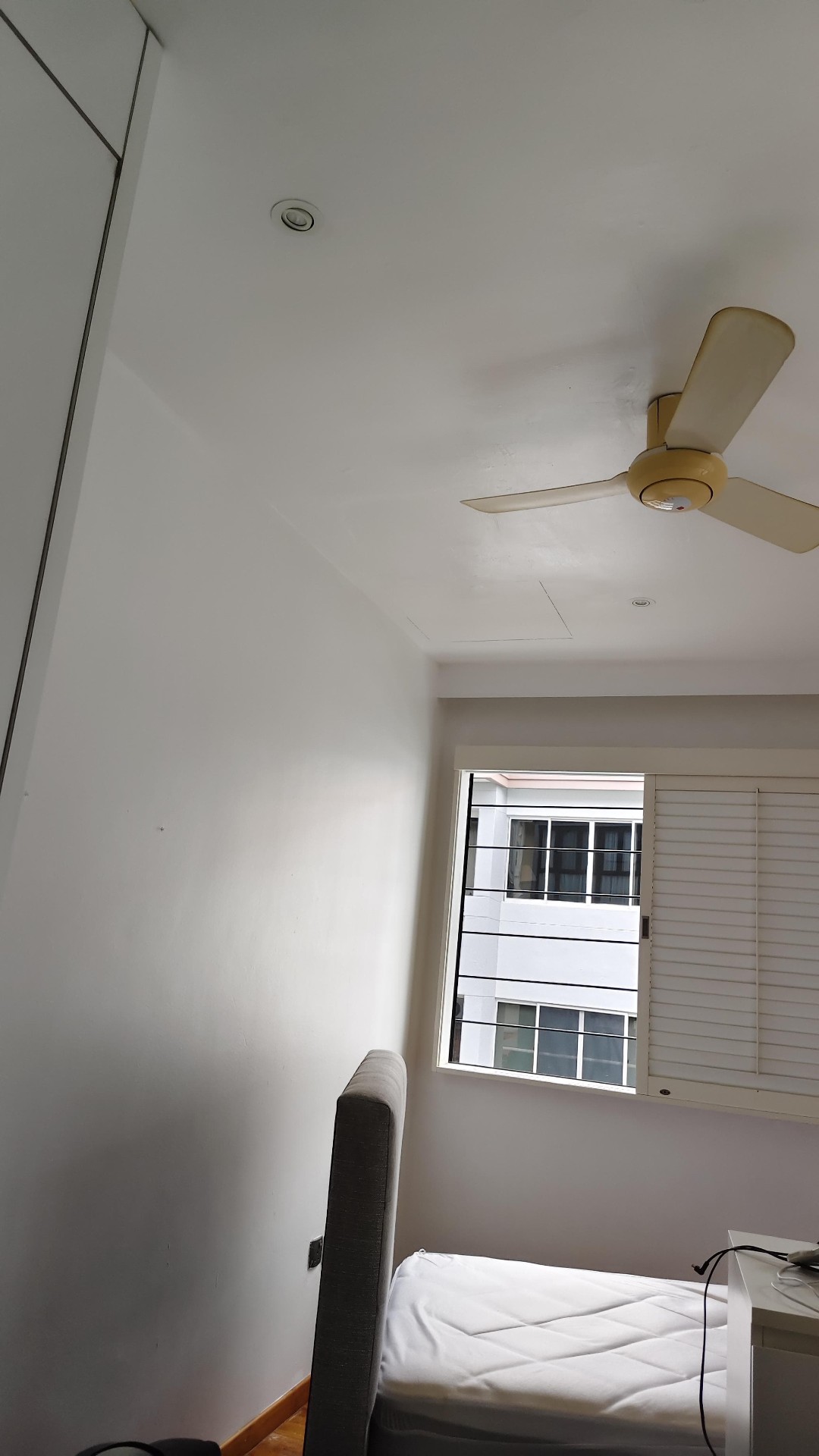
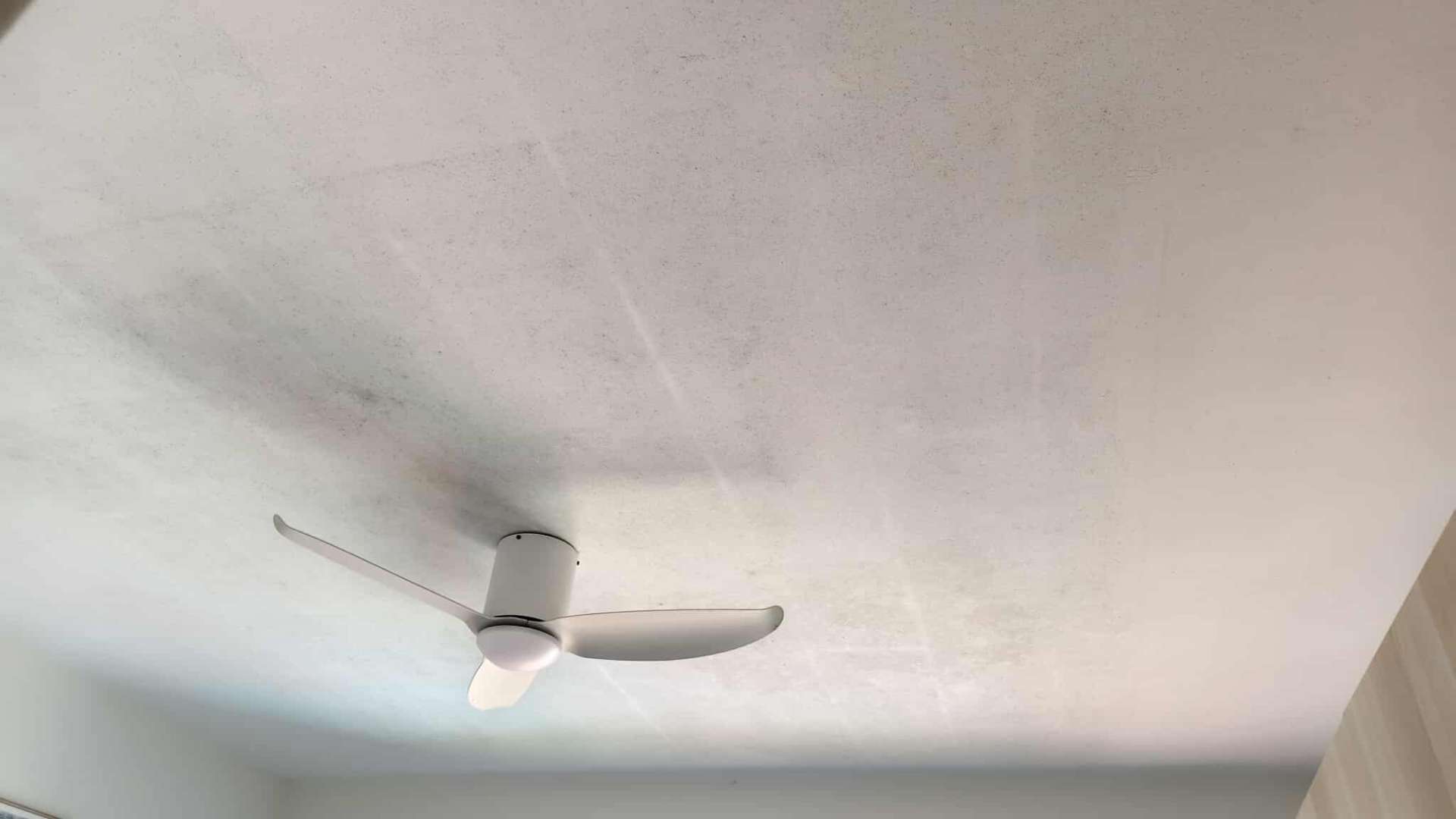
Before & After: Real Singapore Jobs
Documented mould remediation across HDB, condo, landed and commercial spaces.
Products We Use & Recommend
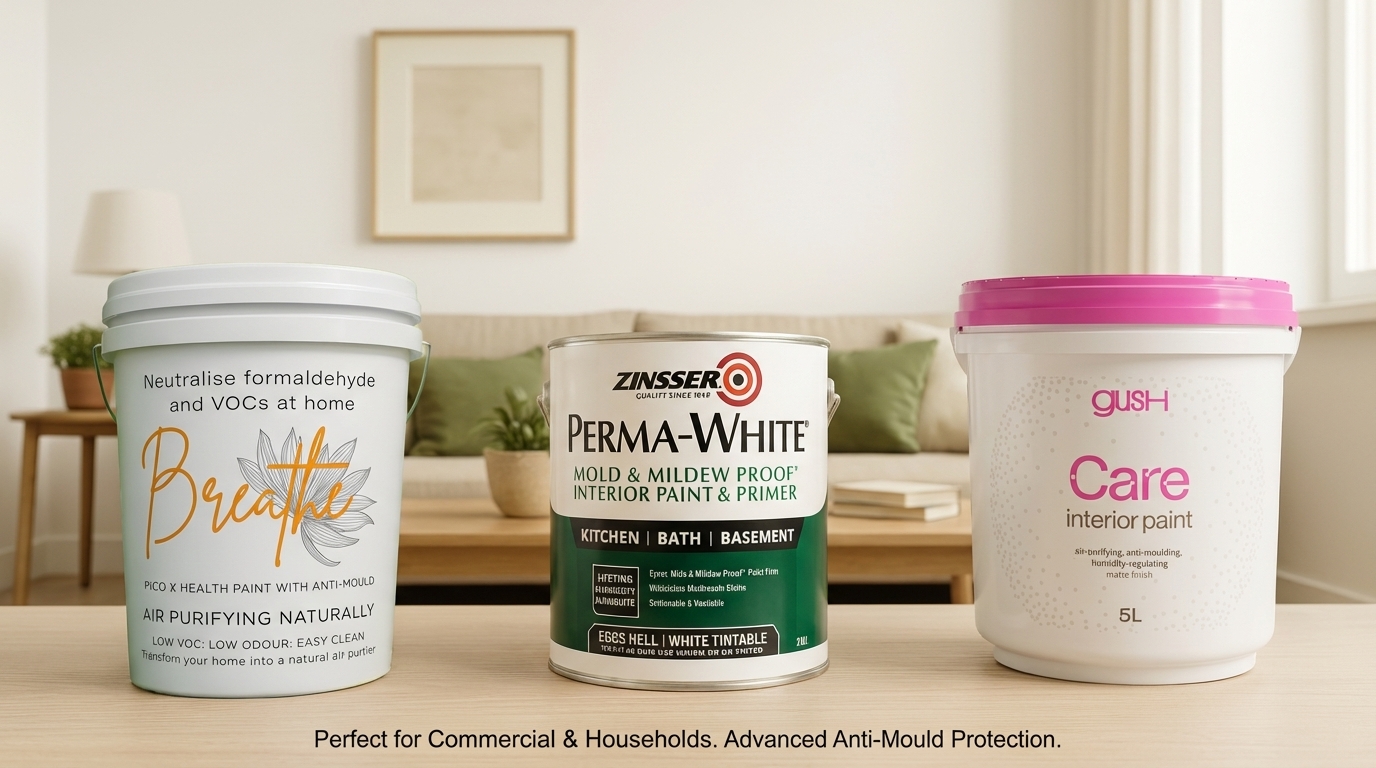
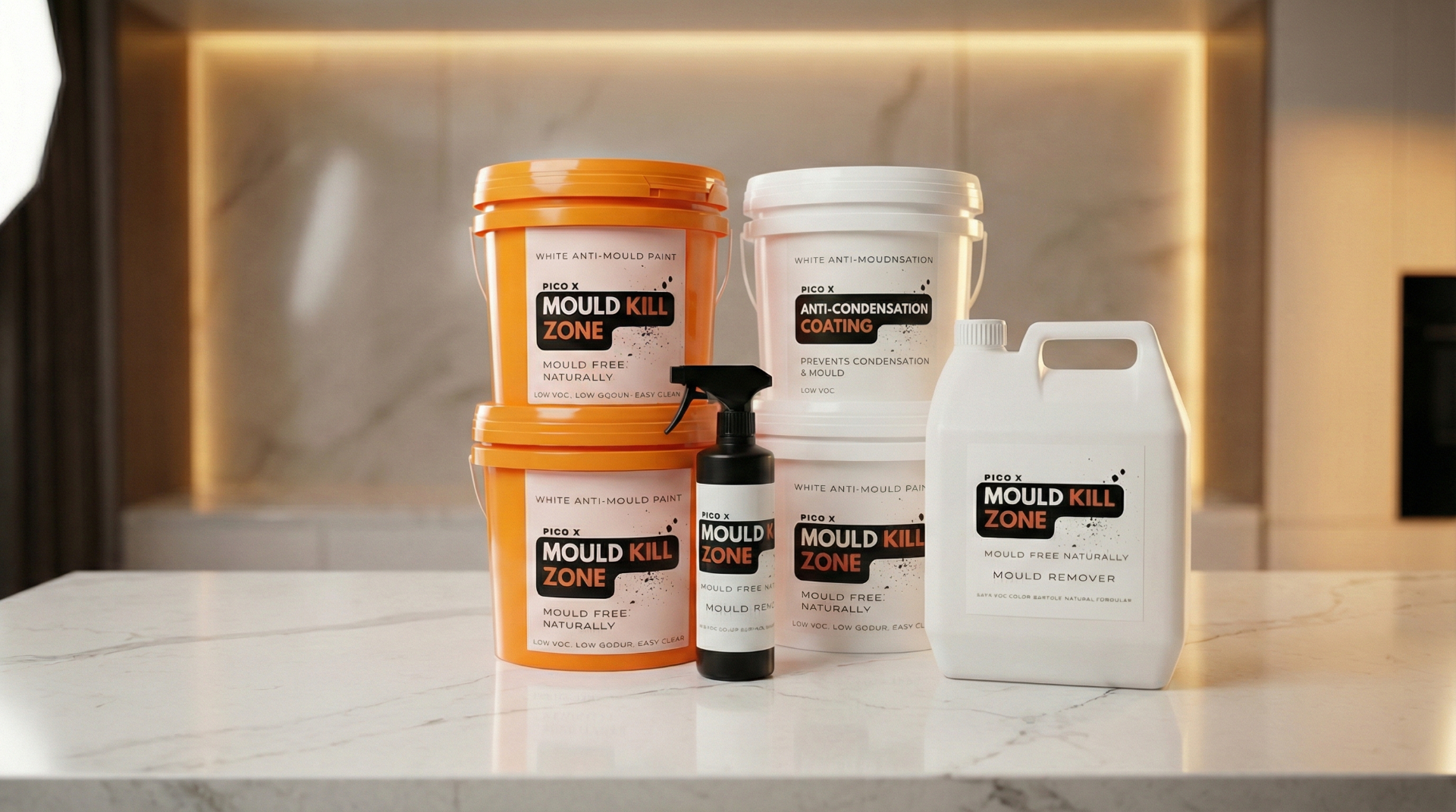
Professional-grade equipment and coatings selected for Singapore's humid climate.
Shield23 Pro — Antimicrobial Coating
Long-life inorganic-ion defense applied by trained Pico X Health technicians across hospitals, F&B, schools, and homes.
Recommended Services
Pico X Health services most relevant to this topic.