# 10 Ways to Prevent Mould in Singapore's HDB Flats During Monsoon Season
Singapore's monsoon season is known for its high humidity and relentless rainfall, which can create the perfect breeding ground for mould in homes, especially in HDB flats. Mould not only damages your home but also poses significant health risks. As Singapore homeowners, safeguarding your living space from this persistent foe is crucial. Here, we provide a detailed guide on preventing mould during the monsoon season, using local insights and expert recommendations.
Understanding Singapore's Climate and Its Impact on Mould Growth
The Climate Challenge
Singapore’s tropical climate, characterized by high humidity levels that often exceed 80%, especially during the monsoon months, is a well-known catalyst for mould growth. The Northeast Monsoon from December to early March and the Southwest Monsoon from June to September bring substantial rainfall, raising indoor moisture levels.
Key Stat: According to the National Environment Agency (NEA), average relative humidity levels in Singapore range from 70% to 90%, creating ideal conditions for mould proliferation.
How Mould Affects HDB Flats
HDB flats, like those in Tampines, Jurong, and Bishan, often face ventilation challenges due to their compact designs. Limited airflow can exacerbate moisture retention, making these spaces more susceptible to mould infestations.
Effective Ventilation Strategies
Enhancing Natural Ventilation
Pro Tip: Place fans strategically to improve airflow in areas prone to dampness, such as bathrooms and kitchens.
Mechanical Ventilation Solutions
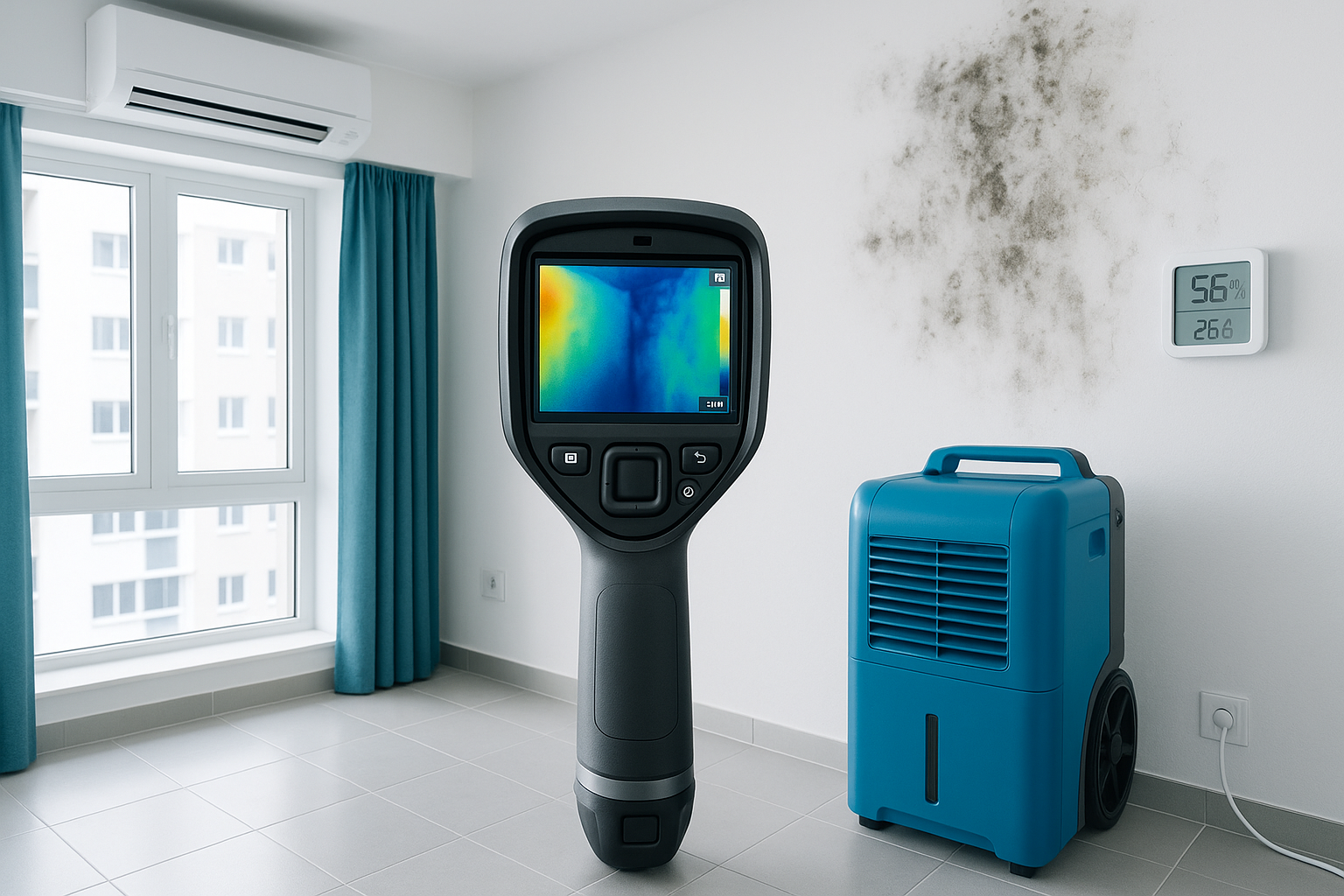
- Dehumidifiers: Invest in a quality dehumidifier to maintain indoor humidity levels below 60%. This device is particularly beneficial in bedrooms and living areas.
- Air Purifiers: Certain air purifiers equipped with HEPA filters can also capture mould spores, enhancing air quality.
Maintaining Indoor Humidity Levels
Monitoring and Control
- Hygrometers: Use hygrometers to monitor indoor humidity. These affordable devices provide accurate readings, helping you take timely action.
- Air Conditioning: Regular use of air conditioning can also help in reducing humidity, provided it's maintained and serviced regularly.
Best Practice: Keep your air conditioning set to a comfortable, dry setting to aid in moisture reduction.
Regular Home Maintenance Practices
Inspect and Repair
Cleaning and Upkeep
- Frequent Cleaning: Clean areas prone to moisture such as kitchens and bathrooms regularly with mould-inhibiting cleaners.
- Bathroom Maintenance: Wipe down shower walls and floors after use to prevent moisture build-up.
Warning: Avoid using carpets in areas with high moisture exposure, as they can retain water and become breeding grounds for mould.
Proper Storage Techniques
Avoid Clutter
- Declutter Regularly: Remove unnecessary items, especially in damp areas, to allow better airflow and reduce potential mould sites.
Use of Moisture-Resistant Materials
- Protective Covers: Store items in mould-resistant boxes or bags, particularly those kept in storerooms or under-the-bed spaces.
Expert Insight: Opt for bamboo charcoal or silica gel packs to absorb excess moisture in storage areas.
Professional Inspection and Remediation
Scheduling Inspections
- Regular Checks: Engage a professional mould remediation service in Singapore for regular inspections, especially if you notice any visible mould or musty odours.
Professional Remediation
- Expert Services: Professional services can provide thorough mould removal and prevention strategies tailored to your specific HDB flat layout and conditions.
Best Practice: Engaging professionals ensures that mould problems are addressed comprehensively, preventing recurrence.
Conclusion
Mould prevention during Singapore's monsoon season requires a multifaceted approach involving ventilation, humidity control, regular maintenance, and professional intervention. By implementing these strategies, homeowners can protect their HDB flats from the adverse effects of mould. For peace of mind and expert guidance, consider scheduling a free inspection with our experienced team today.
Frequently Asked Questions
Why is mould more common during the monsoon season in Singapore?
Mould thrives in high humidity and warm temperatures, both of which are prevalent during Singapore's monsoon season. The combination of increased rainfall and humidity levels creates an ideal environment for mould growth, particularly in poorly ventilated areas.
What are the health risks associated with mould exposure?
Exposure to mould can cause respiratory problems, allergic reactions, and skin irritations. People with asthma or weakened immune systems are particularly vulnerable. It's essential to address mould issues promptly to minimize health risks.
How often should I schedule professional mould inspections?
It's advisable to schedule professional mould inspections at least once a year, especially before or during the monsoon season. Regular inspections help detect early signs of mould and prevent extensive damage to your home.
Can air purifiers prevent mould growth?
While air purifiers cannot prevent mould growth directly, those equipped with HEPA filters can help capture mould spores, improving indoor air quality. However, addressing humidity and moisture issues is crucial for effective mould prevention.
Are there any local regulations regarding mould management in Singapore?
The NEA provides guidelines on maintaining indoor air quality and managing humidity levels, which indirectly help in mould control. It's important for homeowners to follow these guidelines to ensure a healthy living environment.