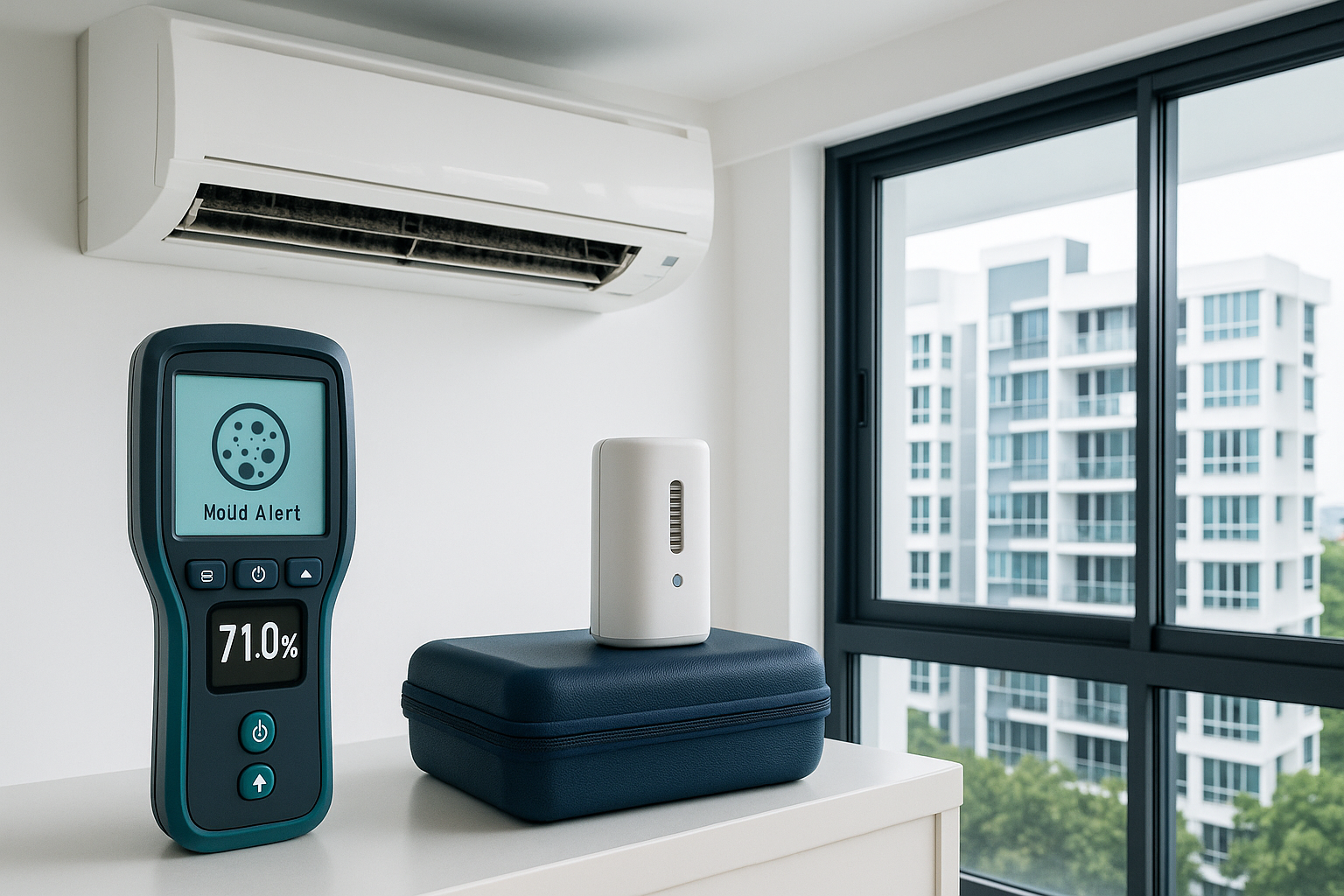
# Aircon Maintenance to Prevent Mould Growth in Singapore
In the tropical climate of Singapore, where humidity levels often soar above 80%, keeping mould at bay in our living spaces can be an uphill battle. Mould thrives in damp environments, and one of the common areas it loves to inhabit is your air conditioning unit. Whether you reside in an HDB flat in Tampines, a condo in Bishan, or a landed property in Jurong, understanding how to maintain your aircon can save you from the health hazards and aesthetic damages mould can cause.
Understanding Singapore's Climate and Its Impact on Mould Growth
Singapore's equatorial climate, characterized by high temperatures and humidity, creates the perfect breeding ground for mould. According to the National Environment Agency (NEA), the average relative humidity ranges from 70% to 90%. Such conditions not only affect comfort but also significantly increase the risk of mould growth in homes.
Key Stat:
Singapore's average humidity levels: 70% - 90%
The relentless humidity ensures that moisture lurks in every corner, making it imperative for homeowners to be proactive about mould prevention. This is especially true for air conditioning units, which, if not maintained properly, can become a source of mould proliferation.
Why Aircon Maintenance is Crucial in Mould Prevention
Your air conditioner is not just a cooling mechanism; it plays a critical role in controlling humidity levels within your home. Neglecting regular maintenance can lead to a build-up of dust and moisture, creating an environment conducive to mould growth.
The Role of Air Conditioners in Humidity Control
- Dehumidification: Aircons help reduce indoor humidity levels, making it less likely for mould to thrive.
- Air Filtration: High-quality air filters capture mould spores and other airborne particles, improving indoor air quality.
Essential Aircon Maintenance Steps
Proper aircon maintenance involves several key steps that homeowners should follow to prevent mould growth. Here’s a comprehensive guide:
Regular Cleaning
- Remove and wash filters every month to prevent dust accumulation.
- Use a mild detergent and water, then let them dry completely before reinstalling.
- Use a damp cloth to clean the unit's external surface to remove dust and grime.
- Regularly inspect for any visible signs of mould, such as black spots or a musty smell.
Professional Servicing
- Schedule Annual Servicing:
- Professionals can access and clean internal components, ensuring no mould is left behind.
- Chemical Wash:
Choosing the Right Aircon for Mould Prevention
Selecting the right air conditioning unit can also play a vital role in mould prevention. Here are some factors to consider:
Energy Efficiency and Features
- Inverter Technology:
- Integrated Dehumidifiers:
Size and Capacity
- Proper Sizing:
Costs of Aircon Maintenance in Singapore
Understanding the financial aspect of aircon maintenance can help homeowners plan their expenses effectively.
Breakdown of Maintenance Costs
- Basic Cleaning:
- Chemical Wash:
- Annual Servicing Package:
Cost vs. Benefits
Investing in regular maintenance not only prevents costly mould removal in the future but also extends the lifespan of your air conditioning unit, ensuring it runs efficiently.
Local Regulations and NEA Guidelines
Adhering to local regulations and guidelines is crucial for maintaining a healthy indoor environment.
NEA Guidelines on Indoor Air Quality
The NEA emphasizes maintaining good indoor air quality to prevent health issues related to mould exposure. It recommends regular ventilation and dehumidification, especially in humid climates like Singapore.
Compliance with HDB and Condo Regulations
- HDB Flats:
- Condo Management Rules:
Conclusion
Maintaining your air conditioning unit is a critical aspect of mould prevention in Singapore's humid climate. Regular cleaning, professional servicing, and choosing the right aircon can make a significant difference in safeguarding your home from mould.
For Singapore homeowners, investing in aircon maintenance is not just about comfort—it's about health and property preservation. Don't wait for mould to become a problem. Schedule a free inspection today and take the first step towards a mould-free home.
Frequently Asked Questions
How often should I clean my aircon filters to prevent mould?
In Singapore's humid climate, it's recommended to clean your aircon filters at least once a month. This prevents dust and moisture build-up, reducing the risk of mould growth.
What are the signs of mould growth in my aircon?
Common signs include a musty smell, visible black spots on the aircon vents, and reduced cooling efficiency. Regular inspections can help catch these signs early.
Is professional aircon servicing necessary for mould prevention?
Yes, professional servicing is crucial as it involves thorough cleaning and maintenance of internal components that are not accessible during regular cleaning. This helps prevent mould build-up effectively.
What is a chemical wash, and when should I consider it?
A chemical wash involves using cleaning agents to thoroughly clean the aircon's internal parts. Consider it if there's severe mould infestation or during annual servicing for preventive measures.
Can I prevent mould without using my aircon?
While aircons help in dehumidifying, using dehumidifiers, improving ventilation, and reducing indoor humidity through other means can also help prevent mould, especially in areas with less aircon use.