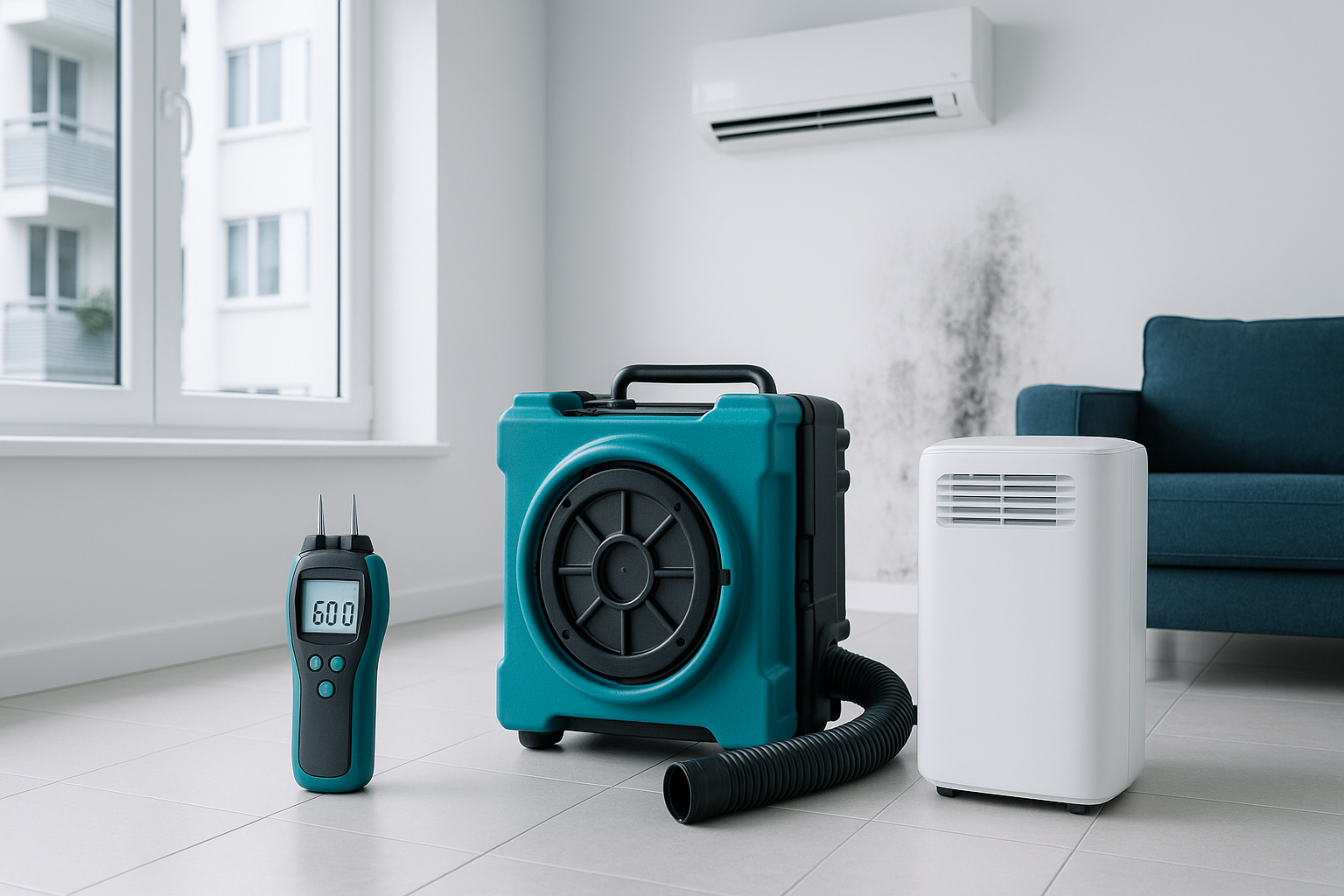
# Common Mould Removal Mistakes to Avoid: A Guide for Singapore Homeowners
Mould is a persistent problem for many homeowners in Singapore. Given the country's humid climate, mould growth is almost inevitable if not managed properly. Understanding how to effectively remove mould can save you both time and money, as well as protect your health and the integrity of your home. In this comprehensive guide, we will explore common mould removal mistakes to avoid, ensuring your home remains safe and mould-free.
Understanding Mould and Its Impact
What is Mould?
Mould is a type of fungus that thrives in moist environments. In Singapore, the average humidity level is around 84%, which provides an ideal breeding ground for mould to flourish. Mould can grow on various surfaces including walls, ceilings, and even furniture, especially in poorly ventilated areas.
Key Stat: In Singapore, relative humidity levels can reach up to 100% during the monsoon season, making mould control a year-round concern.
Health Risks Associated with Mould
Exposure to mould can lead to various health issues, particularly respiratory problems, allergies, and skin irritations. This is especially concerning for young children, the elderly, and those with pre-existing health conditions.
Common Mould Removal Mistakes to Avoid
Mistake #1: Ignoring the Root Cause
What Happens When You Ignore the Source?
Simply cleaning the visible mould won't solve the problem if the underlying cause remains unaddressed. Moisture issues, such as leaks or poor ventilation, are usually the root causes of mould growth.
- Best Practice: Identify and rectify moisture sources before embarking on mould removal.
How to Identify Moisture Sources
Mistake #2: Using Ineffective Cleaning Products
Why Some Products Fail
Many homeowners resort to using bleach or homemade solutions, which might not be effective in killing mould spores.
- Expert Insight: Bleach can remove surface mould, but it doesn't penetrate porous surfaces to eliminate the roots.
Professional-Grade Solutions
- Use industry-standard mould removal products that are specifically designed to kill mould down to the root.
- Consider hiring trained specialists who use professional-grade equipment and solutions.
Mistake #3: Inadequate Protective Measures
Risks of Unprotected Mould Removal
Handling mould without proper protection can expose you to harmful spores, exacerbating health issues.
- Warning: Always wear protective gear, including gloves, masks, and goggles when dealing with mould.
Recommended Protective Gear
Mistake #4: Delaying Mould Removal
Consequences of Procrastination
Delaying mould removal can lead to more extensive damage and higher remediation costs.
- Pro Tip: Address mould issues as soon as they are detected to avoid costly repairs.
Steps to Take Immediately
Mistake #5: Overlooking Professional Help
The Value of Expertise
While DIY methods might seem cost-effective, they often fall short in providing a long-term solution.
- Expert Insight: Professional mould remediation ensures comprehensive removal and prevention strategies.
Benefits of Hiring Professionals
- Comprehensive Assessment: Professionals can identify hidden mould and potential moisture issues.
- Long-term Solutions: They provide treatments that prevent future mould growth.
Mould Removal Best Practices
Effective Mould Prevention
- Increase Ventilation: Use exhaust fans in moisture-prone areas.
- Dehumidifiers: Consider using dehumidifiers to maintain optimal indoor humidity levels.
- Regular Inspections: Conduct regular checks for leaks and signs of mould.
Cost Considerations
Mould remediation costs can vary based on the extent of the damage and the property type. On average, homeowners in Singapore might spend between S$500 to S$5,000 for professional mould removal services, depending on the severity of the infestation.
Conclusion: Take Action Against Mould Today
Mould is not just an unsightly nuisance but a potential health hazard that requires immediate attention. By avoiding these common mistakes and adopting industry best practices, you can effectively manage mould in your home. If you suspect a mould problem, don't hesitate to schedule a free inspection with a professional mould remediation specialist. Taking prompt action can safeguard your health and property.
Frequently Asked Questions
Why is mould so common in Singapore homes?
Singapore's tropical climate, characterized by high humidity levels and frequent rainfall, creates ideal conditions for mould growth. Homes with poor ventilation, leaks, or inadequate maintenance are particularly susceptible to mould infestations.
Can I remove mould myself, or should I hire a professional?
While small surface mould can be managed with proper cleaning, larger infestations require professional intervention. Professionals have the expertise, equipment, and products to effectively remove mould and prevent recurrence, ensuring comprehensive treatment.
How can I prevent mould growth in my HDB flat?
To prevent mould in your HDB flat, ensure good ventilation, especially in kitchens and bathrooms. Use dehumidifiers to control indoor humidity levels, fix leaks promptly, and conduct regular checks for any signs of mould growth.
What are the health risks associated with mould exposure?
Exposure to mould can cause respiratory problems, allergies, and skin irritations. Those with asthma or compromised immune systems are more vulnerable to its health effects. It's crucial to address mould issues promptly to protect household health.
How much does professional mould removal cost in Singapore?
The cost for professional mould removal in Singapore varies based on the infestation's severity and the property size. On average, it can range from S$500 to S$5,000. Obtaining a professional assessment can provide a more accurate cost estimate.