# Exclusive Condo Features: Are They Increasing Your Mould Risk?
Living in a luxurious condo in Singapore can be an enticing dream. With exclusive amenities like private pools, gyms, and intricate architectural designs, the allure is undeniable. However, these very features that enhance your living experience may also inadvertently increase your risk of mould growth. Understanding this risk is crucial for any homeowner who values both their property and health.
Singapore's unique climate, characterized by high humidity and frequent rainfall, provides the perfect environment for mould growth. As a mould remediation specialist with over 15 years of industry experience, I've seen firsthand how these exclusive condo features can contribute to mould issues. Let's delve into the specific factors that homeowners need to be aware of and how to mitigate these risks effectively.
Understanding Mould and Its Impact
What is Mould?
Mould is a type of fungus that thrives in damp, warm environments. It reproduces by releasing tiny spores into the air, which can latch onto surfaces and start new colonies. Commonly found in areas with poor ventilation and high humidity, mould can quickly become a problem if not addressed promptly.
Health Risks Associated with Mould
- Respiratory issues: Prolonged exposure to mould can lead to respiratory problems, especially in individuals with asthma or allergies.
- Skin irritation: Direct contact with mould can cause skin rashes and irritation.
- Other symptoms: Fatigue, headaches, and sinus congestion are also common among those exposed to mould.
Warning: Mould can pose significant health risks, especially for children, the elderly, and those with compromised immune systems.
Exclusive Condo Features: A Double-Edged Sword
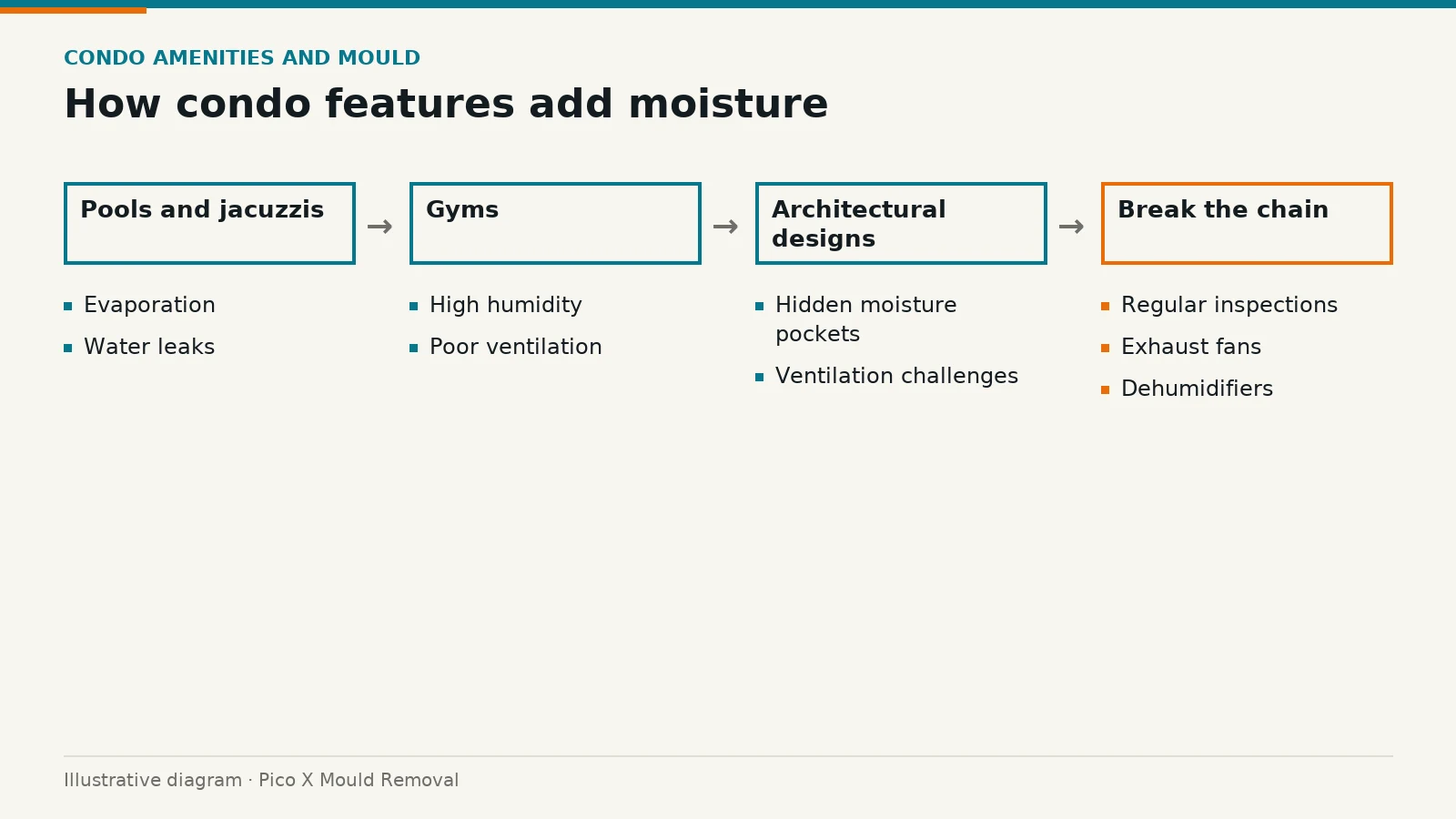
Private Pools and Jacuzzis
While a private pool or jacuzzi can be a fantastic luxury, they also introduce a significant amount of moisture into the surrounding environment.
- Evaporation: Pools and jacuzzis increase the humidity levels inside your condo, particularly if they're located indoors or in enclosed spaces.
- Water Leaks: Any leaks or poor drainage systems can lead to water accumulation, which promotes mould growth.
State-of-the-Art Gym Facilities
Exclusive condos often come with gym facilities that, while convenient, can also contribute to moisture issues.
- High Humidity: Gyms generate a lot of heat and sweat, increasing the humidity levels.
- Poor Ventilation: Without proper ventilation, moisture can accumulate on surfaces, providing the perfect breeding ground for mould.
Advanced Architectural Designs
Modern condos boast complex architectural designs that sometimes include hidden areas and intricate ventilation systems.
- Hidden Moisture Pockets: Areas like false ceilings and concealed ducts can trap moisture and are often overlooked during routine cleaning.
- Ventilation Challenges: Complex designs may make it difficult to ensure adequate ventilation throughout the condo.
Pro Tip: Regularly inspect concealed areas for signs of mould and ensure that your ventilation system is working efficiently.
Singapore's Climate: A Mould Haven
High Humidity Levels
Singapore's average relative humidity ranges from 70% to 90%, creating an environment where mould can thrive year-round.
- Daily Fluctuations: Humidity levels can spike during certain times of the day, particularly in the morning and evening.
- Rainfall: Frequent rains further exacerbate moisture levels, both indoors and outdoors.
Temperature and Airflow
The tropical climate means consistently warm temperatures, which, combined with high humidity, accelerates mould growth.
- Lack of Air Circulation: Inadequate airflow can lead to stagnant air, facilitating mould proliferation.
- Cooling Systems: Over-reliance on air conditioning can sometimes lead to inadequate ventilation, as windows remain shut.
Key Stat: Singapore experiences an average of 167 rain days per year, making moisture control crucial for homeowners.
Industry Best Practices for Mould Prevention
Regular Inspections
Conduct regular inspections, particularly in areas prone to moisture accumulation.
Enhance Ventilation
Improving airflow is crucial in preventing mould development.
- Use Exhaust Fans: Install fans in moisture-prone areas like bathrooms and kitchens.
- Natural Ventilation: Whenever possible, open windows to allow for natural air circulation.
Manage Humidity Levels
Keeping humidity levels in check is vital.
- Dehumidifiers: Utilize dehumidifiers to maintain optimal indoor humidity levels of around 50%.
- Air Conditioners: Ensure that air conditioning units are properly maintained and serviced to avoid moisture buildup.
Best Practice: Aim to keep indoor humidity below 60% to significantly reduce the risk of mould growth.
Cost Considerations for Mould Remediation
Understanding the potential costs can help in planning and budgeting for mould prevention and remediation.
Expert Insight: Investing in preventive measures is often more cost-effective than dealing with extensive mould remediation later on.
Conclusion
Exclusive condo features undoubtedly enhance the living experience but come with their own set of challenges, particularly concerning mould risk. By understanding these risks and implementing industry-standard best practices, homeowners can effectively manage and reduce the likelihood of mould issues. If mould is already a concern in your home, consider scheduling a professional inspection to assess the situation and take proactive steps.
Call to Action: Don't wait until mould becomes a serious issue. Schedule a free inspection with our trained specialists today and safeguard your home and health.Frequently Asked Questions
What are the common signs of mould in a condo?
Common signs include a musty odor, visible mould growth on walls or ceilings, discoloration, and excessive condensation on windows. If you notice any of these signs, it's important to address them promptly to prevent further damage and health risks.
How can I prevent mould growth in my condo?
To prevent mould growth, ensure adequate ventilation, keep humidity levels below 60%, and regularly inspect for leaks or water accumulation. Using dehumidifiers and exhaust fans can also help manage moisture levels effectively.
Is mould remediation covered by insurance in Singapore?
Coverage varies by insurance policy. It's important to review your specific home insurance policy and speak with your insurer to understand what is covered. Generally, mould damage resulting from sudden or accidental water damage might be covered, but gradual issues often are not.
How does Singapore's climate affect mould growth?
Singapore's climate, with its high humidity and frequent rainfall, creates an ideal environment for mould growth. The warm temperatures further accelerate mould proliferation, making it essential for homeowners to implement moisture control measures.
Are there professional-grade products available for mould prevention?
Yes, there are various professional-grade products available, such as mould-resistant paints, sealants, and dehumidifiers. These products are designed to prevent mould growth and are often used by trained specialists during mould remediation and prevention processes.