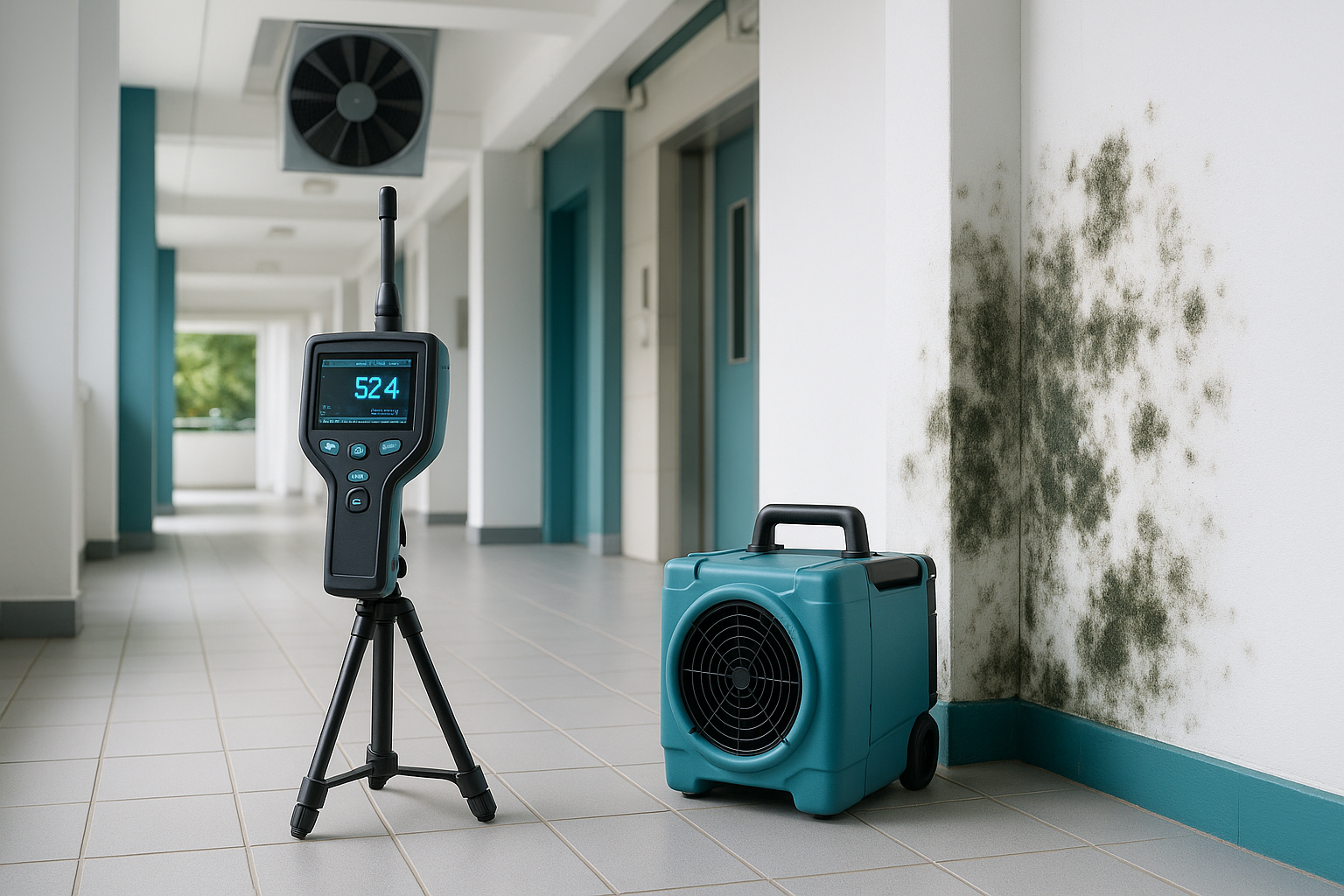
Understanding Mould Management in HDB Void Decks
In Singapore's urban landscape, HDB (Housing and Development Board) flats are a common sight. These towering structures are home to around 80% of the population, making the management of their communal spaces crucial. One particular area of concern is the HDB void deck, a multi-purpose space that serves as a social hub for residents. However, given Singapore’s humid climate, void decks are prone to mould growth, which can affect aesthetics, structural integrity, and health. As a trained mould remediation specialist with over 15 years of industry experience, I aim to provide a comprehensive guide on managing mould in these common areas.
Pro Tip: Regular inspections and maintenance can significantly reduce mould occurrence in HDB void decks, safeguarding both health and property value.
The Singapore Climate and Its Impact on Mould Growth
Humidity: The Primary Culprit
Singapore's climate is characterized by high humidity levels, often exceeding 80%. This tropical environment is ideal for mould spores, which thrive in moist conditions. Void decks, being open and often exposed to the elements, are particularly susceptible.
Temperature and Rainfall
With temperatures averaging between 25°C to 31°C, and frequent rainfall throughout the year, conditions are perpetually ripe for mould proliferation. This is particularly true during the monsoon seasons when moisture levels are at their peak.
Key Stat: Mould can begin to grow within 24 to 48 hours in moist conditions.
Identifying Mould in HDB Void Decks
Common Signs
- Discoloration: Look for black, green, or white patches on walls and ceilings.
- Odor: A musty smell is a clear indicator of mould presence.
- Peeling Paint: Moisture behind walls can cause paint to blister and peel.
Areas Most Affected
- Walls and Ceilings: Especially those near water sources or exposed to rain.
- Flooring: Particularly if there are leaks or poor drainage.
- Fixtures: Any wooden structures or notice boards can harbour mould.
Expert Insight: Regularly check corners and less visible areas in void decks where mould can easily be missed.
Industry Best Practices for Mould Management
Inspection and Assessment
Remediation Techniques
Containment and Removal
- Seal Off Affected Areas: Use plastic sheeting and tape to prevent spore spread.
- HEPA Vacuuming: Essential for removing loose mould spores from surfaces.
- Antimicrobial Treatments: Apply industry-standard solutions to kill mould at the root.
Repair and Restoration
- Fix Leaks and Improve Drainage: Address any structural issues contributing to moisture.
- Repaint and Refinish: Use mould-resistant paints for added protection.
- Install Dehumidifiers: Maintain optimal humidity levels.
Best Practice: Remediation should be followed by a preventive maintenance plan to ensure long-term mould control.
Costs of Mould Remediation in Singapore
The cost of mould remediation can vary based on the extent of damage and the size of the affected area. Here is a typical breakdown:
- Inspection and Testing: S$200 - S$500
- Remediation: S$1,000 - S$5,000 depending on severity
- Restoration and Repairs: S$500 - S$2,000
Warning: Delaying mould removal can lead to higher costs due to increased damage and health risks.
Preventive Measures for Homeowners
Regular Maintenance
- Routine Inspections: Schedule regular checks for moisture and mould.
- Ventilation: Ensure void decks have adequate airflow.
Community Engagement
- Encourage residents to report any leaks or mould sightings promptly.
- Organize community cleaning events to maintain the cleanliness of common areas.
Expert Insight: A well-informed community is a proactive one. Education on mould prevention can help keep void decks in pristine condition.
Conclusion: Safeguarding Our Communal Spaces
Mould management in HDB void decks is not just about addressing current issues but also about prevention and maintenance. By understanding the unique challenges posed by Singapore’s climate and implementing industry best practices, we can preserve the integrity and safety of these essential communal spaces. If you suspect mould in your void deck, don't hesitate to reach out for a professional inspection.
Schedule your free inspection today to ensure your community remains healthy and mould-free.Frequently Asked Questions
What causes mould to grow in HDB void decks?
Mould growth in HDB void decks is primarily caused by Singapore's humid climate, which provides the moisture mould spores need to thrive. Poor ventilation and water leaks can exacerbate the problem, allowing mould to proliferate on walls, ceilings, and other surfaces.
How often should mould inspections be conducted in HDB void decks?
It is advisable to conduct mould inspections in HDB void decks at least twice a year, particularly before and after the monsoon seasons. Regular inspections help catch early signs of mould growth and address them before they become major issues.
What are the health risks associated with mould in void decks?
Mould exposure can lead to various health problems, including allergic reactions, respiratory issues, and skin irritations. Vulnerable groups, such as children, the elderly, and those with compromised immune systems, are particularly at risk.
Can homeowners take preventive measures against mould in void decks?
Yes, homeowners can play a role in mould prevention by ensuring proper ventilation and reporting any signs of water leaks or mould growth to the relevant management bodies. Community awareness and engagement are key to effective mould management.
What should I do if I discover mould in my void deck?
If you discover mould in your void deck, it is important to contact a professional mould remediation specialist for an assessment and remediation plan. Avoid attempting to clean large mould infestations on your own, as improper handling can exacerbate the problem.