# How to Clean Mould from Bathroom Grout, Tiles, and Silicone Edges
Singapore's tropical climate, with its high humidity and frequent rain, creates the perfect environment for mould growth in homes, especially in areas like bathrooms. As an expert mould remediation specialist with over 15 years of experience, I have seen how mould can affect various property types, from HDB flats in Bishan to luxurious condos in Marina Bay. This guide will help you understand how to effectively clean mould from bathroom grout, tiles, and silicone edges, with a focus on industry standards and professional insights.
Understanding Mould Growth in Singapore Bathrooms
The Climate Factor
Singapore's climate is characterized by high humidity levels, often exceeding 80%, and warm temperatures averaging around 27°C. This environment encourages mould spores to thrive, especially in bathrooms where moisture accumulation is common.
Key Stat: According to weather data, Singapore experiences rainfall roughly 167 days a year, further contributing to indoor humidity levels.
Common Areas for Mould in Bathrooms
- Grout Lines: Porous material that easily traps moisture and organic matter, promoting mould growth.
- Tiles: While tiles themselves are non-porous, dirt and soap scum can provide a breeding ground for mould.
- Silicone Edges: Often found around bathtubs and sinks, silicone can deteriorate over time, making it susceptible to mould.
Best Practices for Mould Removal
Equipment and Safety Precautions
Before starting the cleaning process, gather the following tools and materials:
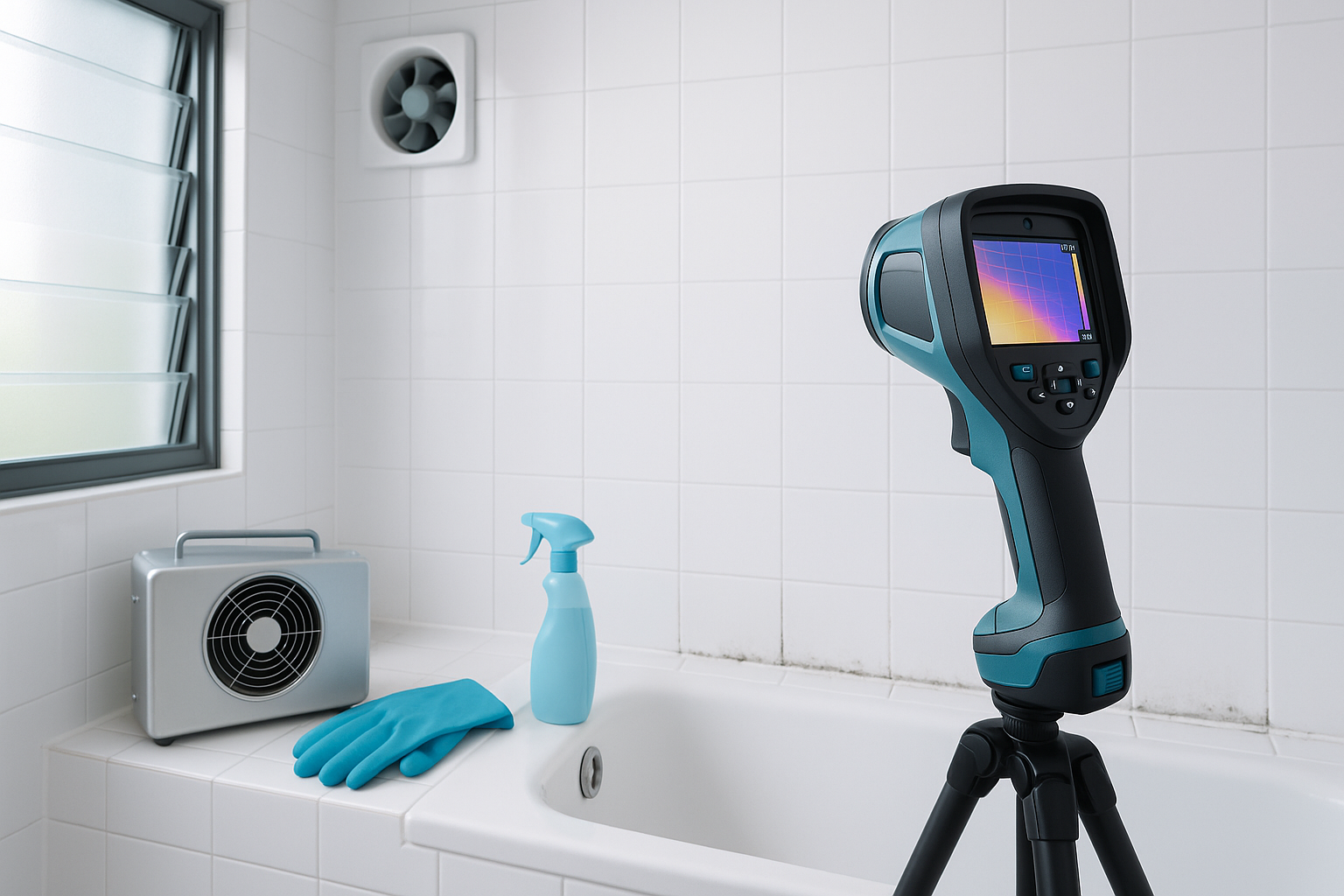
- Protective gear: gloves, goggles, and a mask
- Scrub brushes and toothbrushes
- Microfiber cloths
- Professional-grade cleaning solutions or a homemade vinegar solution
Warning: Always wear protective gear to prevent inhalation of mould spores, which can be harmful to your health.
Step-by-Step Cleaning Process
Cleaning Grout
Cleaning Tiles
Cleaning Silicone Edges
Pro Tip: For stubborn mould, consider using a steam cleaner which can effectively penetrate porous surfaces without harsh chemicals.
Preventing Future Mould Growth
Ventilation and Dehumidification
- Install Exhaust Fans: Ensure your bathroom is equipped with an exhaust fan to remove moisture-laden air.
- Use Dehumidifiers: Consider a small dehumidifier to maintain optimal humidity levels.
Regular Maintenance
- Weekly Cleaning: Regularly clean tiles and grout to prevent mould reoccurrence.
- Inspect Silicone Edges: Check and replace any deteriorating silicone seals.
Expert Insight: Consistent cleaning and maintenance can significantly reduce the risk of mould growth, saving you from costly remediation in the future.
Singapore-Specific Tips for Homeowners
HDB Mould Prevention
- Utilize community resources to learn about building-specific ventilation systems.
- Engage with neighbours to share effective mould prevention strategies.
Condo and Landed Property Considerations
- Leverage property management services for regular inspections and maintenance.
- Invest in high-quality materials for bathroom renovations to ensure durability against mould.
Cost Considerations for Mould Cleaning
Professional mould remediation services can vary in cost depending on the severity and size of the affected area. Typical costs for professional cleaning in Singapore may range from S$200 to S$500 for a standard bathroom.
Best Practice: Engage professional services for severe mould issues to ensure complete and safe removal.
Conclusion
By following these industry-standard practices, Singapore homeowners can effectively manage and prevent mould growth in their bathrooms. Regular maintenance and using the right cleaning techniques are crucial in a humid climate like Singapore's. For severe cases or professional assessment, consider scheduling a free inspection with a professional mould remediation specialist.
Frequently Asked Questions
How often should I clean my bathroom grout to prevent mould?
It's advisable to clean your bathroom grout at least once a week to prevent mould growth. Regular cleaning removes dirt and moisture, which are conducive to mould development, especially in Singapore's humid climate.
Can I use bleach to clean mould from bathroom tiles?
While bleach can kill surface mould, it may not penetrate porous grout and silicone edges effectively. Using a vinegar solution or professional-grade mould remover is recommended for deeper cleaning and longer-lasting results.
Is it necessary to replace silicone edges affected by mould?
If the silicone is severely mouldy or deteriorating, it's best to replace it. This not only removes the mould but also prevents future growth by ensuring a proper seal against moisture.
What are the signs that I need professional mould remediation?
If you notice extensive mould growth, recurring mould problems despite cleaning, or any health issues such as allergies or respiratory problems, professional remediation may be necessary to address the root cause effectively.
Are there any DIY solutions for mould prevention in Singapore bathrooms?
Yes, maintaining good ventilation, using dehumidifiers, and regularly cleaning with vinegar solutions are effective DIY strategies to prevent mould in Singapore bathrooms.