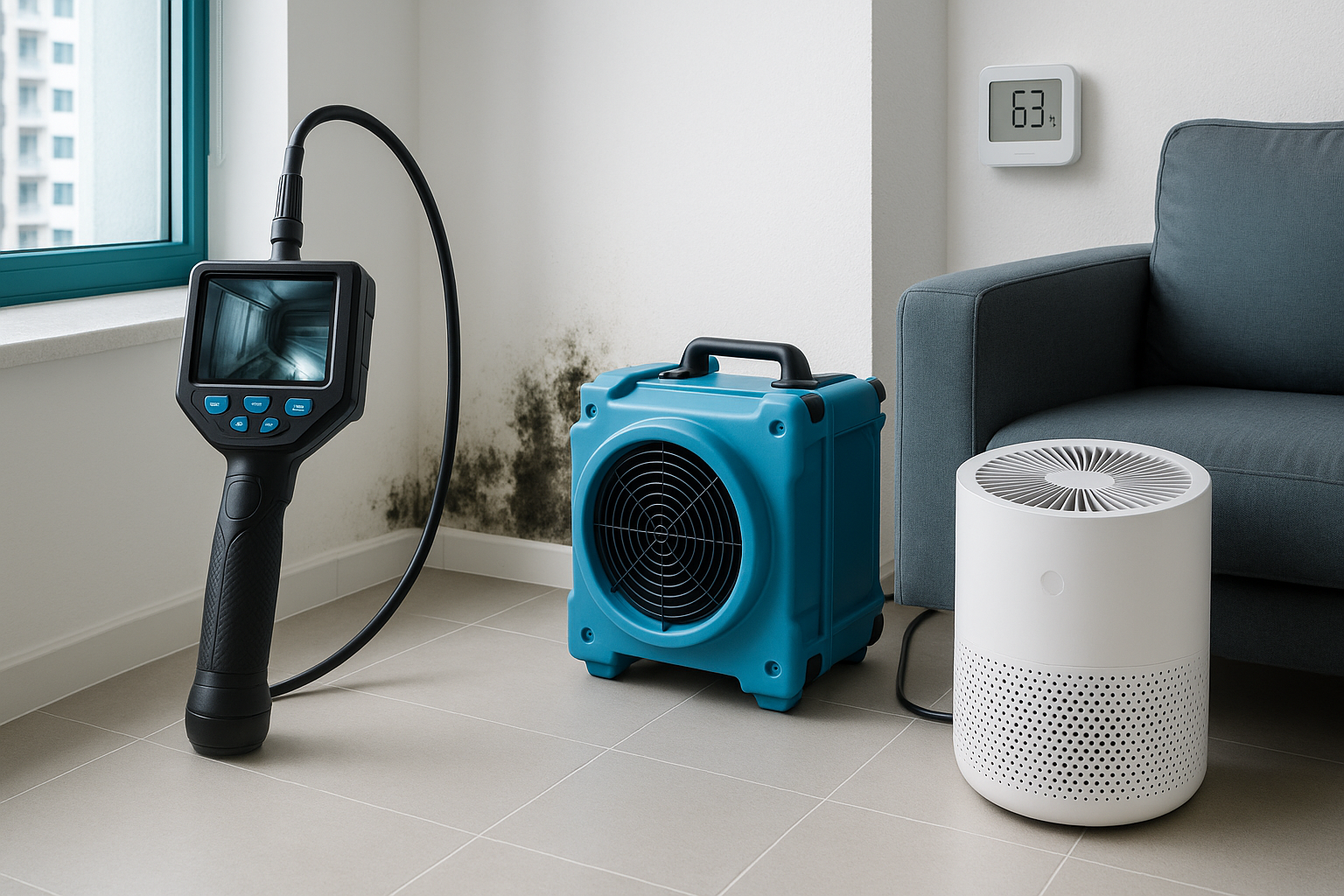
Detecting Hidden Mould Behind Walls and Furniture: A Comprehensive Guide for Singapore Homeowners
Mould is more than just an aesthetic annoyance; it can pose serious health risks and damage your property if left unchecked. In Singapore's humid climate, mould growth is a persistent issue, especially in hidden areas like behind walls and furniture. This comprehensive guide will delve into effective ways to detect hidden mould, focusing on industry best practices and leveraging years of professional experience in the field.
Why Mould is a Concern in Singapore
Singapore's equatorial climate, characterized by high humidity and warm temperatures, creates an ideal environment for mould growth. With an average annual humidity of around 84% and temperatures consistently hovering between 25°C to 31°C, mould can thrive in poorly ventilated spaces common in HDB flats, condominiums, and even landed properties.
Impact of Mould on Health and Property
Health Risks:- Respiratory issues such as asthma and allergies
- Skin irritation and sinus congestion
- Heightened risk for individuals with compromised immune systems
- Structural damage to walls and furniture
- Unpleasant odours affecting indoor air quality
- Potential devaluation of property
Key Stat: Mould can begin to grow in as little as 24 to 48 hours in suitable conditions, making swift detection and remediation crucial.
Common Areas for Hidden Mould Growth
Identifying potential hotspots for hidden mould is the first step in prevention and remediation. Here are the common areas where mould often hides:
Behind Walls
Mould behind walls is particularly insidious because it can compromise structural integrity without being immediately visible.
- Wet Walls: Leaky pipes or poor insulation can lead to moisture accumulation.
- Poor Ventilation: Areas like storerooms or concealed corners where air circulation is limited.
Behind and Under Furniture
Furniture, especially those placed against external walls, can trap moisture, providing a breeding ground for mould.
- Heavy Furniture: Large wardrobes or sofas that are seldom moved.
- Carpets and Rugs: These can absorb moisture and hide mould growth beneath.
How to Detect Hidden Mould
Detecting hidden mould involves a combination of observation, using professional tools, and sometimes engaging specialists. Here's how to approach it:
Visual and Olfactory Inspection
- Discoloured patches or peeling paint
- Water stains on walls or ceilings
- Musty or earthy smells often indicate mould presence.
Pro Tip: Use a flashlight to inspect dark corners and behind furniture for any signs of mould.
Professional Tools and Techniques
Utilizing professional-grade tools can significantly enhance detection accuracy.
Moisture Meters
- Used to measure moisture levels in walls and floors.
- Can pinpoint areas of high moisture indicative of potential mould growth.
Infrared Cameras
- Detect temperature variations that may indicate moisture build-up.
- Particularly useful for large areas or hard-to-reach spaces.
Expert Insight: Regular mould inspections using these tools can prevent small problems from escalating into costly repairs.
Best Practices for Mould Remediation
Once mould is detected, swift and effective remediation is essential. Here are industry-standard practices for addressing mould issues:
Effective Cleaning and Removal
- Seal off the area to prevent spores from spreading.
- Use solutions designed to kill mould and prevent recurrence.
- Remove and properly dispose of heavily infested materials.
Preventive Measures
- Improve Ventilation:
- Regular Maintenance:
- Use of Mould-Resistant Products:
Best Practice: Engage trained specialists for regular inspections. Their professional expertise ensures thorough detection and remediation.
Cost of Mould Inspection and Remediation in Singapore
Understanding the costs involved can help homeowners budget effectively for mould management:
Inspection Costs
- Basic Inspection: S$150 - S$300
- Comprehensive Inspection with Tools: S$400 - S$800
Remediation Costs
- Minor Mould Removal: S$500 - S$1,500
- Major Remediation Projects: S$2,000 - S$5,000
Warning: Attempting DIY mould removal can lead to ineffective results and potential health risks. Always consult with professionals.
Conclusion
Hidden mould can wreak havoc on both health and property, especially in Singapore's humid climate. By understanding where and how mould can hide, utilizing professional detection methods, and applying industry-standard remediation practices, homeowners can effectively manage and mitigate mould issues. For peace of mind and professional guidance, consider scheduling a free inspection with trained specialists to ensure your home remains a safe and healthy environment.
Frequently Asked Questions
How can I prevent mould growth in my HDB flat?
To prevent mould growth in your HDB flat, improve ventilation by using dehumidifiers and fans, especially in bathrooms and kitchens. Regularly clean and maintain areas prone to moisture, and consider using mould-resistant paints and materials in these areas.
Is it safe to remove mould myself?
While minor mould issues can sometimes be handled with household cleaning products, it is generally safer and more effective to hire professionals. They have the expertise and tools necessary to ensure thorough removal and to prevent recurrence.
How often should I have my home inspected for mould?
It's recommended to have your home inspected for mould annually, especially if you live in a high-humidity area or have had past mould issues. Regular inspections can catch problems early, preventing more significant damage and health risks.
What are the signs of hidden mould I should watch for?
Look out for musty odours, discoloured walls, peeling paint, and unexplained allergic reactions. These can all be indicators of hidden mould growth in your home.
How much does professional mould remediation cost in Singapore?
The cost of mould remediation in Singapore varies depending on the extent of the issue. Basic mould removal can range from S$500 to S$1,500, while more severe infestations may cost between S$2,000 and S$5,000.