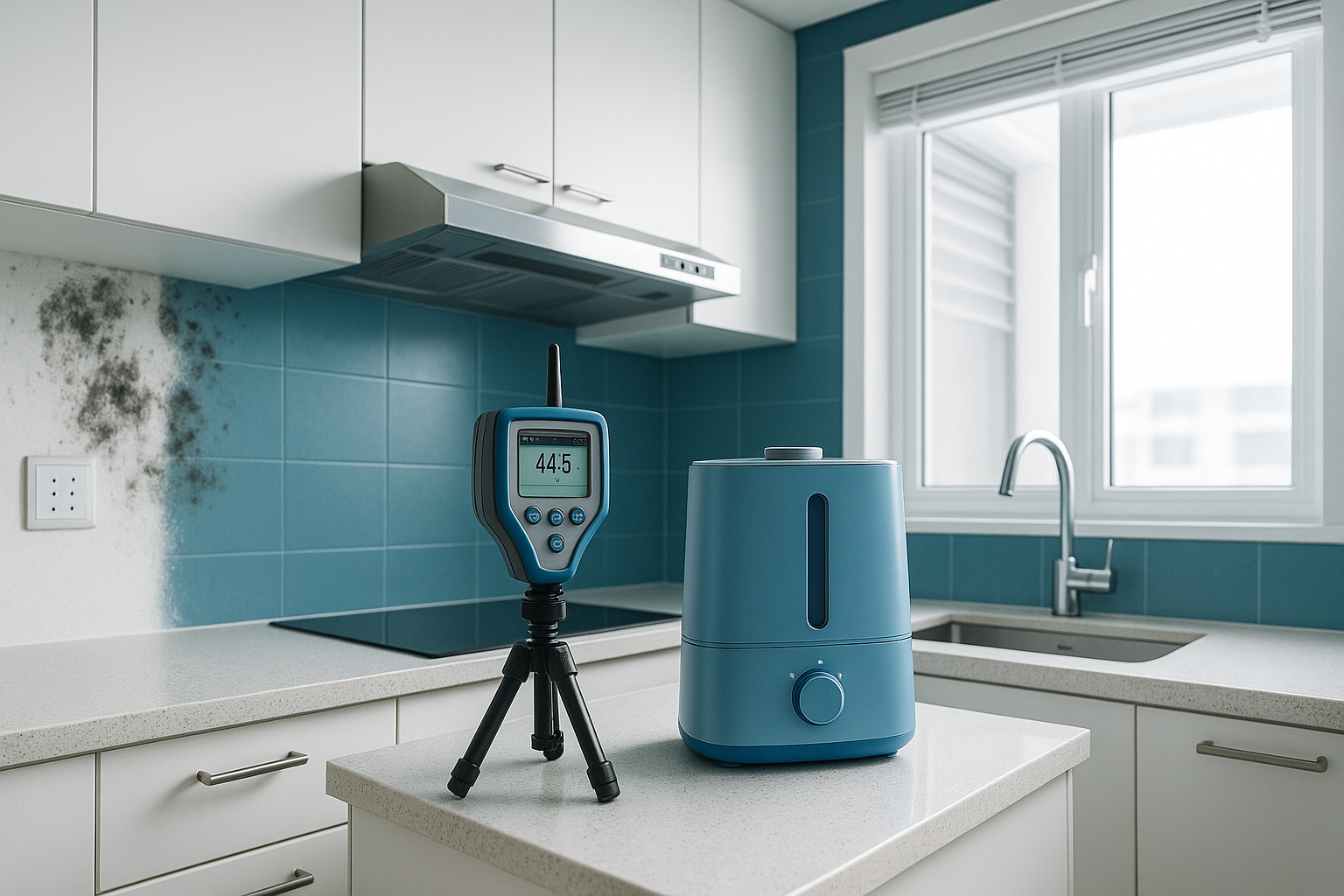
# Kitchen Mould Prevention: Keeping Your Cooking Space Safe
Mould in the kitchen is more than just an unsightly issue; it's a potential health hazard that can impact the air quality in your home. In Singapore, where the humidity levels frequently soar above 80%, kitchens become prime environments for mould growth. For homeowners in HDB flats, condos, and landed properties, understanding how to prevent mould is essential for maintaining a safe and healthy cooking space. With over 15 years of experience in the industry, I've seen the significant impact that preventive measures can have on keeping mould at bay.
The key to preventing kitchen mould lies in understanding the unique climate challenges of Singapore and implementing industry-standard practices to combat them. This comprehensive guide will delve into the specifics of mould prevention, offer actionable tips, and provide the reassurance you need to keep your kitchen safe and mould-free.
Understanding the Singapore Climate and Its Impact
Humidity: The Main Culprit
Singapore's tropical climate is characterized by high humidity levels, which are a breeding ground for mould. With the country experiencing frequent rain showers and temperatures ranging from 25°C to 31°C, indoor environments can become humid quickly. This moisture-laden air, if not managed properly, can lead to condensation and eventually mould growth.
Key Stat: Singapore's average relative humidity ranges from 70% to 90%, making it a prime environment for mould.
The Role of Property Types
Different types of properties in Singapore face unique mould challenges:
- HDB Flats: Often have compact kitchens with limited ventilation, making it crucial to ensure good airflow.
- Condominiums: May have high-end finishes that require careful maintenance to prevent mould without damaging surfaces.
- Landed Properties: Typically have larger kitchens, which can lead to unnoticed areas becoming breeding grounds for mould.
Identifying Mould-Prone Areas in the Kitchen
Common Hotspots
Mould can appear in various parts of the kitchen, and being aware of these hotspots is crucial for prevention:
- Under the Sink: Leaky pipes or condensation can create a damp environment perfect for mould.
- Behind Appliances: Areas behind fridges and stoves are often neglected during cleaning.
- Ceiling Corners: Inadequate ventilation can lead to moisture accumulation in these areas.
- Cabinetry: Poorly ventilated cabinets can trap moisture from cooking.
Pro Tip: Regularly inspect these areas for any signs of dampness or mould.
Industry-Standard Practices for Mould Prevention
Ventilation Solutions
Proper ventilation is your first line of defense against mould:
- Install Exhaust Fans: Ensure they are powerful enough to remove excess moisture generated during cooking.
- Use Dehumidifiers: Especially useful in closed kitchens or during the rainy season to maintain indoor humidity below 60%.
Regular Cleaning Protocols
Keeping your kitchen clean and dry can prevent mould from taking hold:
- Daily Wipe-Downs: Use a microfiber cloth to wipe surfaces after cooking.
- Weekly Deep Cleans: Focus on less accessible areas like behind appliances and under sinks.
Best Practice: Use a vinegar-water solution for cleaning, as vinegar is a natural mould inhibitor.
Maintenance and Repairs
Regular maintenance can prevent small issues from becoming major problems:
- Fix Leaks Immediately: Address any plumbing leaks to prevent water accumulation.
- Seal Cracks and Gaps: Use silicone sealant to seal gaps around sinks and countertops.
Professional-Grade Solutions
Advanced Dehumidification Systems
For those facing persistent mould problems, consider investing in advanced dehumidification systems. These systems are designed to maintain optimal humidity levels automatically and are particularly beneficial in larger kitchens or landed properties.
Trained Specialist Inspections
Having a professional assess your kitchen can identify potential risks and provide tailored solutions. With over 15 years of experience, trained specialists can offer insights that you might not have considered.
Expert Insight: Regular professional inspections can catch minor issues before they escalate into significant mould problems.
Cost Considerations for Mould Prevention
Initial Investments
Setting up a preventive system can involve costs, but the long-term savings from avoiding mould damage and health issues are significant:
- Exhaust Fans: S$200 to S$500
- Dehumidifiers: S$150 to S$800
- Professional Inspection: S$200 to S$400
Long-Term Savings
By preventing mould, you save on potential renovation costs, which can range from S$1,000 to S$10,000, depending on the extent of the damage.
Conclusion: Schedule a Free Inspection Today
Preventing mould in your kitchen is not just about maintaining aesthetics; it's about ensuring a healthy living environment. By implementing the strategies outlined above and opting for regular inspections, you can safeguard your kitchen against mould growth. Take the first step today by scheduling a free inspection with a professional who understands the unique challenges of the Singapore climate.
Frequently Asked Questions
How can I prevent mould in my HDB kitchen?
To prevent mould in an HDB kitchen, ensure proper ventilation by installing exhaust fans and using dehumidifiers. Regularly clean and dry surfaces, and fix any leaks promptly. Inspect common mould hotspots, such as under sinks and behind appliances, to catch any early signs of mould.
Are there natural solutions for mould prevention?
Yes, natural solutions like using a vinegar-water mixture can help prevent mould. Vinegar is a natural mould inhibitor and can be used to wipe down kitchen surfaces. Additionally, maintaining good airflow and using houseplants that reduce indoor humidity can also help.
What should I do if I find mould in my kitchen?
If you find mould in your kitchen, clean the affected area with a vinegar-water solution. Ensure the area is well-ventilated and dry. For extensive mould growth, it's advisable to contact a professional mould remediation specialist to assess and treat the issue effectively.
How often should I have my kitchen inspected for mould?
It is recommended to have your kitchen professionally inspected for mould at least once a year. However, if you notice persistent moisture issues or previous mould problems, more frequent inspections may be necessary.
Can mould affect my health if it's in my kitchen?
Yes, mould can affect health by causing respiratory issues, allergies, and skin irritation. It's important to address mould promptly to maintain good indoor air quality and safeguard the health of your household members.