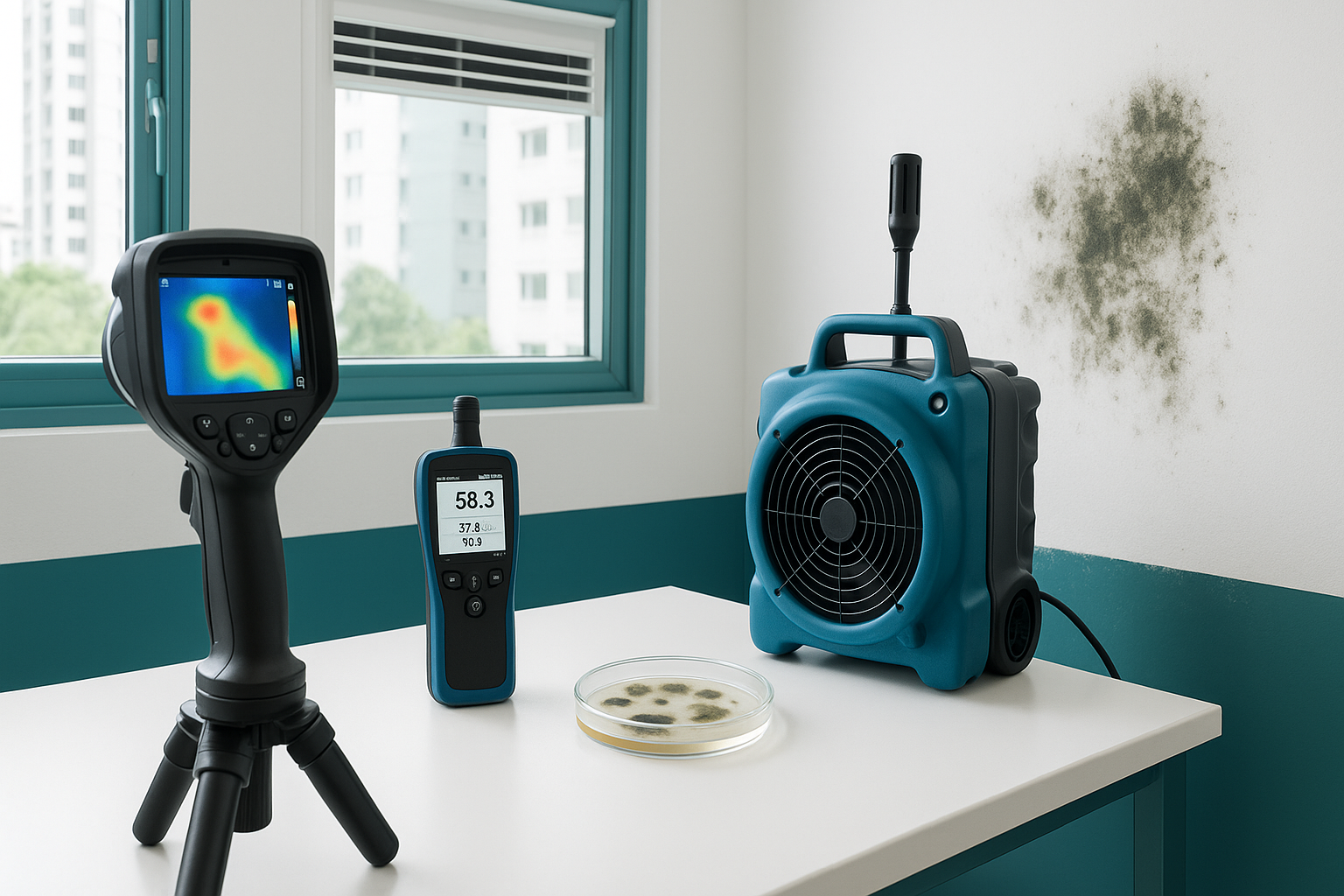
# Managing Mould in Retail Spaces: A Guide for Orchard Road Businesses
Singapore's bustling Orchard Road is not just a shopping paradise; it's also a crucial business hub. From luxury boutiques to popular retail chains, every business here understands the importance of maintaining a pristine environment. One of the most persistent challenges in such tropical climates, however, is mould growth. For business owners, understanding how to manage and mitigate mould is essential to ensure the health and safety of both employees and customers. With over 15 years of experience in the industry, I am here to guide you through the best practices for managing mould in retail spaces, especially in high-traffic areas like Orchard Road.
Understanding the Singapore Climate
The tropical climate of Singapore is characterized by high humidity levels and consistent temperatures throughout the year. These conditions are ideal for mould growth, which thrives in warm and moist environments.
Singapore's Climate Data
- Average Relative Humidity: 70-80%
- Average Temperature: 25-31°C
- Rainfall: Approximately 2340 mm annually
Key Stat: According to the Meteorological Service Singapore, the average relative humidity is consistently high, making mould prevention a constant concern for businesses.
Identifying Mould in Retail Spaces
Retail spaces, with their variety of materials and constant foot traffic, provide multiple opportunities for mould to develop. Identifying mould early can prevent extensive damage and costly repairs.
Common Areas Affected
- Carpets and Upholstery: These materials can trap moisture, providing a perfect breeding ground for mould.
- Air Conditioning Units: Often neglected in maintenance schedules, these units can become mould hotspots.
- Storage Areas: Poor ventilation and darkness make these areas especially prone to mould growth.
Signs of Mould Presence
- Musty Odour: A persistent, unpleasant smell is often the first sign of mould.
- Visible Discoloration: Look for black, green, or white spots on surfaces.
- Health Symptoms: Employees or customers experiencing allergies, sneezing, or respiratory issues may indicate mould presence.
Pro Tip: Regularly inspect less visible areas, such as behind furniture and in ceiling corners, to catch mould early.
Industry Best Practices for Mould Prevention
Preventing mould is more cost-effective than remediation. Implementing industry-standard practices can help maintain a mould-free environment.
Ventilation and Airflow
- Enhance Air Circulation: Use fans and air purifiers to maintain airflow.
- Regular HVAC Maintenance: Clean and service air conditioning units to prevent moisture buildup.
Moisture Control
- Dehumidifiers: Install dehumidifiers to maintain a relative humidity below 60%.
- Leak Repair: Promptly fix any plumbing leaks or water intrusions.
Material Selection
- Mould-Resistant Products: Opt for paint and materials treated to resist mould.
- Regular Cleaning: Use professional-grade cleaning solutions to maintain surfaces.
Best Practice: Schedule regular maintenance and inspections to detect and address potential mould issues before they become severe.
Professional Mould Remediation Techniques
For businesses already dealing with a mould problem, professional remediation is essential. Here's what a comprehensive mould remediation process involves:
Inspection and Assessment
Containment and Removal
- Isolate Affected Areas: Use physical barriers and negative air pressure to prevent spore spread.
- Safe Removal: Employ industry-standard techniques to safely remove mould without spreading spores.
Cleaning and Disinfection
- HEPA Vacuuming: Use HEPA filters to capture fine mould particles.
- Anti-Microbial Treatments: Apply professional-grade solutions to kill remaining spores and prevent future growth.
Expert Insight: Professional remediation not only eliminates existing mould but also addresses the root cause to prevent recurrence.
Cost Considerations and Budget Planning
Understanding the financial aspect of mould management can help businesses plan effectively.
Cost Breakdown
- Inspection Fees: Initial inspection costs typically range from S$200 to S$500, depending on the space size.
- Remediation Costs: Professional mould removal can vary from S$1,000 to over S$5,000, depending on severity and extent.
- Preventative Measures: Investing in dehumidifiers and regular maintenance can range from S$500 to S$2,000 annually.
Warning: Delaying mould remediation can lead to higher costs due to extensive structural damage and health implications.
Conclusion: Protect Your Business
Effective mould management is crucial for maintaining a healthy retail environment in Singapore's unique climate. By implementing industry best practices and seeking professional expertise when necessary, businesses on Orchard Road can protect their investments and ensure a safe, welcoming space for all.
Ready to take control of mould in your retail space? Schedule a free mould inspection with our trained specialists today to ensure your business remains a safe and appealing destination for customers.
Frequently Asked Questions
How can I prevent mould growth in my retail space?
To prevent mould growth, ensure good ventilation and control indoor humidity by using dehumidifiers. Regularly clean and inspect your HVAC systems, and promptly repair any water leaks. Additionally, choose mould-resistant materials for your retail space and maintain an environment with a relative humidity below 60%.
What are the signs that my retail space has a mould problem?
Common signs of a mould problem include a persistent musty odour, visible mould spots (black, white, or green) on surfaces, and health complaints from employees or customers such as allergies or respiratory issues. Regular inspections of hidden areas such as behind furniture and storage rooms can help identify mould early.
Why is professional mould remediation important?
Professional mould remediation is crucial because it ensures the complete removal of mould and addresses the underlying causes, preventing future outbreaks. Trained specialists use industry-standard techniques to safely remove mould and apply treatments that eliminate spores, protecting your business from health risks and structural damage.
How much does professional mould remediation cost in Singapore?
The cost of professional mould remediation in Singapore can range from S$1,000 to over S$5,000, depending on the severity and extent of the mould problem. Initial inspection fees typically range from S$200 to S$500. Investing in preventative measures such as dehumidifiers can cost between S$500 and S$2,000 annually.