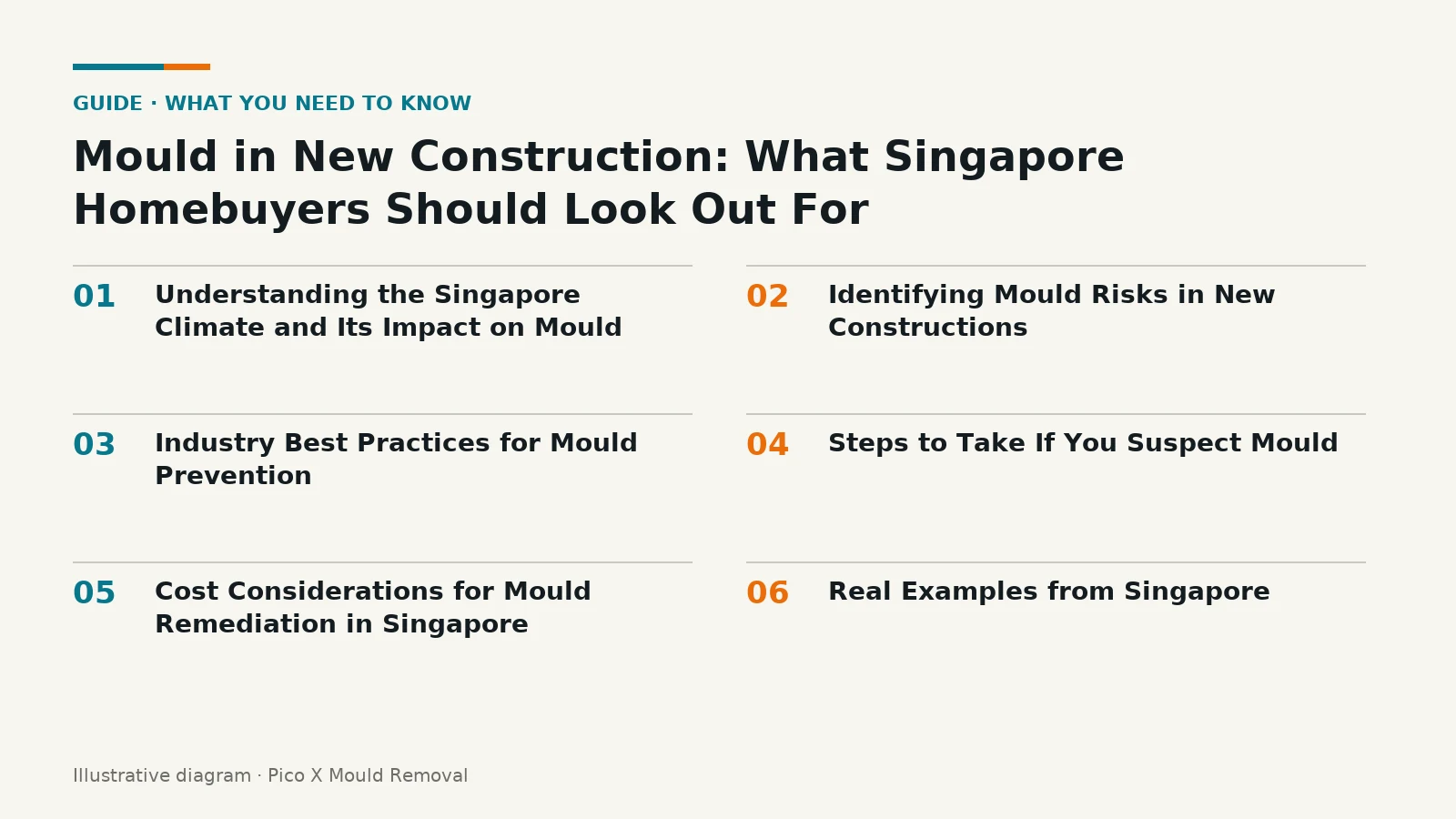
# Mould in New Construction: What Singapore Homebuyers Should Look Out For
In Singapore, a city known for its modern infrastructure and rapid development, new construction projects are constantly reshaping the skyline. However, amidst the allure of shiny new buildings, a hidden problem can lurk: mould. Many homebuyers, eager to secure a new property, might overlook the potential for mould growth within these fresh constructions. This oversight can lead to long-term health and structural issues. As a seasoned mould remediation specialist with over 15 years of industry experience, I am here to shed light on what Singapore homebuyers should look out for when purchasing a new home.
Understanding the Singapore Climate and Its Impact on Mould
Singapore's Humid Climate
Singapore's tropical climate is characterized by high humidity and consistent rainfall throughout the year. The average relative humidity is around 84%, creating an ideal environment for mould growth. This is exacerbated by the frequent rains, especially during the monsoon seasons, which can lead to moisture accumulation in buildings.
Key Stat: The average annual rainfall in Singapore is approximately 2,340 millimeters, providing ample opportunity for moisture-related issues.
Consequences of Mould Growth
Mould can cause a range of issues from health problems like allergies and respiratory issues to structural damage, affecting the longevity and safety of a property. For new constructions, this is particularly concerning as it can compromise the integrity of your investment from the start.
Identifying Mould Risks in New Constructions
Common Areas for Mould Growth
Even new constructions aren't immune to mould. Key areas of concern include:
- Bathrooms and Kitchens: These areas are prone to moisture due to plumbing and are ideal breeding grounds for mould.
- Windows and Doors: Improper sealing can lead to water ingress.
- Air Conditioning Systems: Poor installation and maintenance can lead to condensation and mould growth.
Signs of Mould in New Properties
Homebuyers should look for:
- Discoloration: Patches of green, black, or brown on walls and ceilings.
- Musty Odors: A persistent musty smell can indicate hidden mould.
- Peeling Paint or Wallpaper: This can be a sign of moisture buildup behind surfaces.
Expert Insight: During property viewings, always inspect areas that are less visible, such as under sinks and behind appliances, for any signs of mould or moisture.
Industry Best Practices for Mould Prevention
Designing for Ventilation
Proper ventilation is crucial in preventing mould. New constructions should incorporate:
- Cross Ventilation: Ensure windows and ventilation openings allow for adequate airflow.
- Dehumidifiers: Consider installing professional-grade dehumidifiers in areas prone to high humidity.
Quality Building Materials
Using mould-resistant materials can significantly reduce the risk of mould. These include:
- Mould-Resistant Drywall: Specially designed to withstand moisture.
- Waterproof Membranes: Applied in bathrooms and kitchens to prevent moisture penetration.
Regular Maintenance
Even new properties require ongoing maintenance to prevent mould:
- HVAC Systems: Regular checks and cleaning to prevent condensation buildup.
- Roof and Gutter Checks: Ensure there are no leaks or blockages that could lead to water intrusion.
Steps to Take If You Suspect Mould
Best Practice: Always choose professionals with a proven track record and industry-standard training to ensure effective mould remediation.
Cost Considerations for Mould Remediation in Singapore
Inspection and Assessment
Expect to pay between S$200 to S$500 for a comprehensive mould inspection by a professional.
Remediation Costs
The cost of remediation can vary depending on the severity and location of the mould:
- Minor Issues: S$500 to S$1,500
- Moderate to Severe Infestations: S$2,000 to S$5,000
Investing in professional remediation early can save you significant costs and health issues in the long run.
Real Examples from Singapore
Case Study: New Condo in Tampines
A new condo in Tampines experienced unexpected mould growth due to inadequate ventilation in the bathrooms. By implementing professional-grade ventilation solutions and using mould-resistant paint, the issue was resolved effectively.
Success Story: Landed Property in Jurong
A landed property in Jurong faced mould issues in the basement due to high humidity. Installing a robust dehumidification system and sealing wall cracks helped eliminate the problem and prevent recurrence.
Conclusion: Take Action Now
Mould in new construction is a serious concern that requires immediate attention. As a homebuyer in Singapore, it's crucial to be proactive in identifying potential risks and taking preventive measures. Don't wait until it's too late—schedule a free inspection with trained specialists who adhere to industry standards and safeguard your investment.
---
Frequently Asked Questions
What are the signs of mould in a new construction property?
Signs of mould in new properties include discoloration on walls or ceilings, a persistent musty odor, and peeling paint or wallpaper. It's important to inspect these areas thoroughly, even in brand-new constructions, to identify any hidden mould issues.
How can I prevent mould growth in my new HDB flat?
To prevent mould in a new HDB flat, ensure proper ventilation by using exhaust fans and opening windows regularly. Consider using mould-resistant paint and materials, and conduct regular maintenance checks on plumbing and HVAC systems to avoid moisture buildup.
Is it common to find mould in new condos in Singapore?
Yes, due to Singapore's humid climate, it's not uncommon to find mould in new condos. Factors such as inadequate ventilation, construction defects, and high humidity levels can contribute to mould growth even in newly built properties.
What should I do if I find mould in my newly purchased property?
If you find mould in your newly purchased property, it's crucial to conduct a thorough inspection by a trained specialist to assess the extent of the problem. Following this, professional remediation should be undertaken to effectively remove the mould and prevent future occurrences.
How much does mould remediation cost in Singapore?
The cost of mould remediation in Singapore varies based on the severity of the infestation. Inspections typically cost between S$200 to S$500, while remediation can range from S$500 for minor issues to S$5,000 for severe infestations. Investing in professional services can save future expenses and health risks.