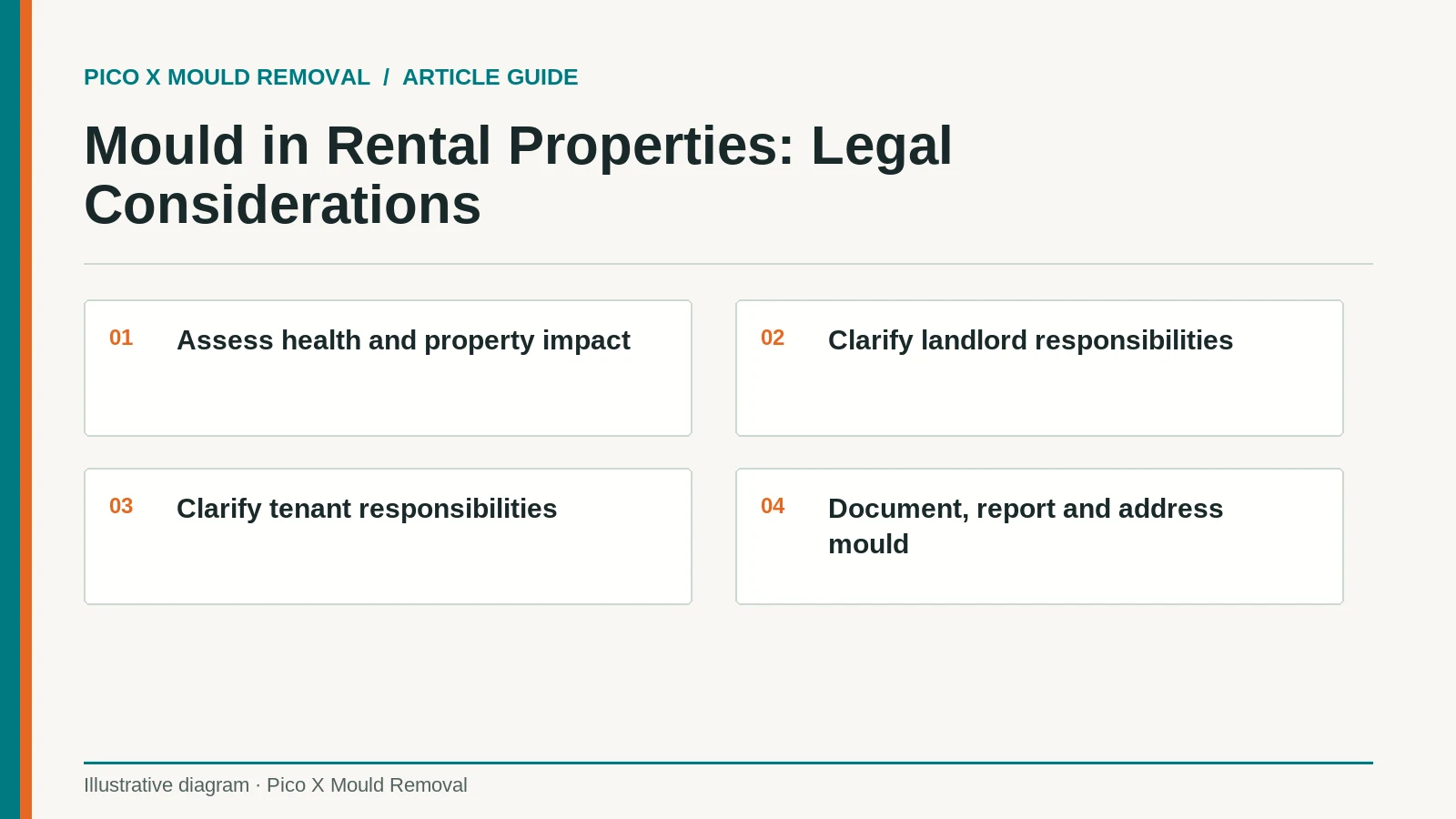
Mould in Rental Properties: Legal Considerations
Understanding Mould in Singapore’s Unique Climate
Singapore's tropical climate, characterized by high humidity and consistent temperatures, creates an ideal environment for mould growth. With an average relative humidity of around 84%, it's no surprise that mould issues are common in many properties across the island, from HDB flats in Tampines to luxury condos in Marina Bay. This article will delve into the legal considerations surrounding mould in rental properties, offering insights and actionable advice for homeowners and tenants alike.
The Impact of Mould on Health and Property
Mould is more than just an aesthetic issue; it poses serious health risks and can significantly damage property. Common health issues associated with mould exposure include respiratory problems, allergic reactions, and in severe cases, long-term health conditions. From a property perspective, unchecked mould can lead to structural damage, resulting in costly repairs.
Pro Tip: Regular inspections and maintenance are crucial to prevent mould from taking hold, especially in high-risk areas like bathrooms and kitchens.
Legal Responsibilities of Landlords and Tenants
Landlord Obligations
- Property Maintenance: Landlords are generally responsible for maintaining the property in a habitable condition, which includes addressing mould issues promptly.
- Disclosure: Any history of mould problems should be disclosed to prospective tenants to avoid legal disputes.
- Repairs: If mould arises due to structural issues or leaks, the landlord is typically responsible for the repairs.
Tenant Responsibilities
- Prompt Reporting: Tenants should report any signs of mould immediately to avoid escalation.
- Routine Cleaning: Regular cleaning and ventilation are essential to prevent mould growth, especially in humid climates like Singapore.
- Damage Prevention: Tenants should take reasonable steps to prevent mould, such as using dehumidifiers and ensuring good ventilation.
Expert Insight: Clear communication and a well-drafted tenancy agreement can prevent disputes over mould-related issues.
Industry Best Practices for Mould Remediation
Inspection and Assessment
A thorough inspection by trained specialists is the first step in addressing mould. Using industry-standard practices, professionals can identify the extent of the problem and recommend appropriate solutions.
Remediation Process
Once the assessment is complete, the remediation process can begin. Here are the professional-grade steps typically involved:
Best Practice: Engage professionals with extensive experience in local properties to ensure effective remediation.
Cost of Mould Remediation in Singapore
The cost of mould remediation can vary significantly based on the severity of the infestation and property type. Here's a general breakdown:
- Inspection and Testing: S$150 - S$300
- Minor Remediation (Single Room): S$500 - S$1,000
- Major Remediation (Whole Property): S$2,000 - S$5,000
These costs can fluctuate based on factors such as property location and the extent of damage. It's advisable to obtain quotes from multiple specialists to ensure competitive pricing.
Preventative Measures for Homeowners and Tenants
For Homeowners
- Regular Inspections: Schedule regular inspections to catch issues early.
- Humidity Control: Invest in dehumidifiers and ensure proper ventilation.
- Repairs and Maintenance: Address leaks and structural issues promptly.
For Tenants
- Good Housekeeping: Maintain a clean and dry environment.
- Ventilation: Use exhaust fans and open windows regularly to reduce humidity.
- Immediate Reporting: Notify landlords of any signs of mould or moisture.
Key Stat: Properties with regular maintenance and humidity control are 50% less likely to suffer from severe mould infestations.
Conclusion
Mould in rental properties is a common issue in Singapore's humid climate, but understanding the legal obligations and best practices for remediation can help mitigate its impact. Whether you're a landlord or tenant, taking proactive steps to prevent and address mould is crucial. For a comprehensive evaluation and tailored solutions, schedule a free inspection with our expert team today.
Frequently Asked Questions
What are the health risks associated with mould exposure in Singapore?
Mould exposure can lead to a range of health issues, including respiratory problems, allergic reactions, and in some cases, long-term health conditions. In Singapore's humid climate, it's important to address mould issues promptly to prevent these health risks.
Who is responsible for mould remediation in rental properties?
In Singapore, landlords are typically responsible for addressing mould issues that arise from structural problems or leaks. Tenants, however, are responsible for maintaining cleanliness and reporting any mould issues promptly.
How can I prevent mould growth in my HDB flat?
To prevent mould growth in an HDB flat, ensure good ventilation by using exhaust fans, keep the living space dry, use dehumidifiers, and conduct regular cleaning. Promptly report any leaks or signs of mould to your landlord.
What should I do if I find mould in my rental property?
If you find mould in your rental property, report it to your landlord immediately. Take steps to ventilate and dry the area, and consider engaging a professional mould remediation specialist for a thorough assessment and remediation.
How much does professional mould removal cost in Singapore?
The cost of professional mould removal in Singapore can range from S$500 for minor remediation to S$5,000 for major infestations, depending on the extent of the problem and the property's size. It's advisable to get multiple quotes to ensure competitive pricing.