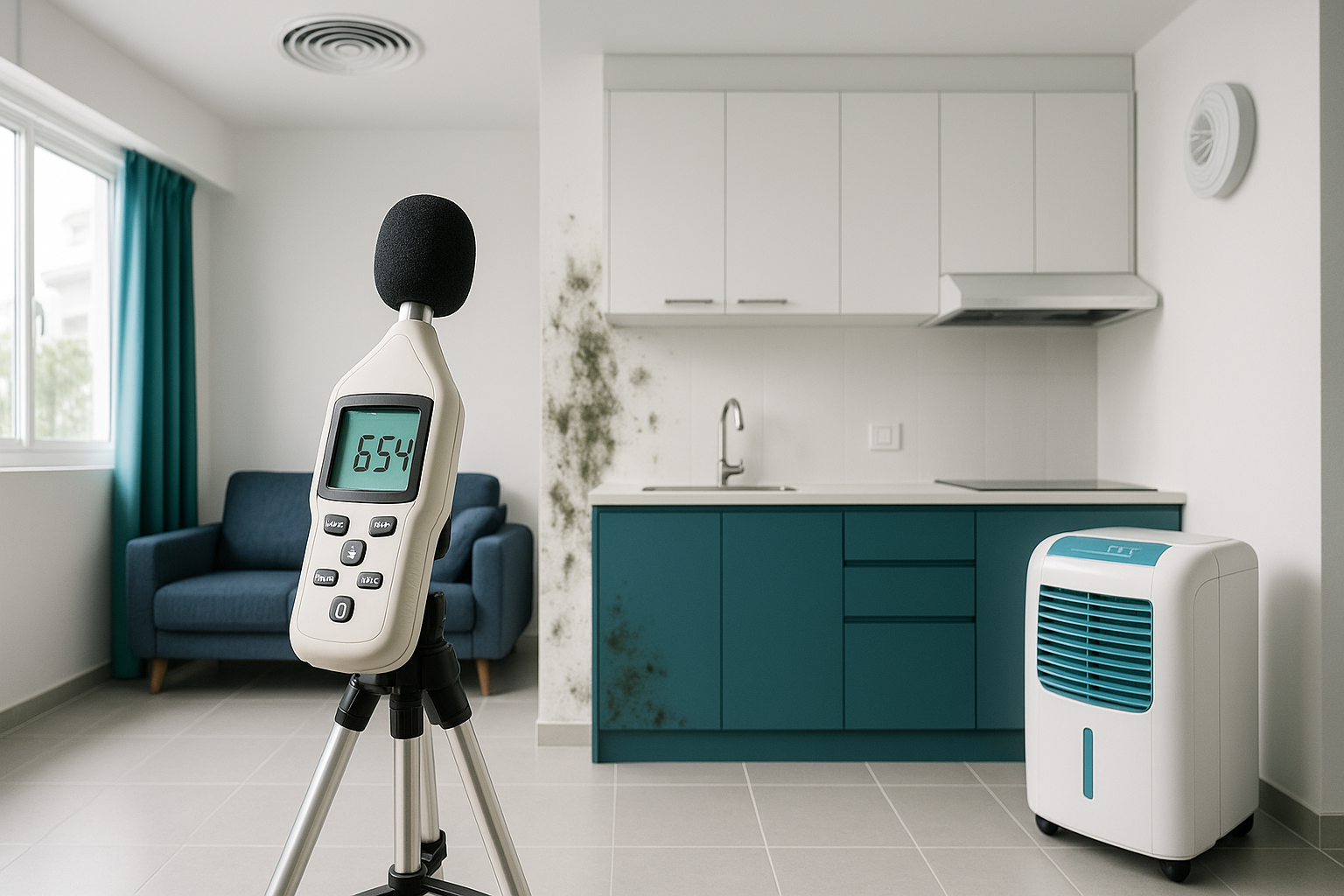
Mould Prevention Challenges in Singapore's New HDB Smart Homes
Singapore's skyline is ever-evolving with new Housing & Development Board (HDB) smart homes that promise enhanced living experiences through technology and sustainability. However, alongside these advancements comes a persistent challenge: mould. The tropical climate of Singapore, characterized by high humidity and consistent rainfall, creates a perfect breeding ground for mould, a challenge that these modern homes must face.
But why does mould find its way into even the most sophisticated of homes? Despite the technological advancements, the environmental conditions inherent to Singapore's geography make it susceptible to mould growth. Understanding these challenges and implementing effective prevention strategies are crucial for every homeowner.Understanding Singapore's Climate and Its Impact on Mould Growth
High Humidity Levels
Singapore experiences an average relative humidity of about 84%, which is ideal for mould growth. This humidity is exacerbated during the monsoon seasons when moisture levels can soar.
- Pro Tip: Maintain indoor humidity levels between 30% and 50% to inhibit mould growth using dehumidifiers and air conditioning.
Consistent Rainfall
The equatorial location of Singapore results in frequent rain, with November to January being the wettest months. This rain increases moisture in the air and can lead to water intrusion in homes if not properly sealed.
- Best Practice: Ensure all windows and doors are properly sealed to prevent water seepage during heavy rains.
The Unique Challenges of HDB Smart Homes
Advanced Technology, Traditional Problem
While HDB smart homes incorporate intelligent systems for energy efficiency and connectivity, they also introduce new surfaces and materials that can be prone to mould if not maintained correctly.
- Expert Insight: Advanced homes require regular maintenance of both traditional and new materials to prevent mould.
Airtight Living Spaces
Smart homes are often designed to be more energy-efficient, which can mean tighter, more airtight living spaces. While this is excellent for energy conservation, it can also trap moisture inside, leading to mould.
- Warning: Ensure adequate ventilation even in energy-efficient homes to allow moisture to escape.
Effective Mould Prevention Strategies
Regular Inspections and Maintenance
Ventilation and Air Quality
- Install exhaust fans in areas like bathrooms and kitchens to improve airflow.
- Use air purifiers with HEPA filters to capture airborne mould spores.
Moisture Control
- Dehumidifiers: Use in high-humidity areas to maintain optimal moisture levels.
- Seal Gaps: Ensure windows and doors are properly sealed and insulated.
Smart Home Solutions
- Smart Sensors: Deploy humidity and moisture sensors that alert homeowners to potential issues before they become significant problems.
- Automated Ventilation Systems: Use smart home technology to automate ventilation when needed.
Real-Life Case Studies: Mould Management in Singaporean Homes
Tampines: A Success Story
In Tampines, a homeowner faced recurring mould issues due to inadequate ventilation in his newly renovated kitchen. By collaborating with a professional mould remediation specialist, he installed proper ventilation systems and dehumidifiers. The result was a significant reduction in indoor humidity levels and the complete eradication of mould.
Bishan: Overcoming Structural Challenges
A Bishan HDB flat experienced mould growth in the bathroom due to poor drainage. After addressing the drainage issues and applying professional-grade mould inhibitors, the family enjoyed a mould-free environment.
Cost Considerations for Mould Prevention
Preventing mould is an investment in your home's longevity and your family's health. Here's a breakdown of the potential costs involved:
- Dehumidifiers: S$200 - S$600 depending on capacity and features.
- Professional Inspections: S$150 - S$300 per session.
- Ventilation Systems: S$500 - S$2,000 depending on the complexity and technology.
Key Stat: Investing in mould prevention can save up to 50% in potential remediation costs compared to addressing mould after it has developed.
Conclusion: Taking Action Against Mould
Mould prevention in Singapore's new HDB smart homes is a challenge that requires a proactive approach. By understanding the local climate, implementing effective prevention strategies, and investing in smart technology, homeowners can protect their homes and health.
Ready to safeguard your home against mould? Schedule a free inspection with our team of trained specialists today and take the first step towards a healthier living environment.Frequently Asked Questions
How does Singapore's climate affect mould growth?
Singapore's tropical climate, characterized by high humidity and frequent rainfall, creates an ideal environment for mould growth. High moisture levels in the air can lead to condensation and increased dampness in homes, which promotes mould development.
What are the most effective ways to prevent mould in HDB smart homes?
To prevent mould in HDB smart homes, ensure regular inspections, maintain optimal humidity levels with dehumidifiers, and improve ventilation with exhaust fans. Employ smart home technology like humidity sensors for proactive moisture control.
Are there specific areas in HDB flats that are more prone to mould?
Yes, areas such as bathrooms, kitchens, and basements are more prone to mould due to higher moisture levels. Regular checks, proper sealing, and adequate ventilation can help mitigate mould risks in these areas.
How much does it cost to install dehumidifiers and ventilation systems in Singapore?
The cost of dehumidifiers ranges from S$200 to S$600, while ventilation systems can cost between S$500 and S$2,000 depending on the complexity and features required. Investing in these systems can significantly reduce mould risk.
Can smart home technology help in mould prevention?
Yes, smart home technology can be highly effective in mould prevention. Humidity and moisture sensors can alert homeowners to potential issues early, while automated ventilation systems can manage airflow to keep moisture levels in check.