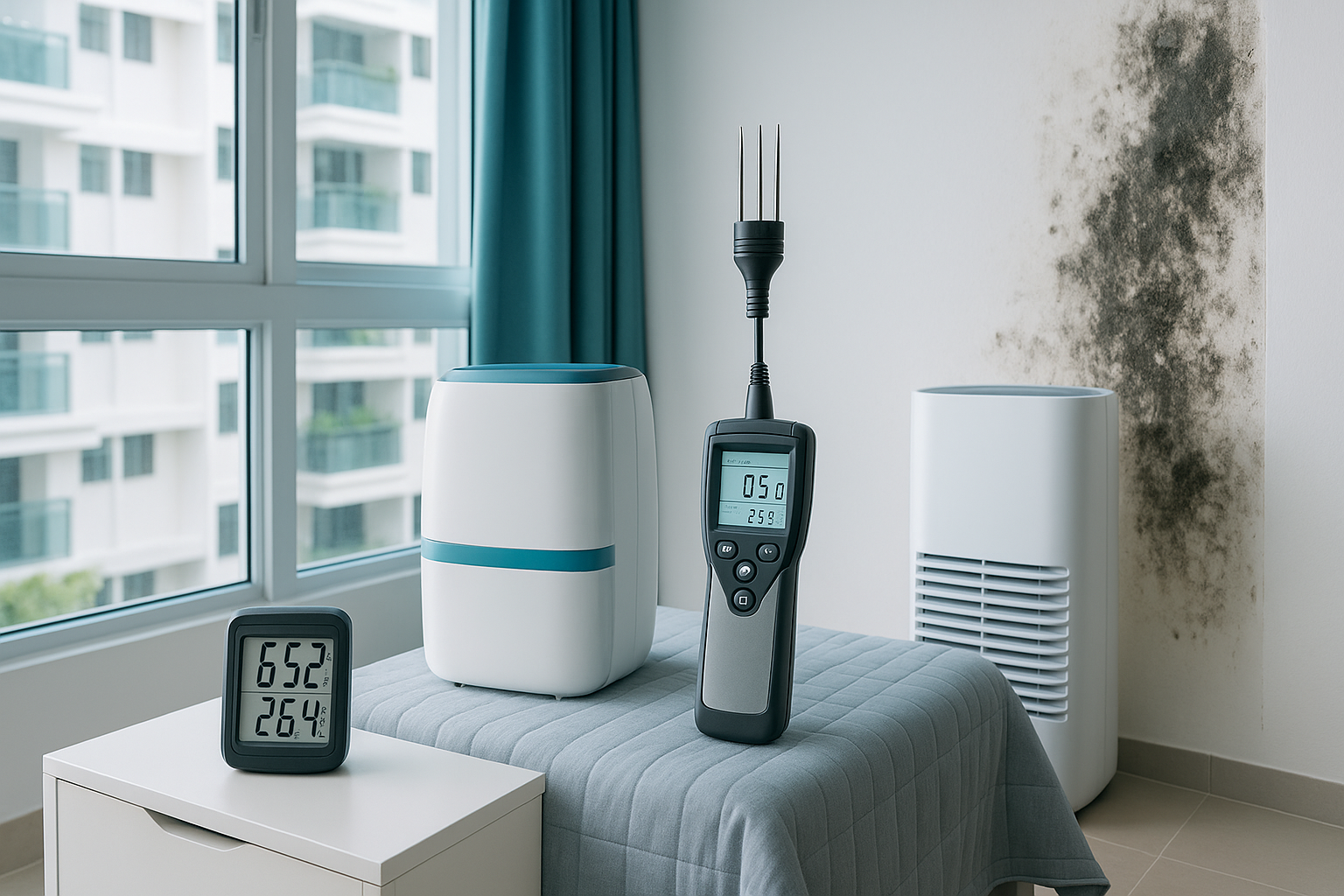
# Natural Mould Prevention Methods Safe for Children and Pets
Mould is a persistent issue for many Singaporean homeowners. Given our tropical climate, with high humidity levels and frequent rainfall, mould thrives in various residential settings, from HDB flats in Tampines to luxurious condos in Marina Bay. While conventional mould removal methods can be effective, they often involve harsh chemicals that may not be safe for young children and pets. This blog post explores natural mould prevention methods that prioritize safety without compromising on effectiveness.
Understanding Mould and Its Effects
What is Mould?
Mould is a type of fungus that grows in damp environments. It reproduces through tiny spores that travel through the air and settle on moist surfaces, where they begin to grow. Common indoor mould types include Cladosporium, Penicillium, and Aspergillus.
Health Implications
Key Stat: According to the National Environment Agency (NEA), mould exposure can lead to respiratory problems, allergic reactions, and in severe cases, neurological effects.- Children and pets are particularly vulnerable to mould exposure due to their developing immune systems.
- Symptoms of mould exposure include coughing, sneezing, skin irritation, and in severe cases, asthma attacks.
Warning: Prolonged exposure to mould can severely affect indoor air quality and pose health risks. It is crucial to address mould issues promptly.
Singapore's Unique Climate and Mould Growth
Climate Overview
Singapore's climate is characterized by high humidity levels, averaging around 84% annually, and consistent rainfall throughout the year. These conditions create an ideal environment for mould growth in poorly ventilated areas.
Common Mould-Prone Areas
- HDB Flats: Bathrooms and kitchens are particularly susceptible due to limited ventilation.
- Condos: Air-conditioned rooms where condensation occurs frequently.
- Landed Properties: Basements and crawl spaces that may not be adequately waterproofed.
Expert Insight: Regular monitoring of humidity levels in your home can help preempt mould growth. Aim to keep indoor humidity below 60%.
Natural Mould Prevention Methods
Ventilation and Air Circulation
Proper ventilation is crucial in preventing mould growth. Here are some tips:
- Ensure regular airflow by opening windows and doors to let fresh air circulate.
- Use exhaust fans in bathrooms and kitchens to reduce moisture build-up.
- Install air purifiers with HEPA filters to capture mould spores and improve air quality.
Humidity Control
Controlling humidity is a proactive way to prevent mould:
Pro Tip: Consider using natural moisture absorbers like Himalayan salt lamps, which can help reduce humidity naturally.
Natural Cleaning Solutions
Commercial cleaning products often contain harsh chemicals. Instead, try these natural solutions:
- Vinegar: Mix a solution of equal parts vinegar and water. Spray on affected areas and let sit for one hour before wiping clean.
- Baking Soda: Combine with water to form a paste. Apply to mouldy surfaces, scrub gently, and rinse.
- Essential Oils: Tea tree oil and eucalyptus oil have antifungal properties. Add a few drops to your cleaning routine for an extra mould-fighting boost.
Best Practice: Regularly clean and inspect high-risk areas to prevent mould from taking hold.
Safe Mould Prevention for Children and Pets
When choosing prevention methods, consider the safety of children and pets:
Child-Safe Practices
- Use non-toxic cleaning solutions that won't pose health risks if accidentally ingested.
- Ensure proper ventilation in play areas to reduce the risk of mould exposure.
Pet-Safe Practices
- Avoid using essential oils directly around pets, as some oils can be harmful to animals.
- Keep pet bedding and feeding areas dry and clean to prevent mould growth.
Warning: Always test a small area first when using natural cleaning solutions to ensure no adverse reactions occur.
Compliance with NEA Guidelines
What Does NEA Recommend?
The NEA provides guidelines for maintaining indoor air quality and preventing mould growth:
- Regular cleaning and maintenance of HVAC systems.
- Prompt repair of leaks and water damage.
- Use of mould-resistant materials in construction and renovation.
Implementing NEA Guidelines
- Follow the NEA's advice on regular inspections for early detection of mould.
- Engage professional services if mould spreads beyond your control.
Expert Insight: Adhering to NEA guidelines not only helps in mould prevention but also ensures a healthier living environment.
Conclusion
Natural mould prevention methods offer a safe and effective way to protect your home and loved ones from the adverse effects of mould. By understanding the unique challenges posed by Singapore's climate and implementing the strategies outlined above, you can maintain a mould-free environment.
If you're concerned about mould in your home, schedule a free inspection with our professional mould remediation services. Our experts are ready to assist you in creating a healthier home environment.
---
Frequently Asked Questions
How can I tell if there is mould in my HDB flat?
Look for visible signs of mould, such as black or green spots on walls, ceilings, or tiles. Musty odours are also a strong indicator of hidden mould. Regularly inspect areas with high moisture levels, like bathrooms and kitchens, for early detection.
Are natural mould prevention methods effective?
Yes, natural methods can be very effective when used correctly. They focus on controlling the environment to prevent mould growth, such as reducing humidity and improving ventilation, which are critical factors in mould prevention.
What should I do if I find mould in my home?
If you discover mould, clean small areas using natural solutions like vinegar or baking soda. For larger infestations, it’s best to engage professional mould remediation services to safely and effectively remove the mould and address the underlying cause.
Is it necessary to hire a professional for mould inspection?
While small mould issues can often be managed independently, a professional inspection can identify hidden mould and underlying issues. Professionals also provide a comprehensive plan to address mould growth, ensuring long-term prevention.
Can mould return after cleaning?
Mould can return if the underlying moisture issue is not resolved. It is crucial to fix leaks, improve ventilation, and maintain low humidity levels to prevent mould from recurring.