Safe DIY Mould Removal: Step-by-Step Guide for Singapore Homes
Singapore's tropical climate can be both a blessing and a curse. While the warm, humid environment is perfect for lush greenery, it also creates ideal conditions for mould growth in homes. Whether you're living in an HDB flat in Tampines, a condo in Marina Bay, or a landed property in Bishan, mould can become a persistent and unwelcome guest.
Key Stat: According to industry observations, approximately 60% of homes in Singapore encounter mould issues due to high humidity levels, often exceeding 85% relative humidity.
In this comprehensive guide, we'll share industry-standard practices for safe DIY mould removal. With over 15 years of experience in mould remediation in Singapore, we understand the challenges homeowners face. Our step-by-step approach will equip you with the knowledge to tackle mould issues effectively without professional intervention, saving you time and money.
Understanding Mould and Its Causes
What is Mould?
Mould is a type of fungus that thrives in damp, warm environments. It spreads through airborne spores and can grow on various surfaces, including walls, ceilings, and floors. While it is a natural part of the environment, mould can cause health issues and damage to property if left unchecked.
Causes of Mould in Singapore Homes
- High Humidity: Singapore's climate with consistent 80% and above humidity levels creates a perfect environment for mould growth.
- Poor Ventilation: Inadequate airflow in areas like bathrooms and kitchens can trap moisture, promoting mould development.
- Water Leaks: Leaking pipes or roofs can introduce additional moisture, exacerbating mould issues.
Expert Insight: Regularly checking for and repairing leaks can significantly reduce the risk of mould growth in your home.
Essential Tools and Materials for DIY Mould Removal
Before you begin, gather the following professional-grade tools and materials. These are essential for safe and effective mould remediation:
- Protective Gear: N95 masks, gloves, and safety goggles to protect against mould spores.
- Cleaning Solutions: Use industry-standard cleaning agents like a vinegar-water solution or a professional-grade mould remover.
- Scrubbing Tools: Brushes and non-abrasive sponges for scrubbing surfaces.
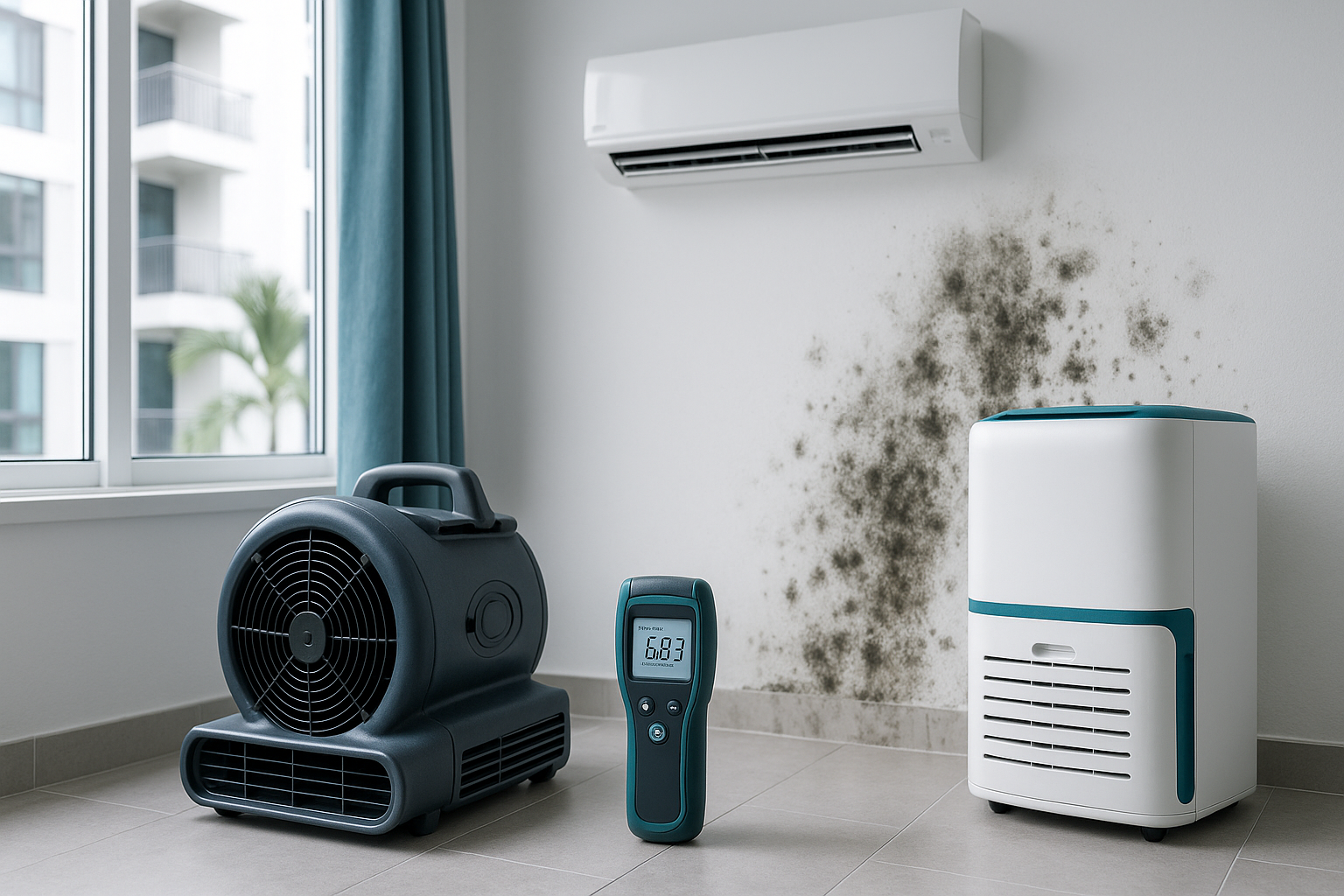
- Dehumidifiers: To lower humidity levels and prevent future mould growth.
- Sealants: For repairing leaks and sealing surfaces post-cleaning.
Step-by-Step DIY Mould Removal Guide
Step 1: Preparation
Step 2: Safety First
Step 3: Cleaning the Mould
Step 4: Post-Cleaning Measures
Pro Tip: Regularly monitor humidity levels in your home using a hygrometer to keep conditions unfavourable for mould growth.
Preventing Mould in Singapore Homes
Regular Maintenance
- Inspect and Repair Leaks: Regularly check for leaks in plumbing and roofing and address them immediately.
- Improve Ventilation: Install exhaust fans in bathrooms and kitchens to enhance airflow.
Humidity Control
- Use Dehumidifiers: Especially in high-humidity areas like Jurong and Tampines, maintain indoor humidity levels with dehumidifiers.
- Air Conditioning: Regular use of air conditioning can help control indoor humidity.
Cost Considerations
DIY mould removal can be cost-effective, but it's essential to account for the expenses involved:
- Protective Gear and Tools: Approximately S$100 to S$150 for initial purchases.
- Cleaning Solutions: Prices range from S$10 to S$50 depending on the product.
- Dehumidifiers: A quality unit can cost between S$200 and S$500.
Best Practice: Regular maintenance and preventive measures can save significant costs in the long run by avoiding extensive mould damage.
Conclusion
Tackling mould issues in your Singapore home doesn't have to be daunting. With the right tools, knowledge, and precautions, you can manage minor infestations effectively. However, if mould problems persist or are widespread, consider consulting with trained mould remediation specialists to ensure thorough and safe removal.
Call to Action: Not sure if your mould issue is manageable on your own? Schedule a free inspection with our professional team today to assess your home's needs.Frequently Asked Questions
What are the health risks associated with mould in homes?
Mould exposure can lead to respiratory issues, allergic reactions, and skin irritation. Individuals with asthma or weakened immune systems may experience more severe symptoms.
Can I use bleach to remove mould?
While bleach can kill surface mould, it is not always effective for porous surfaces where mould roots can remain. Professional-grade mould removers or vinegar solutions are often more effective for long-term results.
How can I prevent mould growth in high-humidity areas like bathrooms?
Ensure proper ventilation by using exhaust fans, regularly clean surfaces, and consider a dehumidifier to maintain humidity levels below 60%.
Is it safe to remove mould myself if I have children or pets?
Yes, but take extra precautions such as sealing off the area, using protective gear, and ensuring the space is well-ventilated. Children and pets should be kept away from the area during the cleaning process.
When should I call a professional for mould removal?
If mould covers a large area (over 1 square meter), recurs after cleaning, or if you experience persistent health symptoms, it's advisable to seek professional assistance.