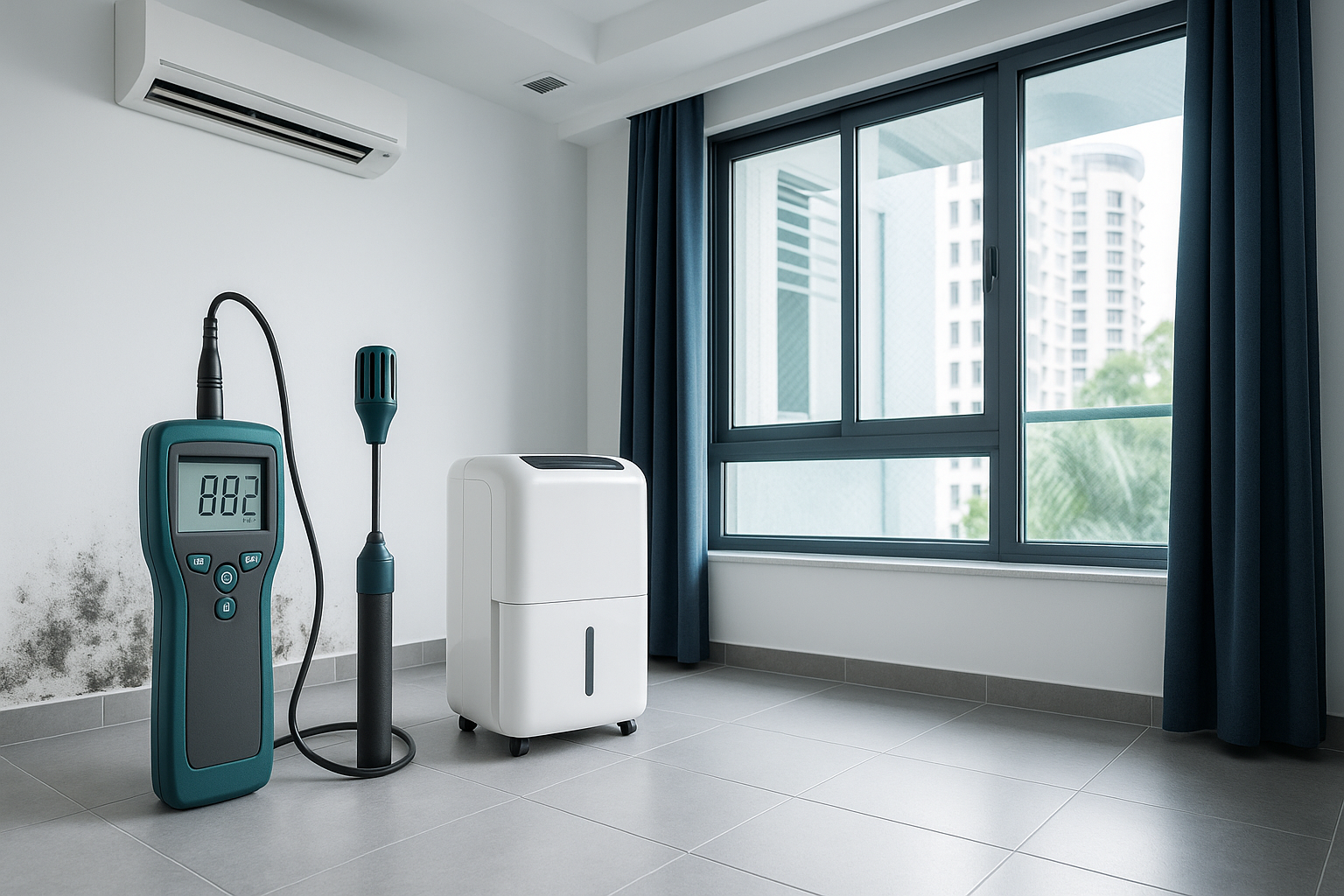
# Temporary Accommodation: Mould Safety for Tenants
In Singapore's tropical climate, the risk of mould growth is ever-present, especially in areas with high humidity and frequent rainfall. For tenants in temporary accommodations, such as rented HDB flats, condominiums, or landed properties, understanding how to prevent and manage mould is crucial to ensuring a safe and healthy living environment. In this guide, we'll explore how you can protect yourself and your living space from the dangers of mould.
Understanding Mould in Singapore
Why Mould is a Concern
Mould thrives in warm, moist environments, making Singapore's climate an ideal breeding ground. With average humidity levels often exceeding 80%, the conditions are ripe for mould spores to settle and proliferate. For tenants, this can mean compromised indoor air quality, potential health risks, and damage to personal belongings.Key Stat: Singapore experiences an average of 167 rainy days per year, significantly contributing to indoor humidity levels.
Common Mould Types in Residences
While there are thousands of mould species, the most common types found in Singapore homes include:
- Aspergillus: Often found in air conditioning systems and on food.
- Cladosporium: Can appear on fabrics, wood, and painted surfaces.
- Stachybotrys Chartarum: Also known as "black mould," often found in areas with water damage.
Identifying Mould in Temporary Accommodations
Signs of Mould Growth
Recognizing the early signs of mould can prevent extensive damage and health issues:
- Musty Odour: A persistent, earthy smell is often the first indication of mould presence.
- Visible Spots: Look for black, green, or brown spots on walls, ceilings, and around windows.
- Allergic Reactions: Symptoms like sneezing, coughing, and skin irritation can signal mould exposure.
Warning: If you experience severe allergic reactions or respiratory issues, seek medical advice promptly.
Preventing Mould in Temporary Housing
Best Practices for Mould Prevention
Pro Tip: Open windows when possible to improve air circulation and reduce indoor humidity levels.
Specific Strategies for Different Property Types
HDB Flats
- Install Exhaust Fans: Especially in bathrooms and kitchens to effectively vent moisture.
- Use Moisture-Resistant Paints: These can help prevent mould on walls and ceilings.
Condominiums
- Centralized Systems: Regular maintenance of HVAC systems can prevent mould in ducts.
- Regular Inspections: Schedule inspections of hidden areas like behind cabinets or large furniture.
Landed Properties
- Gutter Maintenance: Clear gutters regularly to prevent water overflow and seepage into the home.
- Basement Care: Use sump pumps or sealants to manage basement moisture.
Professional Mould Remediation
When to Call the Experts
If mould growth is extensive or recurring despite preventive measures, it's time to call in professional help. Experienced specialists can:
- Conduct Thorough Inspections: Identify hidden mould and moisture sources.
- Use Industry-Standard Equipment: Such as HEPA vacuums and air scrubbers to remove mould effectively.
- Implement Long-Term Solutions: Provide advice on property modifications to prevent future mould growth.
Expert Insight: Professional mould remediation is often more cost-effective in the long run, as it prevents further damage and health risks.
Cost of Professional Services in Singapore
The cost of mould remediation varies based on the extent of the issue and property size. On average:
- Inspection and Testing: S$100 - S$300
- Remediation Services: S$500 - S$5,000 depending on severity
Living Safely with Temporary Accommodations
Tenant Responsibilities
Tenants have a role in maintaining a mould-free environment:
- Report Issues Promptly: Inform landlords about any water leaks or mould signs immediately.
- Follow Lease Agreements: Adhere to any property maintenance clauses to ensure compliance.
Landlord Responsibilities
Landlords are typically responsible for major repairs and ensuring the property is habitable:
- Regular Maintenance: Conduct routine checks and maintenance of the property's structural integrity.
- Provide Adequate Ventilation Systems: Ensure all exhaust systems are functioning properly.
Conclusion
Mould prevention and remediation in temporary accommodations require diligence and awareness. By understanding the signs of mould, implementing preventive measures, and knowing when to seek professional help, tenants can maintain a healthy living environment. If you suspect mould in your property, consider scheduling a free inspection with a trained specialist to assess and address the situation effectively.
---
Frequently Asked Questions
How can I prevent mould in my HDB flat?
To prevent mould in your HDB flat, use exhaust fans in the bathroom and kitchen, regularly clean and dry any spills, and consider using moisture-resistant paints. Keeping good ventilation and using dehumidifiers can also help maintain lower indoor humidity levels.
What are the health risks associated with mould exposure?
Exposure to mould can cause allergic reactions such as sneezing, coughing, and skin irritation. In more severe cases, it can lead to respiratory issues and exacerbate asthma symptoms. If you experience persistent health issues, it's important to seek medical advice.
When should I call a professional for mould removal in Singapore?
You should call a professional when mould growth is extensive, recurrent, or located in hard-to-reach areas. Professionals can conduct thorough inspections, use specialized equipment, and provide long-term solutions to prevent future growth.
What is the average cost of mould remediation services in Singapore?
The cost varies depending on the severity and location of the mould. Inspection and testing typically range from S$100 to S$300, while remediation services can cost between S$500 and S$5,000.
Are landlords responsible for mould issues in rented properties?
Generally, landlords are responsible for major repairs and ensuring the property is habitable. This includes addressing structural issues that contribute to mould growth and maintaining ventilation systems.