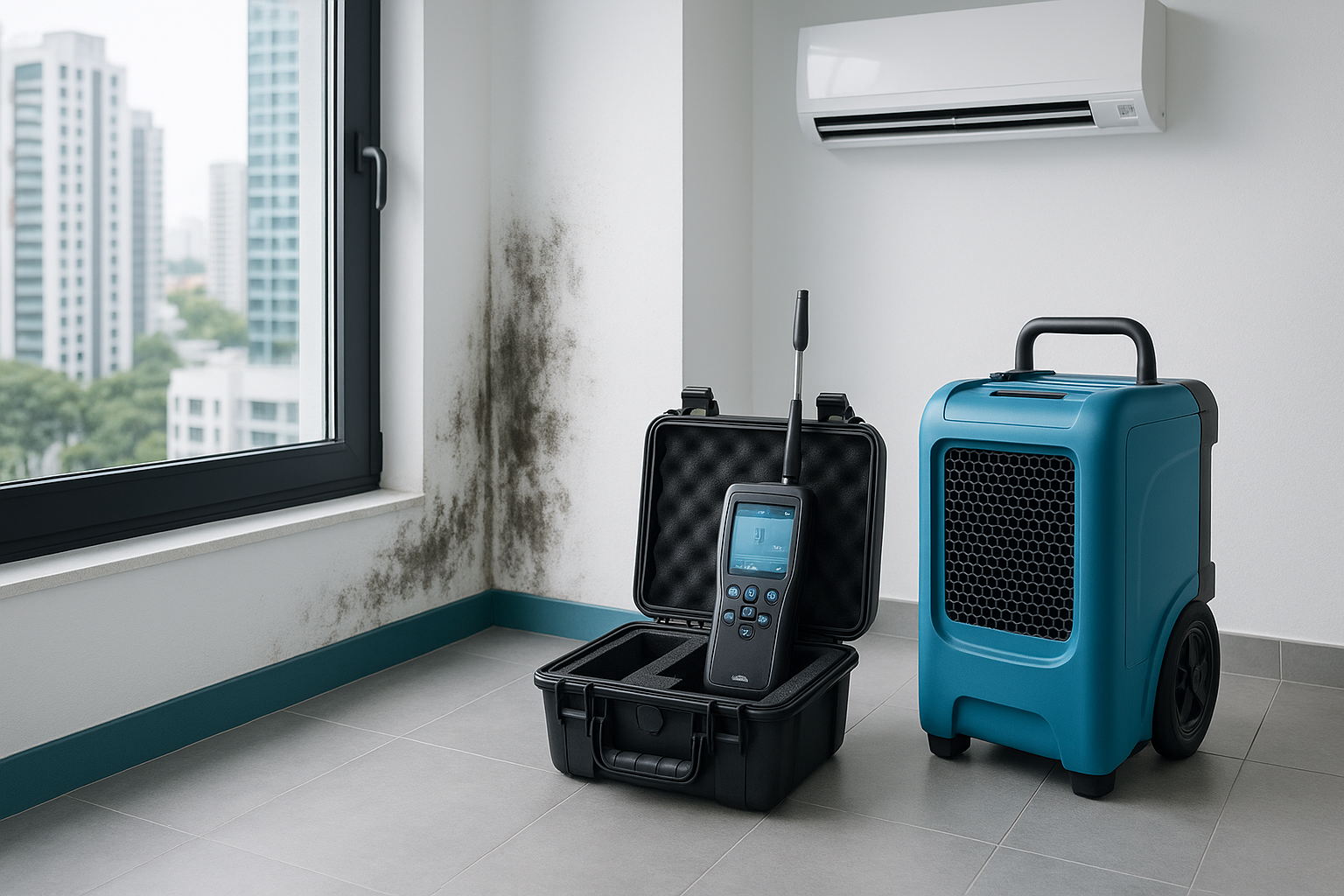
# Waterproofing Solutions for Singapore Condos
Singapore, renowned for its modern skyline and luxurious condominiums, faces a unique set of challenges due to its tropical climate. Homeowners in Singapore's condos, HDB flats, and landed properties often encounter issues with water ingress and mould growth, both of which can significantly affect property value and living conditions. Understanding effective waterproofing solutions is crucial to maintaining the integrity and aesthetics of your home.
Understanding Singapore's Climate and Its Impact on Properties
Singapore's tropical rainforest climate is characterized by high humidity, frequent rainfall, and consistent temperatures. According to the Meteorological Service Singapore, the country experiences an average annual rainfall of about 2,340 mm, with November and December being the wettest months.
Climate-Related Challenges
- High Humidity: Constant high humidity levels, often exceeding 80%, create an ideal environment for mould growth inside homes.
- Heavy Rainfall: Frequent and intense rain can lead to water seepage if properties are not adequately waterproofed.
- Consistent Temperatures: The lack of significant temperature fluctuations means that any moisture-related issues can persist year-round.
Key Stat: In Singapore, more than 80% of the population lives in high-rise buildings, making effective waterproofing solutions essential for maintaining structural integrity and indoor air quality.
Common Waterproofing Issues in Singapore Condos
Water Seepage
Water seepage is a prevalent issue, particularly in high-rise buildings like those in Tampines, Jurong, and Marina Bay. Seepage can occur through walls, roofs, or floors, often due to inadequate waterproofing during construction.
- Causes: Poor quality materials, wear and tear, and structural movements.
- Signs: Damp patches, peeling paint, and efflorescence (white powdery deposits).
Mould Growth
Mould thrives in damp, humid conditions and can lead to health issues such as respiratory problems and allergies.
- Common Areas: Bathrooms, kitchens, and areas with poor ventilation.
- Prevention: Regular inspections and prompt repair of leaks can minimize mould growth.
Warning: Mould is not only a cosmetic issue but can also lead to serious health implications. Addressing mould promptly is crucial for maintaining a healthy living environment.
Effective Waterproofing Solutions
Roof Waterproofing
Roofs are the first line of defense against heavy rain. Effective waterproofing ensures that water does not penetrate through the roof structure.
Types of Roof Waterproofing
Wall Waterproofing
Walls are susceptible to water ingress, especially in older buildings.
Methods for Wall Waterproofing
- Cementitious Waterproofing: Commonly used for internal walls.
- Liquid Waterproofing Membrane: Offers flexibility and is suitable for both interior and exterior walls.
- Bituminous Coating: Provides a protective barrier against water.
NEA Guidelines and Local Regulations
The National Environment Agency (NEA) provides guidelines to ensure indoor air quality and prevent dampness and mould.
Key NEA Recommendations
- Regular inspections and maintenance of drainage and waterproofing systems.
- Ensuring proper ventilation in high-humidity areas.
- Addressing leaks and seepage issues promptly.
Best Practice: Always engage certified professionals for waterproofing work to ensure compliance with local regulations and standards.
Choosing the Right Waterproofing Contractor
Selecting a reliable waterproofing contractor is crucial to ensuring the longevity and effectiveness of the waterproofing solutions.
Factors to Consider
- Experience and Expertise: Look for contractors with a proven track record in Singapore's specific climate challenges.
- Certifications: Ensure the contractor is certified by relevant bodies such as the Singapore Contractors Association Limited (SCAL).
- Warranty and Aftercare: A good contractor should offer warranties and aftercare services to address any future issues.
Pro Tip: Obtain multiple quotes and compare services, ensuring all contractors are quoting for the same scope of work and materials.
Conclusion
Waterproofing is an investment in the longevity and value of your property. By understanding the unique challenges posed by Singapore's climate and implementing effective waterproofing solutions, homeowners can protect their properties from water damage and mould growth. For a comprehensive assessment and tailored waterproofing solutions, schedule a free inspection with our certified professionals today.
Frequently Asked Questions
What are the signs that my condo might need waterproofing?
Common signs include damp patches on walls or ceilings, peeling paint, and visible mould growth. If you notice any of these indicators, it's important to consult a waterproofing specialist to assess the extent of the issue.
How often should I inspect my property for waterproofing issues?
It's advisable to conduct an inspection every six months, particularly before and after the monsoon season. Regular inspections can help identify and address potential issues before they result in significant damage.
How much does waterproofing typically cost in Singapore?
The cost varies based on the area to be treated and the type of waterproofing method. Roof waterproofing can range from S$10 to S$30 per square foot, while wall waterproofing may cost between S$5 and S$20 per square foot.
Can I perform waterproofing on my own?
While small DIY projects are possible, waterproofing is generally best left to professionals. They have the expertise and equipment to ensure a thorough and long-lasting solution, complying with local regulations.
What should I look for in a waterproofing contractor?
Choose a contractor with experience in Singapore's climate, relevant certifications, and a good warranty and aftercare service. It's also beneficial to check reviews and ask for recommendations.