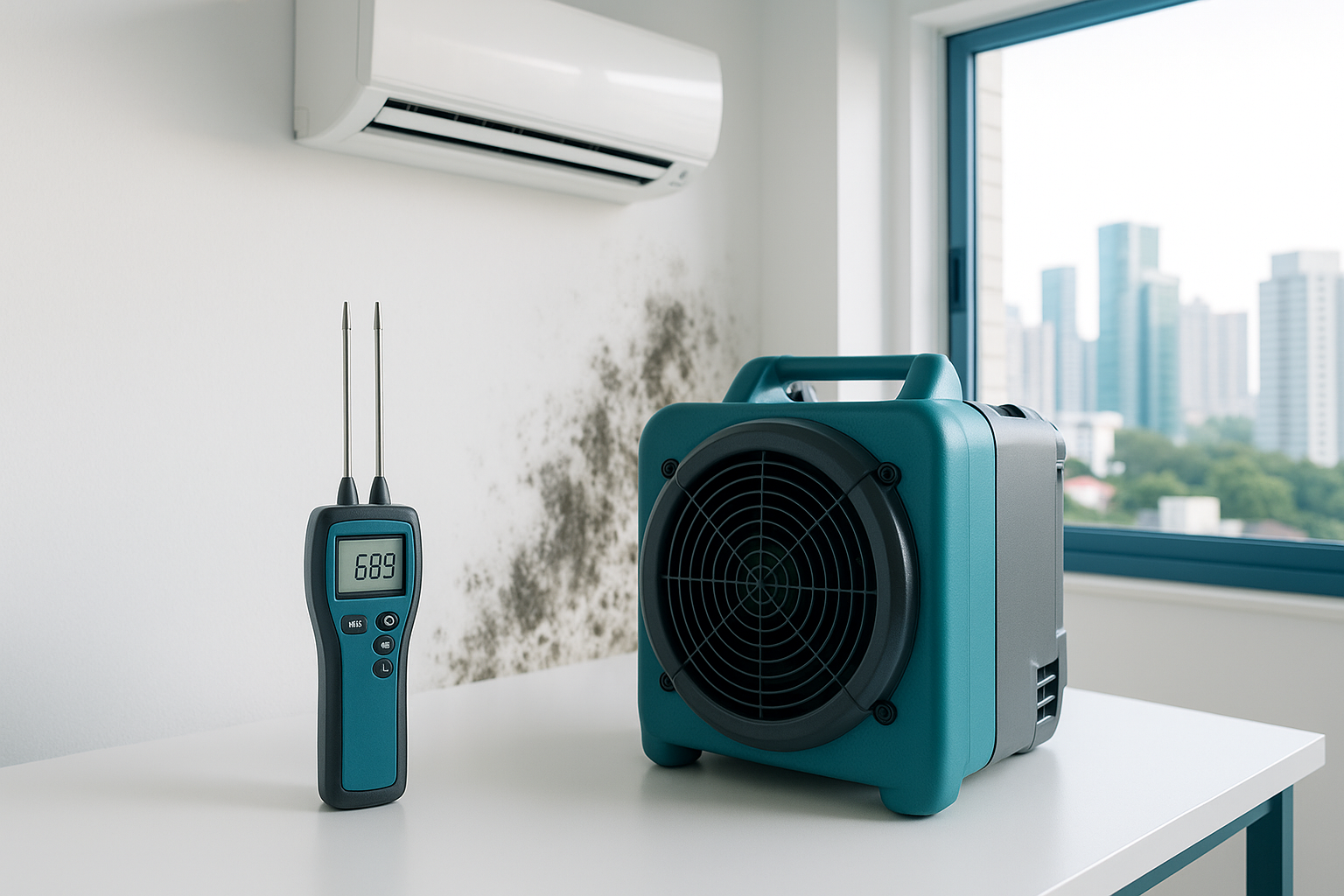
# Why Singapore's Climate Makes Mould Growth Inevitable
In the bustling city-state of Singapore, where modernity meets tropical allure, homeowners often find themselves battling a persistent and unwelcome guest: mould. The humid climate of Singapore, coupled with its dense urban environment, creates the perfect breeding ground for this pesky fungus. Understanding why mould growth is inevitable in Singapore is the first step towards effective prevention and control.
Understanding Singapore's Climate
The Humidity Factor
Singapore is renowned for its tropical rainforest climate, characterized by high humidity levels that rarely dip below 70% and can soar to 90% during the monsoon season. This humid environment is a primary catalyst for mould growth as mould spores thrive in moisture-rich conditions.
📊 Key Stat: According to the National Environment Agency (NEA), Singapore experiences an average annual relative humidity of around 84%.
Consistent Warm Temperatures
The steady tropical temperatures, ranging from 24°C to 31°C, provide an ideal environment for mould proliferation. Unlike temperate climates where seasonal changes can slow down mould growth, Singapore's consistent warmth ensures mould spores remain active year-round.
Frequent Rainfall
Singapore’s geographical position near the equator results in frequent rainfall, averaging about 2,340 mm annually. The combination of heavy downpours and high humidity enhances the risk of water intrusion and dampness in homes, further encouraging mould development.
Types of Properties at Risk
HDB Flats
As the most common housing type in Singapore, HDB flats are particularly vulnerable to mould due to limited ventilation in compact living spaces. The shared walls can also contribute to moisture seepage between units.
Condominiums
Condos often feature enclosed spaces and air conditioning systems that, if not regularly maintained, can accumulate moisture and facilitate mould growth. Additional amenities like swimming pools and gyms can also contribute to higher humidity levels.
Landed Properties
Though more spacious, landed properties in areas like Bishan and Jurong are not immune. Gardens and basements can become hotspots for moisture accumulation, leading to mould issues if not properly managed.
💡 Pro Tip: Regularly inspect areas of your home that are prone to moisture, such as bathrooms, kitchens, and basements, for early signs of mould.
The Science Behind Mould Growth
Mould Anatomy
Mould is a type of fungus that reproduces through spores, which are microscopic and can float through the air. These spores are ubiquitous in the environment and can land on various surfaces, growing into visible mould colonies when conditions are right.
Environmental Conditions
For mould to thrive, it requires:
- Moisture: Water leaks, condensation, or high humidity levels.
- Nutrients: Organic materials such as wood, paper, and fabrics.
- Temperature: Warm conditions, typically between 20°C to 30°C.
The Spread of Mould
Mould can spread quickly, and what starts as a small patch can soon cover large areas if left unchecked. This is particularly true in Singapore's consistently warm and humid climate, which accelerates spore germination and growth.
Preventing Mould in Your Home
Ventilation Strategies
Proper ventilation is crucial in reducing indoor humidity levels. Here are some effective methods:
Regular Maintenance
- Inspect for Leaks: Regularly check plumbing and roofs for leaks.
- Clean Air Conditioning Units: Ensure they are free from dirt and moisture accumulation.
- Seal Windows and Doors: Prevent rainwater ingress with proper sealing.
NEA Guidelines and Best Practices
The NEA recommends maintaining indoor humidity levels between 40% and 60% to prevent mould growth. Regular monitoring using a hygrometer can help homeowners keep track of their home’s humidity.
✅ Best Practice: The NEA advises using anti-mould paint and coatings in areas prone to moisture, such as bathrooms and kitchens.
Mould Remediation: Steps and Costs
DIY Mould Removal
For small mould patches, homeowners can attempt removal with household cleaning solutions. Here's how:
Professional Mould Remediation
For extensive mould infestations, professional remediation is recommended. Here's what to expect:
- Inspection and Assessment: Costs around S$150-S$300 depending on property size.
- Containment and Removal: Professional services can range from S$500 to S$2,000+.
- Post-Remediation Testing: Ensures mould levels are safe and costs around S$200-S$500.
⚠️ Warning: Attempting to remove large mould infestations without professional help can be hazardous to health and may not effectively address the root cause.
Local Examples: Common Mould Issues in Singapore
Tampines
As one of Singapore’s most densely populated areas, Tampines residents often report mould issues due to limited natural ventilation in older HDB designs.
Jurong
In Jurong, the combination of industrial activity and frequent rain increases the risk of mould, especially in lower floors and basement areas of landed properties.
Marina Bay
High-rise condominiums in Marina Bay with extensive glass facades can trap heat and increase indoor humidity, necessitating vigilant climate control measures.
Conclusion: Take Action Today
Understanding why Singapore's climate makes mould growth inevitable is the first step in combating it effectively. By implementing proper ventilation strategies, regular maintenance, and adhering to NEA guidelines, homeowners can significantly reduce the risk of mould in their homes. For persistent issues, seeking professional assistance is crucial to ensuring a healthy living environment.
✅ Call to Action: Don't let mould compromise your home's integrity and your family's health. Contact a professional mould remediation specialist in Singapore today to assess and address your mould concerns.
Frequently Asked Questions
What are the common signs of mould growth in Singapore homes?
Common signs of mould growth include musty odours, visible black or green patches on walls or ceilings, peeling paint or wallpaper, and increased allergy symptoms such as sneezing or skin irritation. In Singapore's humid climate, these signs can rapidly appear if moisture issues are not addressed.
How can I prevent mould growth in my HDB flat?
To prevent mould in an HDB flat, ensure good ventilation by using exhaust fans and opening windows regularly. Use dehumidifiers to control indoor humidity and regularly inspect for leaks or water damage. Additionally, consider using anti-mould paint in areas prone to moisture.
Is professional mould remediation expensive in Singapore?
The cost of professional mould remediation in Singapore can vary widely based on the severity of the infestation and property size. Initial inspections and assessments might cost S$150-S$300, while full remediation can range from S$500 to over S$2,000. Post-remediation testing may add another S$200-S$500.
Can I remove mould myself, or should I hire a professional?
For small, isolated patches of mould, homeowners can attempt removal using household cleaning solutions like vinegar or baking soda. However, for larger infestations or if the mould returns, it is advisable to hire a professional to ensure thorough removal and to address underlying moisture issues.
What regulations should I be aware of for mould prevention in Singapore?
The National Environment Agency (NEA) provides guidelines on maintaining indoor humidity levels and recommends using anti-mould products in moisture-prone areas. Regular monitoring of indoor humidity and ensuring good ventilation are key practices encouraged by the NEA for mould prevention.