Key Statistics
Free WhatsApp Inspection. No hard sell.
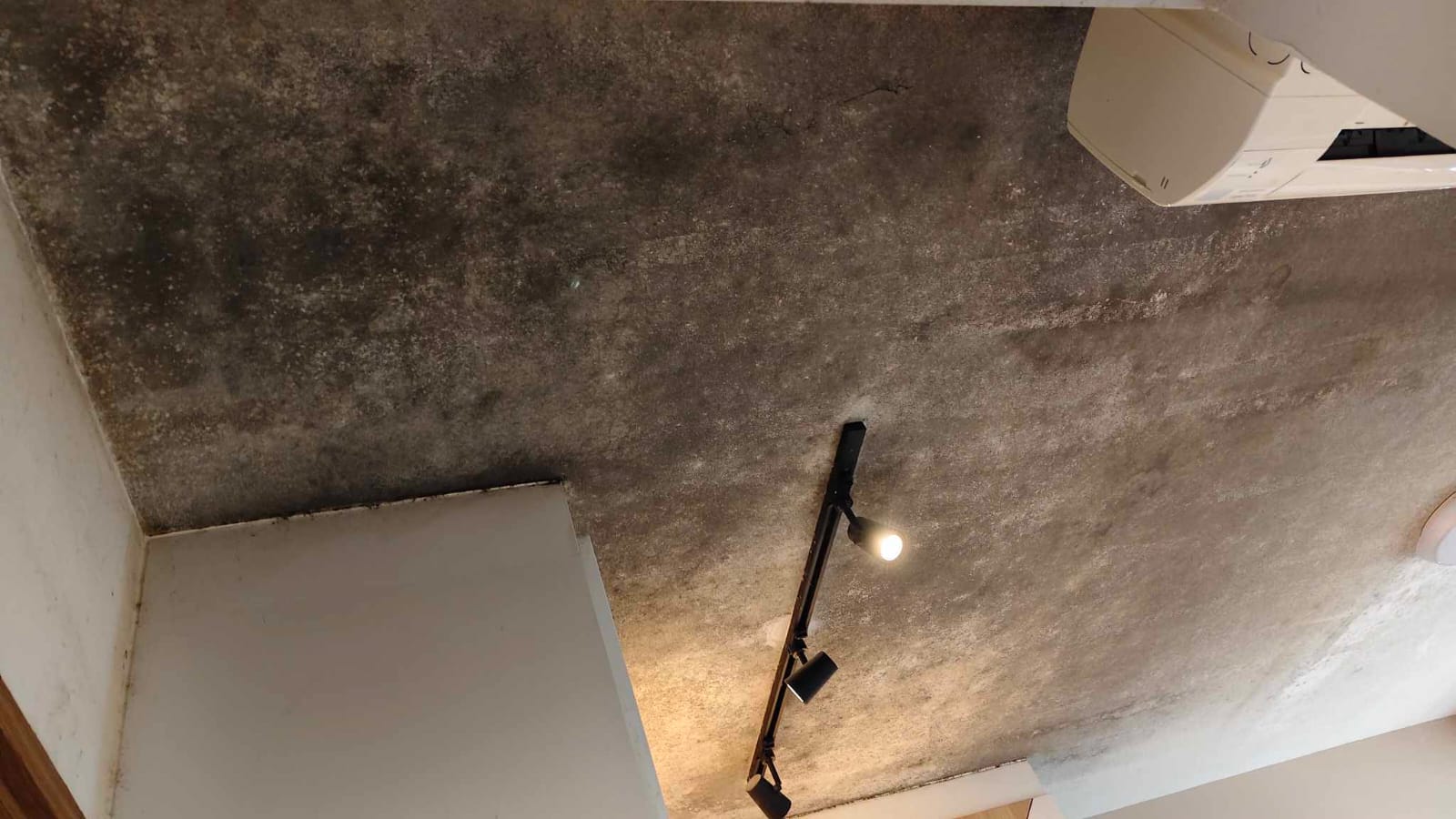
Send us a photo of your mould — most cases don't need a paid on-site inspection. We'll tell you honestly if a visit is needed, or quote you directly. Transparent pricing, zero obligation.
No hard sell. Transparent pricing. Reply within working hours.
Serious Health Risks from Mould Exposure
Respiratory Problems
- Persistent cough and wheezing
- Difficulty breathing and shortness of breath
- Chest tightness
- Lung infections and bronchitis
- Worsening of COPD
Allergic Reactions
- Nasal congestion and runny nose
- Sneezing and itchy eyes/nose/throat
- Skin rashes and hives
- Severe allergic asthma attacks
Neurological Issues
- Headaches and migraines
- Difficulty concentrating
- Memory problems and fatigue
- Mood changes and cognitive impairment
Symptoms by Severity
Mild Symptoms
Sneezing, runny nose, red or itchy eyes, skin irritation, throat irritation, mild headaches, occasional coughing. Usually improves when leaving affected area.
Moderate Symptoms
Persistent cough with mucus, wheezing and chest tightness, sinus infections, fatigue and weakness, joint pain, difficulty concentrating. Symptoms persist even after leaving area.
Severe Symptoms ⚠️
Severe asthma attacks, shortness of breath at rest, bleeding from nose/lungs, chronic lung infections, memory loss, immune system disorders. Seek immediate medical attention.
Who Is Most at Risk?
Infants & Young Children
- Developing immune systems more vulnerable
- Higher breathing rate increases exposure
- Risk of developing asthma 2-3x higher
- Growth and development impacts
Elderly (65+)
- Weakened immune response
- Pre-existing respiratory conditions
- Slower recovery from infections
- Higher risk of serious complications
Asthma & Allergy Sufferers
- Severe asthma exacerbations
- Increased medication requirements
- Emergency room visits
- Quality of life severely impacted
Immunocompromised
- Cancer patients undergoing treatment
- HIV/AIDS patients
- Organ transplant recipients
- Risk of invasive fungal infections
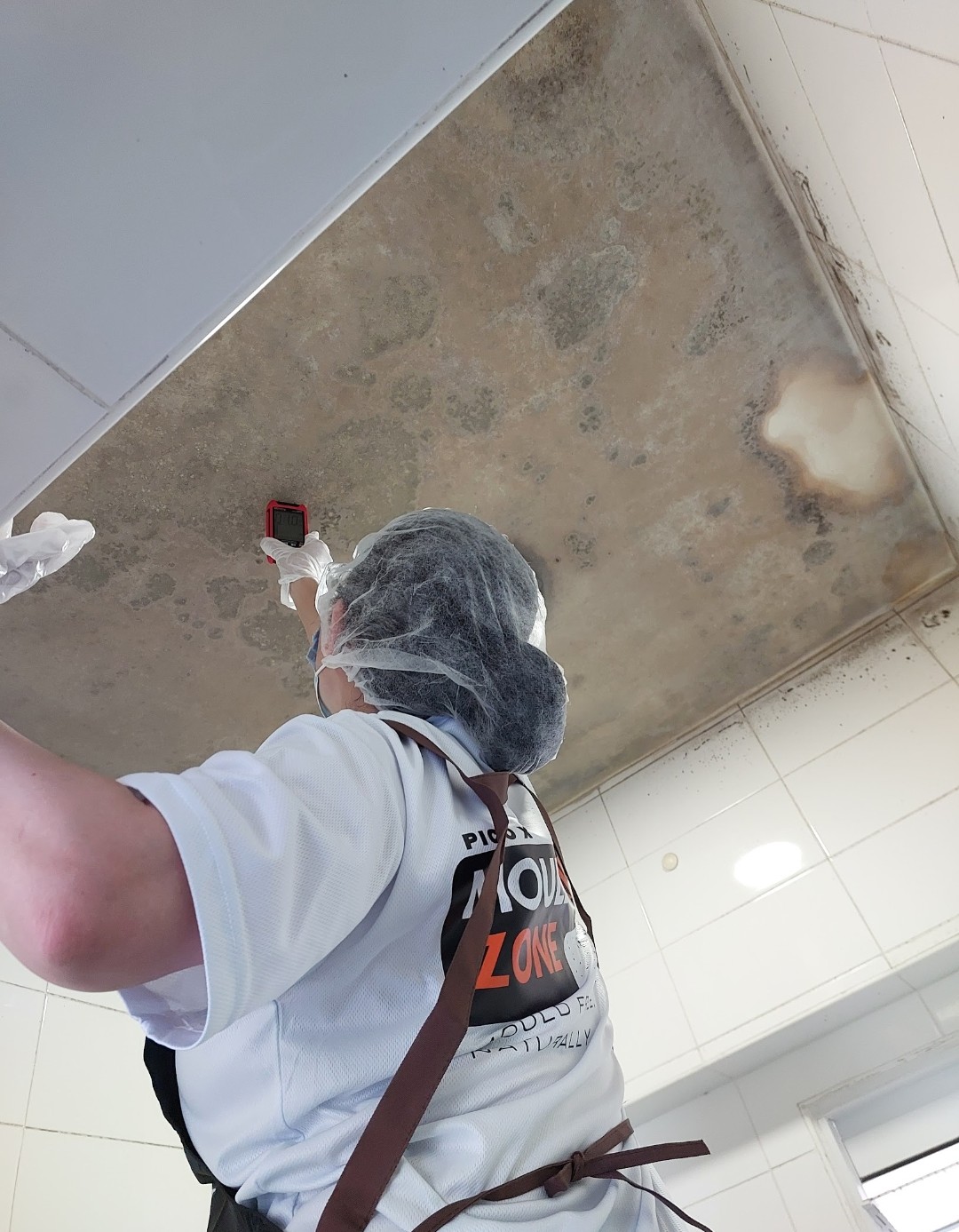
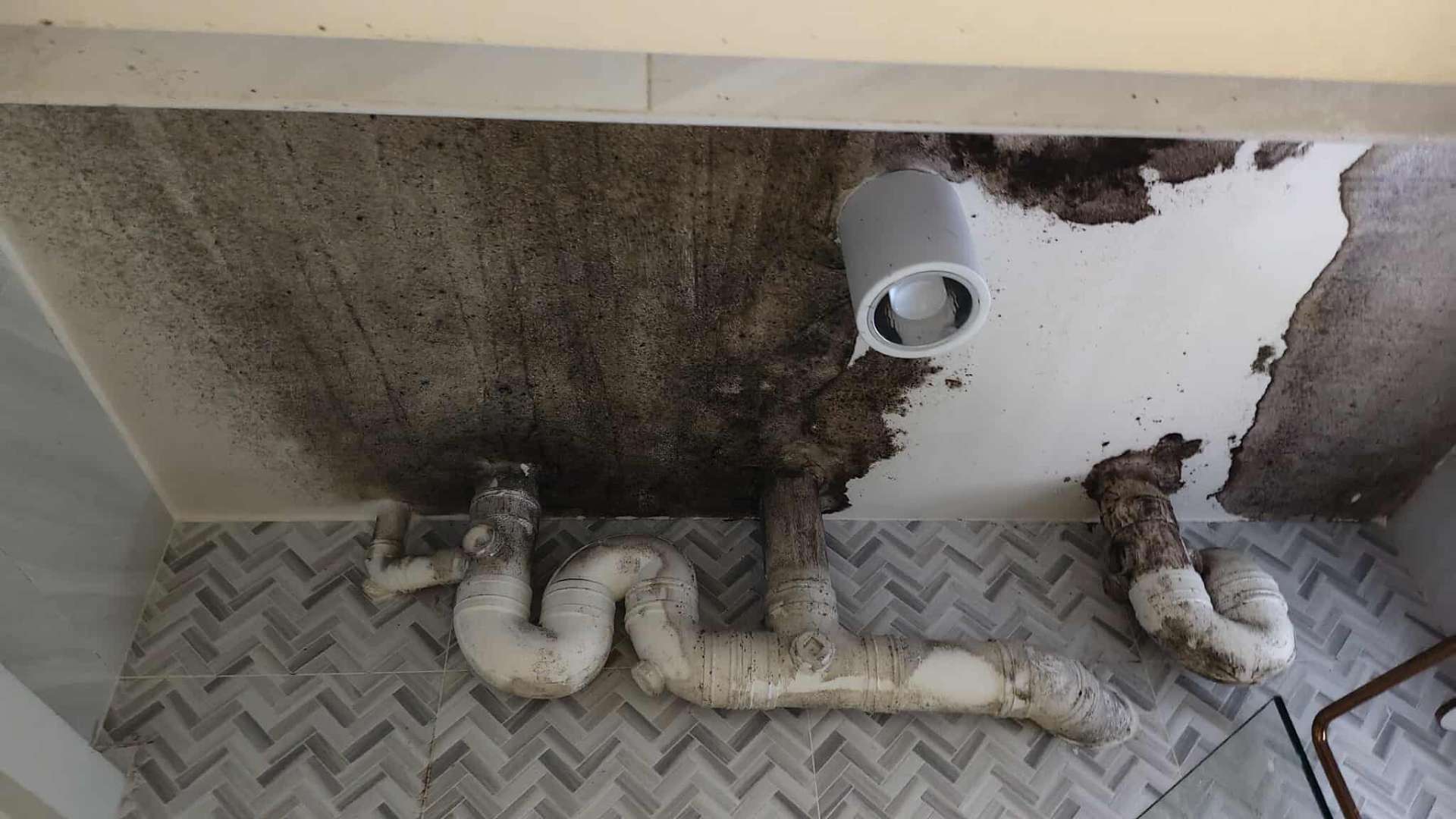
Black Mould (Stachybotrys) - The Most Dangerous
⚠️ Black mould produces toxic mycotoxins that can cause severe health effects including respiratory distress, bleeding lungs, and organ damage.
Identification
- Greenish-black slimy appearance
- Strong musty "rotting" smell
- Grows on cellulose materials (drywall, wood)
- Requires constant moisture
- Often hidden behind walls or under flooring
Health Dangers
- Mycotoxin production causes toxic reactions
- Severe respiratory distress
- Neurological symptoms
- Immune system suppression
- Requires professional remediation
Frequently Asked Questions
Is mould dangerous to health?
Yes, mould exposure causes respiratory problems, allergies, asthma attacks, skin irritation, and headaches. Black mould (Stachybotrys) is particularly dangerous, producing mycotoxins. Children, elderly, and immunocompromised individuals face highest risk.
What are symptoms of mould exposure?
Common symptoms include persistent cough, wheezing, nasal congestion, skin rashes, eye irritation, headaches, fatigue, and difficulty breathing. Severe exposure can cause lung infections, cognitive issues, and chronic respiratory conditions.
Can mould make you sick in Singapore?
Yes, Singapore's high humidity (80-90%) means mould spore counts are elevated year-round. Indoor mould exposure from homes and buildings is a significant health concern, causing or worsening respiratory conditions, especially in vulnerable populations.
Who is most at risk from mould exposure?
Infants, young children, elderly (65+), people with asthma or allergies, and immunocompromised individuals face the highest health risks from mould exposure. These groups may experience more severe symptoms and complications.