20 real questions homeowners and businesses ask about mould removal. Each answer is written for Singapore's climate, HDB/condo/landlord context, and our actual service process.
Quick Answer
How much does mould removal cost? Pico X Health Essential Care is $199 for the first full wall or ceiling (limited-time promo, usual $299), then $100 per additional full surface; Signature Care is $400 for the first full surface, then $150 per additional surface. The final quote depends on the number of surfaces and whether hidden moisture is found. We provide an itemised quote after a free photo assessment or on-site inspection, with no trip or transport fees for most jobs.
1. How much does mould removal cost?
Pico X Health Essential Care is $199 for the first full wall or ceiling (limited-time promo, usual $299), then $100 per additional full surface; Signature Care is $400 for the first full surface, then $150 per additional surface. The final quote depends on the number of surfaces and whether hidden moisture is found. We provide an itemised quote after a free photo assessment or on-site inspection, with no trip or transport fees for most jobs.
2. How long does a typical general residential mould remediation take?
Most general residential mould remediation jobs are completed in 3 to 6 hours on site. Small jobs such as a silicone change or a wardrobe, vanity or cabinet treatment may take 1 to 2 hours, while larger multi-surface or whole-unit projects can take a full day. Drying and curing of coatings add 24 to 48 hours before the space is fully back in normal use.
3. What warranty do you offer for general residential mould remediation?
We offer warranty coverage of 6 to 12 months. Essential Care covers 6 months and Signature Care includes up to 12 months on treated surfaces. Warranty terms require that the underlying moisture source has been resolved; recurring leaks or unresolved condensation may void coverage.
4. Is general residential mould remediation safe for babies, pets and pregnant mums?
Yes. Our general residential mould remediation uses 100% non-toxic, VOC-free products that are safe for babies, pets, pregnant women and elderly residents. There is no bleach, no harsh biocide fogging and no lingering chemical smell. You can re-enter treated rooms the same day once surfaces are dry.
5. Do I need to move out during general residential mould remediation?
No, you usually do not need to move out. For most residential jobs we treat one room at a time and use low-odour, non-toxic products, so occupants can stay in other rooms. We may ask you to vacate the immediate work zone for 2 to 4 hours while coatings dry. Only large commercial or severe contamination jobs need temporary relocation.
6. Do I need HDB or MCST approval for general residential mould remediation?
For most internal general residential mould remediation work inside your own unit, no HDB or MCST approval is needed. If the work involves common property, external walls, aircon ledges, plumbing risers or waterproofing in bathrooms that may affect the unit below, we coordinate the required forms and method statements with your MCST or HDB branch. We handle the paperwork as part of the project.
7. Why does mould keep coming back on my walls, ceilings and other surfaces?
Mould returns because the moisture source was not fixed. In Singapore the usual causes are condensation on cold surfaces, poor ventilation, aircon drip or leakage, failed waterproofing, or humidity above 70% RH. Our general residential mould remediation includes moisture mapping and source-fix steps so the mould does not regrow after treatment.
8. Can general residential mould remediation remove black mould completely?
Yes, when done properly. Black mould on walls, ceilings and other surfaces is removed using -contained methods and treated with antimicrobial products. The key is identifying why the black mould grew there in the first place. If the damp source remains, any colour of mould will return. We fix the source as part of the scope.
9. How do I know if I need general residential mould remediation or just cleaning?
If the mould covers more than one square metre, keeps returning, is near a moisture source, or anyone in the home has allergies or asthma, you need professional general residential mould remediation. DIY cleaning removes surface colour but often spreads spores and leaves the root cause untouched. We assess the extent before recommending the right scope.
10. What causes the musty smell even when I cannot see mould?
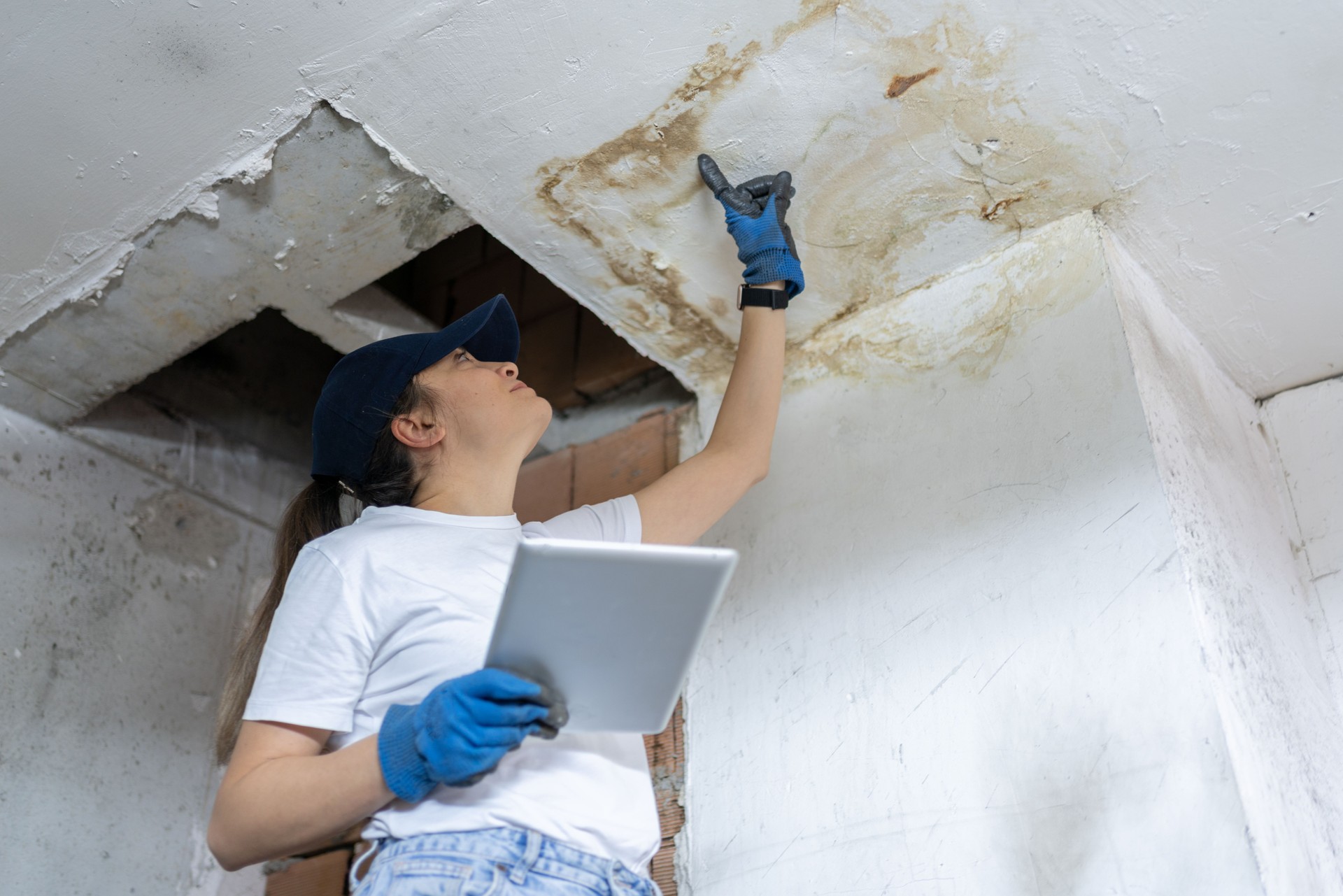
A musty smell usually means hidden mould or bacterial growth in damp, dark places: behind furniture, inside wardrobes, under carpets, in aircon units, or inside wall voids. Spores and microbial volatile organic compounds (MVOCs) travel through the air. Our inspection uses moisture meters and thermal imaging to locate hidden growth without destructive probing.
No. Painting over mould traps moisture and spores under the new paint, which peels and blisters within months while the mould continues to grow. Proper general residential mould remediation removes the mould first, treats the substrate, fixes the moisture source, and only then applies a mould-resistant paint or coating.
12. How quickly can mould spread in HDB flats, condos before treatment?
In Singapore's humid climate, mould can begin growing within 24 to 48 hours after a surface stays damp and can colonise visible patches within a week. In HDB flats and condos, poor ventilation accelerates this. Early treatment limits both the area and the cost.
13. How is general residential mould remediation different from using bleach?
Bleach whitens surface mould but does not kill the roots inside porous materials, and it adds water to the surface which can feed regrowth. Our general residential mould remediation uses non-toxic antimicrobials that penetrate the substrate, sealed containment to stop spore spread, and source-fix steps so the mould stays gone.
14. Why choose general residential mould remediation over fogging or ozone treatment?
Fogging and ozone treat the air and reachable surfaces but do not remove mould from inside materials or fix the moisture source. They can also leave residues and require temporary evacuation. Our general residential mould remediation physically removes contaminated material, treats the substrate, and resolves the cause with non-toxic, baby-safe treatment.
15. What is the difference between Essential and Signature Care for general residential mould remediation?
Essential covers professional mould removal, Gush MouldSeal sealer and Gush Core anti-mould paint with a 6-month warranty. Signature Care adds non-toxic, baby-safe treatment, deeper penetration treatment and up to 12 months warranty. We recommend Essential for first-time, surface-level problems and Signature Care for recurring or high-humidity situations.
16. Should I hire a general cleaner or a specialist for general residential mould remediation?
A general cleaner can wipe visible mould but is not equipped to identify moisture sources, contain spores, or apply antimicrobial coatings. Specialists use moisture meters, thermal imaging, equipment and warranty-backed products. For health-sensitive spaces or recurring mould, specialist general residential mould remediation is the safer long-term choice.
17. Do you service HDB, condo and landed homes for general residential mould remediation?
Yes, we provide general residential mould remediation across all Singapore property types including HDB flats, condos, landed homes. Each property type has different moisture drivers — HDB inter-flat leaks, condo MCST rules, landed basement or attic damp — and we adjust the scope accordingly.
18. Can general residential mould remediation help with a neighbour leak or upstairs unit issue?
Yes. We document moisture origin, take thermal images and write a report that can be shared with your neighbour, MCST, HDB or insurer. In many cases the actual repair must be done by the upstairs owner, but our report gives you defensible evidence to start the conversation.
19. How does Singapore's humidity affect the results of general residential mould remediation?
Singapore's year-round humidity above 70% means mould can regrow quickly if ventilation and moisture control are ignored. Our general residential mould remediation is designed for this climate: we select coatings that perform in high RH, improve ventilation where possible, and offer sensor monitoring to catch drift before mould returns.
20. What should I prepare before your team arrives for general residential mould remediation?
Clear small items and furniture about one metre away from affected walls or ceilings. Keep windows accessible for ventilation. Have photos of the mould and any previous leaks ready. For general residential mould remediation, we also appreciate knowing your aircon servicing history and any recent water incidents so we can bring the right equipment.
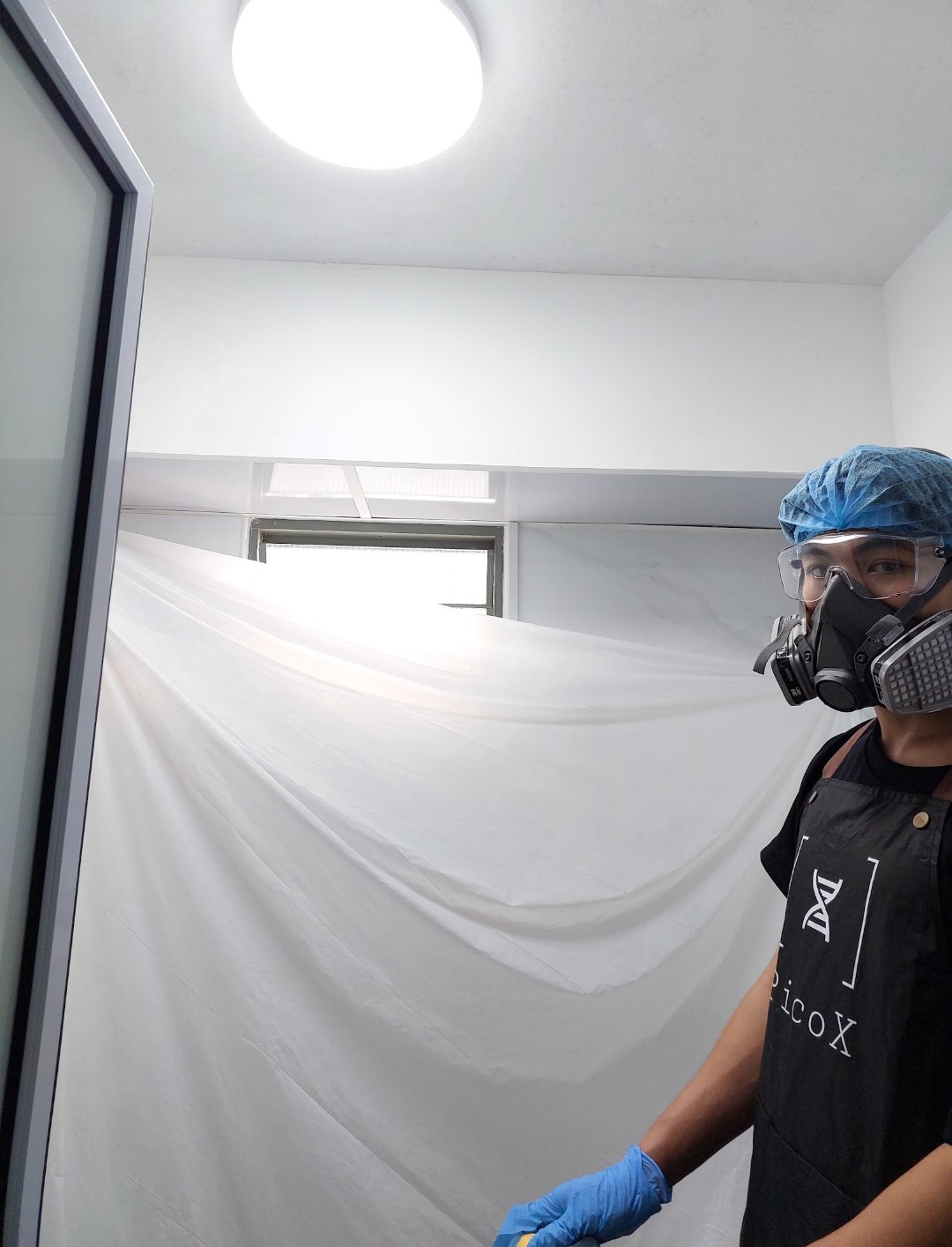
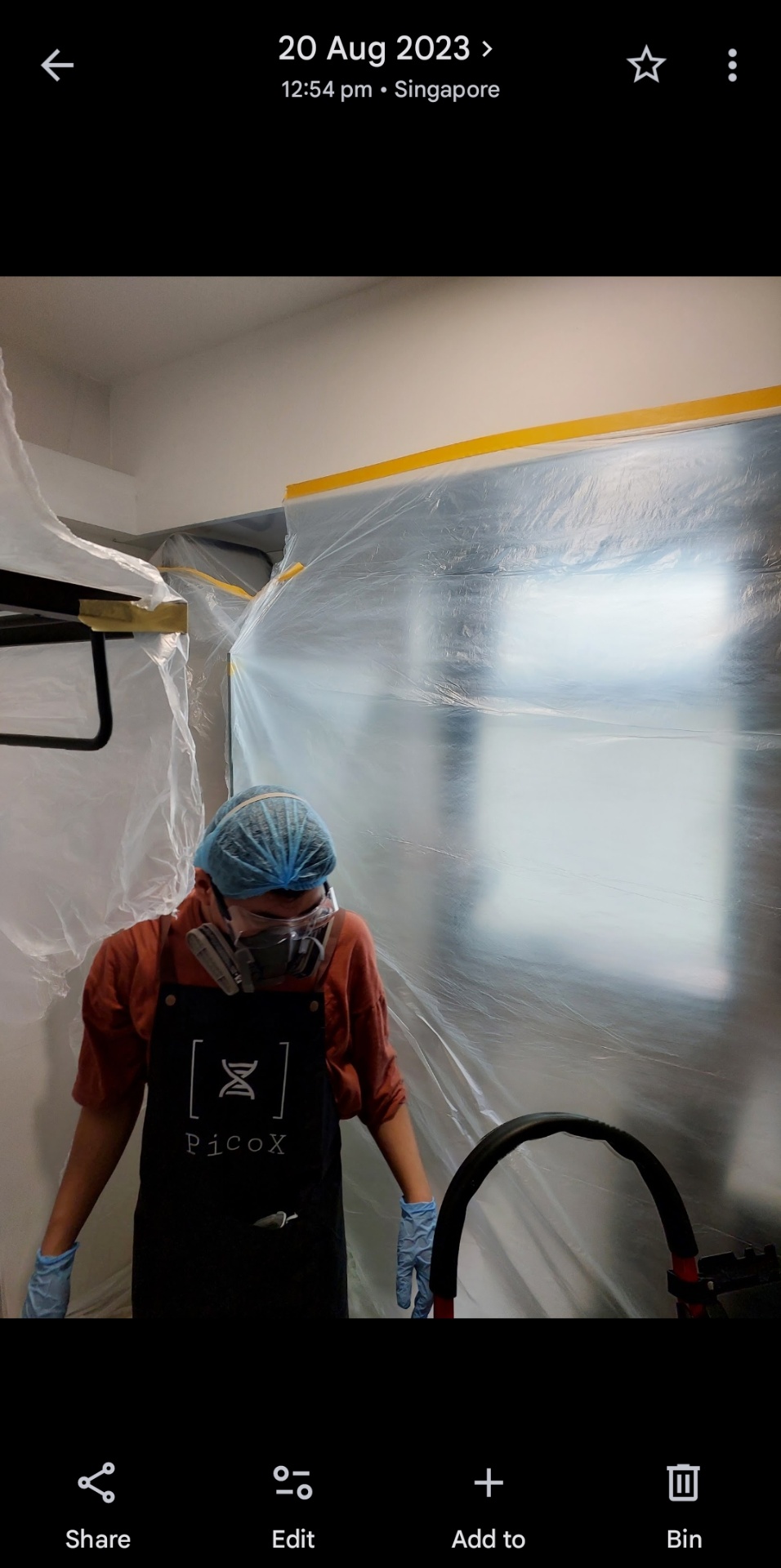
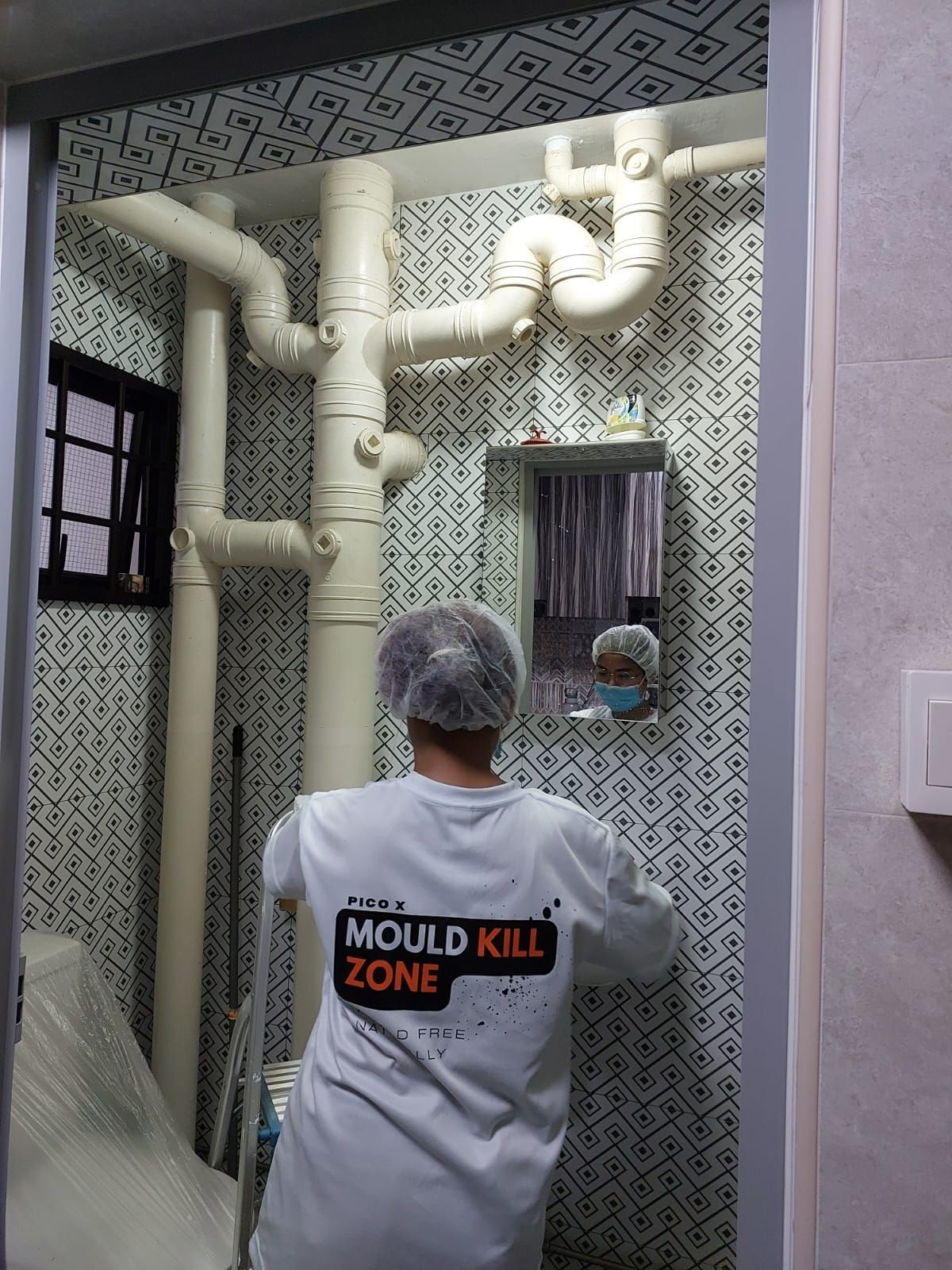
Trained Pico X Health technicians follow strict containment, PPE, and protocols on every job in Singapore.
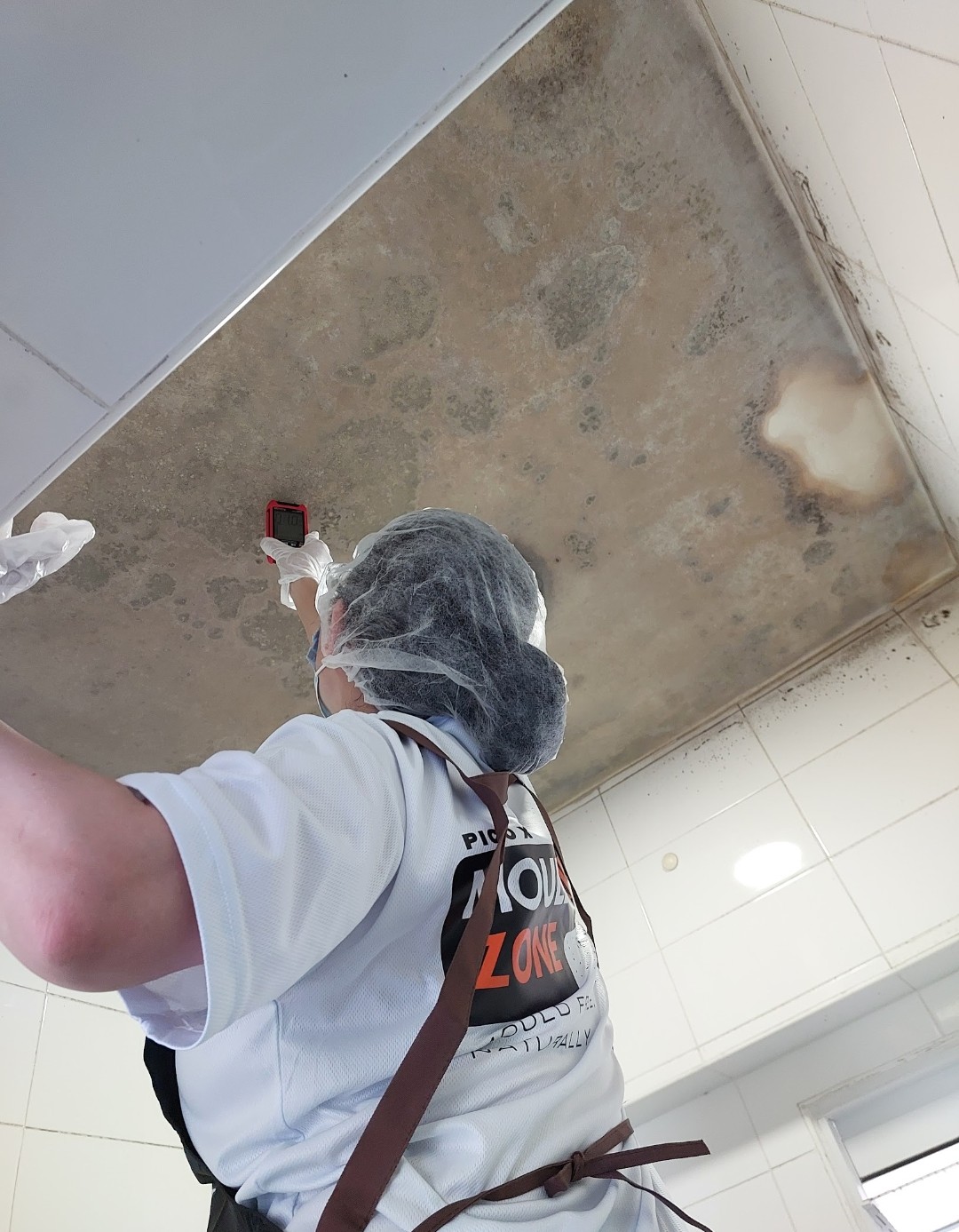
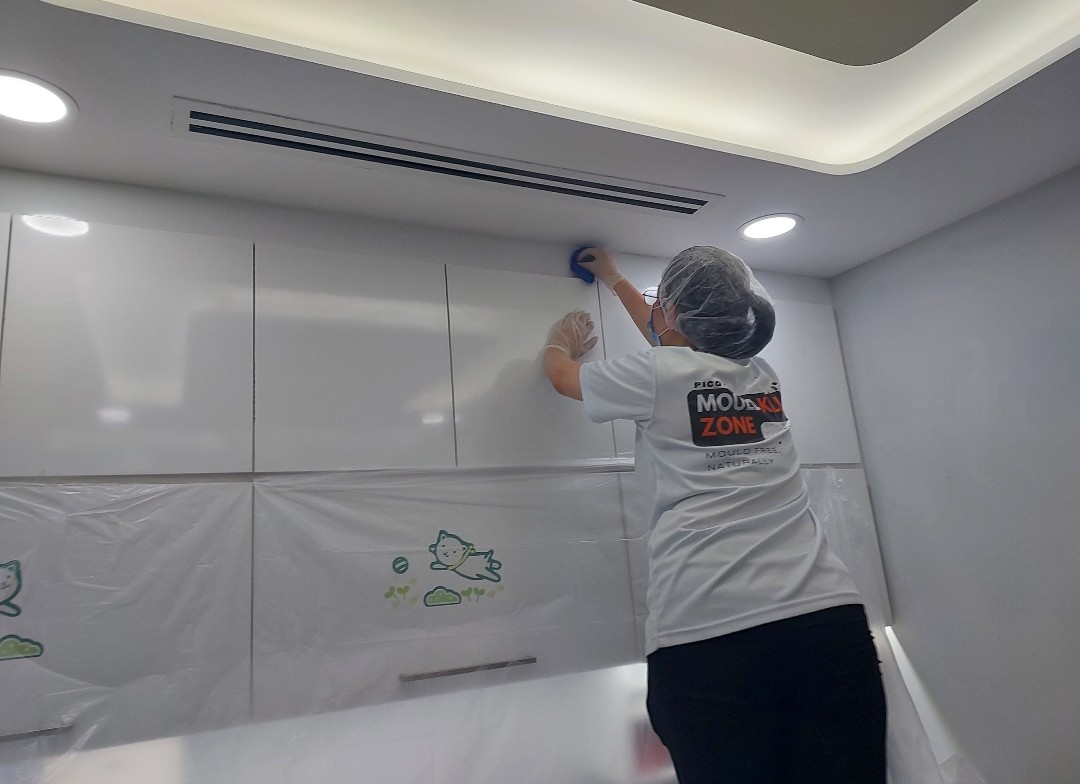
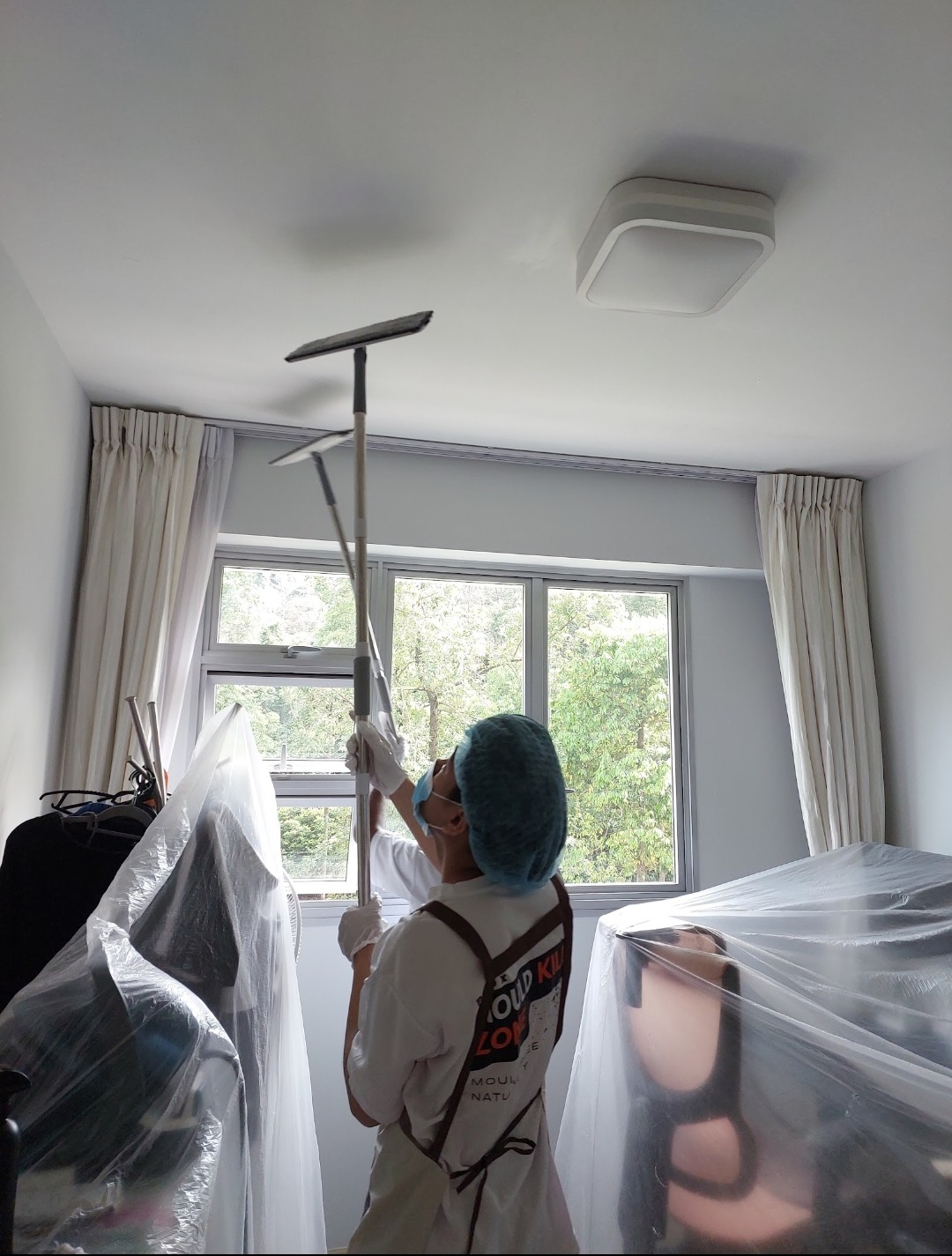
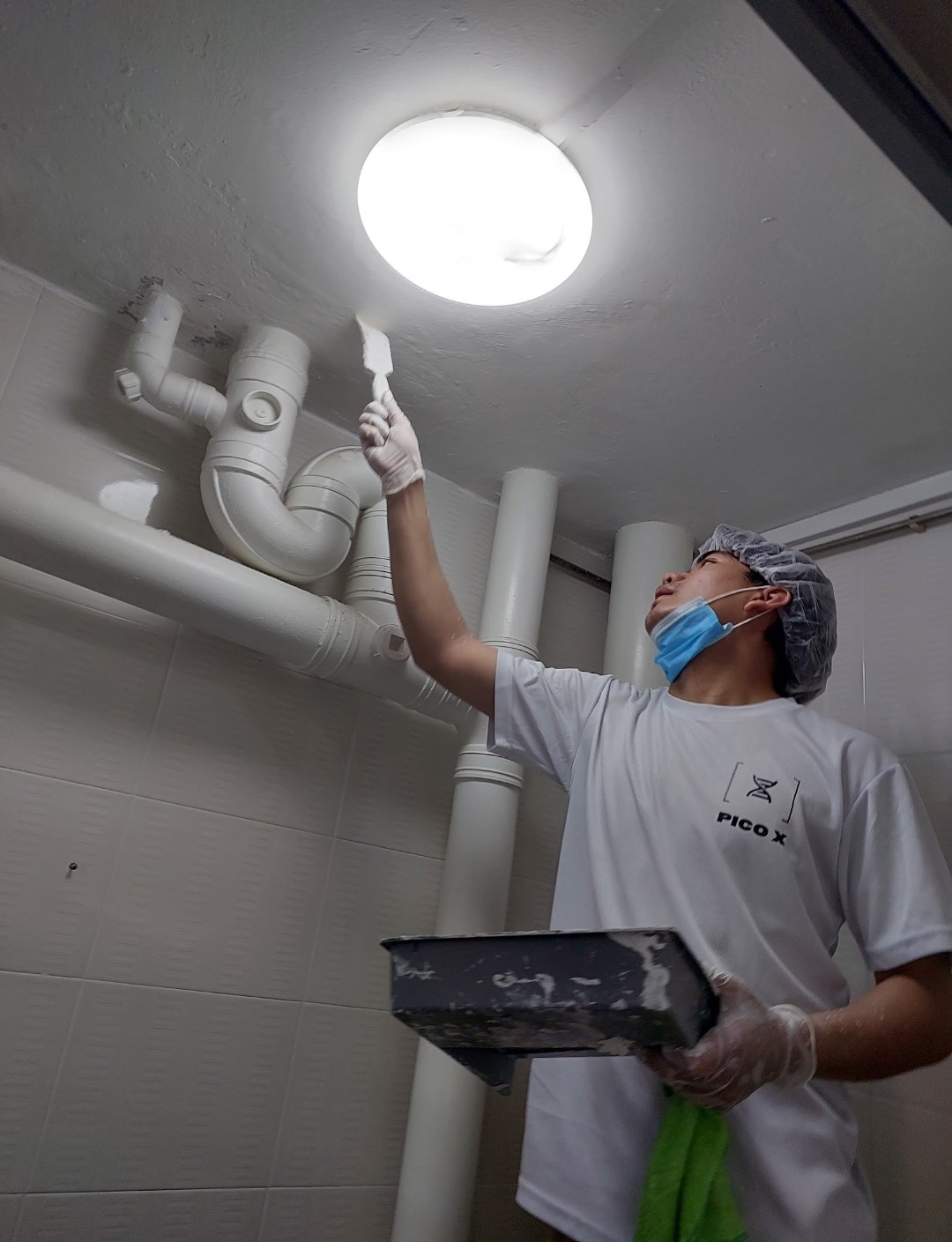
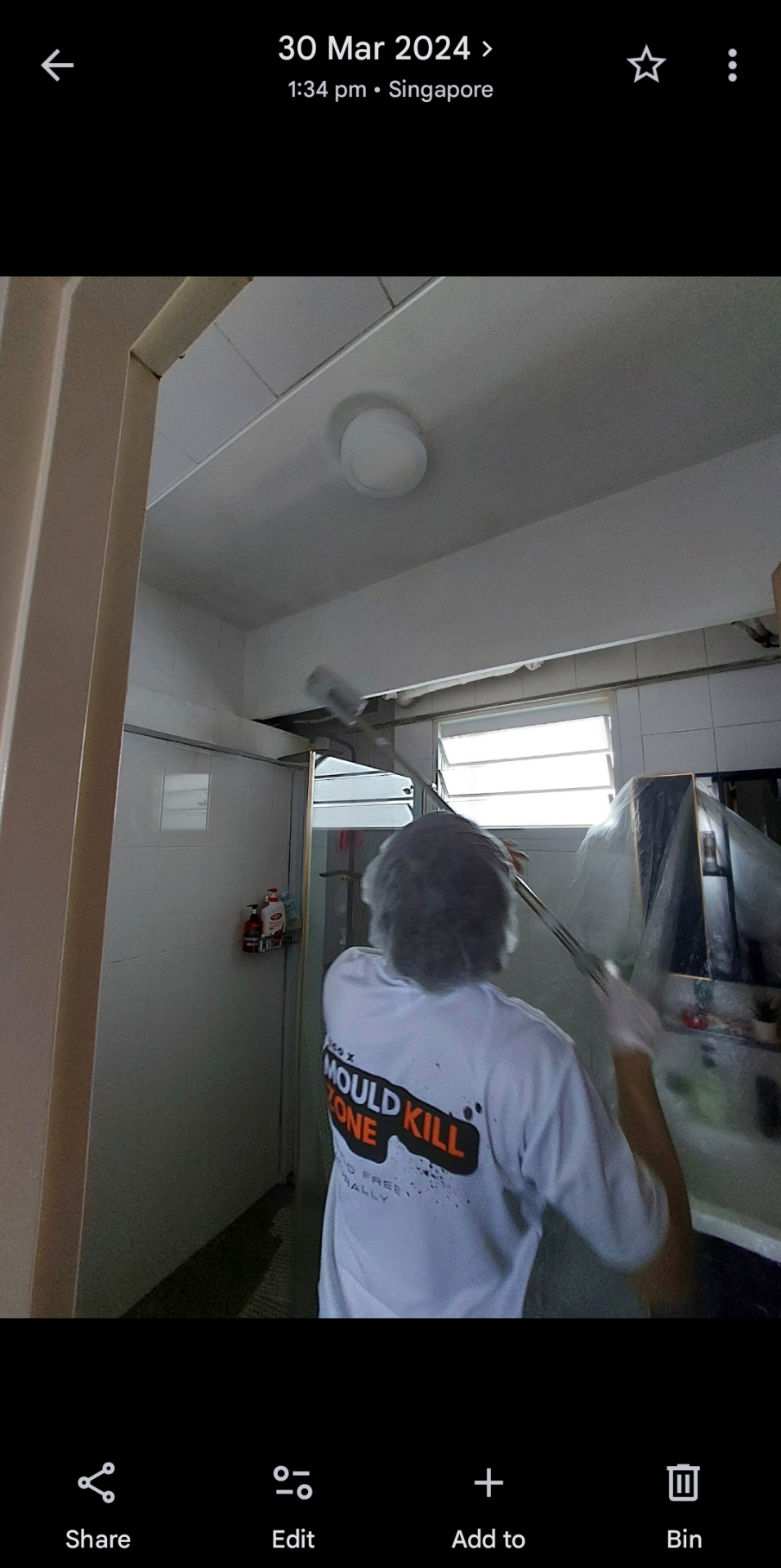
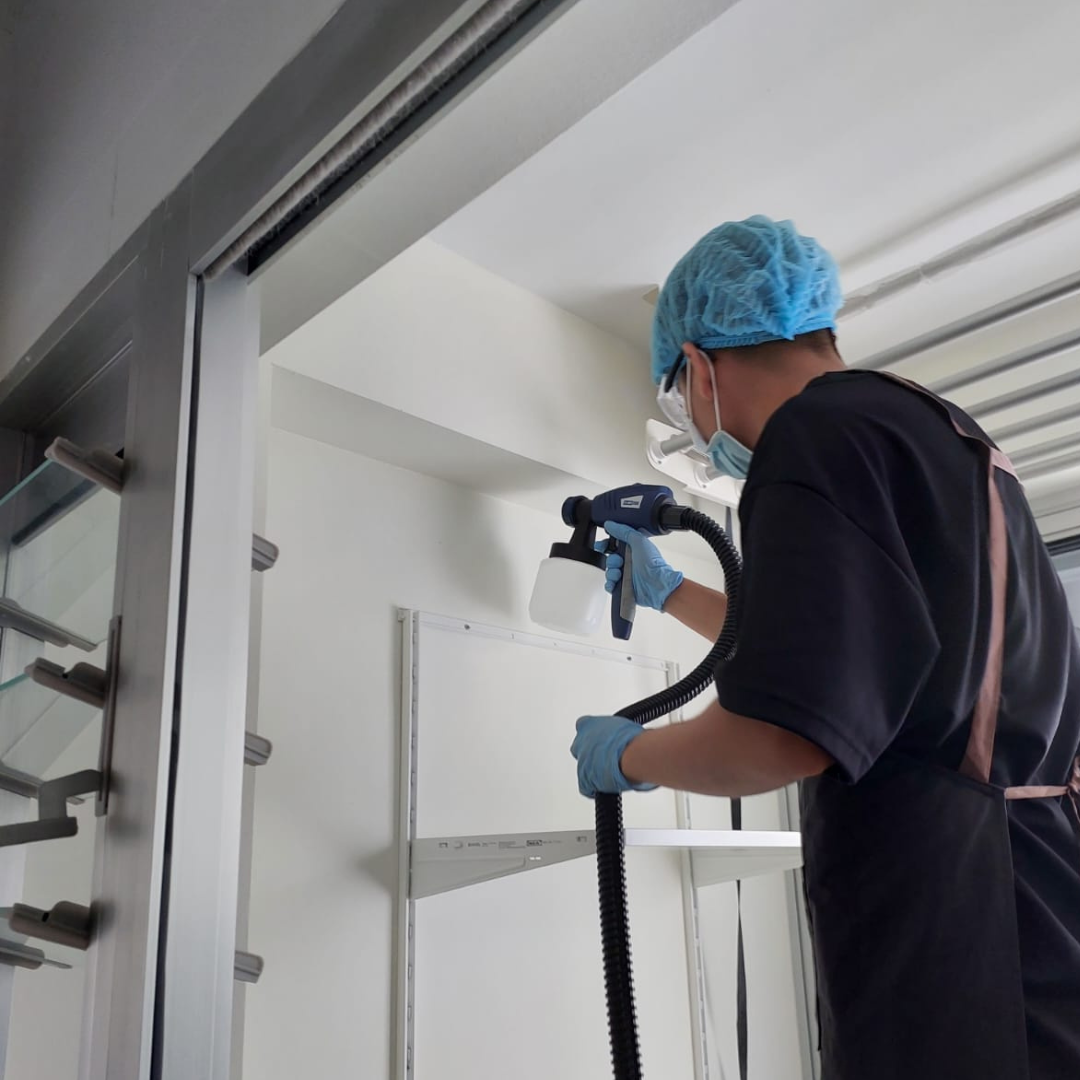
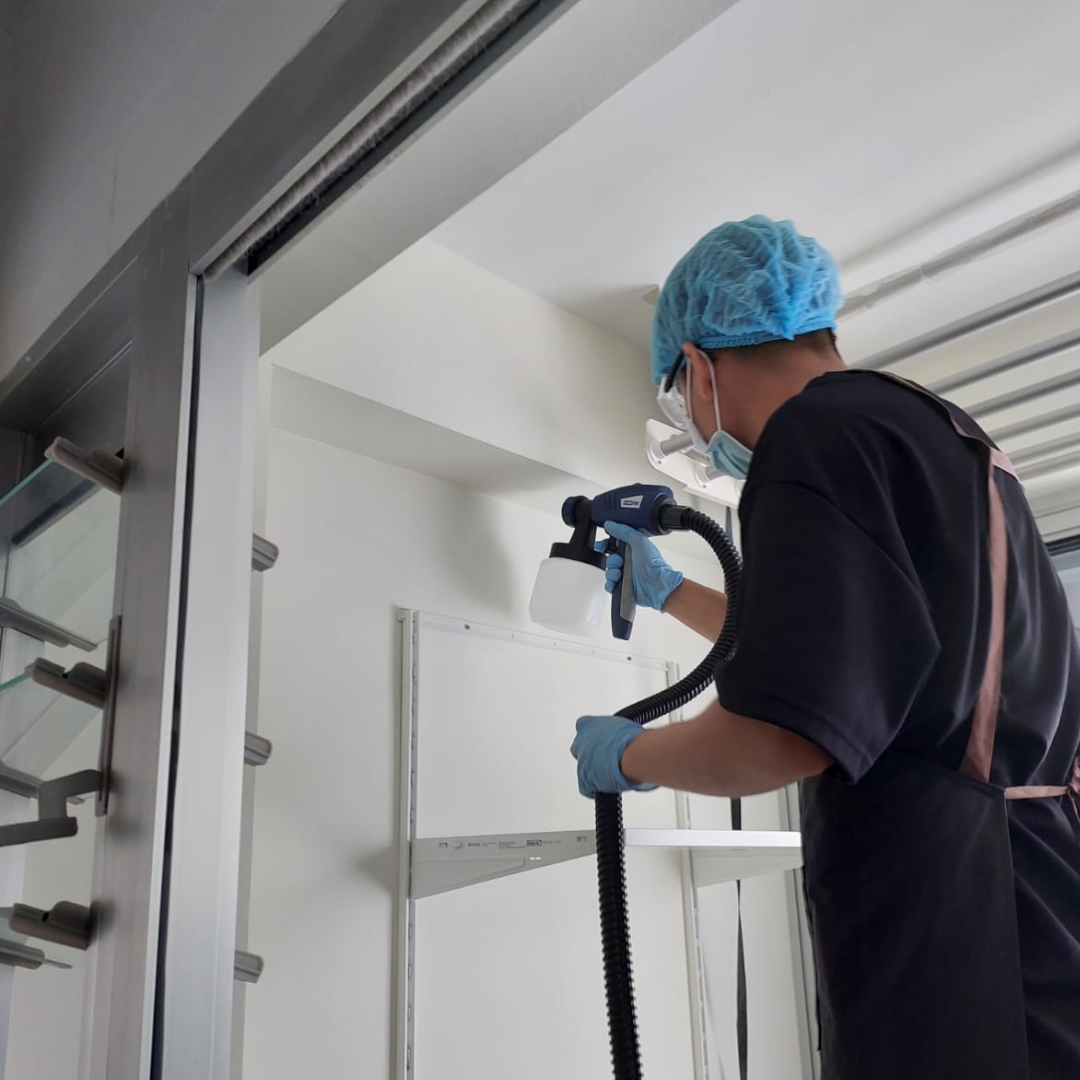
Moisture mapping reveals hidden damp before remediation begins.Full PPE — P100 respirator, goggles, suit — protects technicians and your indoor air.Plastic containment isolates the work zone so spores cannot migrate.Anti-mould treatment applied to kitchen cabinetry next to the aircon coil.contained sander removes the contaminated paint layer cleanly.Anti-mould paint sealed around bathroom ceiling pipes — the most common HDB hotspot.Extension tooling reaches the full ceiling without moving the homeowner's furniture.HVLP sprayer lays an even anti-mould barrier across treated ceilings.
Before & After: Real Singapore Jobs
Documented mould remediation across HDB, condo, landed and commercial spaces.
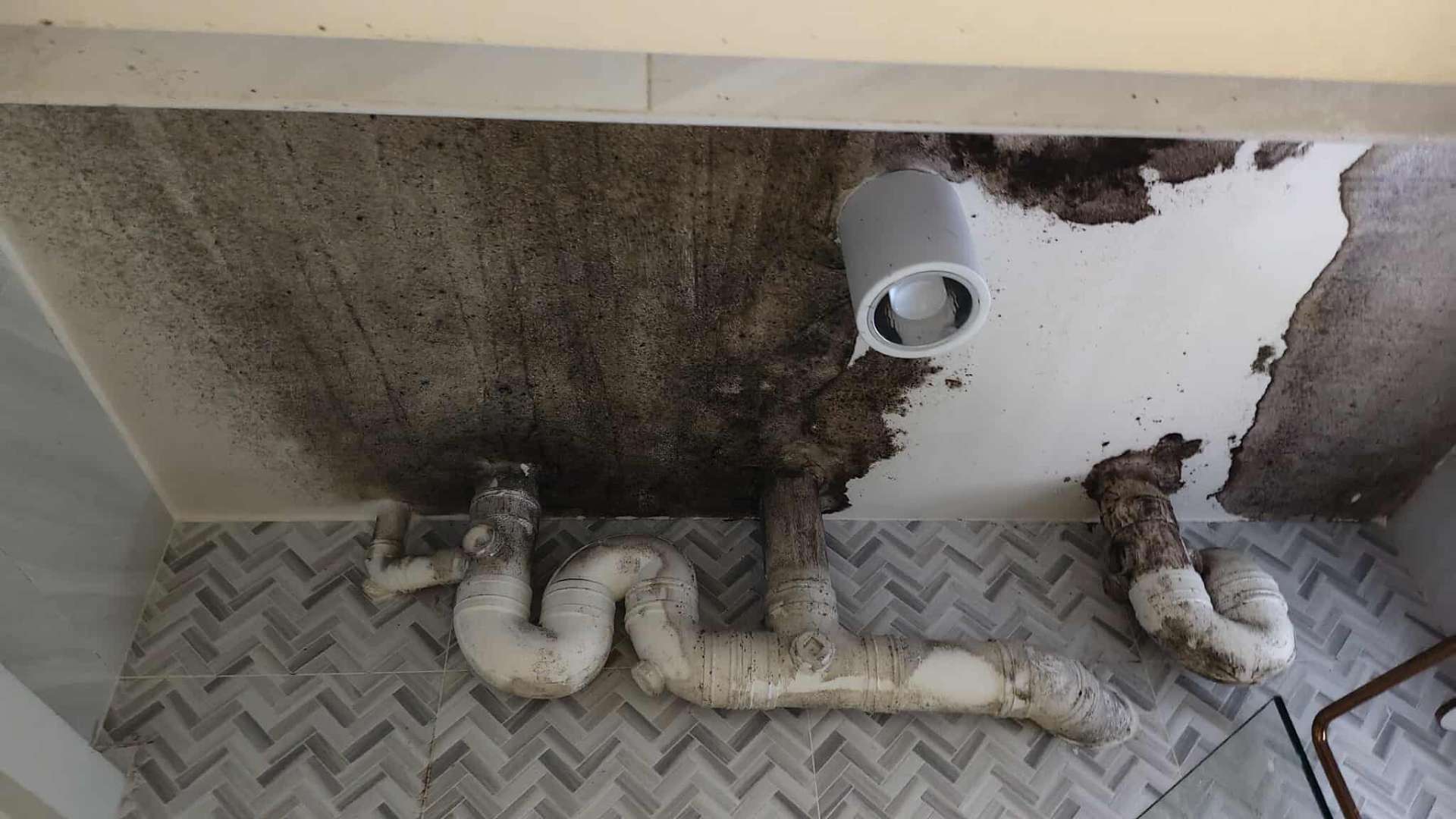
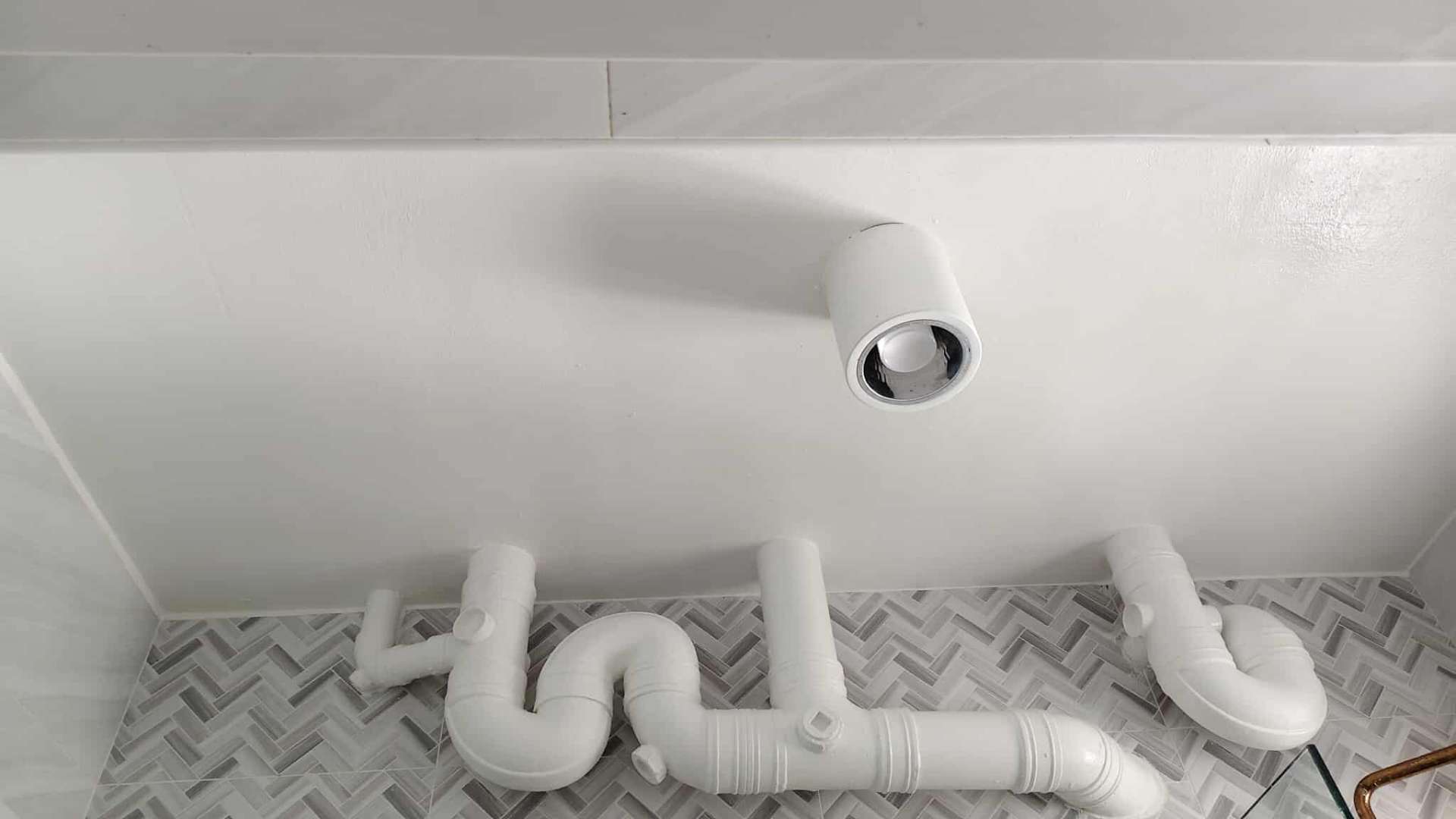
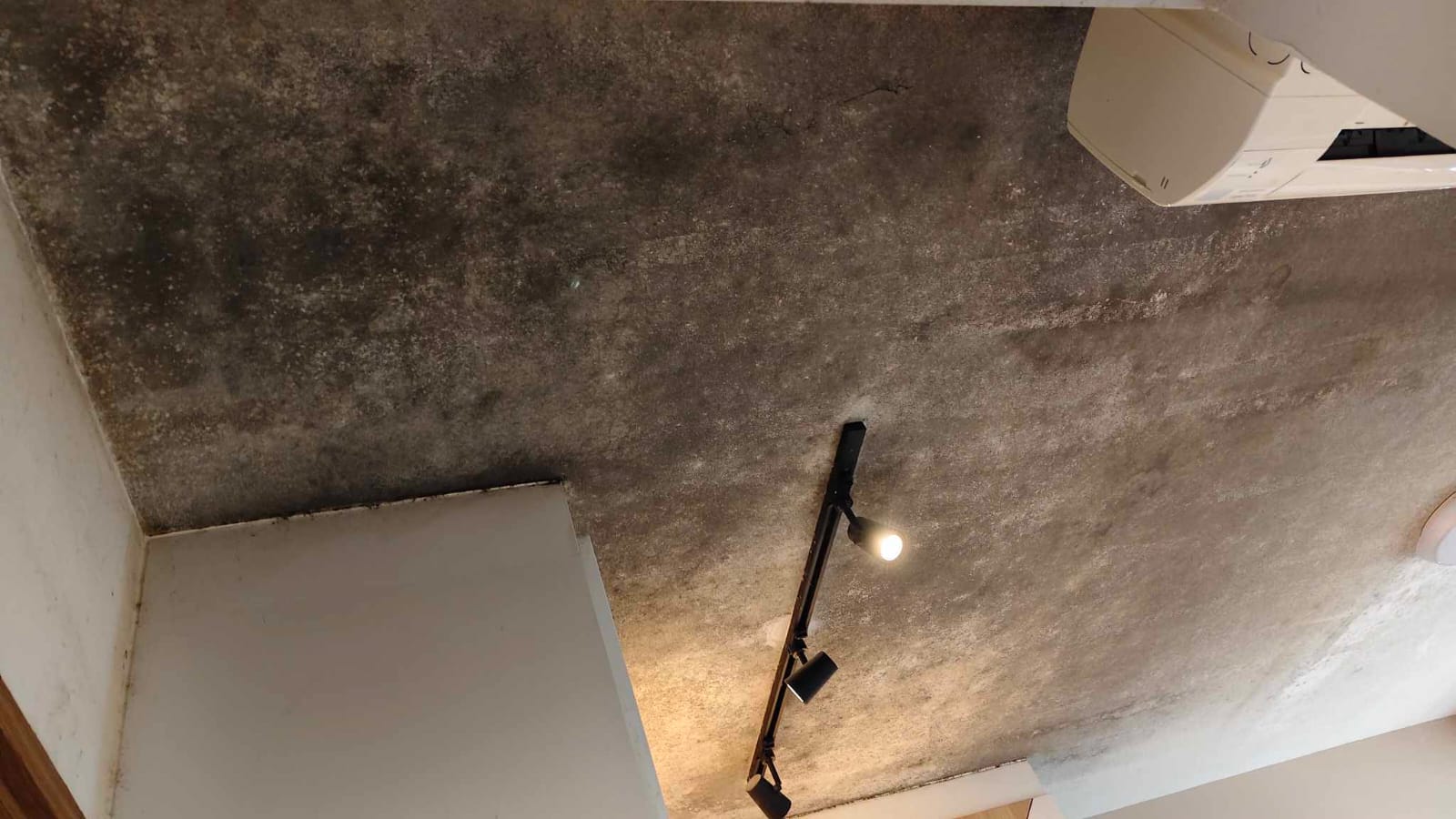
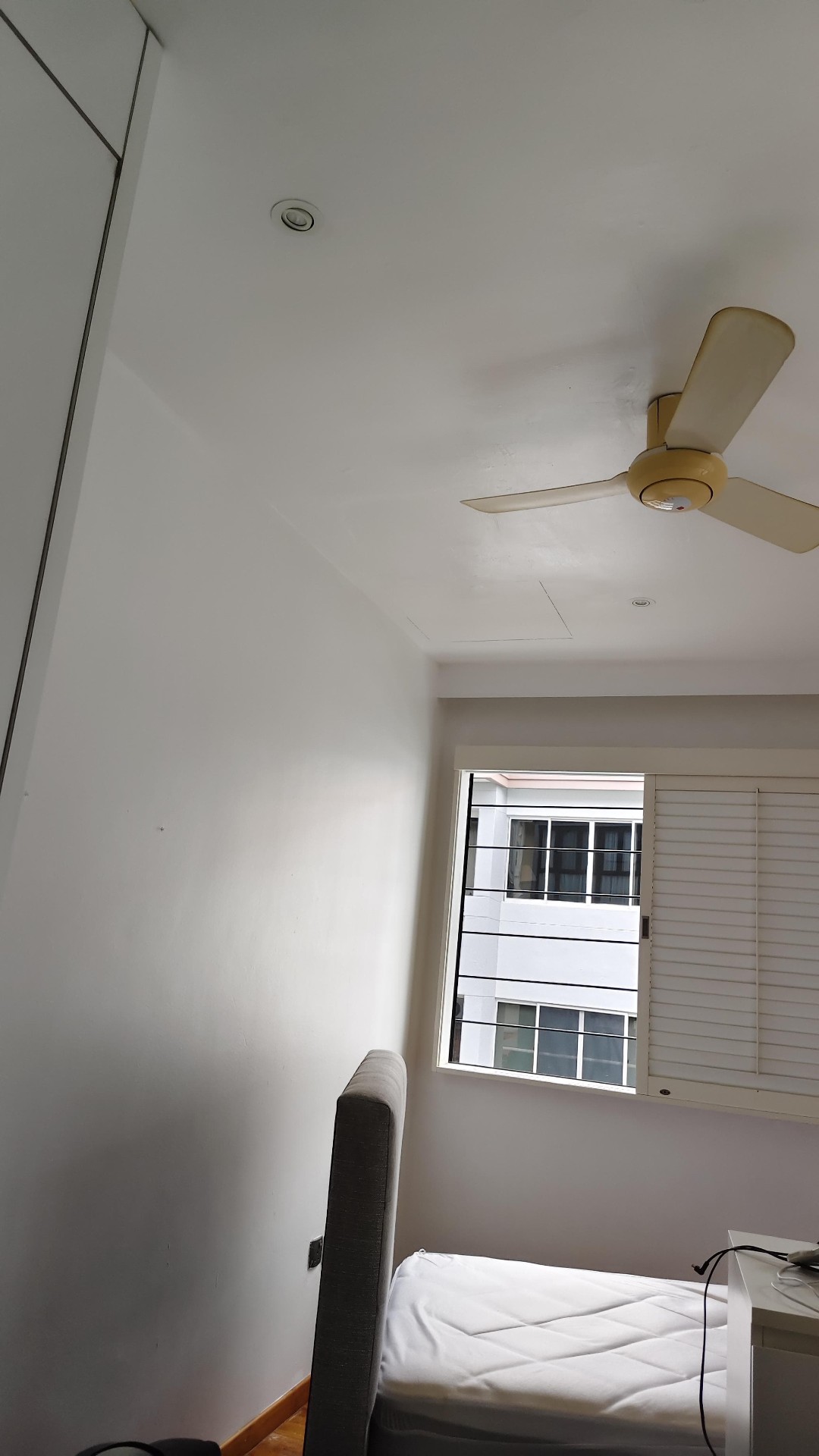
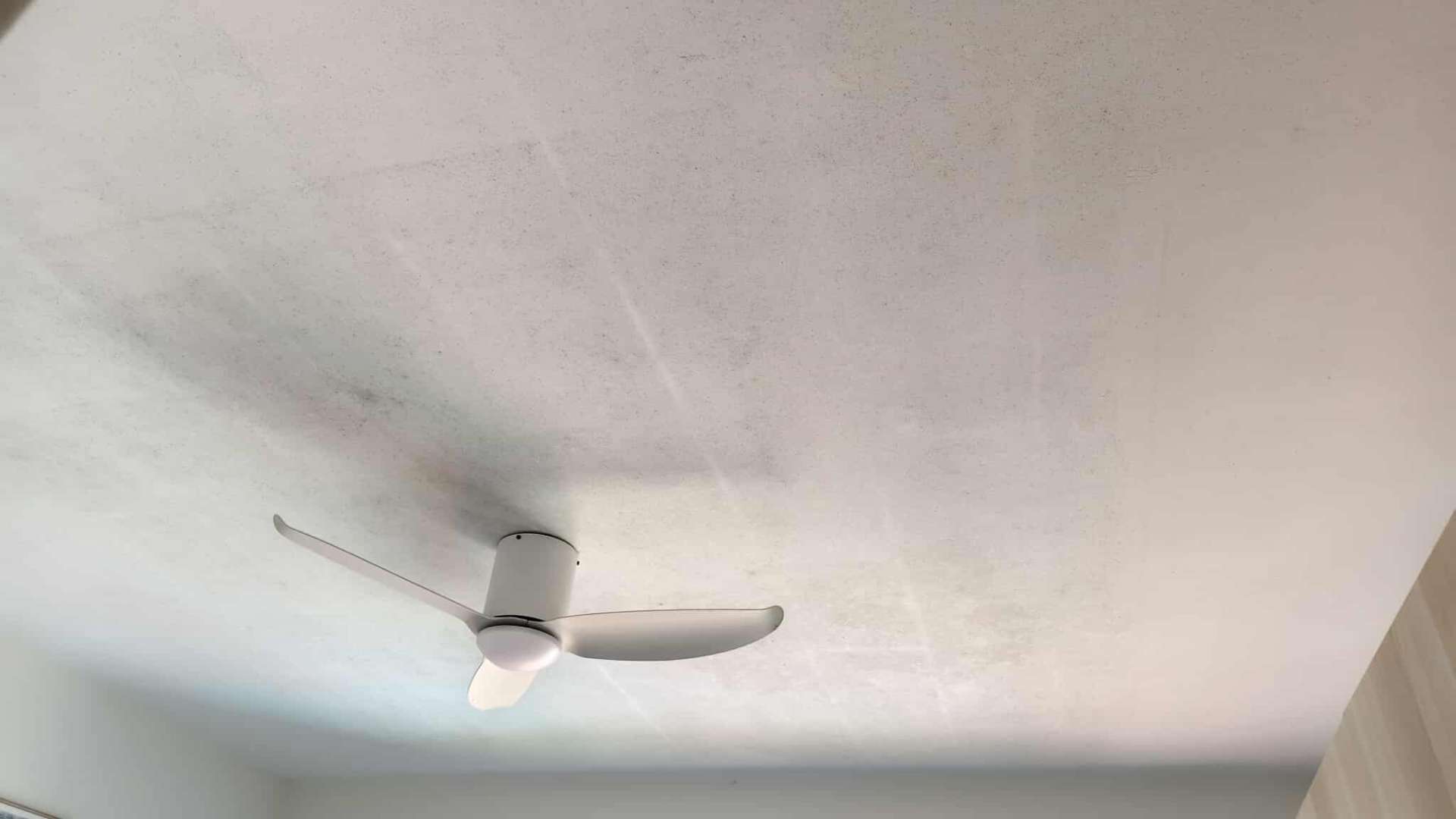
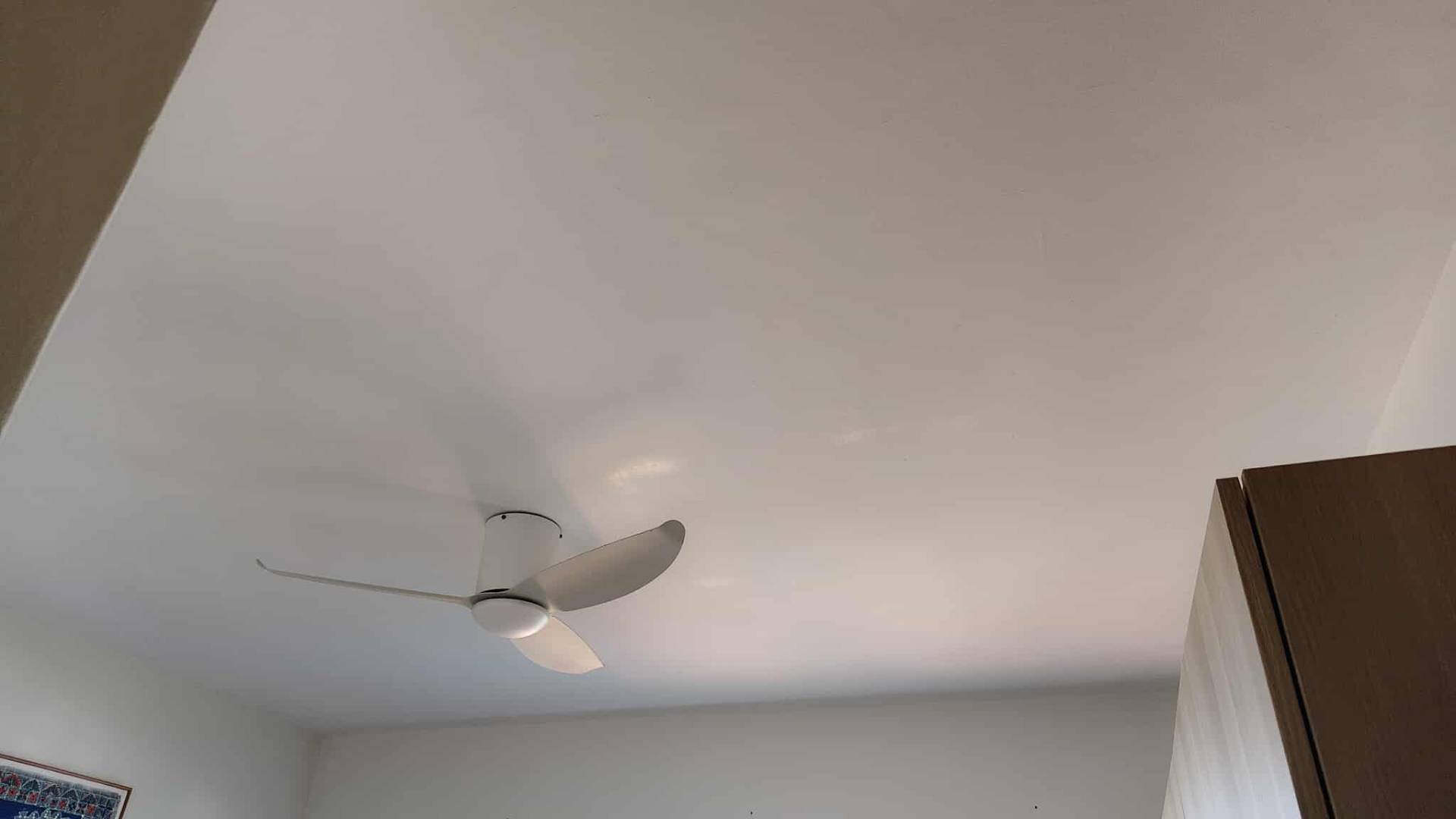
Before — severe ceiling mould around bathroom pipes.After — clean ceiling, sealed pipes, anti-mould coating in place.Before — black mould near the bedroom aircon.After — restored ceiling, mould-free for the long term.Before — staining and mould around the ceiling fan housing.After — clean, repainted ceiling around the fan.
Products We Use & Recommend
Professional-grade equipment and coatings selected for Singapore's humid climate.
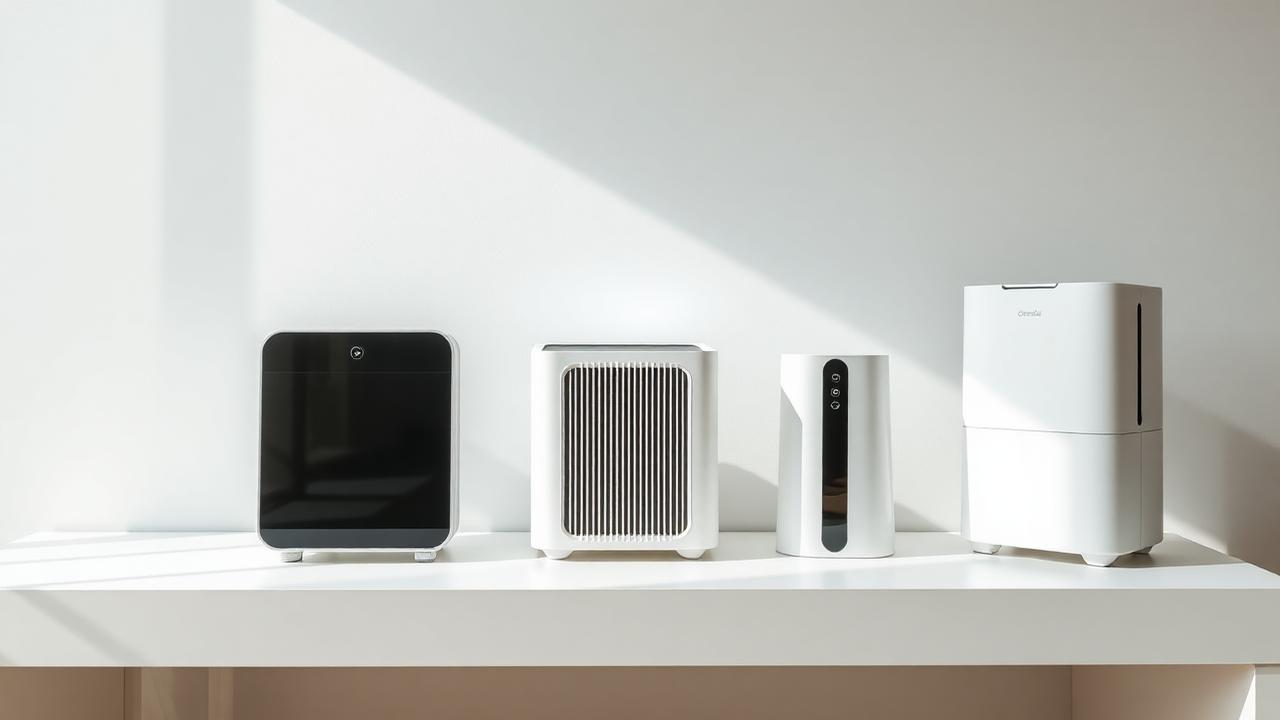
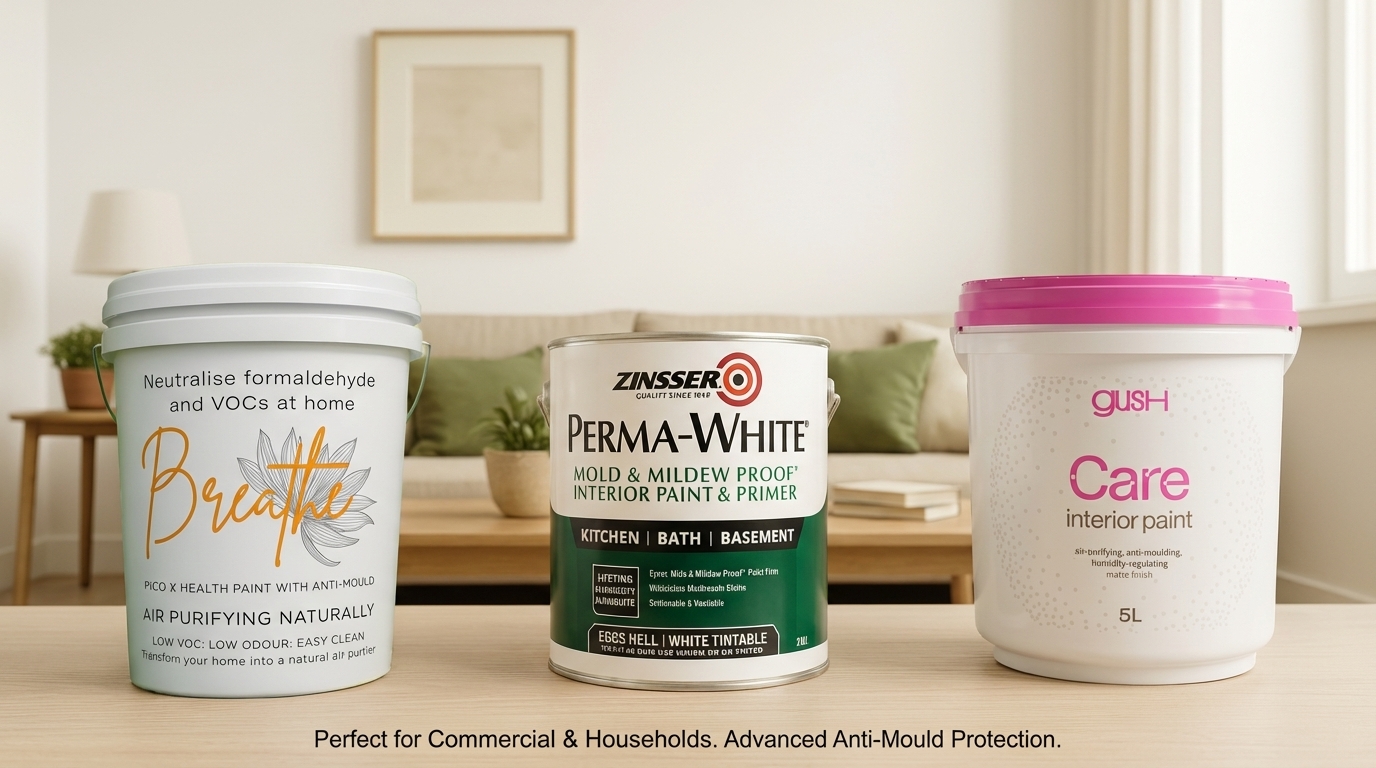
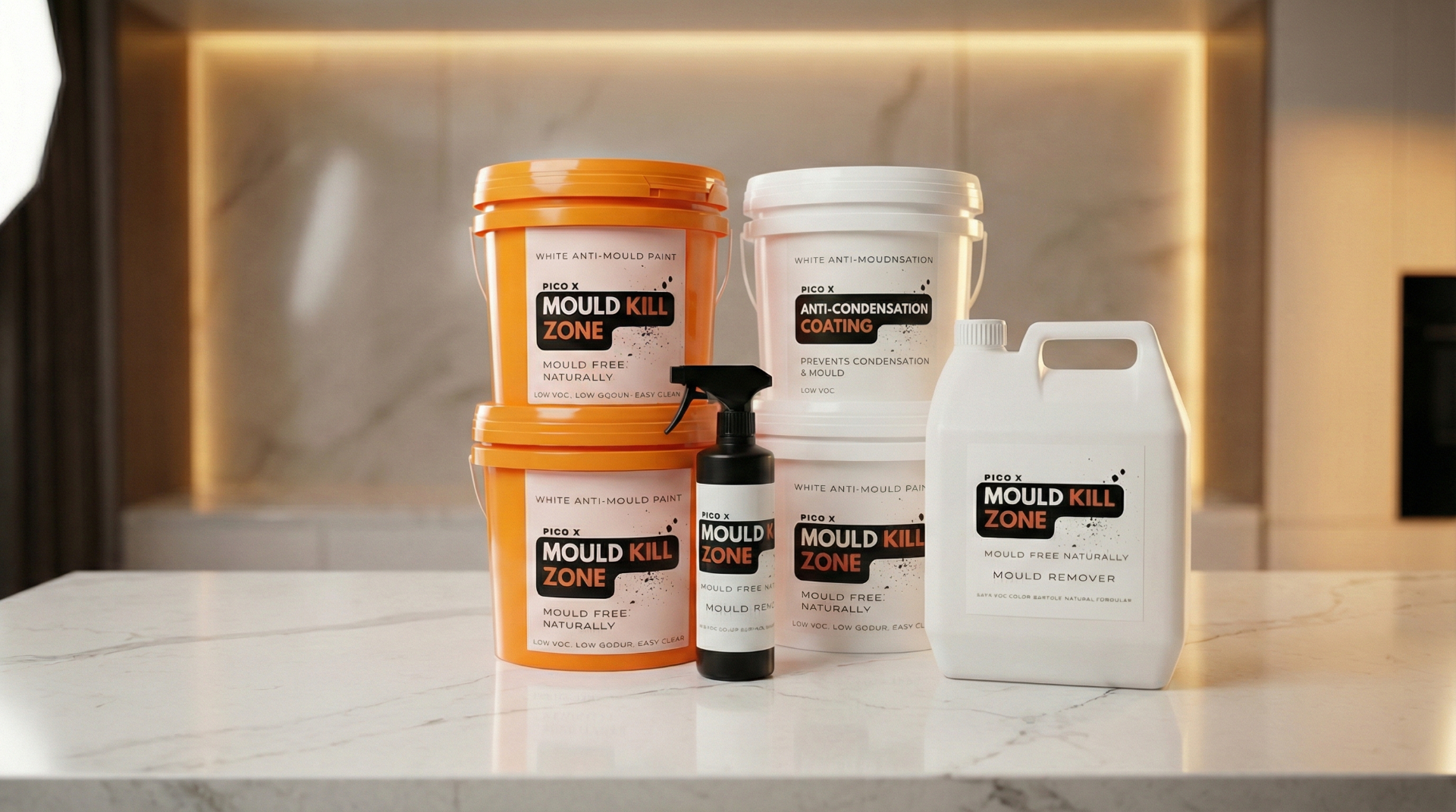
HEPA air purifiers and industrial-grade dehumidifiers for tropical Singapore homes.Recommended anti-mould paints: Breathe, Zinsser Perma-White, and Gush Care.Mould Kill Zone range — Anti-Condensation Coating, Anti-Mould Paint, Anti-Mould Coating, Moldicide Spray, Mould Remover.
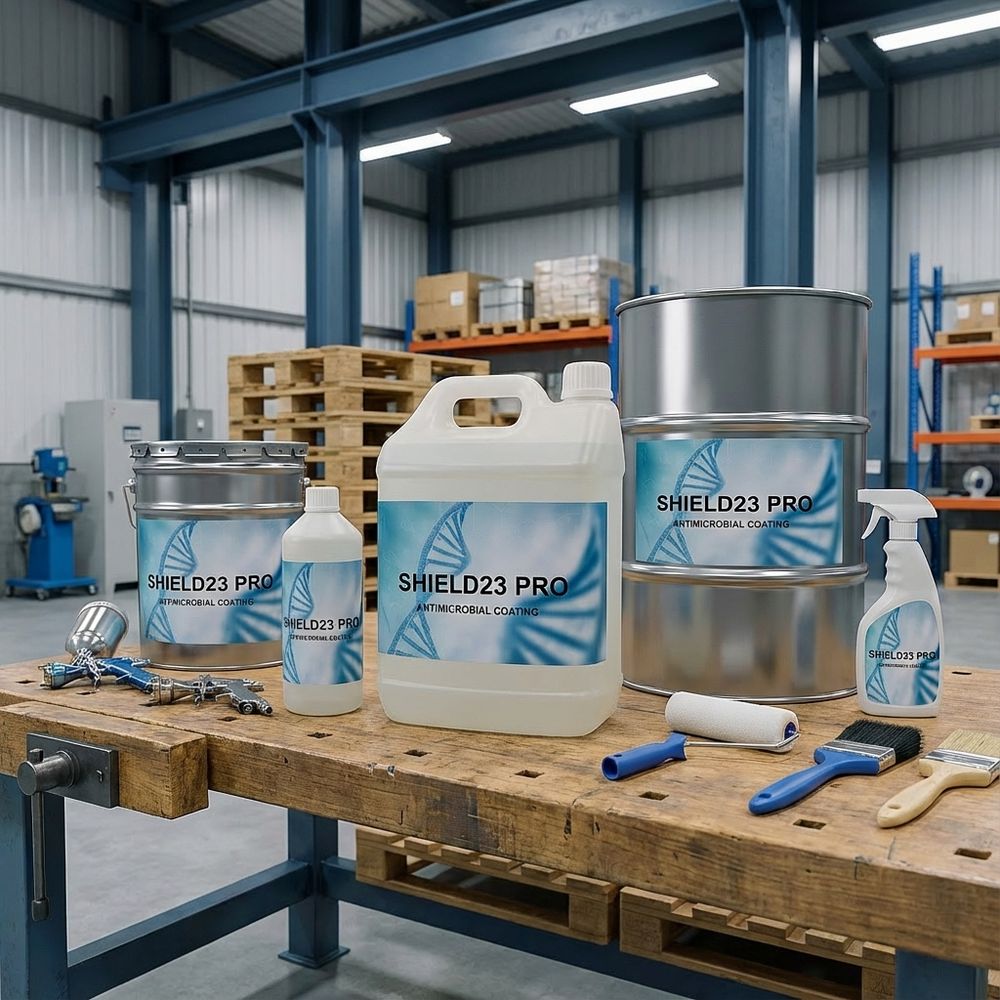
Shield23 Pro — Antimicrobial Coating
Long-life inorganic-ion defense applied by trained Pico X Health technicians across hospitals, F&B, schools, and homes.
Shield23 Pro inorganic-ion antimicrobial coating — 99.9% pathogen reduction for 6–12 months.
Recommended Services
Pico X Health services most relevant to this topic.