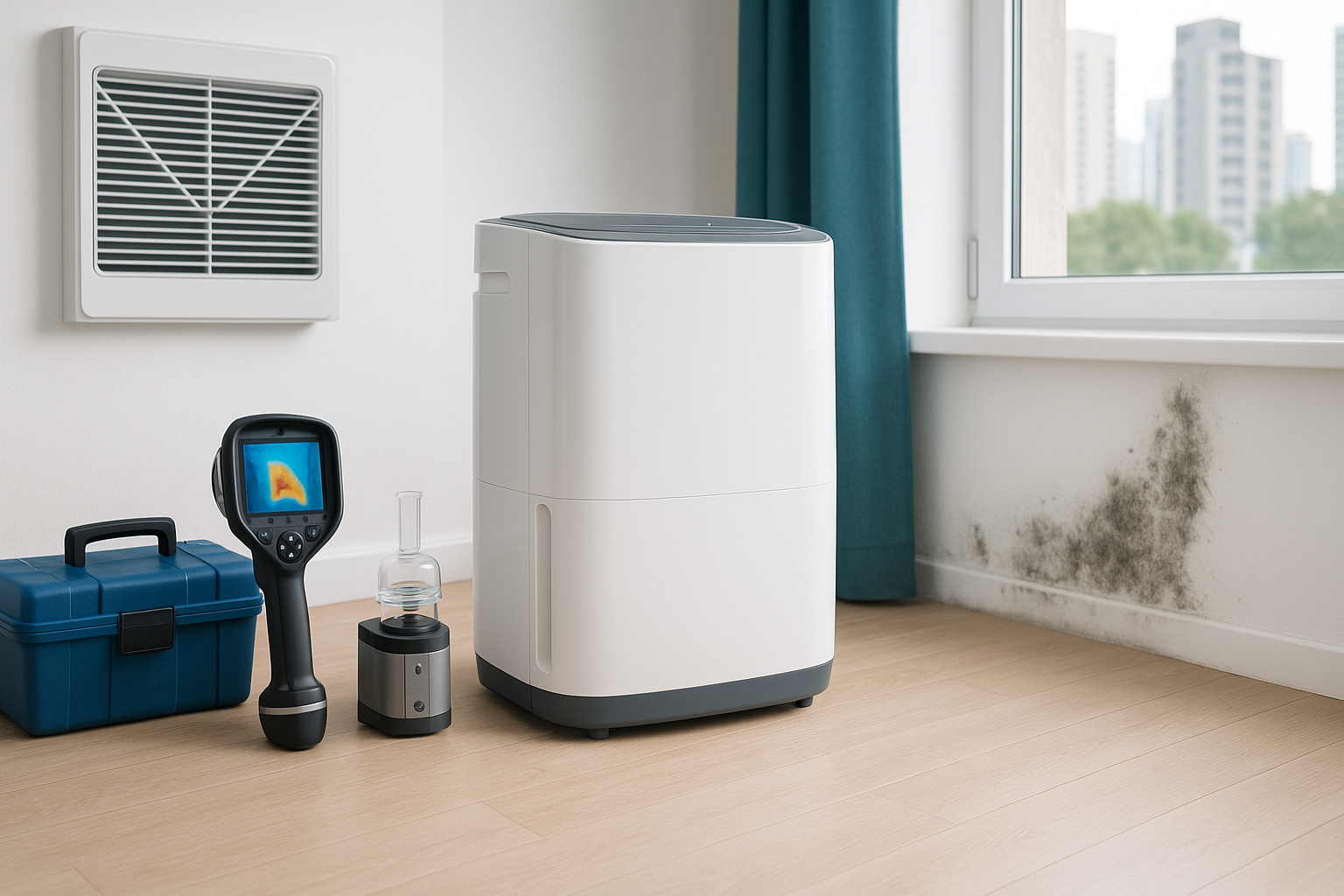
# Best Dehumidifiers for Singapore Homes: Expert Buying Guide
Singapore's tropical climate is both a blessing and a challenge. While the warmth supports lush green landscapes, it also creates ideal conditions for mould growth in our homes. As a mould remediation specialist with over 15 years of experience in the region, I've seen firsthand the persistent issues caused by high humidity levels, particularly in HDB flats, condos, and landed properties. If you're a homeowner in Singapore, investing in a quality dehumidifier could be the key to a healthier, more comfortable living environment.
In this comprehensive guide, we'll explore the best dehumidifiers for Singapore homes. We'll dive into the specifics of selecting the right device, tailored to different property types and sizes, while adhering to NEA guidelines. Our focus will be on practical, actionable advice, helping you make an informed decision.
Understanding Singapore's Climate and Its Impact on Homes
The Humidity Factor
Singapore is known for its high levels of humidity, with relative humidity levels often exceeding 80%. This constant moisture in the air can lead to several issues within homes, such as:
- Mould Growth: A common problem in kitchens, bathrooms, and even air-conditioned rooms.
- Allergen Proliferation: Dust mites and other allergens thrive in humid conditions.
- Structural Damage: Prolonged exposure to humidity can weaken wood structures and promote rust on metal fixtures.
📊 Key Stat: According to the National Environment Agency (NEA), the ideal indoor humidity level should be between 45% and 60% to prevent mould growth.
Local Property Types and Considerations
Each property type requires a tailored approach to dehumidification, making it essential to choose the right device for your specific needs.
Choosing the Right Dehumidifier
Capacity and Coverage
When selecting a dehumidifier, consider the capacity, usually measured in litres. This indicates how much moisture the device can remove from the air within 24 hours.
- Small Spaces (e.g., Bathrooms): A unit with a capacity of 10-12 litres should suffice.
- Medium Spaces (e.g., Bedrooms, Living Rooms): Opt for 12-20 litres.
- Large Spaces (e.g., Entire Flats or Large Rooms): Consider a dehumidifier with a capacity of over 20 litres.
💡 Pro Tip: For HDB flats, a portable dehumidifier with a 10-20 litre capacity can effectively manage humidity across several rooms.
Energy Efficiency
In Singapore, energy costs can add up quickly. It's crucial to choose a dehumidifier that balances performance with energy efficiency.
- Energy Star Rated: Look for models with this certification to ensure lower energy consumption.
- Auto-Shutoff Feature: Prevents unnecessary power use by turning off the unit once the desired humidity level is reached.
Noise Levels
For many homeowners, especially those in condos or HDB flats, noise can be a significant concern. Consider:
- Quiet Operation: Choose models that operate at 40 decibels or lower for minimal disruption.
- Night Mode: Some dehumidifiers offer a quieter setting, ideal for use during bedtime.
Top Dehumidifiers for Singapore Homes
Best for HDB Flats
Novita ND2000
- Capacity: 12 litres
- Features: Energy-efficient, compact, and ideal for smaller spaces.
- Price: Approximately S$350
Best for Condominiums
Philips Series 5000
- Capacity: 25 litres
- Features: Smart sensor technology, Energy Star certified, and quiet operation.
- Price: Around S$600
Best for Landed Properties
Mitsubishi Electric MJ-EV38HR
- Capacity: 38 litres
- Features: Large capacity, suitable for extensive spaces, and includes a laundry mode.
- Price: Approximately S$800
⚠️ Warning: Ensure that the dehumidifier you choose has a proper drainage system, especially for larger models. Improper drainage can lead to water spillage and further damp issues.
Maintenance and Care
Regular Cleaning
- Filter Maintenance: Clean or replace filters as recommended by the manufacturer to ensure efficiency.
- Water Tank: Empty and clean the water tank regularly to prevent bacterial growth.
Placement Tips
- Optimal Location: Place the dehumidifier in a central location within the room to maximize air circulation.
- Distance from Walls: Keep at least 20 cm of space between the unit and walls or furniture.
✅ Best Practice: For optimal results, run the dehumidifier in closed rooms to prevent outside humid air from entering.
Local Regulations and NEA Guidelines
The NEA provides guidelines for maintaining indoor air quality, emphasizing the importance of controlling humidity levels to prevent mould growth. Homeowners should aim to keep indoor humidity levels between 45% and 60%.
- Regular Monitoring: Use a hygrometer to monitor indoor humidity levels and adjust your dehumidifier settings accordingly.
- Consult Professionals: If mould issues persist, consider hiring a professional mould remediation specialist for a thorough assessment.
Conclusion
Investing in a dehumidifier is more than just a purchase; it's a commitment to healthier living. By selecting the right device for your home, you can effectively manage humidity levels, reduce the risk of mould growth, and enhance your overall indoor comfort. Whether you live in a cozy HDB flat in Tampines or a spacious landed property in Jurong, there's a dehumidifier out there to meet your needs.
For further assistance or to schedule a mould inspection, feel free to contact us. Let's work together to ensure your home remains a safe and comfortable haven.
Frequently Asked Questions
Why is a dehumidifier necessary in Singapore homes?
Singapore's high humidity levels, often above 80%, create ideal conditions for mould growth and other issues. A dehumidifier helps maintain optimal indoor humidity levels, reducing the risk of mould, allergens, and structural damage.
What capacity dehumidifier do I need for a typical HDB flat?
For an HDB flat, a dehumidifier with a capacity of 10-20 litres is generally sufficient. This capacity can handle the moderate humidity levels found in these homes, especially in smaller rooms like bathrooms and bedrooms.
Are there any NEA guidelines for using dehumidifiers in Singapore?
Yes, the NEA recommends maintaining indoor humidity levels between 45% and 60%. Using a dehumidifier can help achieve this. It's important to regularly monitor humidity levels with a hygrometer and adjust your dehumidifier settings accordingly.
How much does a good dehumidifier cost in Singapore?
The cost of a dehumidifier in Singapore varies based on capacity and features. Small units can start at around S$250, while larger, more advanced models can go up to S$800. Consider energy efficiency and capacity when determining the best value for your needs.
Can I use a dehumidifier in an air-conditioned room?
Yes, using a dehumidifier in an air-conditioned room can be beneficial. While air conditioners provide some dehumidification, a dedicated dehumidifier can more effectively manage high humidity levels, especially during rainy seasons when humidity is particularly high.