Free mould risk alerts — sent to your phone
Real-time Telegram pings when your Singapore area enters the mould danger zone, with the exact steps to lower risk right now. No email, no signup.
Limited-time promoEssential one-wall or one-ceiling from S$199 — non-toxic treatment + anti-mould paint.
What humidity actually does — at home and at work
Mould is the visible symptom. The bigger story is everything else humidity touches before mould even shows up.
In the Home
- Health & wellbeing — Sustained >70% RH amplifies dust-mite, allergen, and mould-spore loads — common triggers for asthma, eczema flare-ups, and disturbed sleep.
- Mould & damp — Mould colonises porous surfaces in 24–48 hours once RH stays above 70%. Walls, ceilings, wardrobes, and bomb shelters are the first to show.
- Building fabric — Paint blistering, gypsum sag, swollen skirting, rusting metal frames, and warped parquet quietly compound repair costs.
- Electronics & valuables — Camera lens fungus, corroded PCBs, shoe and bag mildew, swollen books, and sticky leather are all signature humid-storage damage.
- Comfort & sleep — At 32°C, going from 60% to 85% RH feels ~5°C hotter. Sleep quality drops, aircon bills rise.
- Daily life friction — Laundry won't dry, towels smell, salt clumps, biscuits go soft. Quiet quality-of-life tax most households absorb.
In the Office
- Productivity & cognition — Studies link >70% RH workplaces with measurable drops in focus, response time, and perceived comfort across an open-plan floor.
- Sick-building symptoms — Headaches, throat irritation, and "office cough" often trace to humid HVAC ducts incubating mould and bacteria.
- Server & equipment risk — Comms cabinets and server rooms need 40–55% RH. Above that, condensation and oxidation on contacts accelerate component failure.
- Fit-out degradation — Carpet underlay rot, ceiling tile sag, gypsum staining, and timber veneer lifting hit premium fit-outs hardest.
- Mould in hidden zones — Pantry sinks, basement carparks, AHU rooms, and cold-deck risers stay damp long after a leak.
- Compliance & liability — Indoor air quality complaints escalate fast. Documented humidity control protects tenants and facilities teams.
The relative-humidity threshold table
One reference for what every RH band means for mould, health, and your stuff.
| RH range | Mould risk | Health impact | Materials & equipment |
|---|---|---|---|
| <50% RH | Very low | Comfortable; can dry sinuses if too low | Safe for electronics, archives, instruments |
| 50–60% RH | Low | Ideal indoor target for most homes & offices | Stable for fit-outs, books, leather, timber |
| 60–70% RH | Elevated — first colonies possible | Dust-mite activity rises; mild allergen load | Slow corrosion, paper softens, smells linger |
| 70–80% RH | High — colonisation in 24–48 h | Asthma, eczema, sleep disruption escalate | Visible swelling, paint blisters, electronics fog |
| >80% RH | Severe — widespread visible growth likely | Respiratory irritation; sustained allergen exposure | Rapid degradation across most building materials |
Subscribe to Free Mould Alerts
The same AMRI index our research lab uses, delivered only when it actually matters.
Office & facilities humidity playbook
Targets and inspection points facilities and admin teams can act on this week.
Server room / comms cabinet
Hold 40–55% RH. Add a desiccant unit or split DX. Check drip trays and condensate lines monthly.
Open-plan floor
Aim for 50–60% RH for comfort and productivity. Audit AHU setpoints; many run too cold and over-condense.
Pantries & washrooms
Quietly the highest mould zone. Daily wipe-down of sinks, monthly grout check, exhaust fan running.
Basement carparks & risers
Long-term damp from cold-deck condensation. Schedule a quarterly inspection — costs much less than a fit-out swap.
AHU rooms & cold-deck risers
Insulation gaps drive condensation. Thermal-image quarterly during monsoon for cold spots.
Reception & lobby glazing
Glass condenses first. Wipe morning condensation; check skirting and carpet edges for stains.
Residential humidity playbook
The hot spots by property type, with the relevant deep-dive guide for each.
HDB
Bomb shelter — vent weekly. Wardrobe — leave doors ajar.
Condo
Balcony joints — annual sealant check. A/C ledge — drain line + condensation.
Landed
Roof void — annual inspection. Garden-facing walls — check skirting & paint.
The science behind AMRI
Calibrated against Singapore-specific mould remediation data, not generic global thresholds.
The Atmospheric Mould Risk Index (AMRI) combines sustained relative humidity (weighted ~35%), rainfall windows (~25%), dew point, temperature, and post-monsoon recovery into a single forward-looking risk score for indoor surface dampness. Below are the four research studies underpinning the index.
Dehumidifier Effectiveness Study (80 SG homes)
Real-world RH reduction across HDB & condo layouts.
Singapore Weather × Mould Parameters
AMRI weights: humidity 35%, rainfall 25%.
Monsoon Season Mould Impact
Quantifying NE Monsoon's effect on mould incidence.
HVAC Mould Prevention in Tropics
Cold-deck condensation control for offices.
Full humidity reading list
Every spoke article in the humidity cluster, in one place.
Understanding humidity levels in tropical Singapore
Why 84% RH is the baseline you're fighting against.
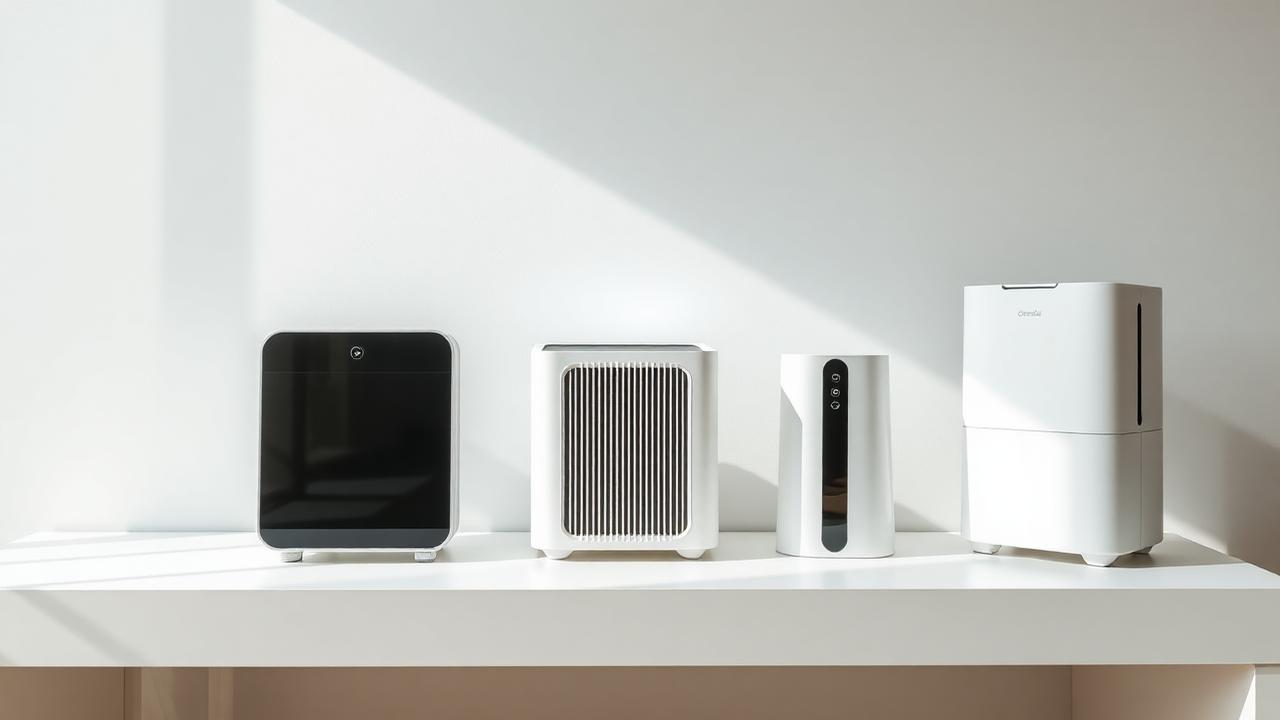
Best dehumidifiers for Singapore homes
Buying guide tested against tropical conditions.
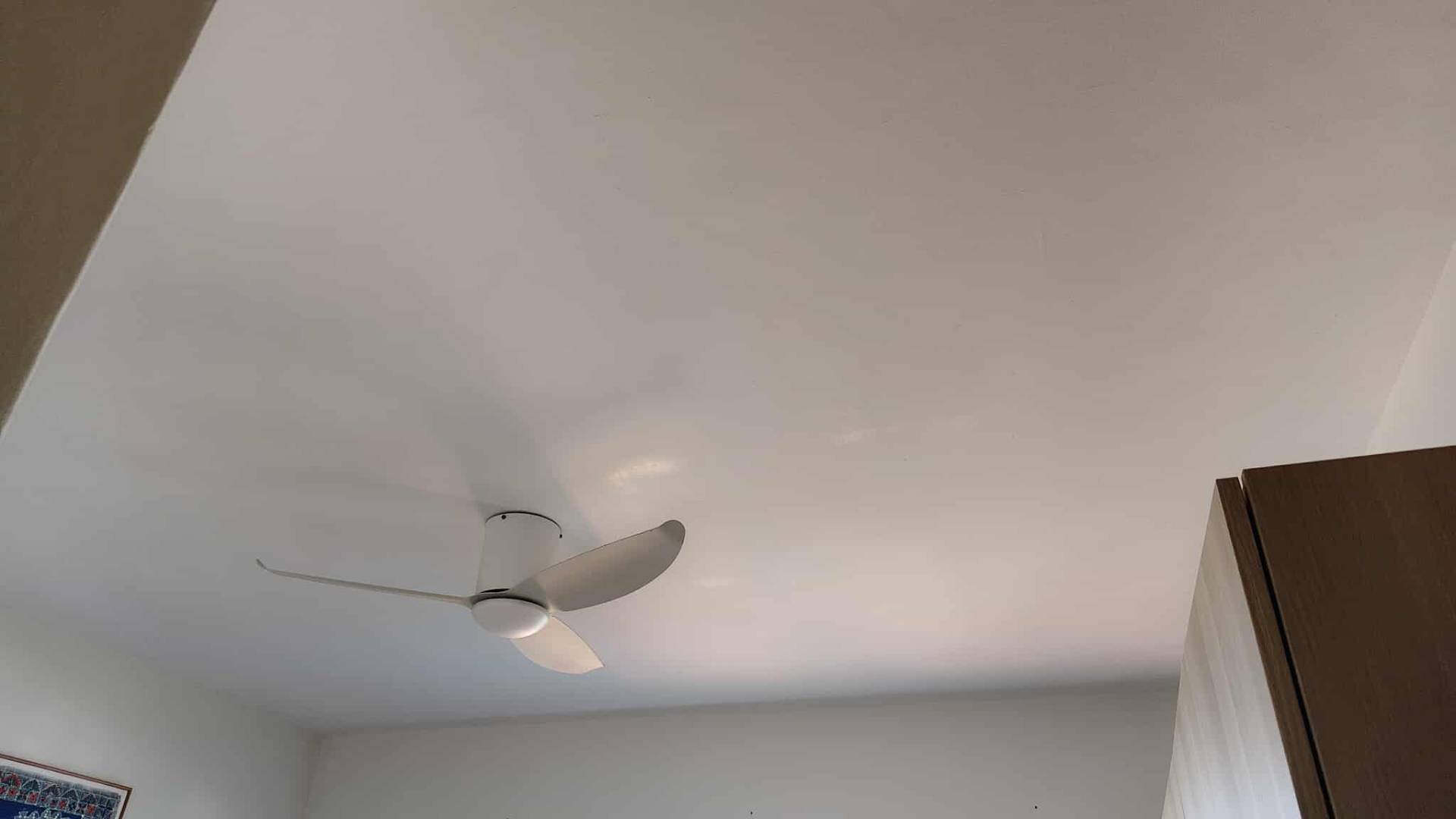
Ceiling fan maintenance to reduce humidity
Airflow tricks that move RH down 5–10 points.
Keep your bathroom mould-free
The 4 routines that beat grout & ceiling mould.
Plumbing leak vs humidity
Diagnosing whether it's a leak or just RH.
Why Singapore's climate makes mould inevitable
Structural reasons HDB & condos get hit.
10 ways to prevent mould in HDB flats during monsoon
Field-tested checklist for Nov–Jan.
How fast can mould grow after a water leak
Singapore's 24–48 hour danger window explained.
Frequently Asked Questions
What is the ideal indoor humidity for a Singapore home?
50–60% RH is the sweet spot — comfortable, low mould risk, safe for electronics and timber. The challenge in Singapore is that outdoor RH averages 84%, so you need active dehumidification or aircon dry-mode to hold the band.
Does aircon alone fix humidity?
Partly. Cooling-mode aircon removes some moisture as a side-effect, but isn't optimised for it. Dry-mode or a dedicated dehumidifier removes more water per kWh and is what you want when RH is the actual problem.
How is AMRI different from a normal weather app?
Weather apps tell you today's RH and rainfall. AMRI combines sustained RH, rainfall windows, dew point, and post-monsoon recovery to predict when indoor surfaces stay damp long enough for mould to colonise — typically 24–48 hours ahead.
What humidity range do servers and electronics need?
Server rooms and comms cabinets target 40–55% RH. Above 60% RH, condensation risk on cold surfaces rises and oxidation on contacts accelerates.
When should I book an inspection vs handle it myself?
DIY when it's a fresh, surface-level spot under ~1 m² with no smell. Book an inspection when mould keeps coming back, you can smell it without seeing it, ceilings show fresh damp patches, or you have asthma or young children in the space.
Is the mould alert service really free?
Yes — 100% free with no premium tier. Pico X Health funds it as a community service for Singapore residents and small offices.
How often will I receive alerts?
Only when conditions warrant — typically 2–6 emails per month. More during the Northeast Monsoon (Nov–Jan) and fewer during drier months.
What triggers a mould alert?
Sustained RH above 75%, prolonged rainfall, or post-monsoon conditions where indoor surfaces are likely to stay damp for over 24 hours.
Can I run a dehumidifier safely overnight?
Yes — modern units have auto-off and full-tank cutoff. Set the target to 55% RH, place it centrally, clean the filter monthly.
Does this work for HDB, condos, landed homes, and offices?
Yes. Alerts use Singapore-wide weather data, and the playbook in each alert is tailored: HDB bomb-shelter and wardrobe checks, condo balcony and ledge inspection, landed roof void and basement, and office HVAC plus pantry zones.
What data do you collect, and will you share it?
Just your email address, plus an optional postal district. We never sell, rent, or share your data with third parties.
Can I unsubscribe anytime?
Yes. Every alert email has a one-click unsubscribe at the bottom. Your data is removed immediately.
Don't wait for mould to be the warning sign
Subscribe to free alerts, or book a humidity-led inspection for your home or workplace.
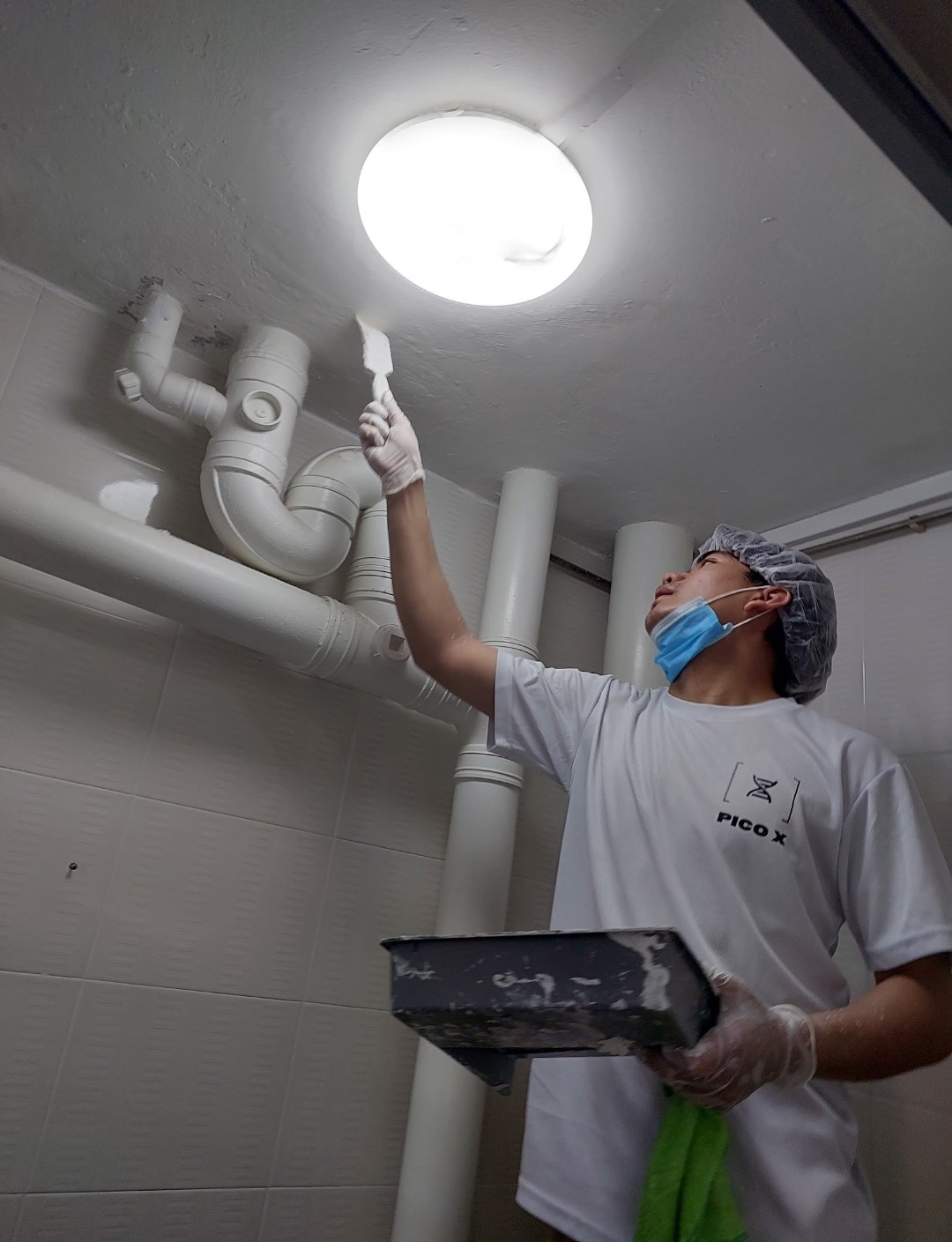
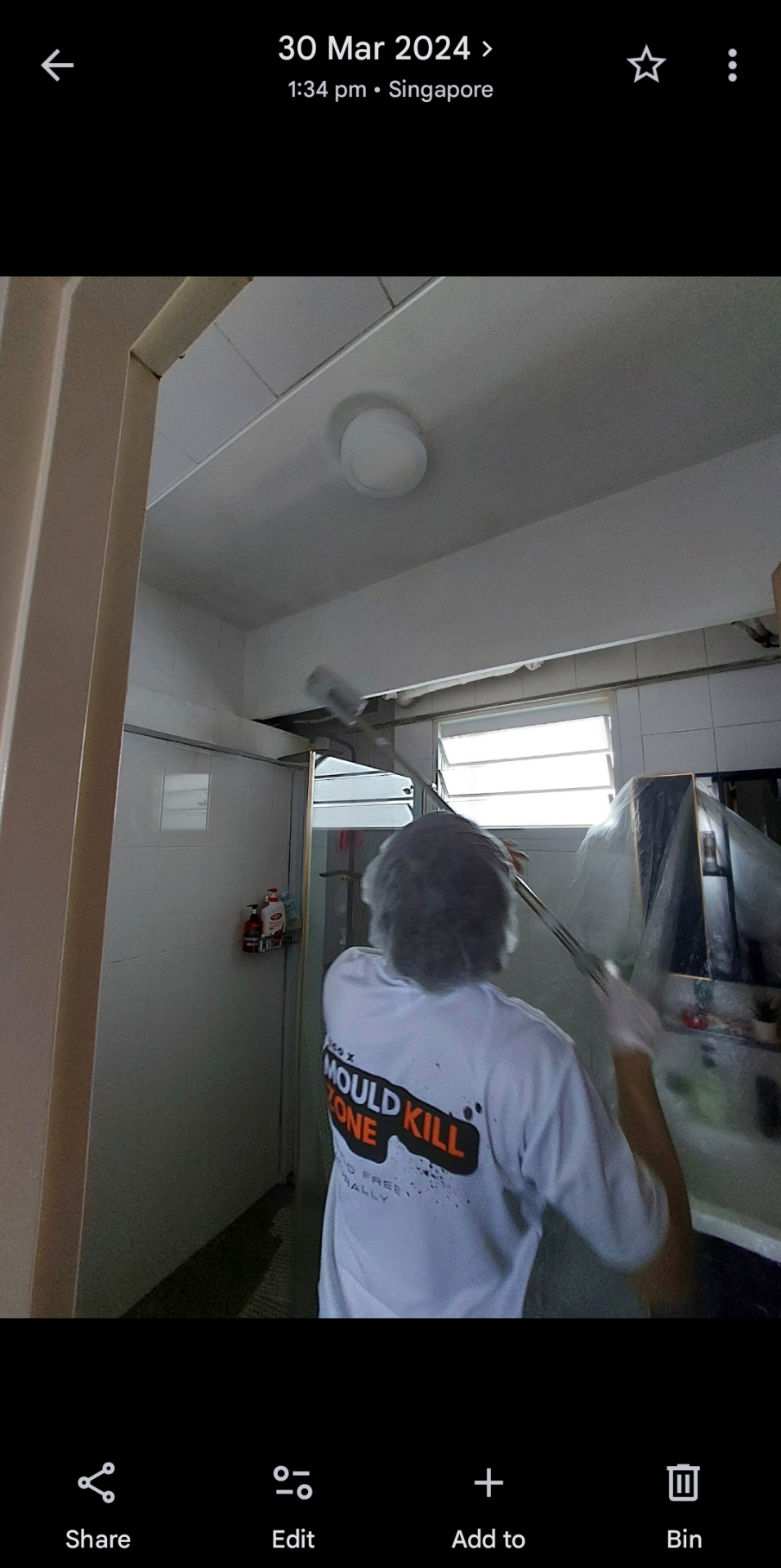
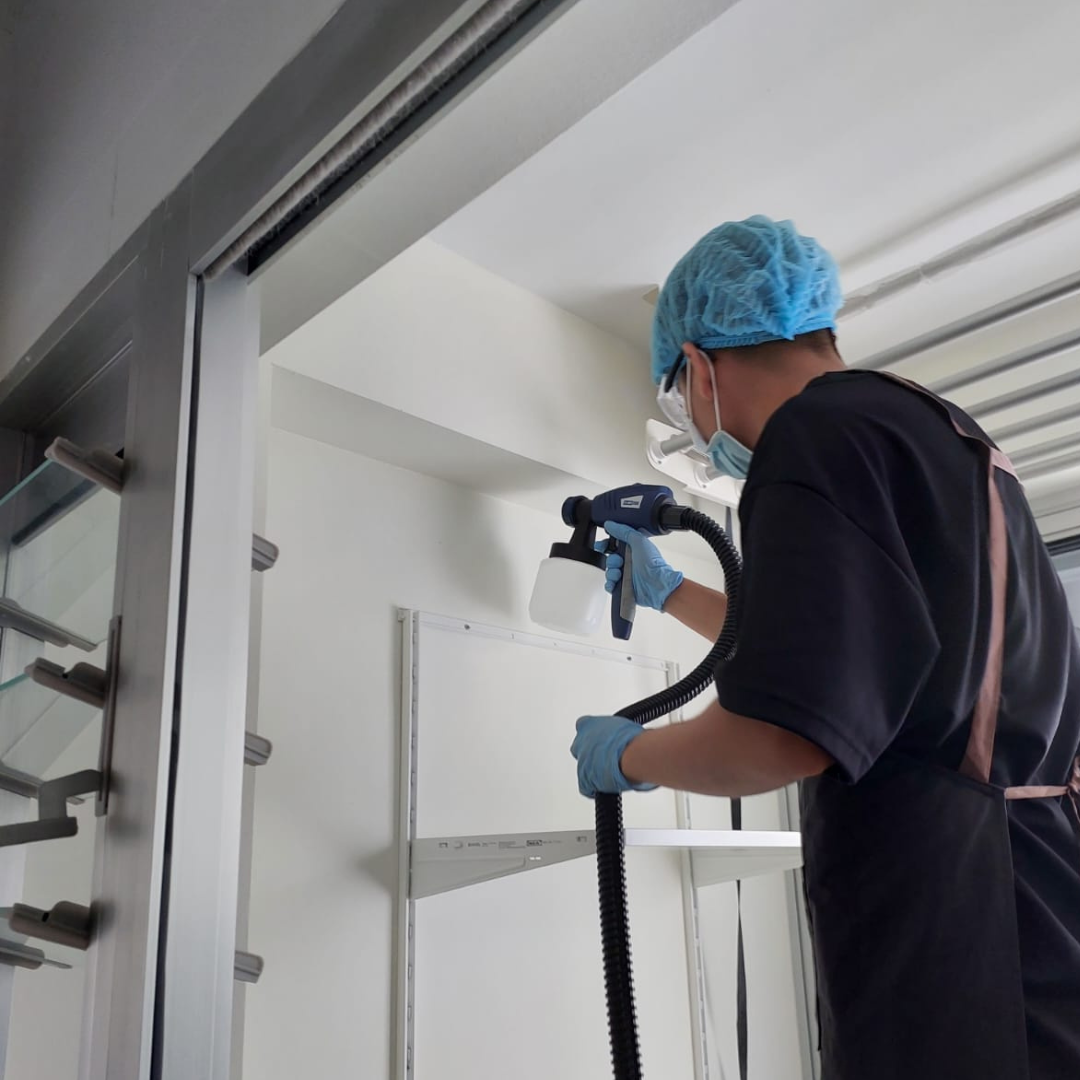
Subscribe — Free Alerts Book an inspectionOur Team in Action
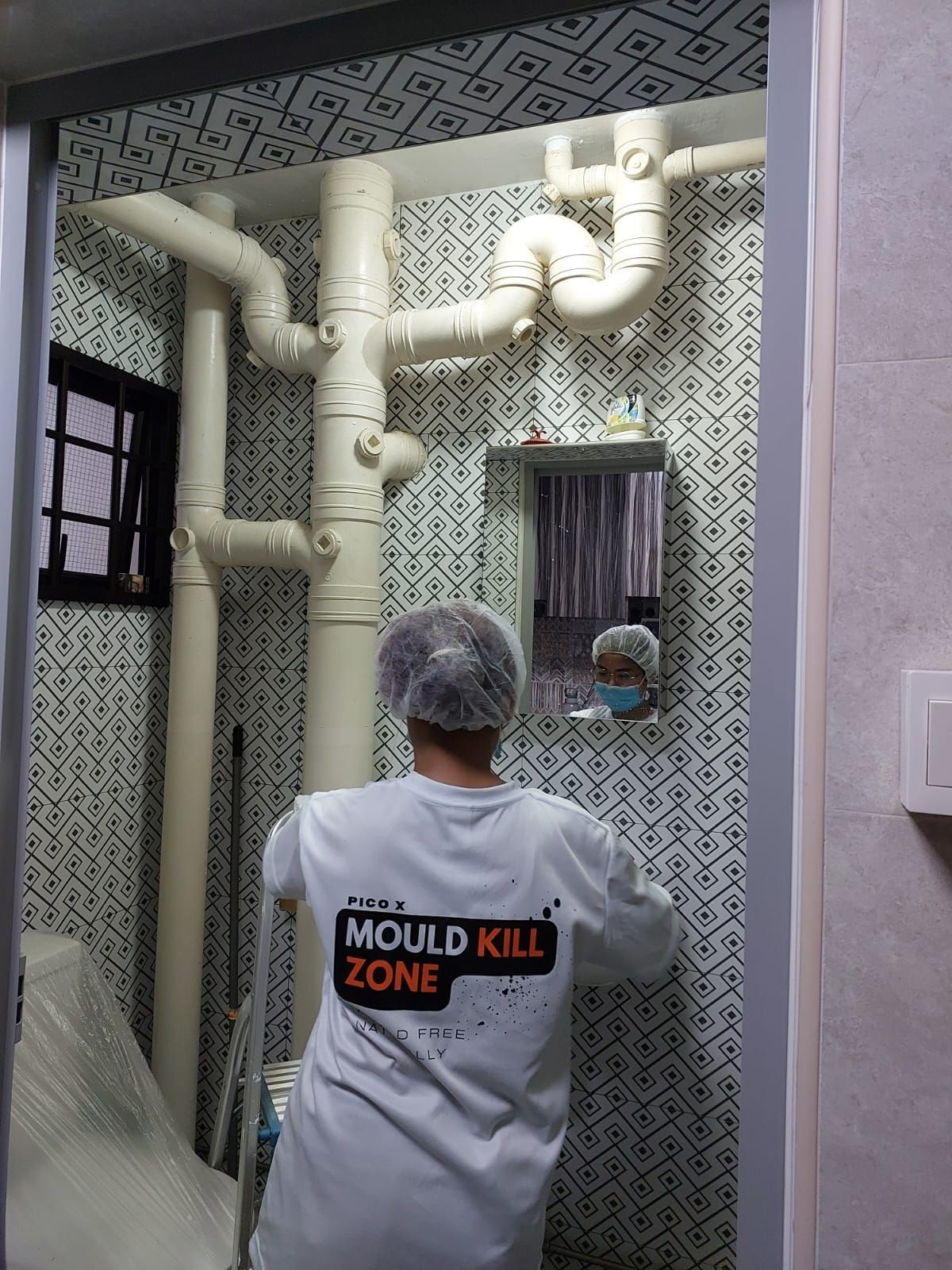
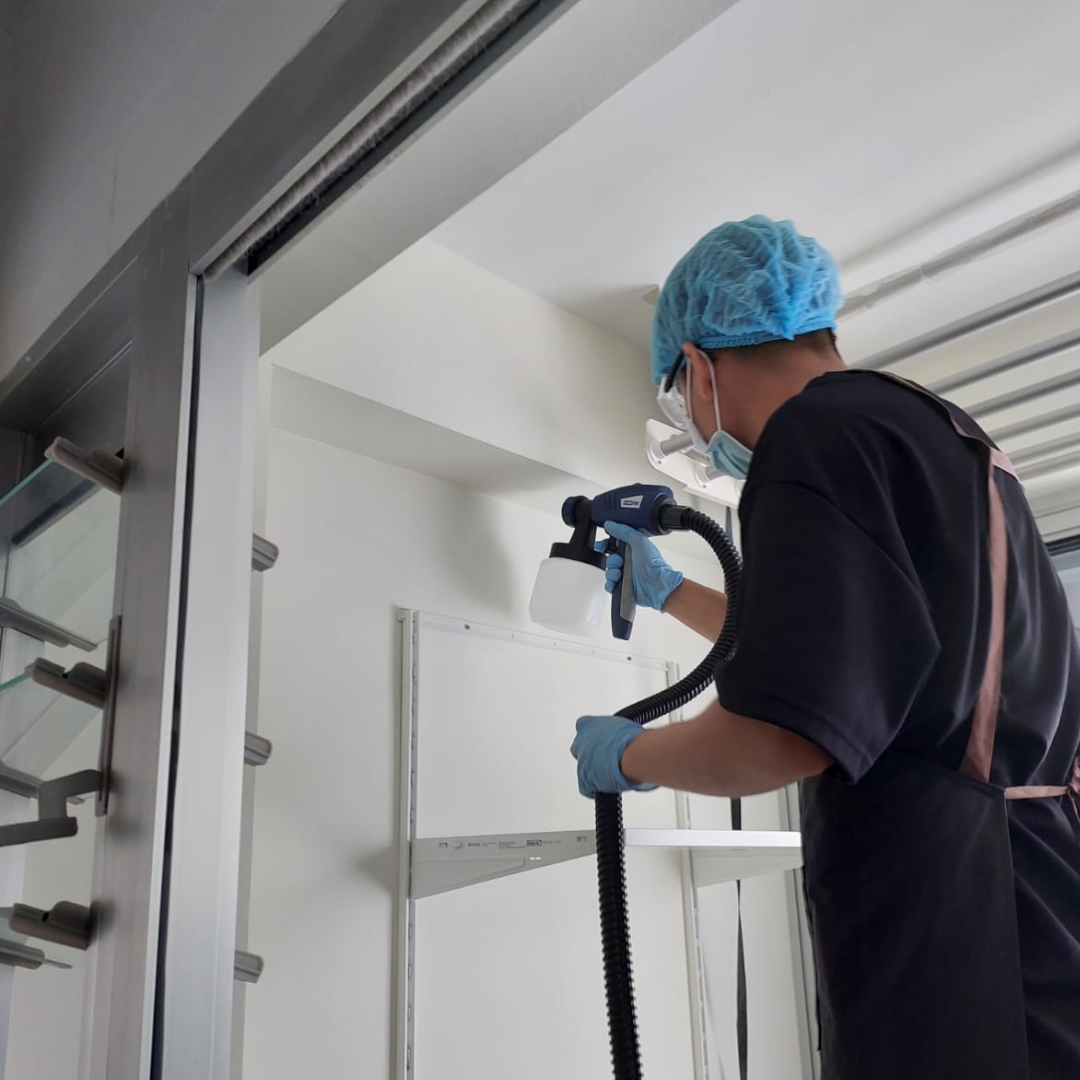
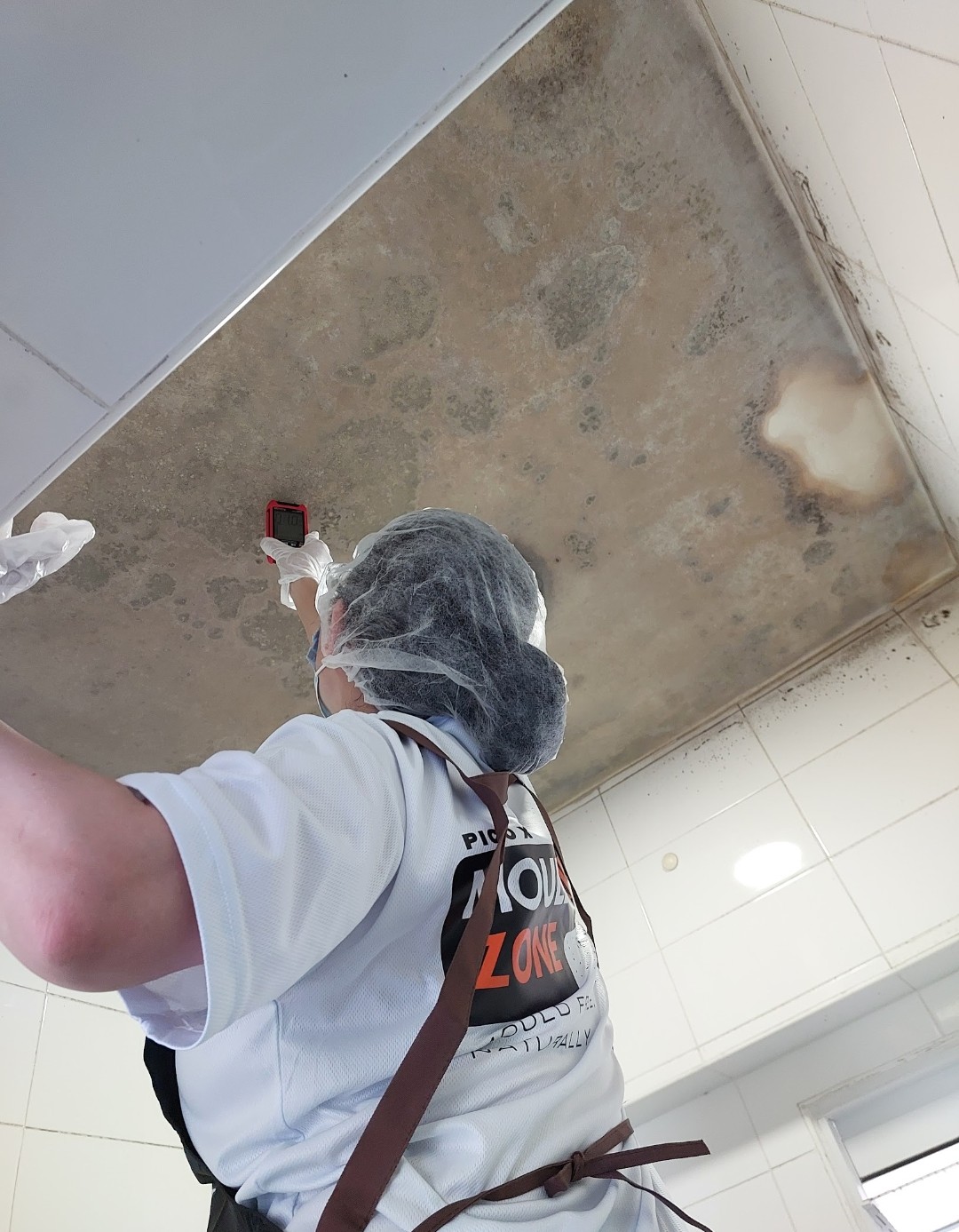
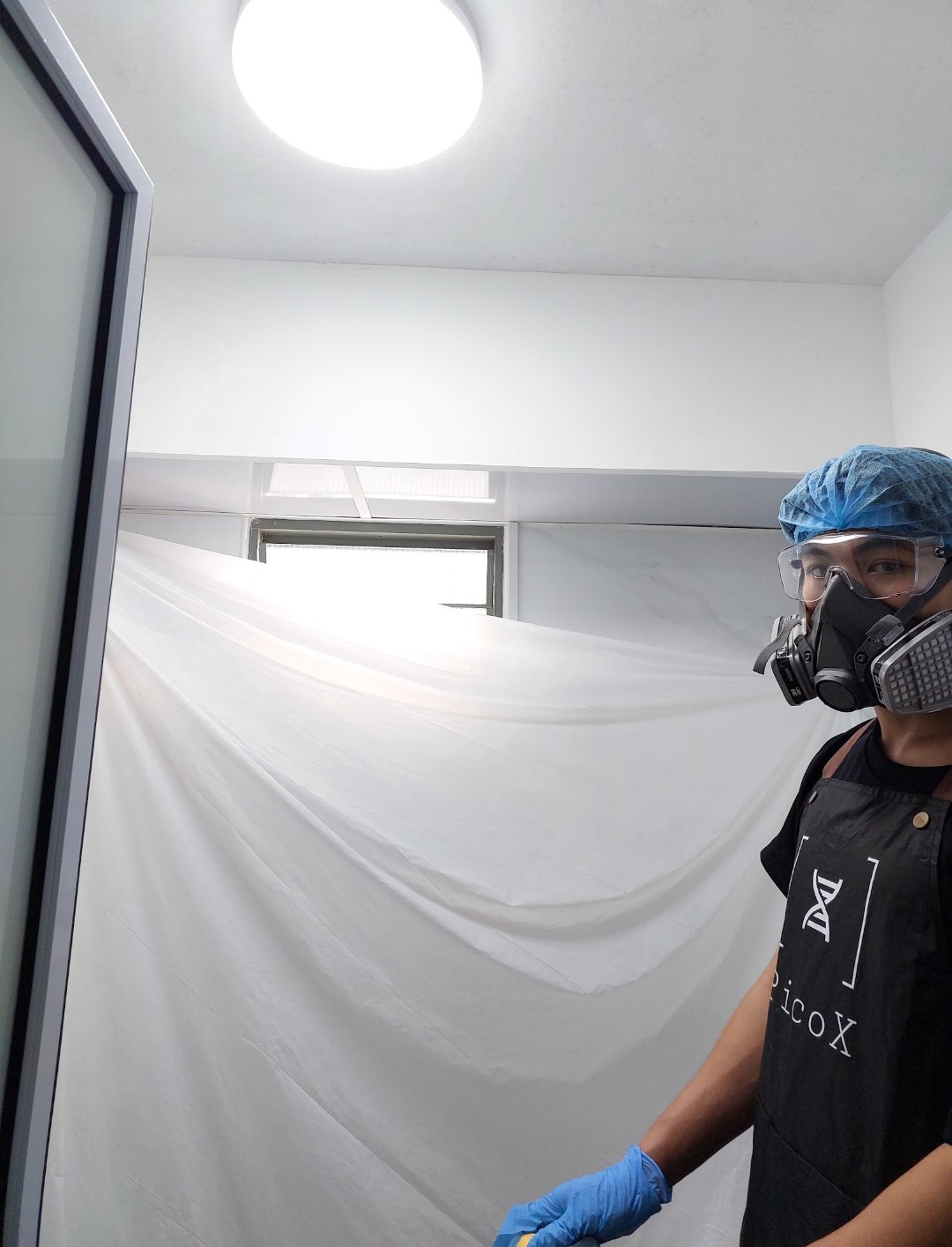
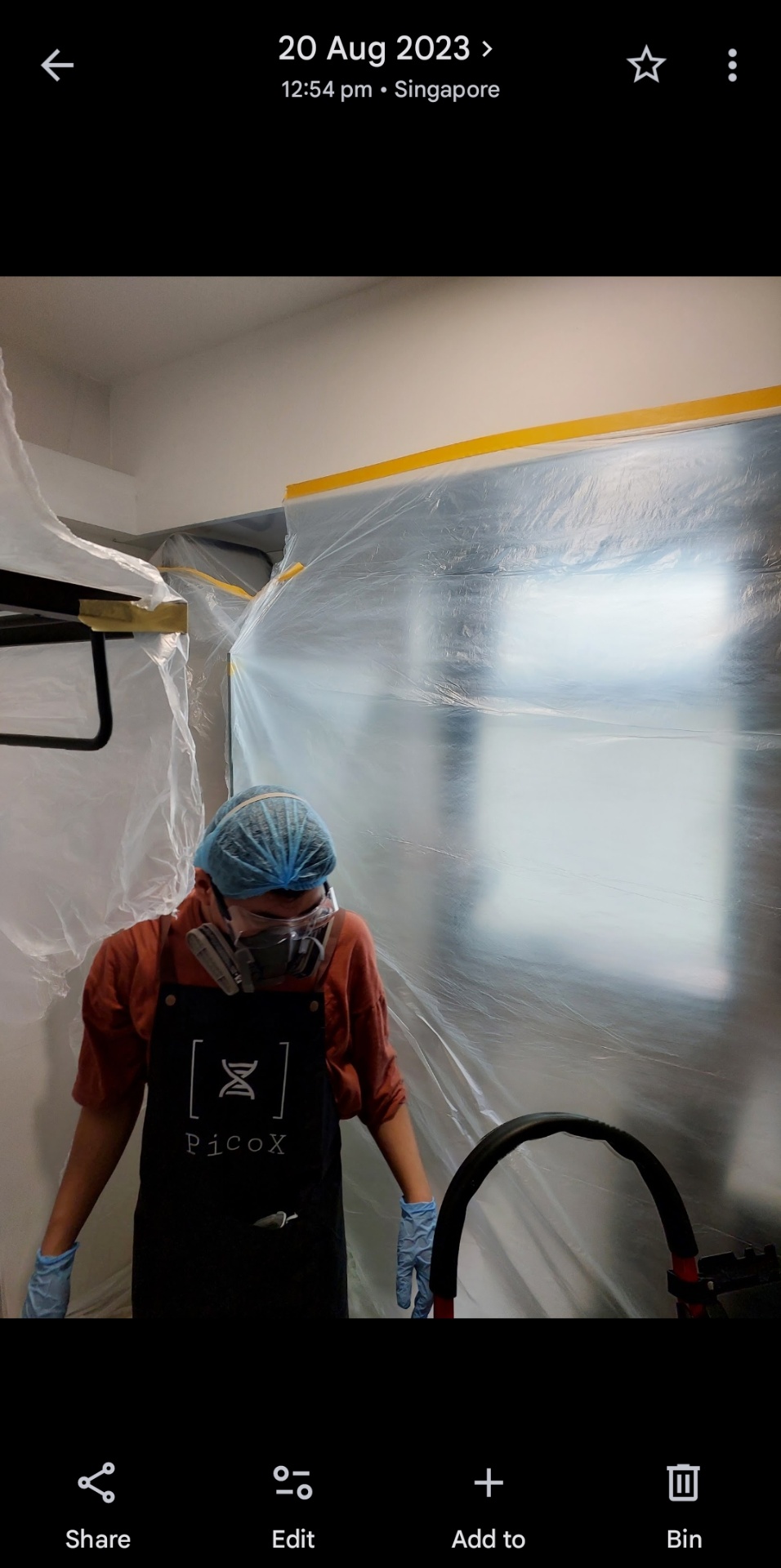
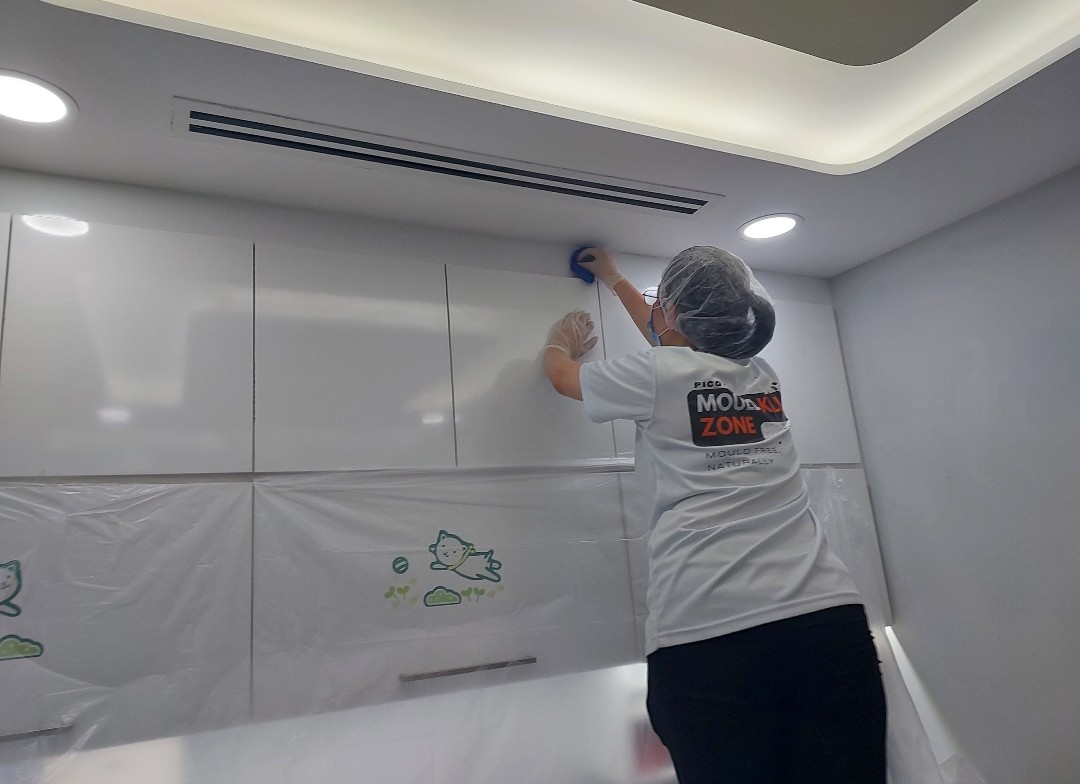
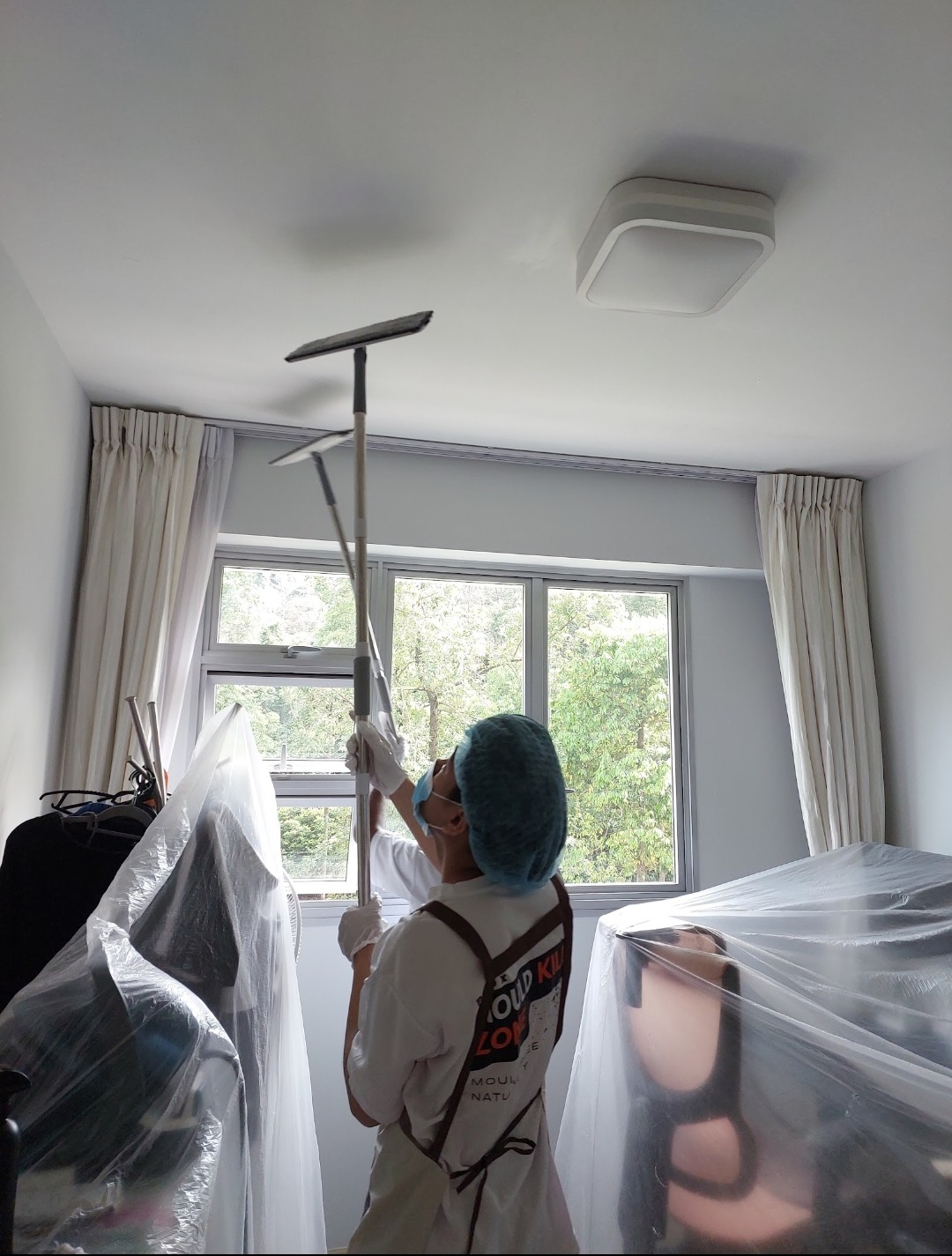
Trained Pico X Health technicians follow strict containment, PPE, and protocols on every job in Singapore.
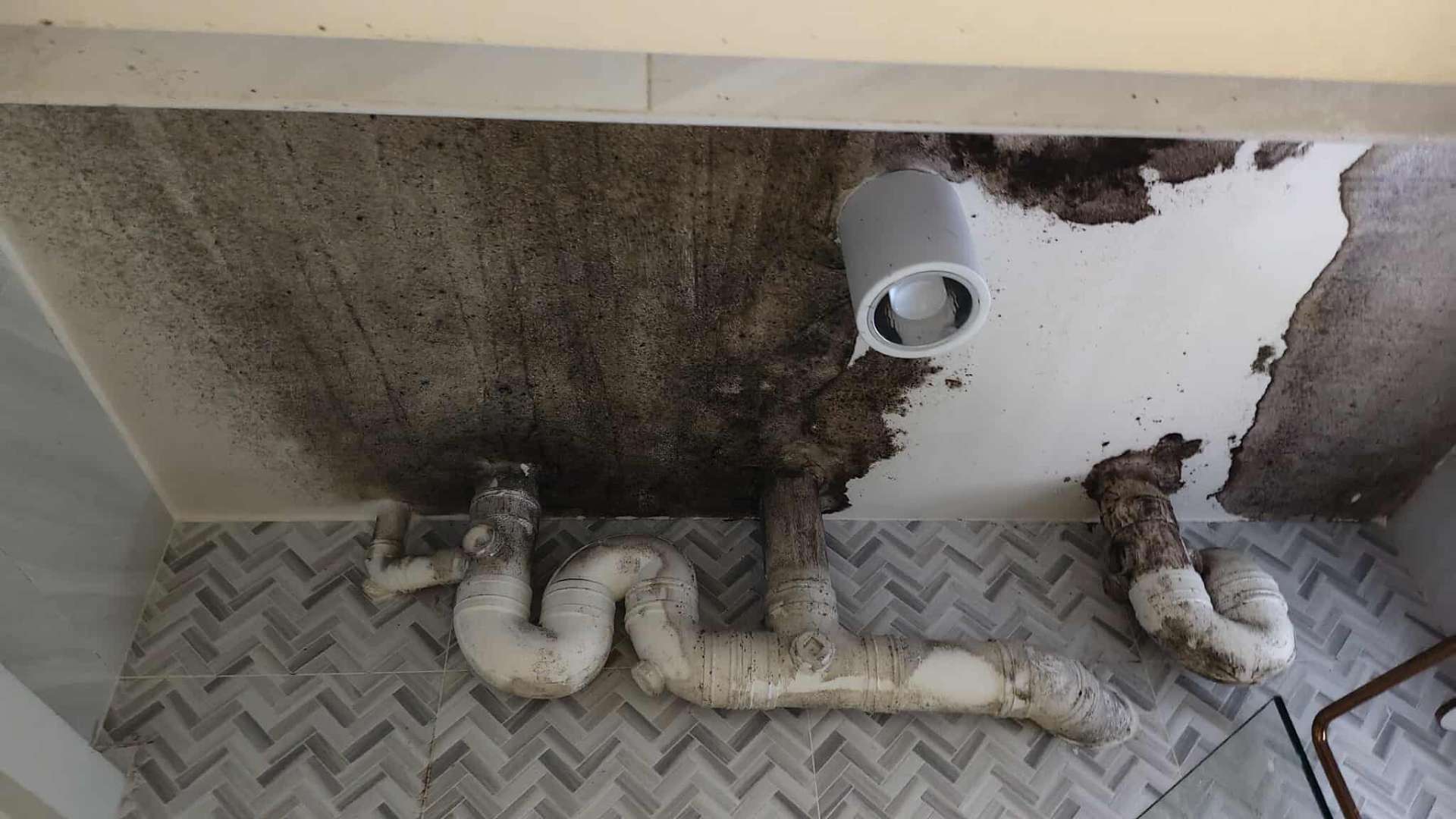
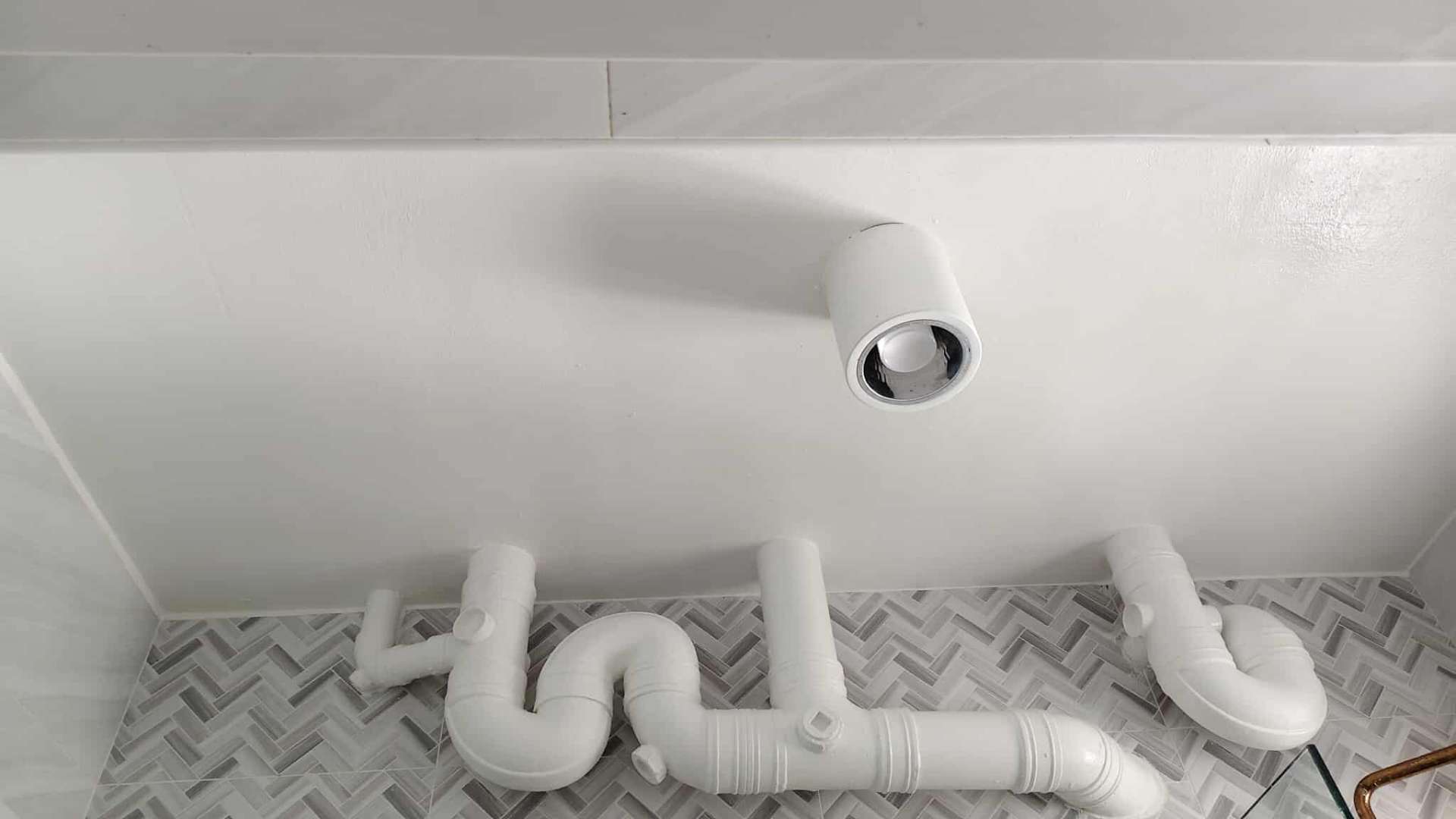
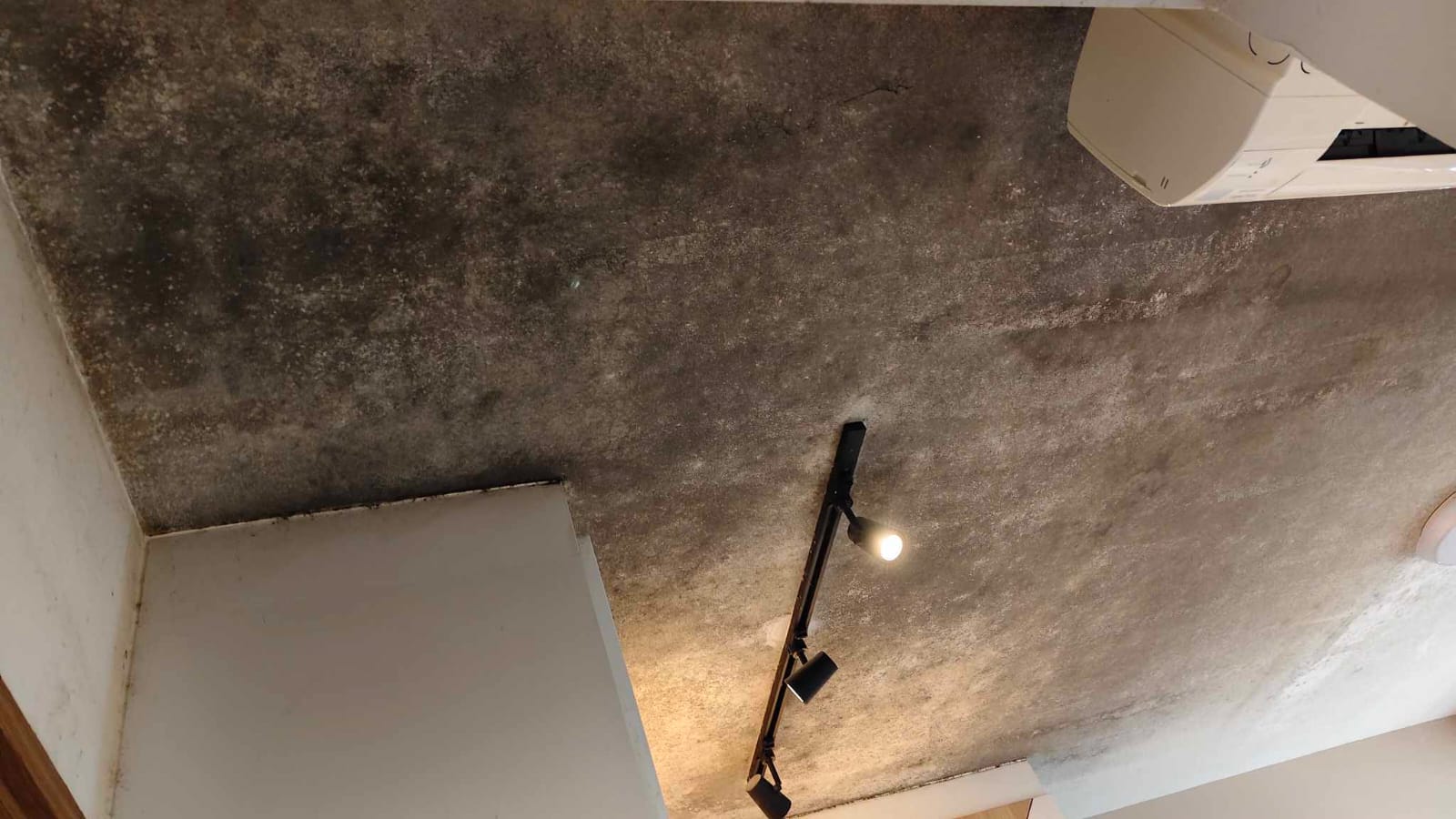
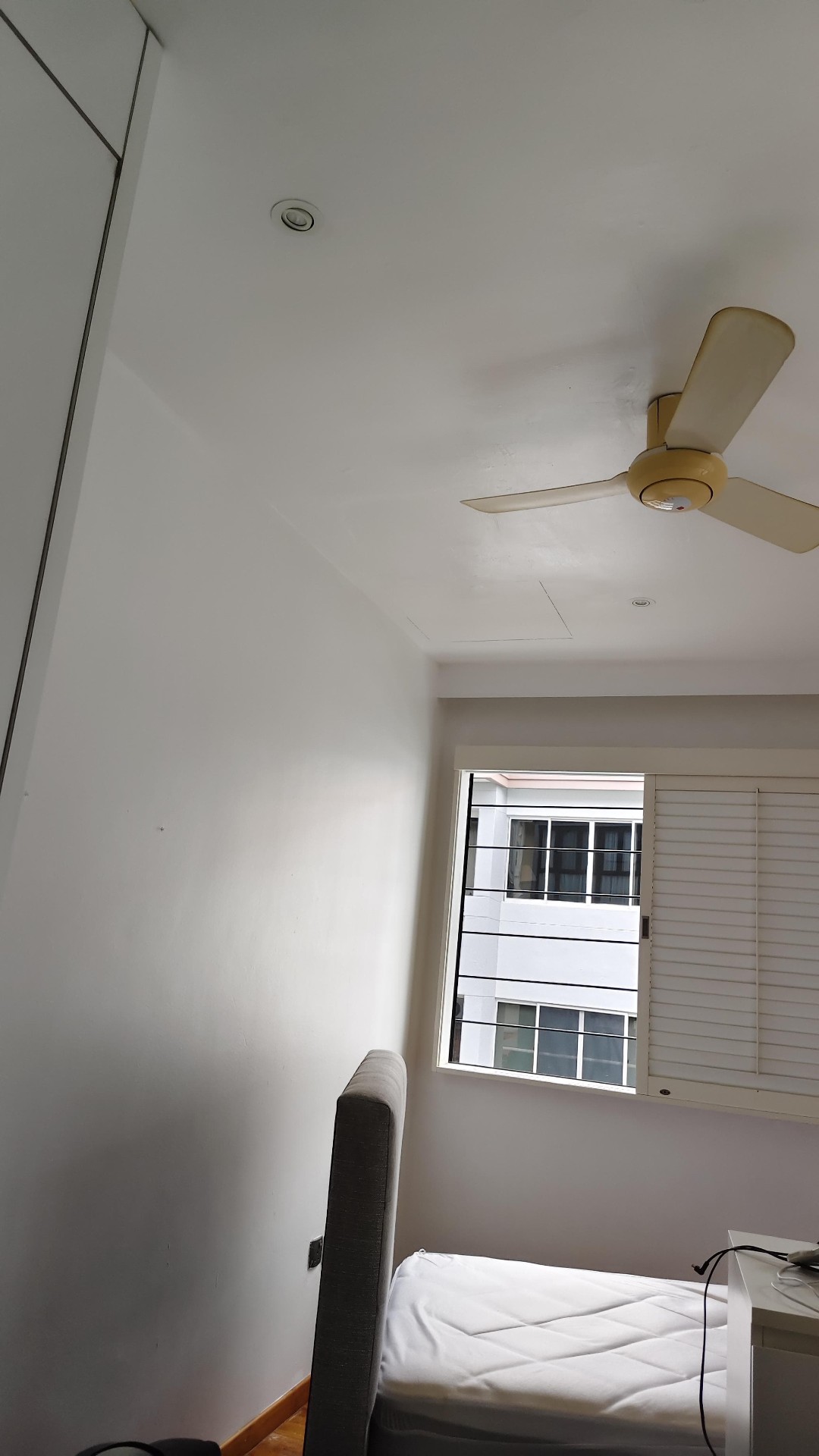
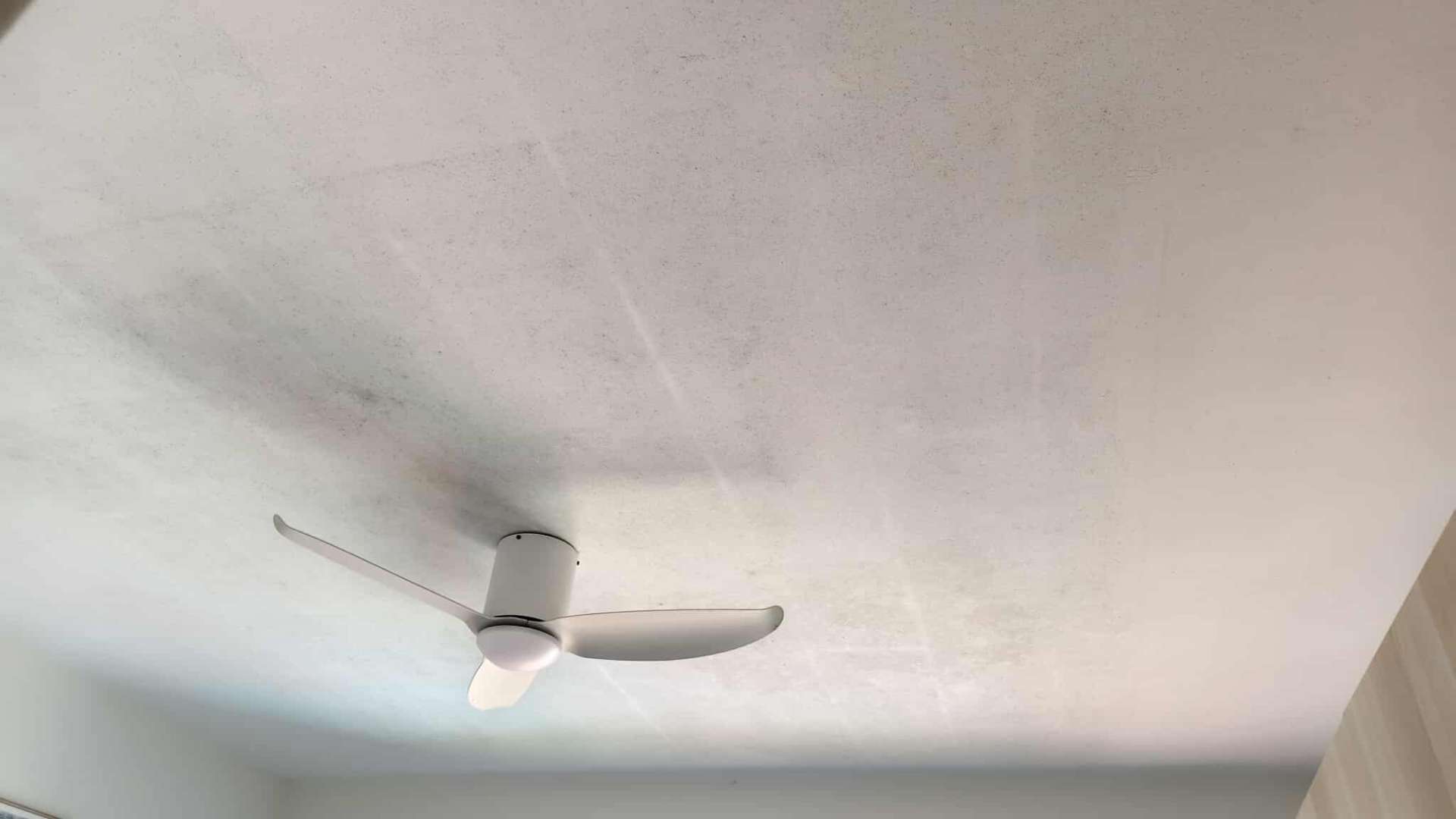
Before & After: Real Singapore Jobs
Documented mould remediation across HDB, condo, landed and commercial spaces.
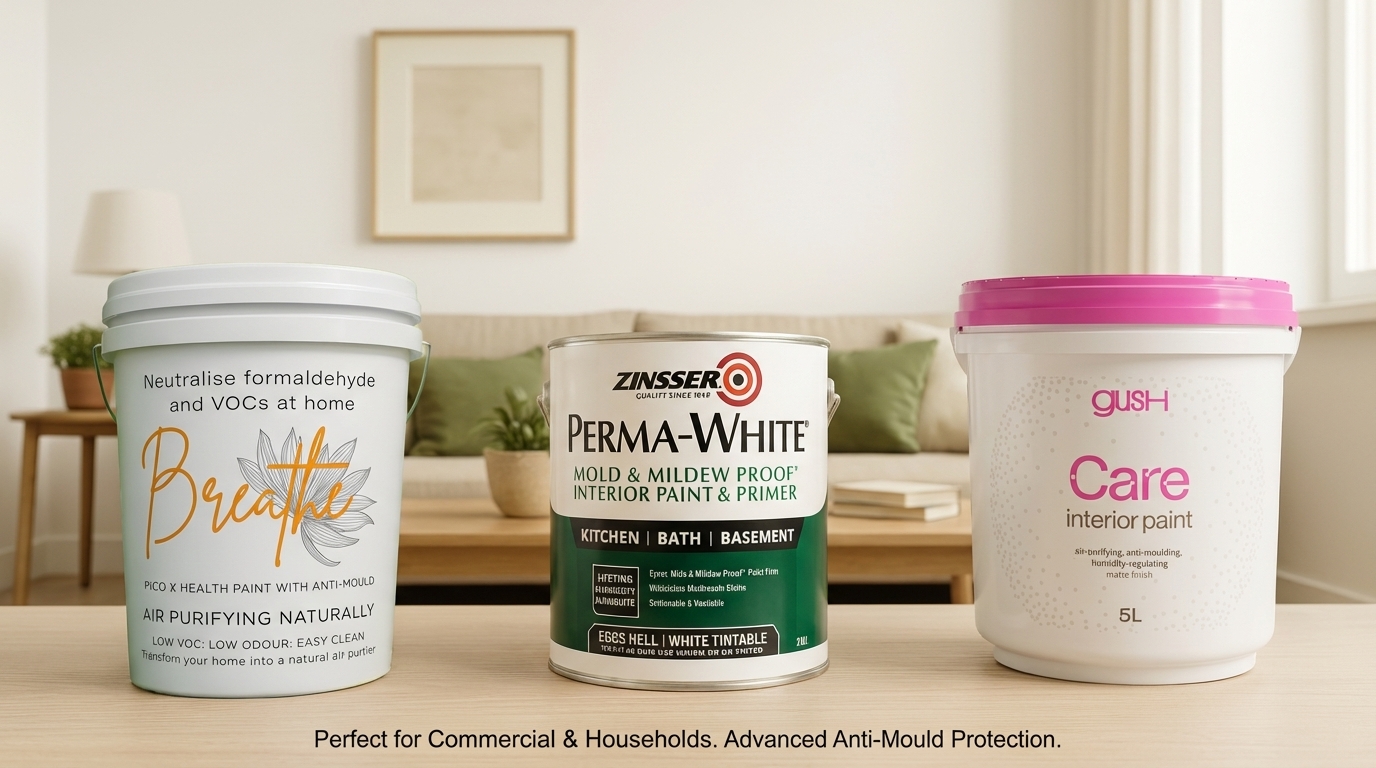
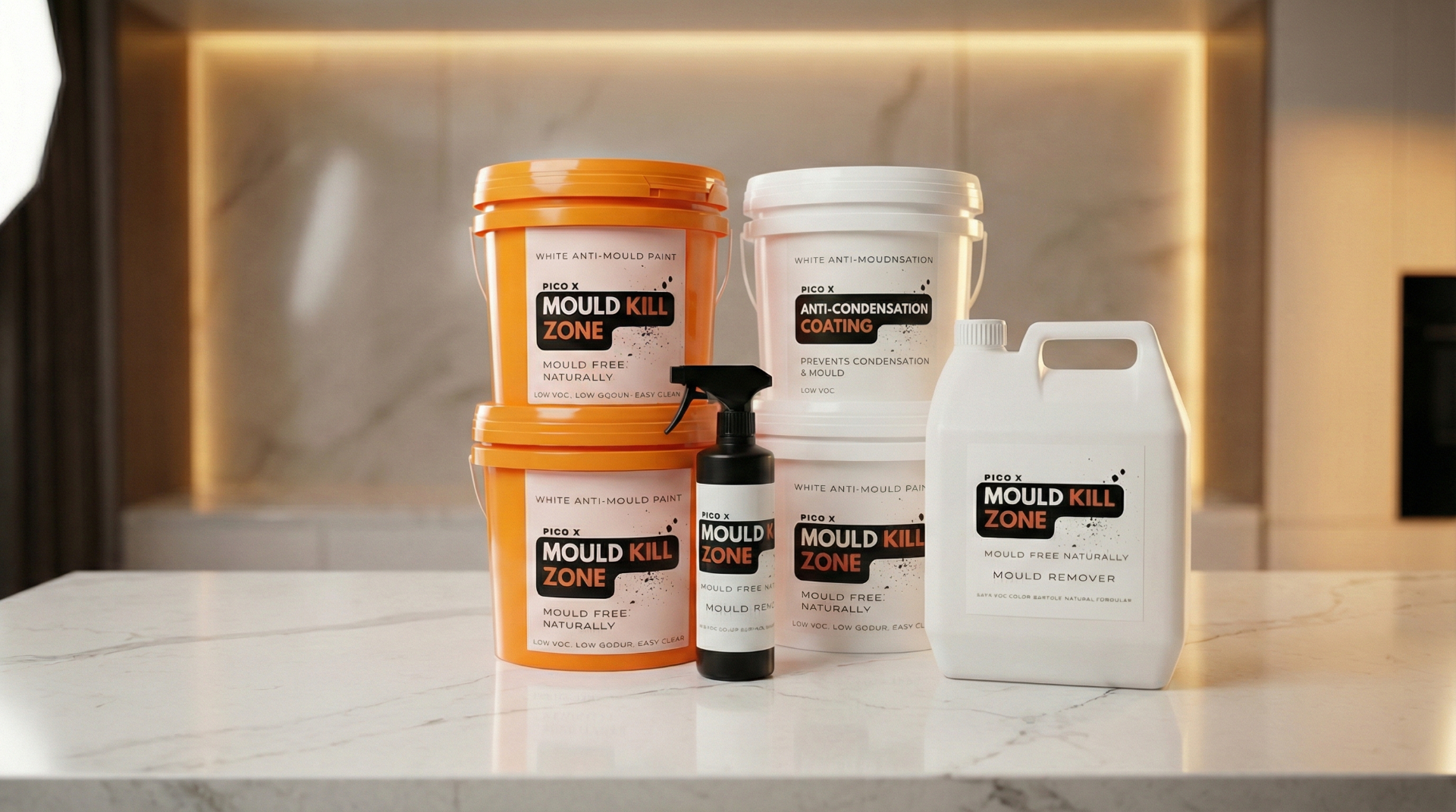
Products We Use & Recommend
Professional-grade equipment and coatings selected for Singapore's humid climate.
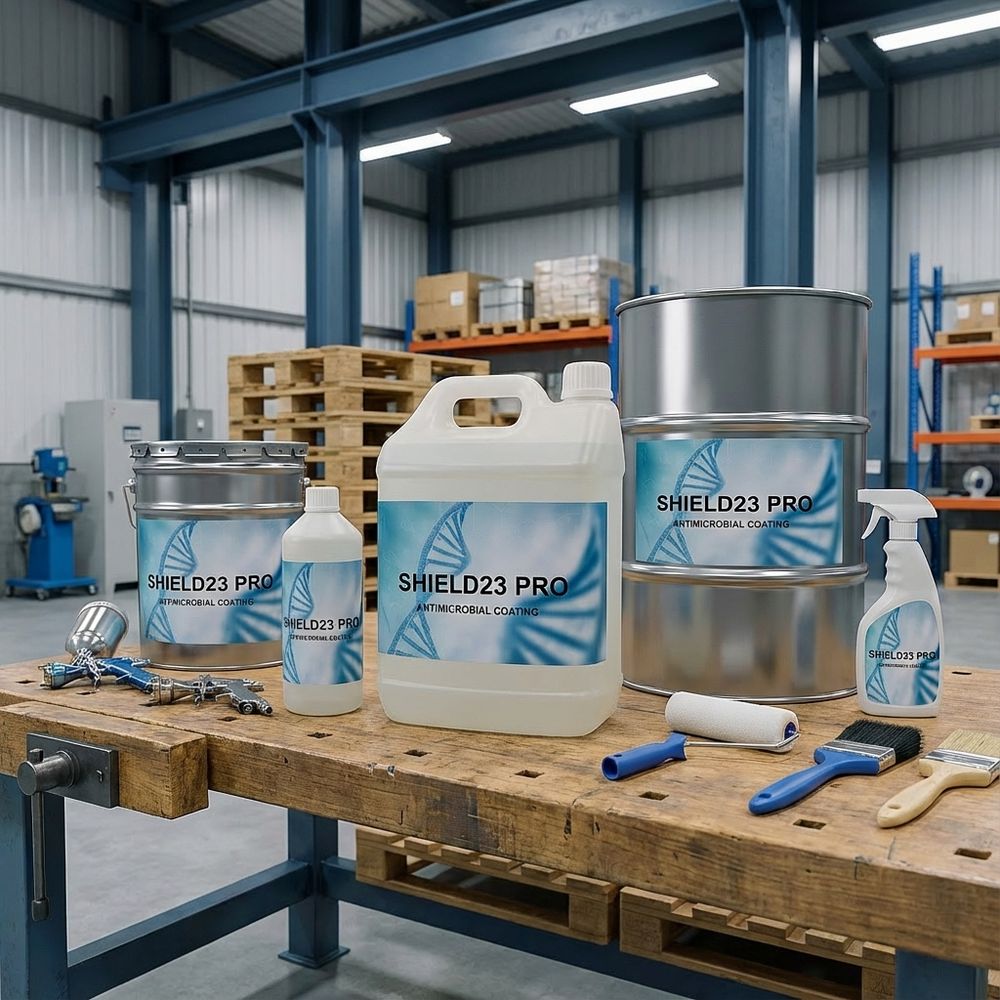
Shield23 Pro — Antimicrobial Coating
Long-life inorganic-ion defense applied by trained Pico X Health technicians across hospitals, F&B, schools, and homes.
Recommended Services
Pico X Health services most relevant to this topic.