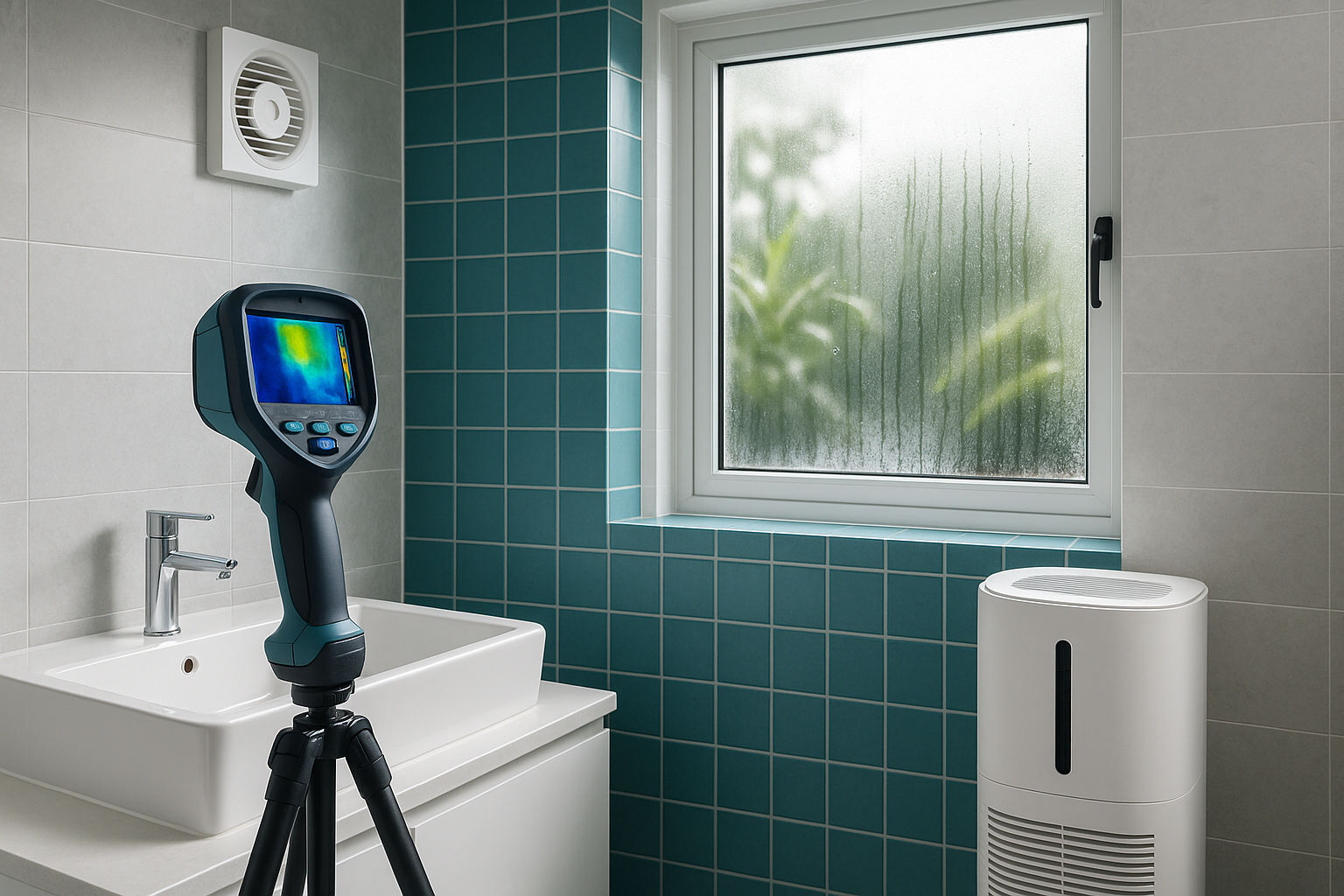
# How to Keep Your Bathroom Mould-Free in Tropical Humidity
Living in Singapore has its perks: a vibrant city life, diverse cultures, and a tropical climate that feels like summer all year round. However, this same tropical humidity that makes Singapore lush and green also poses a challenge for homeowners—mould growth in bathrooms. Mould thrives in damp, humid environments, making bathrooms a prime target. In this comprehensive guide, we'll delve into practical solutions tailored for the unique climate conditions in Singapore, ensuring your bathroom remains mould-free.
Understanding Mould and Its Impact
What is Mould?
Mould is a type of fungus that grows in multicellular filaments called hyphae. It spreads quickly in moist environments, which is why bathrooms, especially in tropical climates, are particularly susceptible.
* Common Types of Mould: In Singapore, the most prevalent moulds in homes are Aspergillus, Cladosporium, and Stachybotrys (also known as black mould).
Why is Mould a Problem?
Mould isn't just unsightly; it can have significant health implications and damage property.
- Health Risks: Mould exposure can cause allergic reactions, respiratory problems, and other health issues.
- Property Damage: If left unchecked, mould can lead to structural damage, especially in HDB flats, condos, and landed properties.
⚠️ Warning: Prolonged exposure to mould can exacerbate asthma and other respiratory conditions. It's essential to address mould issues promptly.
Singapore's Climate and Its Role in Mould Growth
Singapore's Tropical Climate
Singapore's climate is characterized by high humidity levels, averaging around 84%. The consistent warmth and humidity provide ideal conditions for mould to flourish.
- Rainfall: Frequent rainfall, particularly during the monsoon seasons (November to January and June to September), increases moisture levels.
- Temperature: Average temperatures hover between 25°C to 31°C, creating a warm environment conducive to mould growth.
📊 Key Stat: According to the National Environment Agency (NEA), indoor relative humidity in Singapore homes can often exceed 70%, a threshold where mould begins to thrive.
Impact on Different Property Types
- HDB Flats: With compact spaces and shared walls, HDBs can retain moisture, leading to mould growth in bathrooms.
- Condos: While generally well-ventilated, condos with inadequate bathroom ventilation can also face mould issues.
- Landed Properties: Larger bathrooms in landed homes may have more ventilation options, but they are not immune to mould if proper measures aren't taken.
Effective Mould Prevention Techniques
Ventilation is Key
Ensuring proper ventilation is the most effective way to reduce humidity and prevent mould growth.
💡 Pro Tip: Regularly clean exhaust fan vents to prevent dust buildup, which can impede airflow.
Regular Cleaning and Maintenance
Maintaining a clean bathroom is crucial in preventing mould.
- Scrub Tiles and Grout: Use a mixture of vinegar and water to clean tiles and grout regularly, as mould often starts in these areas.
- Fix Leaks Promptly: Leaking pipes or fixtures contribute to moisture accumulation. Address any leaks immediately to prevent them from becoming a breeding ground for mould.
- Use Mould-Resistant Products: Consider using mould-resistant paint and grout in your bathroom.
Moisture Control Strategies
- Wipe Down Surfaces: After showers, use a squeegee to remove excess water from walls and floors.
- Install a Shower Curtain: If your bathroom has a shower area, use a shower curtain to contain water spray and minimize moisture spread.
- Limit Indoor Plants: While they can beautify your space, indoor plants can increase humidity levels.
✅ Best Practice: Aim to keep bathroom surfaces as dry as possible. This simple step can significantly reduce the likelihood of mould growth.
NEA Guidelines and Recommendations
The National Environment Agency (NEA) provides guidelines to help homeowners maintain indoor air quality and prevent mould.
NEA's Recommendations
- Regular Inspections: Conduct regular inspections of your bathroom to catch mould growth early.
- Use of Approved Cleaning Agents: The NEA recommends using approved anti-mould cleaning agents for effective removal.
Compliance and Safety
- Adhering to Building Regulations: Ensure that bathroom renovations comply with local building codes and guidelines to prevent moisture issues.
- Professional Remediation: In severe cases, engage professional mould remediation services that follow NEA standards.
Cost Considerations for Mould Prevention
Preventing and treating mould can involve costs, but investing in mould prevention is more cost-effective than dealing with extensive mould damage.
Typical Costs Involved
- Exhaust Fans: Installing an exhaust fan costs between S$150 to S$300.
- Dehumidifiers: A quality dehumidifier can range from S$200 to S$600.
- Professional Cleaning: Hiring professionals for mould remediation can cost between S$500 to S$2,000, depending on the extent of the mould problem.
⚠️ Warning: Skimping on mould prevention can lead to higher costs down the line due to potential health issues and property damage.
Conclusion and Call to Action
Keeping your bathroom mould-free in Singapore's tropical climate requires a proactive approach. By implementing the strategies outlined in this guide, you can maintain a healthy, clean, and mould-free bathroom environment. Don't wait for mould to become a problem—start taking action today. If you need professional help, contact a local mould remediation expert to assess and address any issues.
Frequently Asked Questions
How often should I clean my bathroom to prevent mould in Singapore?
In Singapore's humid climate, it's advisable to clean your bathroom at least once a week. Pay special attention to tiles, grout, and other areas prone to moisture buildup. Regular cleaning helps prevent mould spores from taking hold.
What are some common signs of mould in the bathroom?
Common signs of mould include a musty odor, visible black or green spots on walls or ceilings, and peeling paint or wallpaper. It's essential to address these signs promptly to prevent further spread and potential health hazards.
Can I remove mould myself, or should I hire a professional?
For small areas of mould, you can use household cleaning products or a vinegar solution to remove it yourself. However, for larger infestations or persistent mould problems, it's best to hire a professional mould remediation service to ensure thorough removal and prevent recurrence.
Is it necessary to use a dehumidifier in Singapore bathrooms?
While not mandatory, using a dehumidifier can be highly beneficial in Singapore's humid climate. It helps maintain indoor humidity levels below 60%, which is ideal for preventing mould growth.
What types of mould are most common in Singapore homes?
In Singapore, common types of mould found in homes include Aspergillus, Cladosporium, and Stachybotrys (black mould). These moulds thrive in moist, humid environments, making bathrooms particularly susceptible.