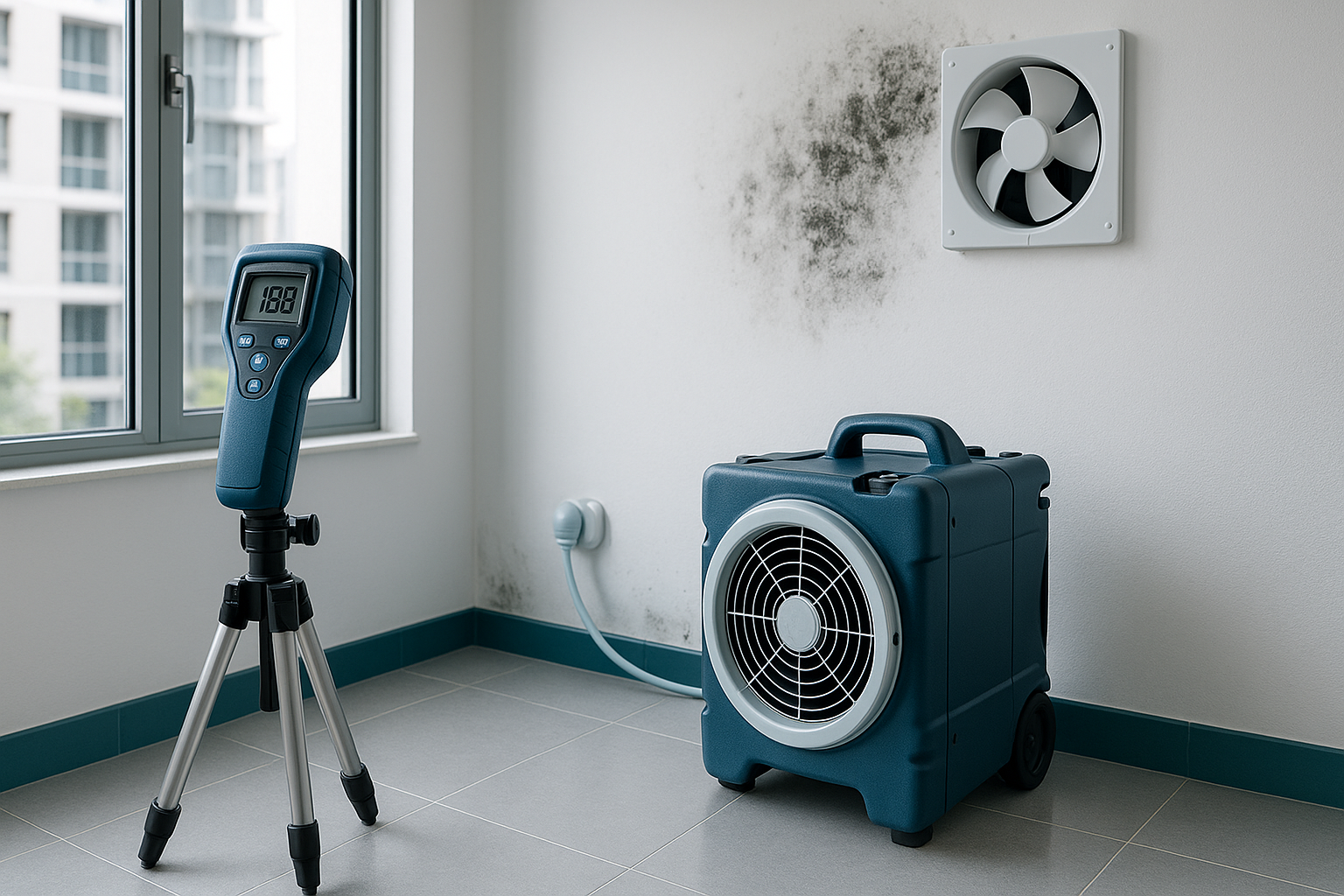
# Can You Paint Over Mould? Why Treatment Comes First
Singapore's warm, humid climate provides the perfect breeding ground for mould, a common challenge faced by homeowners across the island. From the bustling areas of Tampines to the serene neighbourhoods of Bishan, mould growth can affect any property, whether it's an HDB flat, a condo, or a landed home. One question that often arises is: Can you paint over mould? The answer is more complex than a simple yes or no. This comprehensive guide aims to explore why mould treatment should always precede painting.
Understanding Mould: A Persistent Problem in Singapore
The Climate Factor
Singapore's tropical climate is characterized by high humidity levels, averaging 70% to 80% throughout the year. Such conditions are ideal for mould spores, which thrive in moisture-rich environments. These spores can settle on various surfaces within your home, leading to unsightly stains and potential health risks.
- Key Stat: According to local studies, more than 60% of Singapore homes report some form of mould growth.
Common Areas for Mould Growth
Mould can appear in several areas within a home, especially in:
- Bathrooms: High humidity and poor ventilation make bathrooms a prime target.
- Kitchens: Steam from cooking and washing can lead to condensation and mould.
- Bedrooms: Air-conditioned rooms with poor airflow are susceptible.
- Storage Areas: Places with limited light and ventilation, like closets and storerooms.
Health Implications of Mould
Exposure to mould can lead to several health issues, particularly for those with allergies, asthma, or weakened immune systems. Symptoms may include:
- Respiratory problems
- Skin irritations
- Eye irritation
Warning: Mould exposure can exacerbate respiratory conditions. It’s crucial to address mould issues promptly to maintain a healthy living environment.
Why Painting Over Mould is Not Recommended
Short-Term Fix with Long-Term Consequences
Painting over mould might seem like a quick fix, but it’s merely a cosmetic solution. Without proper treatment, mould will continue to grow beneath the paint, eventually resurfacing and possibly causing more damage.
- Best Practice: Always remove and treat mould thoroughly before considering repainting.
Impact on Property Value
Persistent mould issues can adversely affect the value of your property. Potential buyers or renters may be deterred by visible signs of mould or a history of inadequate mould management.
Professional Insight
Expert Insight: "Painting over mould can trap moisture, allowing it to spread undetected. This can lead to structural damage and costly repairs down the line."Effective Mould Treatment: What You Need to Know
Professional Mould Remediation
The most effective way to handle mould is through professional remediation. Trained specialists use industry-standard methods to ensure complete removal and prevention of mould reoccurrence.
Steps in Professional Mould Remediation
DIY Methods: When and How
For minor mould issues, some homeowners opt for DIY solutions. However, these should be approached with caution and are generally less effective than professional services.
- Use vinegar or baking soda solutions for small spots.
- Ensure adequate ventilation during and after treatment.
- Always wear protective gear to avoid exposure.
Pro Tip: For significant mould problems, always seek professional help to ensure complete eradication and prevention.
The Cost of Mould Remediation in Singapore
Professional Services Cost Breakdown
The cost of professional mould remediation can vary based on the severity of the infestation and the size of the affected area. Here’s a general breakdown:
- Inspection and Assessment: S$100 - S$300
- Remediation Process: S$500 - S$3,000 (depending on the scope)
- Post-Remediation Testing: Optional, S$200 - S$500
Long-Term Savings
Investing in professional mould remediation can save you money in the long run by preventing further damage and maintaining your property's value.
Mould Prevention Tips for Singapore Homeowners
Maintain Proper Ventilation
- Use exhaust fans in bathrooms and kitchens.
- Keep windows open when possible to enhance airflow.
- Install dehumidifiers in high-moisture areas.
Regular Maintenance and Checks
- Inspect your home regularly for leaks or water damage.
- Clean and dry any damp areas promptly.
- Consider anti-mould paint additives for extra protection.
Invest in Quality Building Materials
- Opt for moisture-resistant materials in areas prone to dampness.
- Ensure your home is well-insulated to prevent condensation build-up.
Conclusion: Why Treatment Comes First
In conclusion, while painting over mould might offer a temporary aesthetic fix, it is not a viable long-term solution. Proper treatment and remediation should always come first to ensure a safe and healthy living environment. If you're dealing with a mould issue in your Singapore home, it's wise to reach out to experienced professionals for a thorough inspection and tailored treatment plan.
Ready to tackle your mould problem? Schedule a free inspection with our team of trained specialists today.Frequently Asked Questions
Can I paint over mould if it's only a small area?
While it might be tempting to paint over small areas of mould, it's important to address the root cause first. Even in small areas, mould can spread and cause more significant issues if not properly treated. Always clean and treat the area before painting to prevent recurrence.
How can I prevent mould from returning after treatment?
To prevent mould from returning, maintain proper ventilation throughout your home, especially in high-moisture areas like bathrooms and kitchens. Use dehumidifiers if necessary and repair any leaks promptly. Regular cleaning and moisture control are key to preventing mould growth.
Is professional mould remediation expensive in Singapore?
The cost of professional mould remediation can vary, but it typically ranges from S$500 to S$3,000, depending on the severity and extent of the mould issue. While it may seem costly, professional remediation can prevent further damage and protect your property value.
Are there any health risks associated with mould in homes?
Yes, mould exposure can lead to various health issues, especially for individuals with allergies, asthma, or weakened immune systems. Common symptoms include respiratory problems, skin irritation, and eye irritation. It's important to address mould issues promptly to protect your health and well-being.
What are the best materials to use in mould-prone areas?
In mould-prone areas, it's advisable to use moisture-resistant materials such as tiles in bathrooms and kitchens. Consider anti-mould paint additives for additional protection. Proper insulation and ventilation can also help reduce moisture and prevent mould growth.