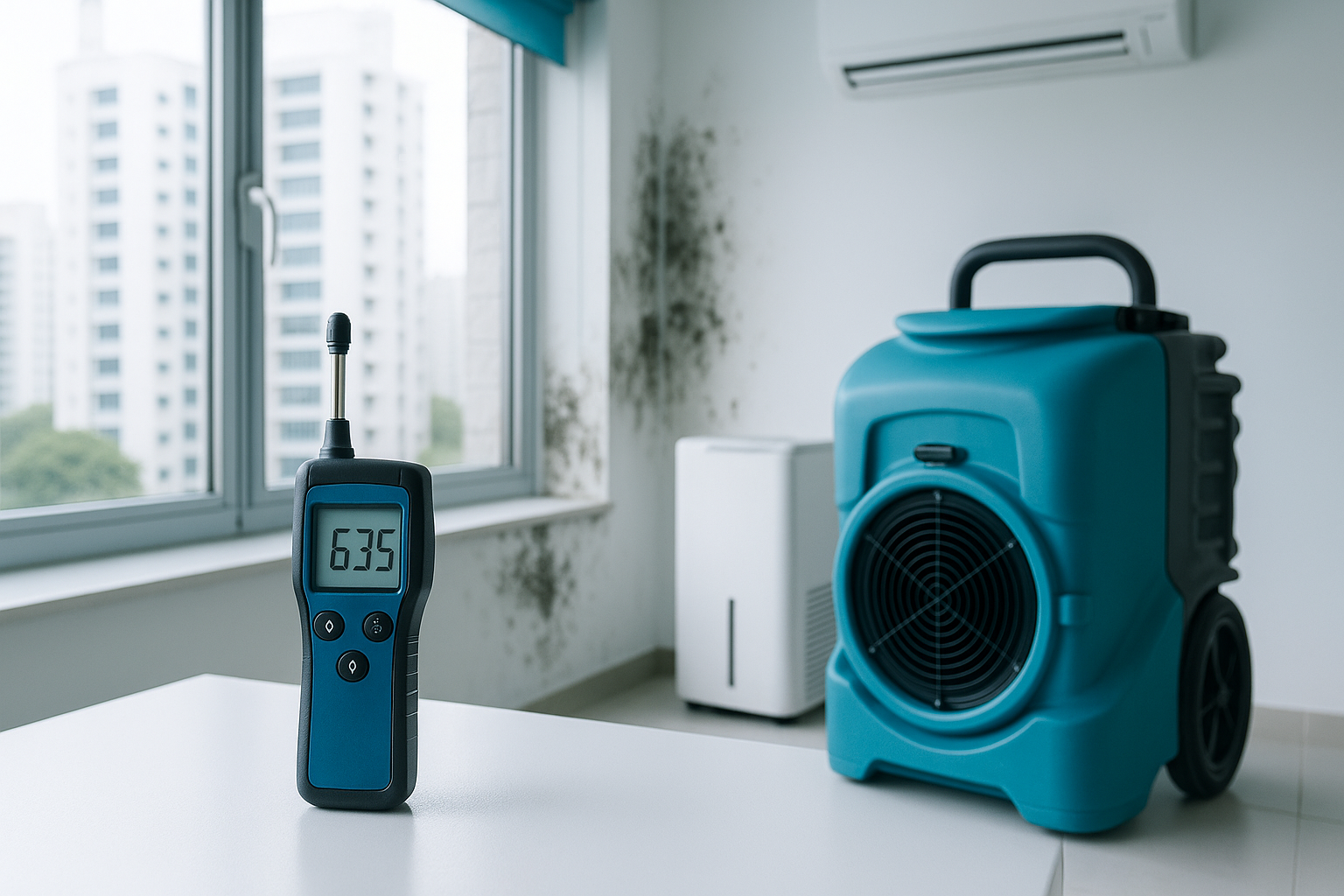
Preparing Singapore Homes for Mould During Rainy Seasons
Singapore's tropical climate is a unique blend of heat and humidity, especially during the rainy seasons. This creates the perfect environment for mould growth. As an expert mould remediation specialist with over 15 years of experience, I understand the challenges property owners face in managing mould issues. This guide is crafted to help Singapore homeowners, whether in HDB flats, condominiums, or landed properties, prepare for and combat mould during the rainy seasons.
Understanding Singapore's Climate and Its Impact on Mould Growth
Singapore's Rainy Seasons
Singapore experiences heavy rainfall from November to January and again from May to September. With an average annual rainfall of about 2,340 millimeters, these wet periods are critical for homeowners to be vigilant about mould growth.
- Increased Humidity: During the rainy seasons, humidity levels can soar above 90%, creating an ideal environment for mould proliferation.
- Temperature Variations: The constant warm temperatures between 25°C and 31°C further exacerbate mould growth.
Key Stat: According to historical climate data, the northeast monsoon typically brings the heaviest rains, often resulting in prolonged periods of high humidity.
Impact on Different Property Types
- HDB Flats: Higher-density living and shared walls can lead to faster mould spread if not addressed promptly.
- Condominiums: While often better insulated, these properties may face issues with ventilation, especially in enclosed areas.
- Landed Properties: Larger spaces can mean more hidden areas for mould to thrive, especially in basements or attics.
Identifying Mould Problems Early
Common Signs of Mould
Identifying mould early can save significant time and money. Here are some signs to watch out for:
Areas to Inspect
- Bathrooms and Kitchens: High moisture areas often lead to mould behind tiles and under sinks.
- Windows and Doors: Poor seals can allow moisture to seep in, leading to mould growth.
- Air Conditioning Units: Condensation within units can be a breeding ground for mould.
Pro Tip: Regularly inspect less-visible areas, such as behind furniture or under carpets, to catch mould growth before it becomes a significant problem.
Industry-Standard Practices for Mould Prevention
Ventilation and Dehumidification
Improving Airflow
- Use Exhaust Fans: Install exhaust fans in bathrooms and kitchens to reduce moisture.
- Cross Ventilation: Open windows on opposite sides of the home to create airflow.
Dehumidifiers
- Portable Dehumidifiers: These can be moved to different rooms as needed to reduce humidity.
- Whole-House Systems: Consider investing in a whole-house dehumidification system for larger properties.
Regular Maintenance and Cleaning
Professional Cleaning
- Monthly Inspections: Hire professionals for regular inspections, especially during the rainy seasons.
- Deep Cleaning: Ensure all surfaces, including hidden areas, are cleaned with professional-grade products.
DIY Cleaning Tips
- Vinegar and Baking Soda: A natural solution for cleaning minor mould on non-porous surfaces.
- Avoid Bleach: While common, bleach can sometimes exacerbate mould issues by providing moisture.
Best Practice: Always wear protective gear when cleaning mould to prevent inhalation or skin contact.
Professional Remediation Services
When to Call a Professional
- Extensive Growth: If mould covers an area larger than 3 square meters, professional intervention is necessary.
- Recurring Issues: Persistent mould problems may indicate underlying issues that require professional diagnosis.
What to Expect
Cost Breakdown
- Inspection Fees: Typically range from S$100 to S$300, depending on property size.
- Remediation Costs: Can vary between S$500 to S$5,000, depending on the severity and extent of the mould.
Expert Insight: Investing in professional remediation services is cost-effective in the long run, preventing further damage and health risks.
Maintaining a Mould-Free Environment
Long-Term Prevention Strategies
- Regular Inspections: Schedule bi-annual professional inspections to nip potential issues in the bud.
- Home Improvements: Upgrade windows and doors to improve insulation and prevent water ingress.
Education and Awareness
- Stay Informed: Regularly update yourself on best practices for mould prevention.
- Community Workshops: Attend local workshops to share knowledge and tips with fellow homeowners.
Conclusion
Mould prevention and remediation are critical, especially during Singapore's rainy seasons. By understanding the climate's impact, identifying early signs, and implementing industry-standard prevention techniques, homeowners can maintain a healthy, mould-free environment. If you suspect or discover mould in your home, consider scheduling a free inspection with a trained specialist to ensure your property remains safe and comfortable.
Frequently Asked Questions
What are the first signs of mould in a Singapore home?
The first signs of mould in a Singapore home often include a persistent musty odour, visible black, green, or white spots on walls and ceilings, and increased allergic reactions such as sneezing or skin irritation among residents.
How often should I conduct mould inspections in my home?
It is advisable to conduct bi-annual mould inspections, especially before and after the rainy seasons. Regular inspections help identify potential issues early, preventing extensive damage and costly repairs.
What are some cost-effective ways to prevent mould growth?
Cost-effective ways to prevent mould include improving ventilation, using portable dehumidifiers, regularly cleaning high-moisture areas with natural solutions like vinegar and baking soda, and sealing windows and doors properly to prevent moisture ingress.
When should I call a professional for mould removal?
A professional should be called if mould covers an area larger than 3 square meters, if there are recurring issues despite cleaning, or if there is a need to identify hidden sources of mould growth.
How much does professional mould remediation cost in Singapore?
Professional mould remediation costs in Singapore can range from S$500 to S$5,000, depending on the extent of the mould problem. Initial inspection fees typically range from S$100 to S$300.