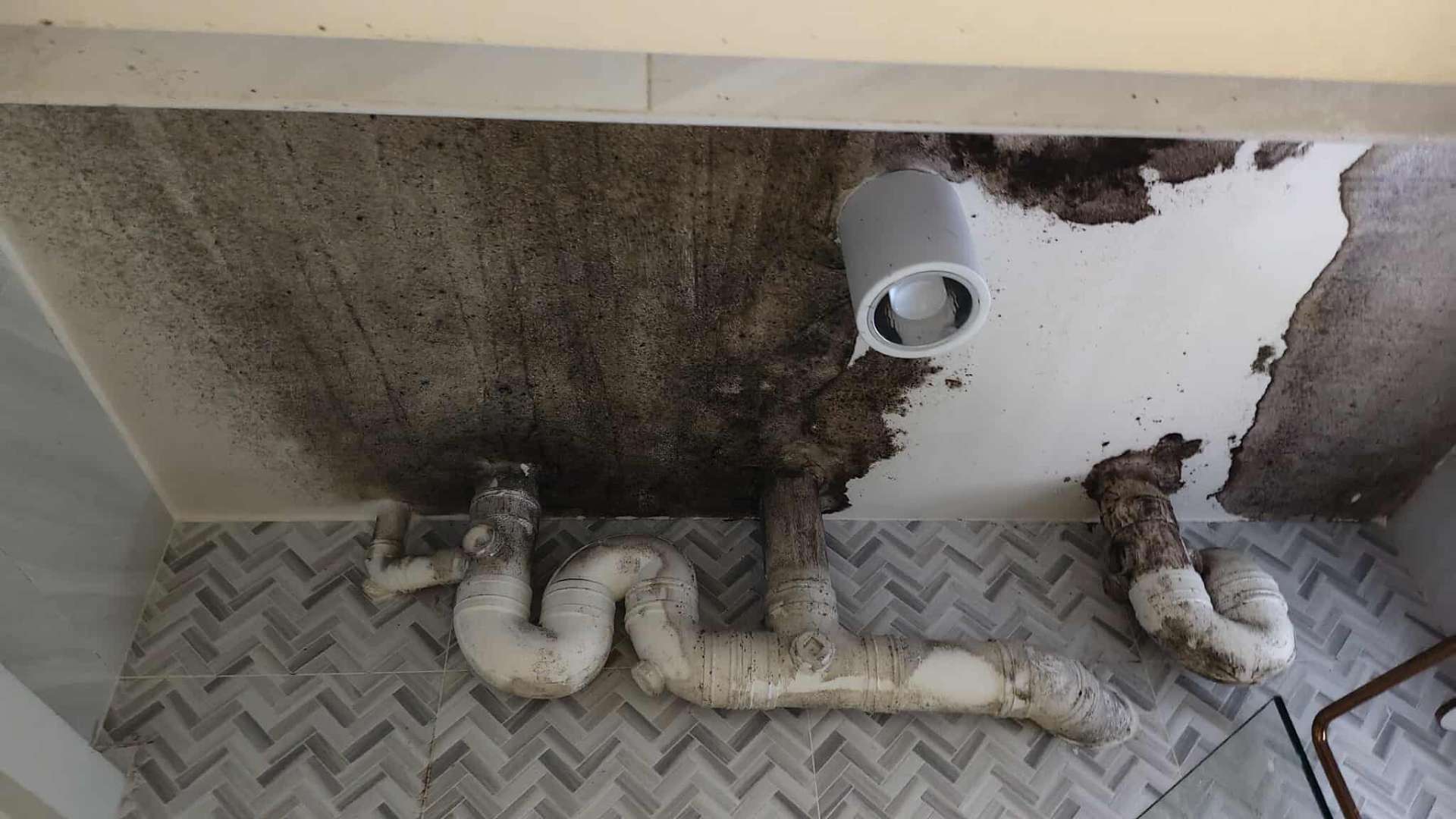
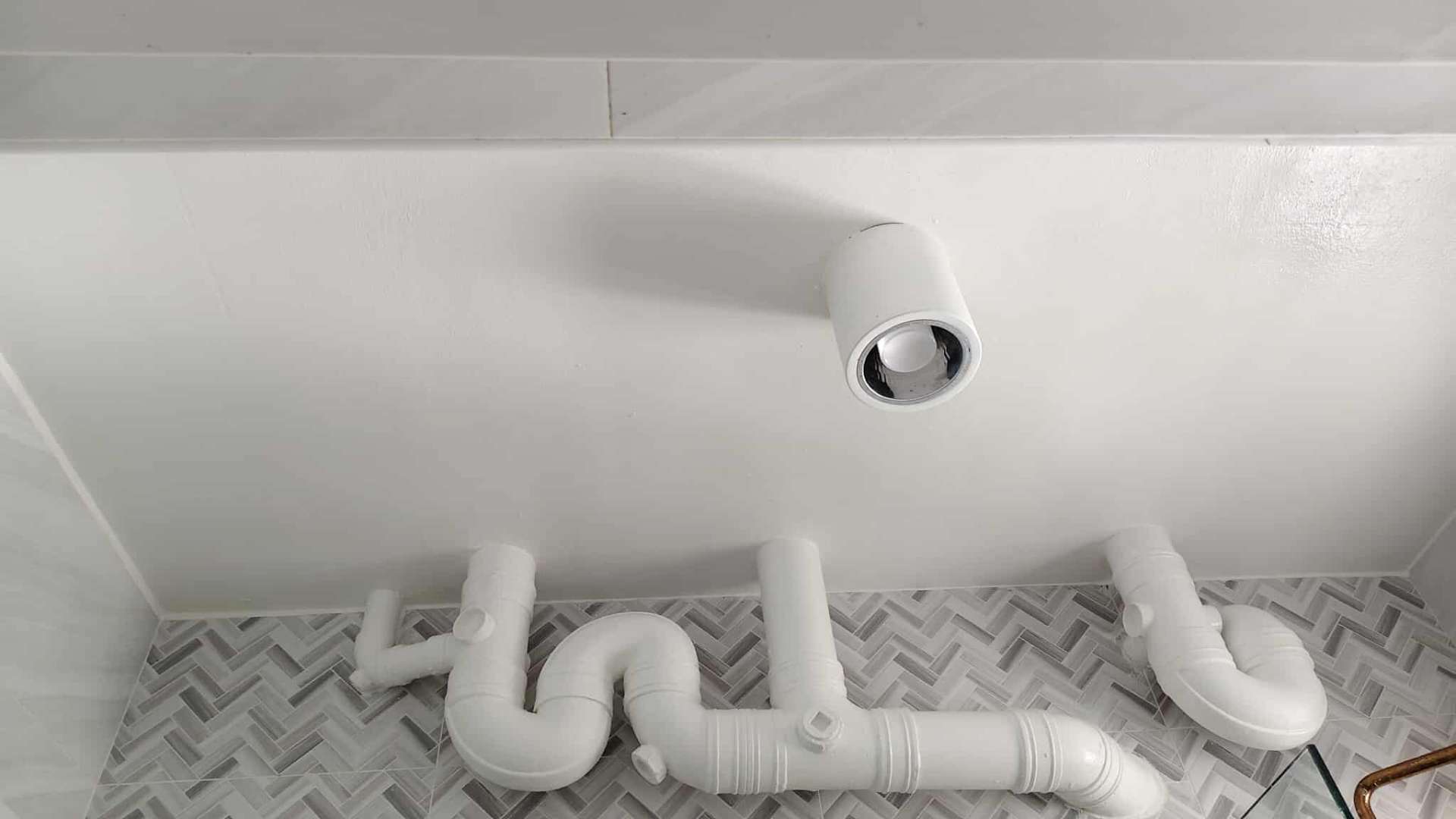
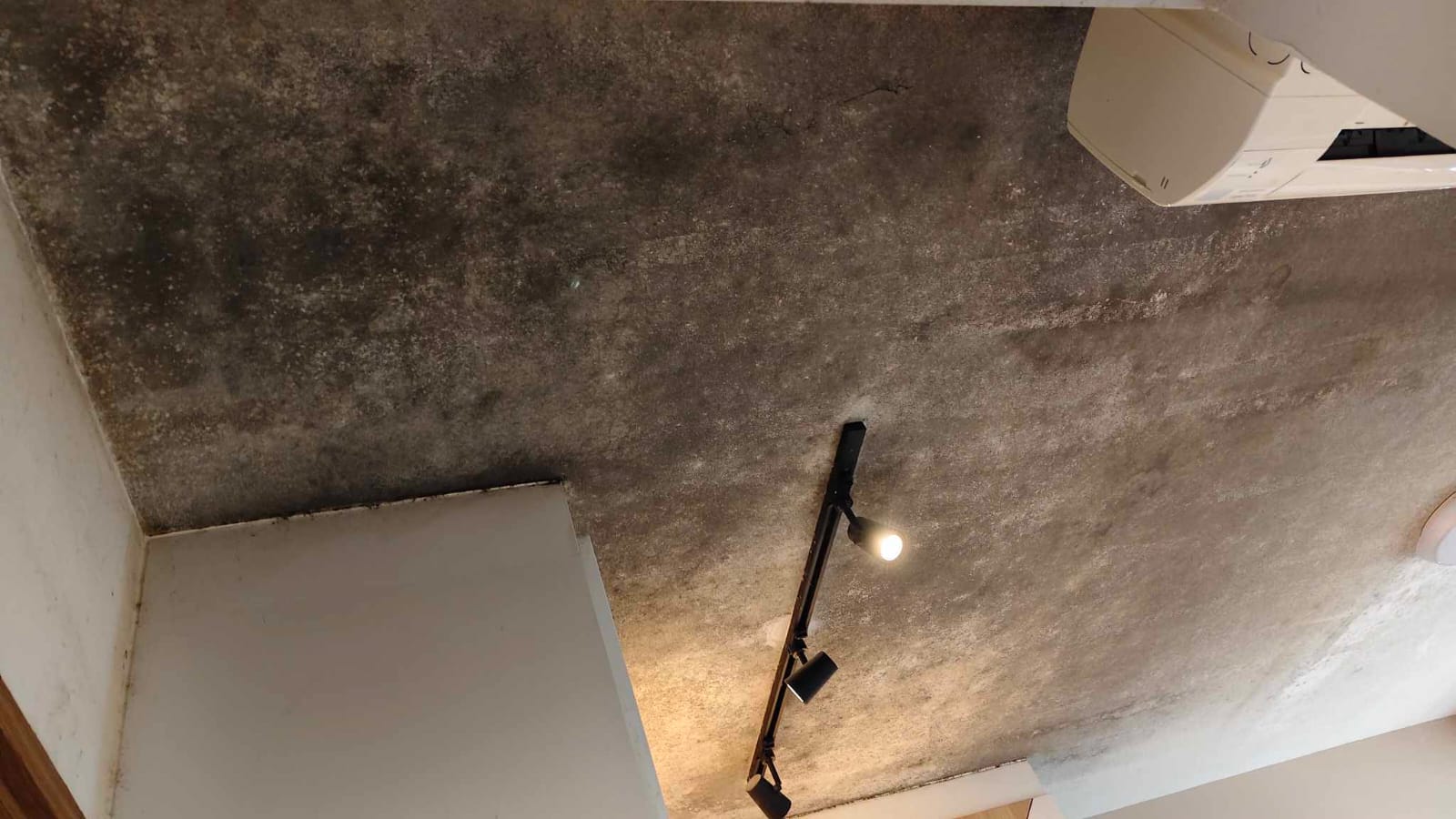
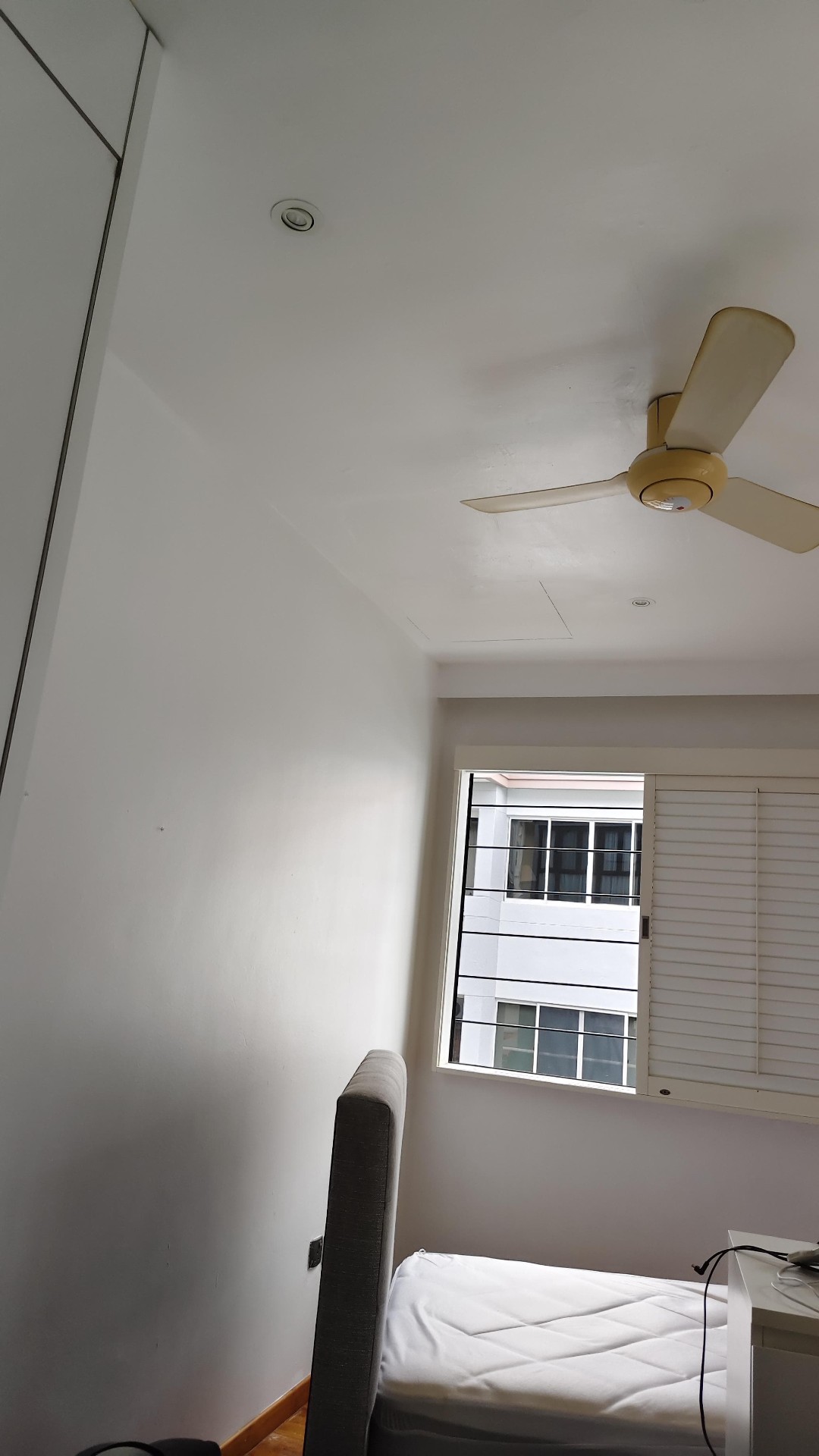
Common Bathroom Mould Areas
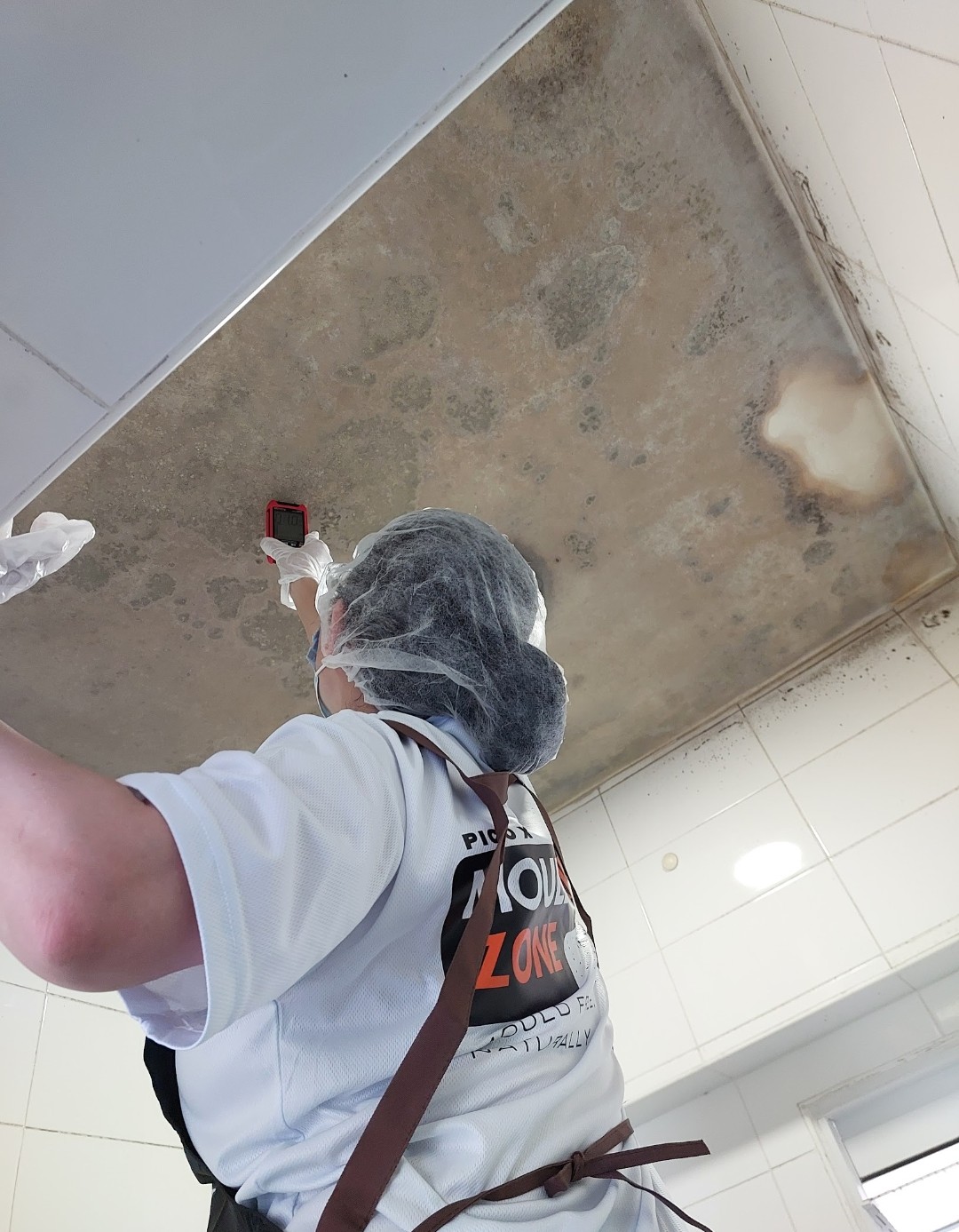
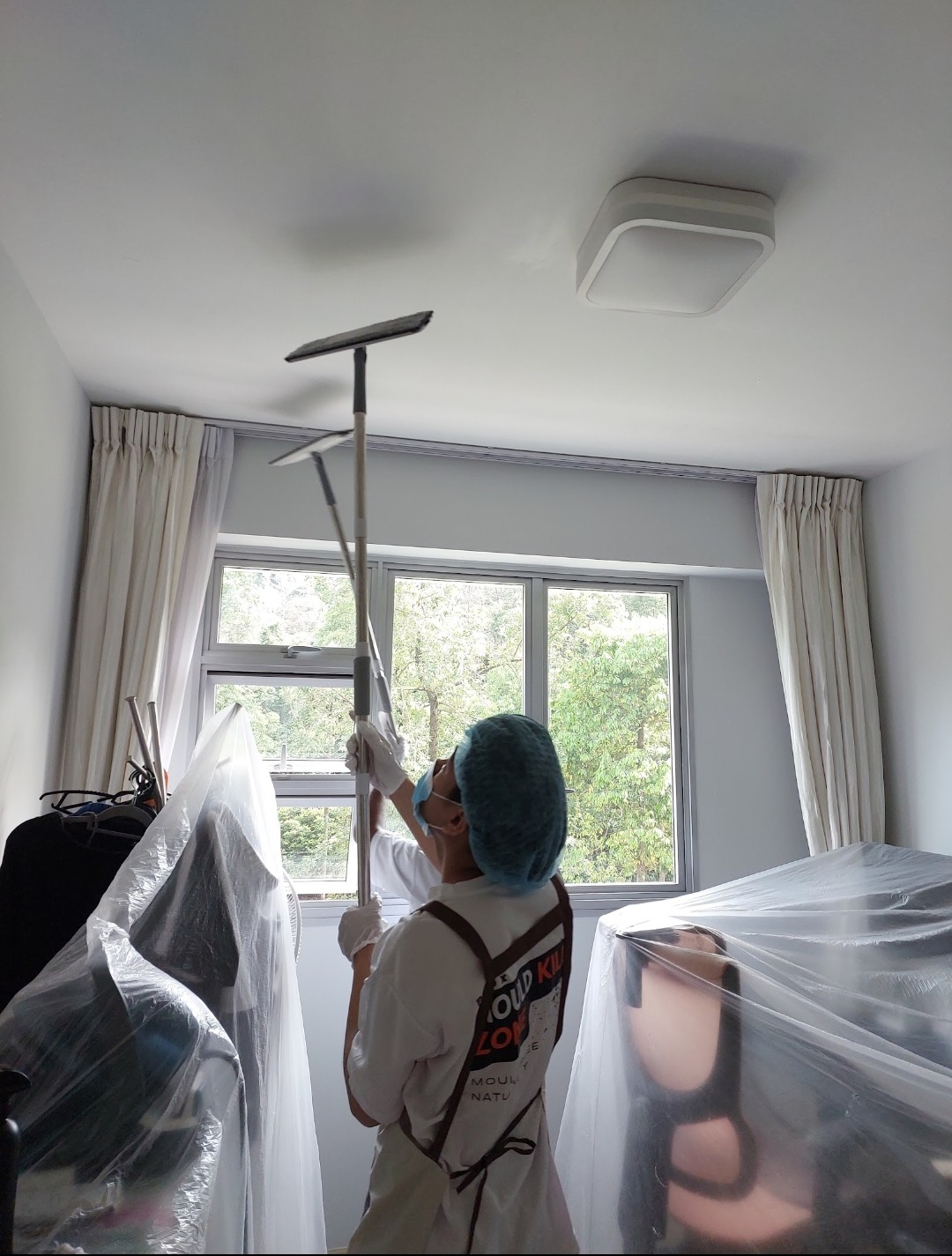
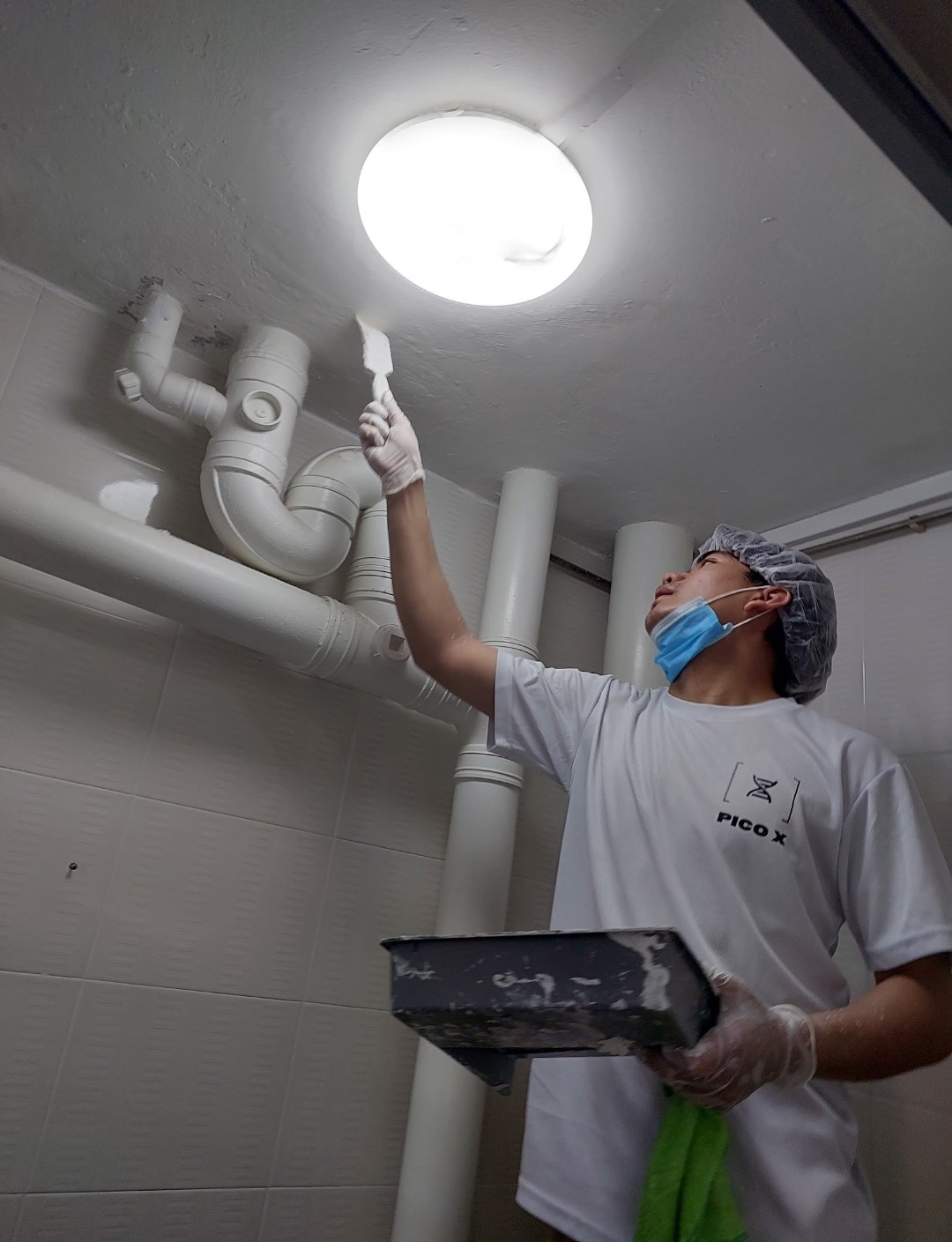
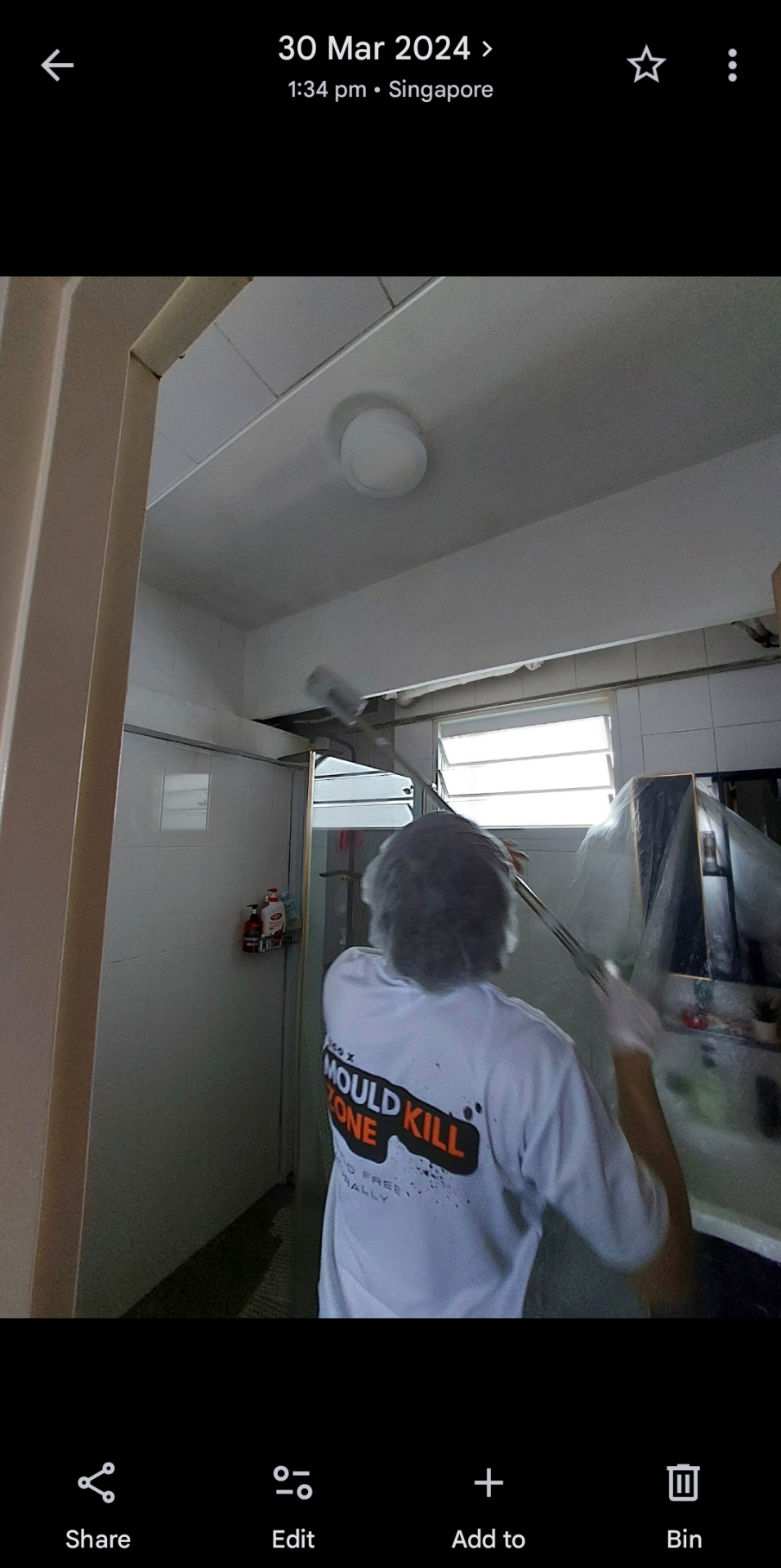
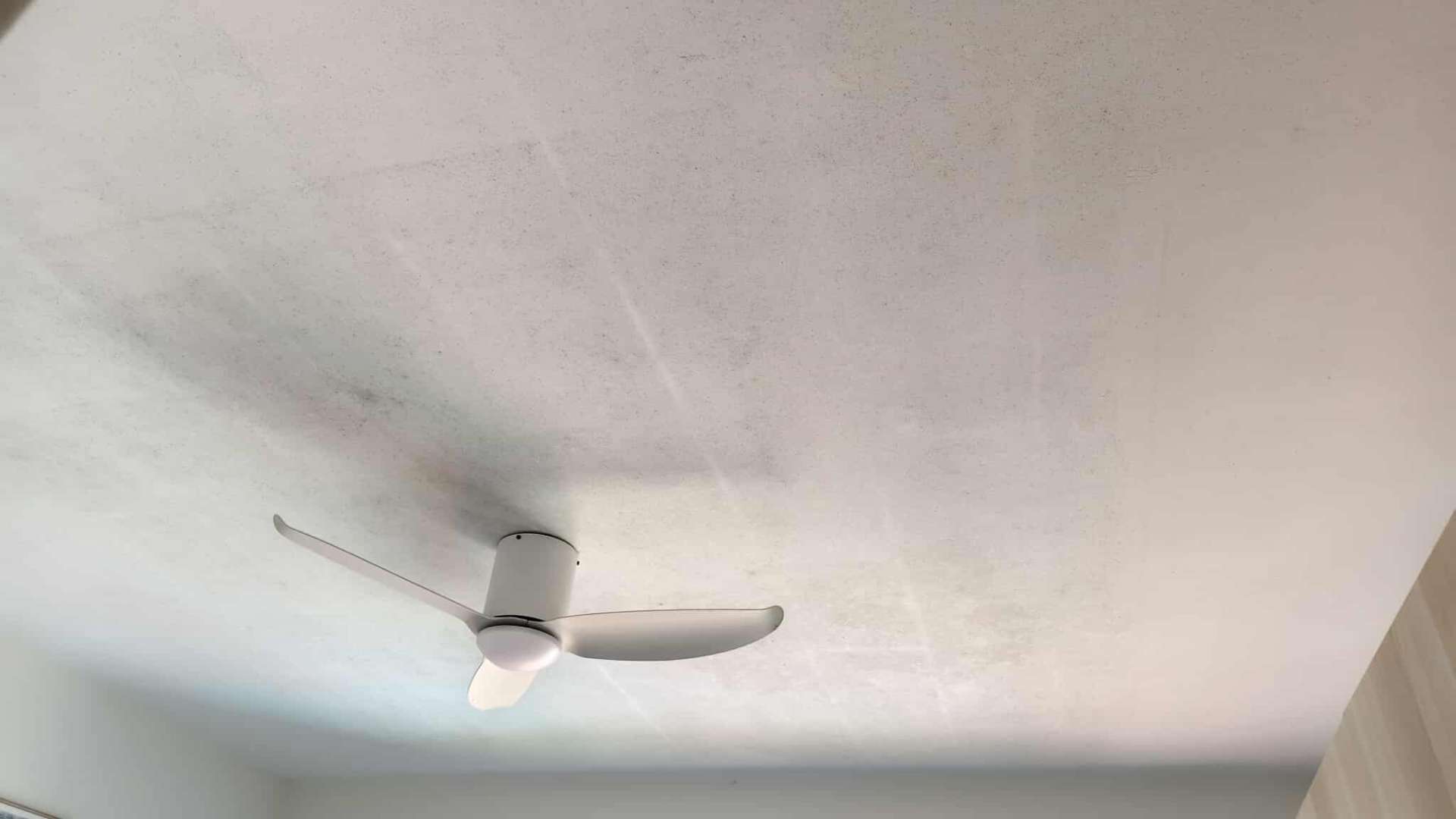
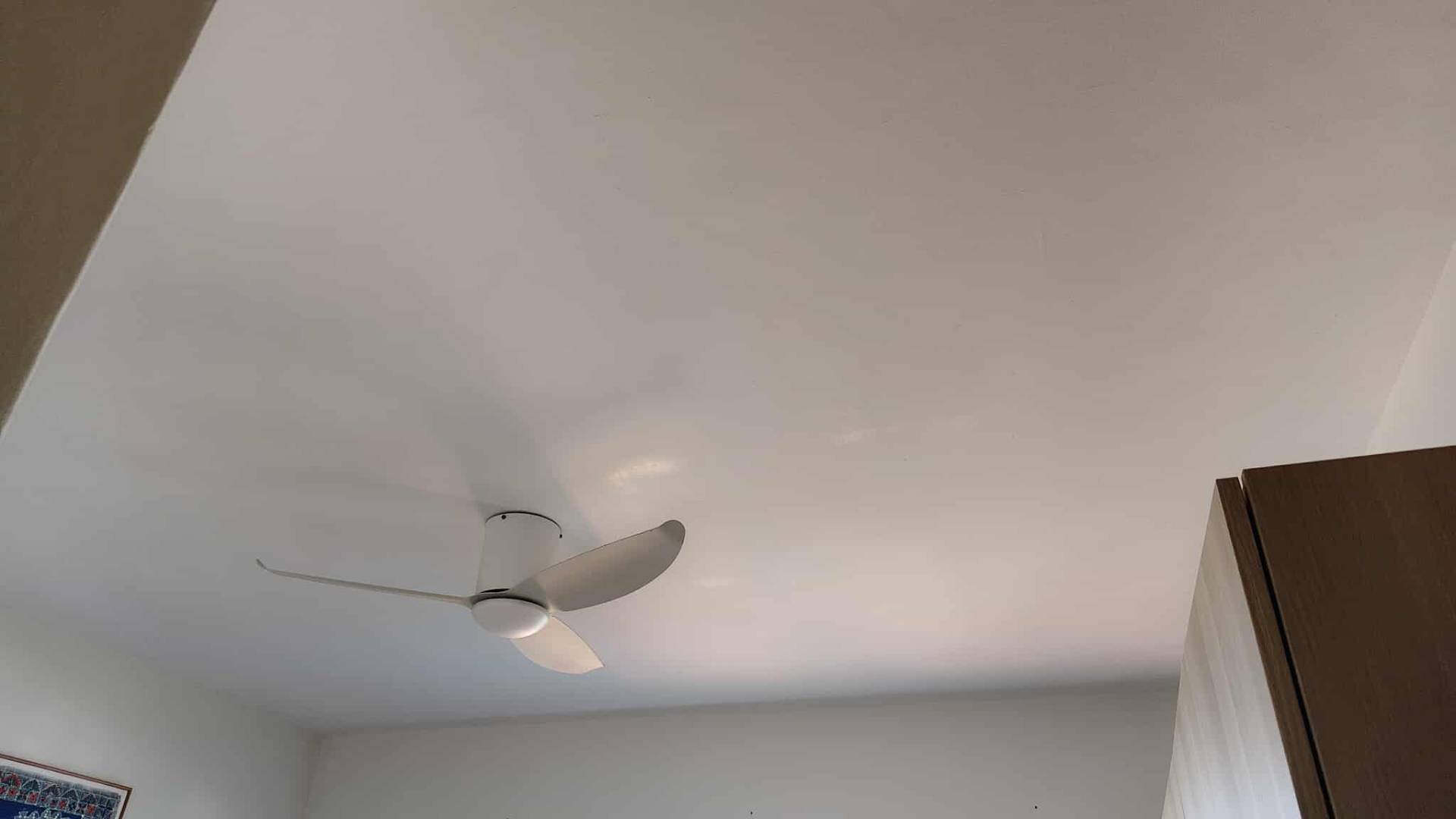
- Ceiling: Especially above shower/bath area where steam rises
- Grout Lines: Between tiles where moisture accumulates
- Silicone Edges: Around shower screens, bathtub edges
- Behind Toilet: Hidden area with poor ventilation
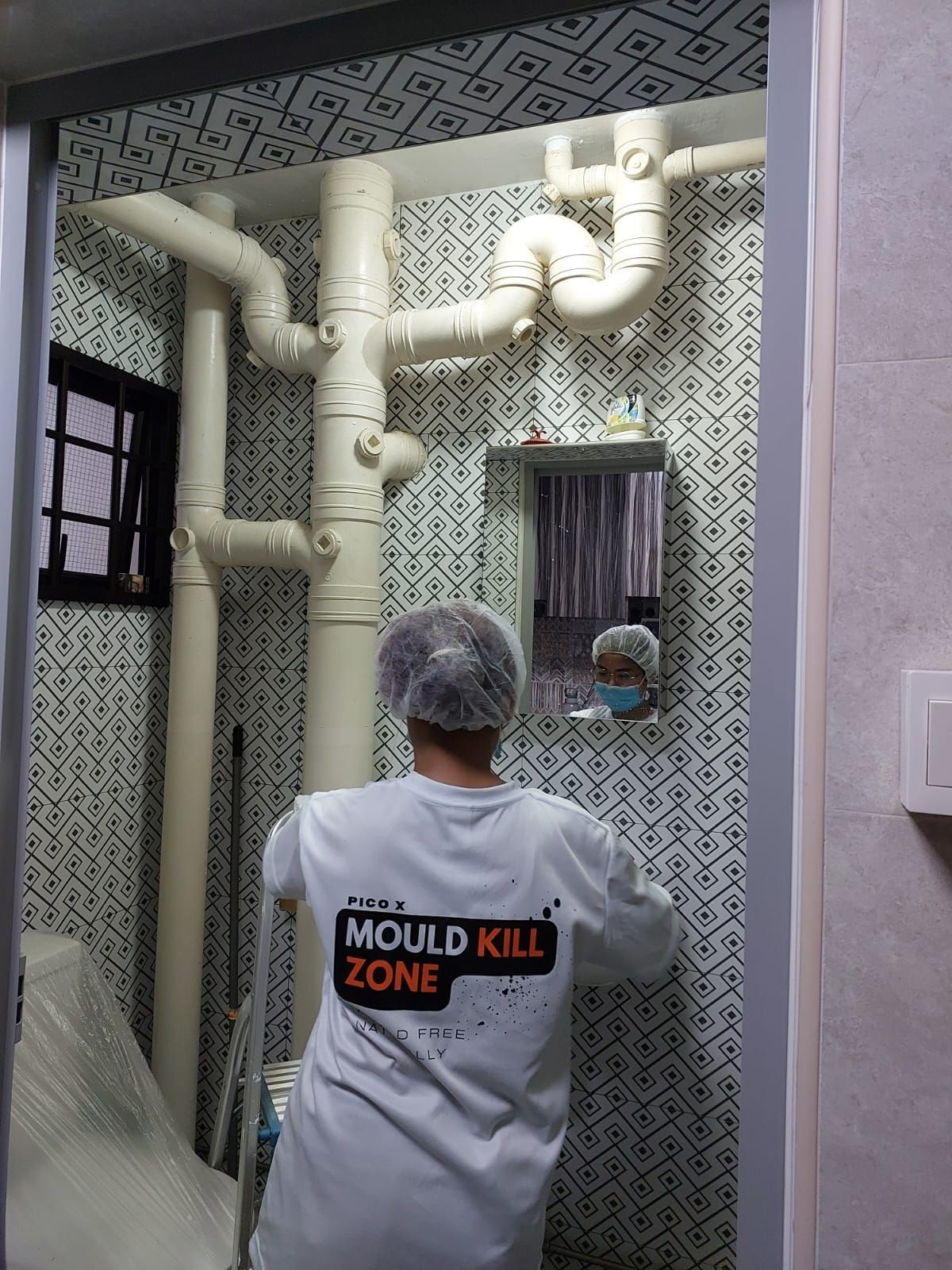
- Under Sink: Pipe condensation and leak-prone area
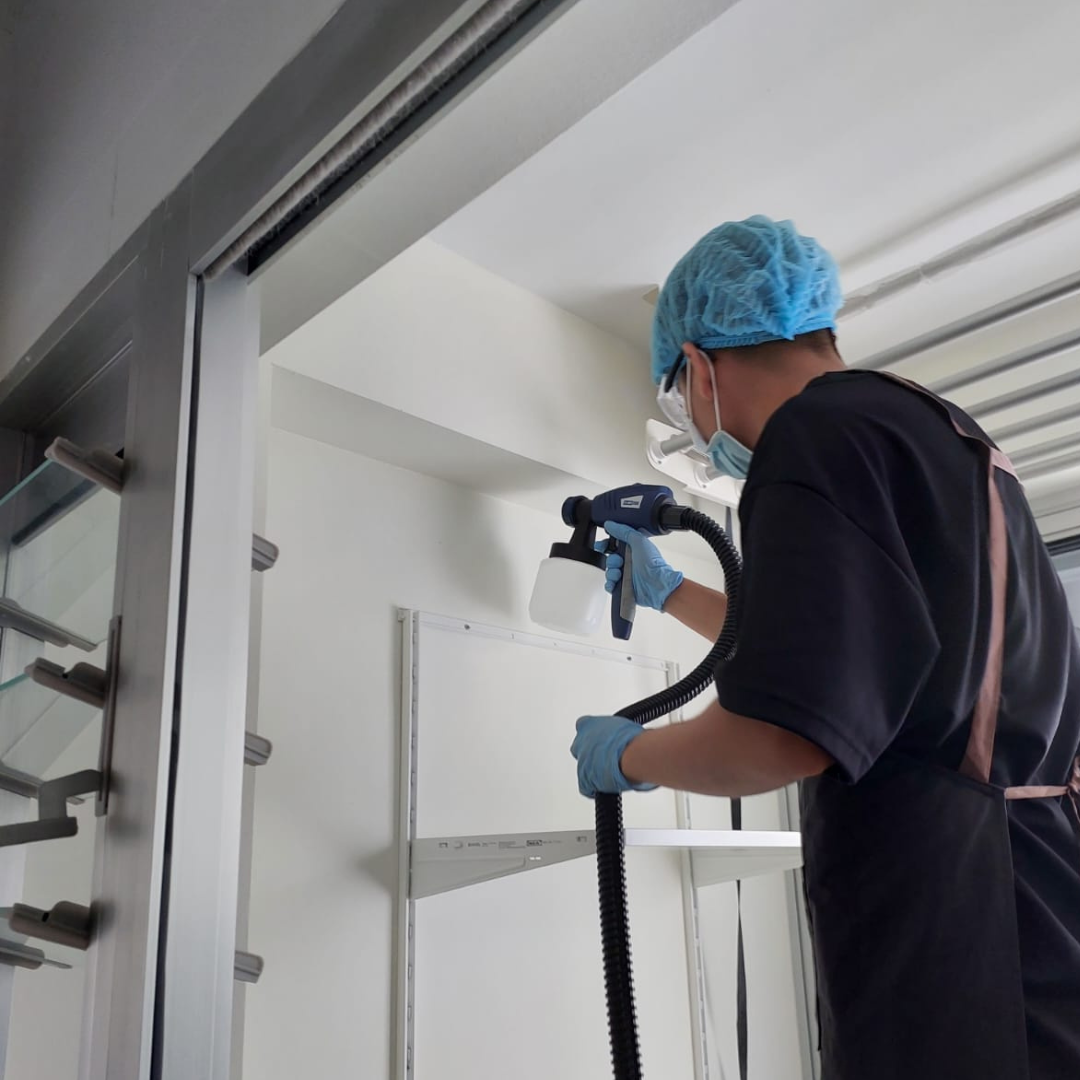
- Exhaust Fan: Ironically, areas around ventilation can trap moisture
Free WhatsApp Inspection. No hard sell.
Send us a photo of your mould — most cases don't need a paid on-site inspection. We'll tell you honestly if a visit is needed, or quote you directly. Transparent pricing, zero obligation.
No hard sell. Transparent pricing. Reply within working hours.
Why Bathrooms Are Mould Hotspots
Bathrooms provide ideal mould conditions:
- Constant moisture from showers, baths, sinks
- Warm temperatures accelerate mould growth
- Often windowless with poor natural ventilation
- Organic matter (soap residue, skin cells) provides food
- Hidden areas difficult to clean and dry
Prevention Strategies
- Run exhaust fan during and 30+ minutes after showering
- Consider 24/7 exhaust fan operation in windowless bathrooms
- Squeegee shower walls after use
- Keep door open when not in use for air circulation
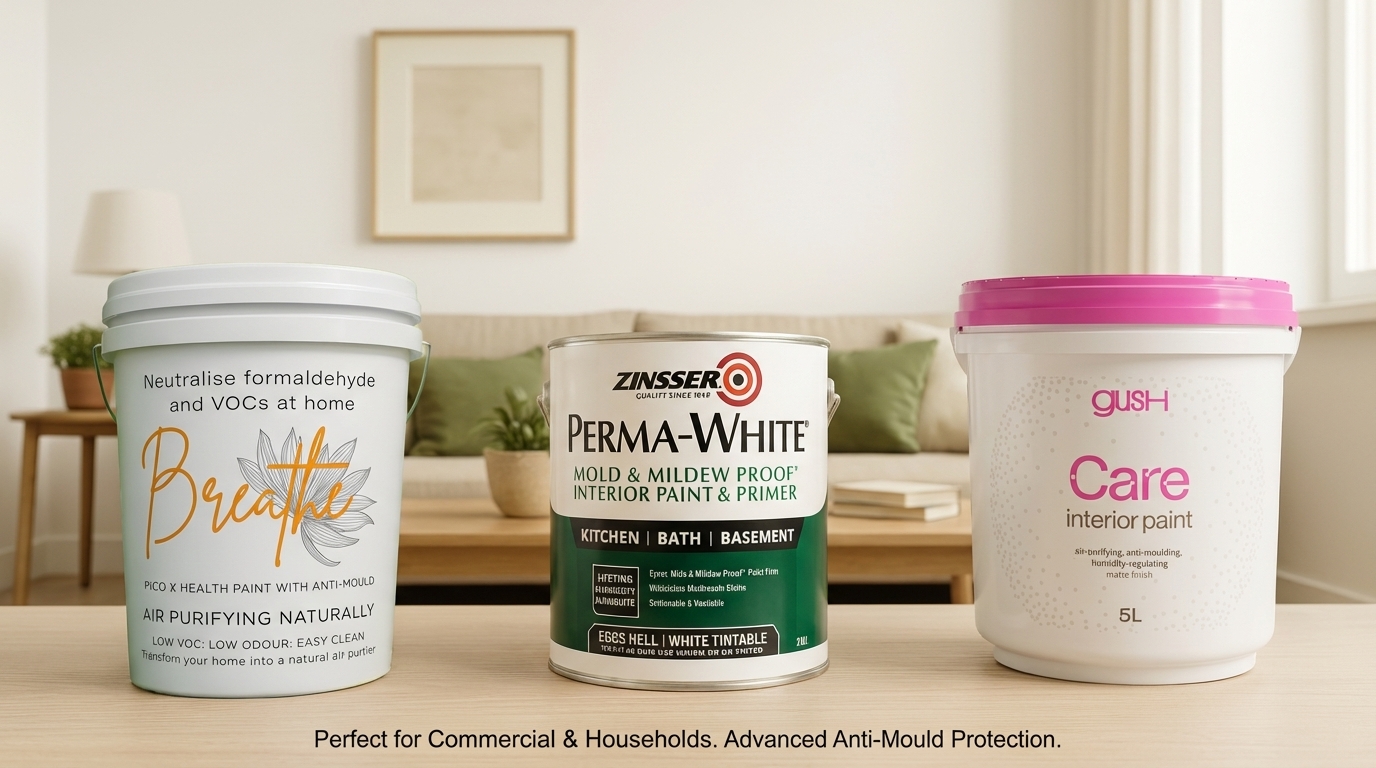
- Clean bathroom weekly with mould-preventing products
- Reseal grout every 1-2 years
- Replace silicone every 5-7 years or when discolored
- Fix any leaks immediately
Frequently Asked Questions
Why does my bathroom keep getting mould?
Bathrooms are mould hotspots due to constant moisture, warm temperatures, and often poor ventilation. In Singapore's humidity, bathrooms need continuous exhaust ventilation and regular cleaning to prevent mould.
How do I remove mould from bathroom grout?
For surface mould, use a grout brush with bathroom cleaner or diluted bleach. For deep mould, professional treatment may be needed. Sealing grout after cleaning helps prevent regrowth.
Should I replace mouldy silicone?
If mould has penetrated deeply into silicone sealant, replacement is recommended. Surface mould can sometimes be cleaned, but silicone older than 5 years with recurring mould should be replaced.
How much does bathroom mould removal cost?
Bathroom mould removal costs $150-$500 depending on extent. Includes grout cleaning, ceiling treatment, silicone replacement if needed, and anti-mould coating application.