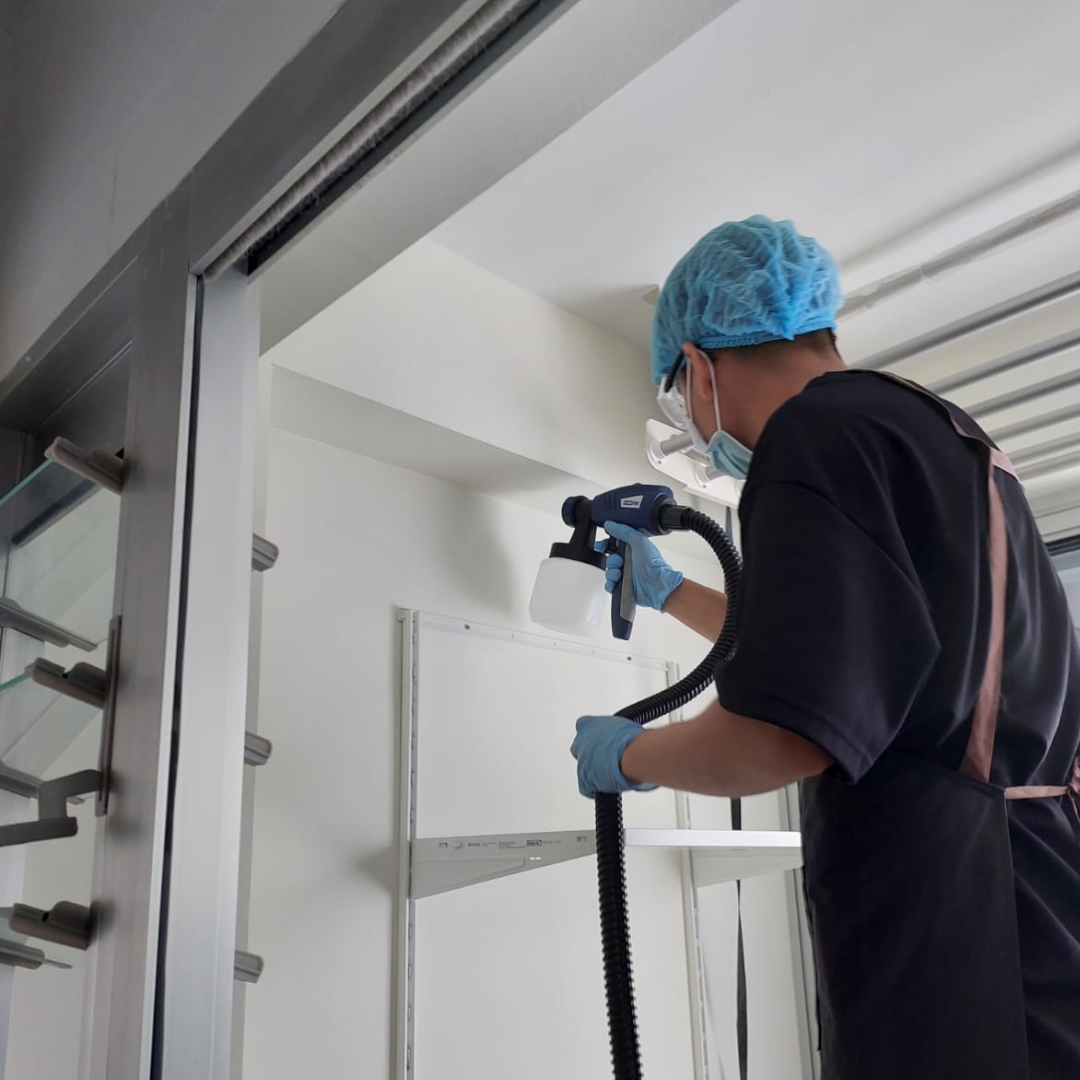
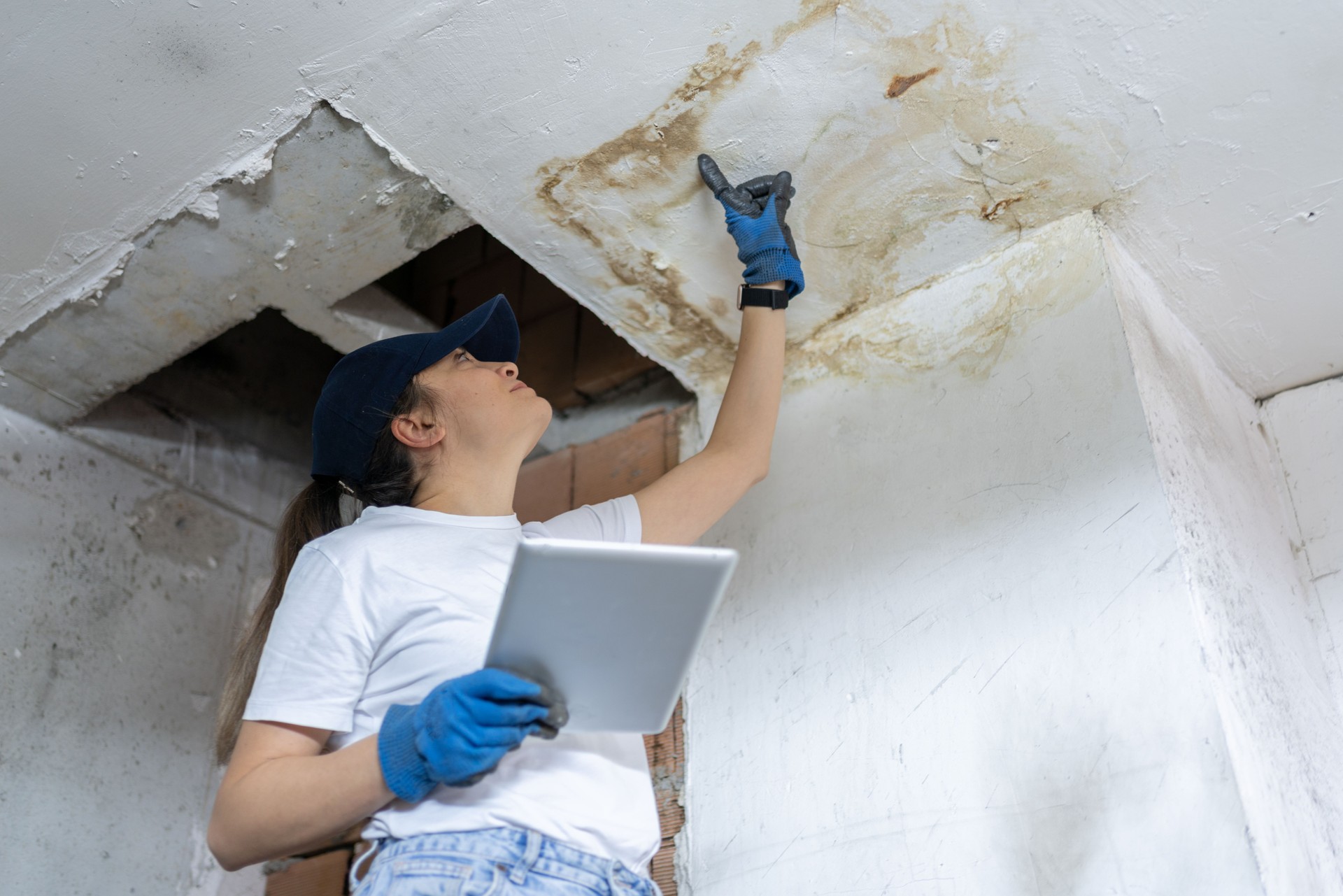
Waterproofing Services Singapore
Stop water ingress at its source. Professional waterproofing for HDB, Condo & Landed properties. Bathroom, balcony, and basement solutions including specialized negative waterproofing.
Limited-time promoEssential one-wall or one-ceiling from S$199 — non-toxic treatment + anti-mould paint.
Quick Answer
Waterproofing is what makes mould removal permanent — if water keeps entering the substrate, any treatment or paint fails within months. In Singapore the four common failure points are bathroom floor and wall membranes past their 25-year life, balcony thresholds, external walls taking monsoon rain, and planter or roof-deck junctions. We diagnose with moisture mapping first, then apply the right membrane system, and only then treat and repaint the affected surfaces.
Based on: Pico X Health Case Studies Field Data Verification Singapore Weather & Mould Parameters (study)
Free WhatsApp Inspection. No hard sell.
Send us a photo of your mould — most cases don't need a paid on-site inspection. We'll tell you honestly if a visit is needed, or quote you directly. Transparent pricing, zero obligation.
No hard sell. Transparent pricing. Reply within working hours.
Waterproofing by Property Type
Each property type in Singapore has unique waterproofing challenges. We tailor our solutions to your specific needs.
Landed Properties
Multi-level waterproofing challenges requiring specialized solutions
Common Issues:
- Basement flooding during monsoon season
- Rising damp from ground moisture
- Roof terrace membrane failures
- Garden retaining wall seepage
- Car porch water ponding
- External facade water penetration
Key challenges: Larger surface areas, ground-level moisture exposure, multiple roof levels
HDB Flats
Shared infrastructure creates unique waterproofing requirements
Common Issues:
- Bathroom floor leaks affecting neighbors below
- Balcony drainage blockage and overflow
- Window frame seepage during heavy rain
- Service yard water accumulation
- Aging infrastructure (pre-2000 flats)
- Common corridor water damage
Key challenges: Shared plumbing stacks, neighbor coordination, HDB approval processes
Condominiums
High-rise environments with complex moisture dynamics
Common Issues:
- FCU condensation causing ceiling damage
- Balcony waterproofing membrane failure
- Inter-unit leaks through shared walls
- MCST-managed common area seepage
- Wind-driven rain on higher floors
- Planter box overflow damaging units below
Key challenges: Central systems, MCST coordination, wind-driven rain exposure
Waterproofing Methods
We use multiple waterproofing techniques to match your specific situation, budget, and long-term needs.
Membrane Waterproofing
Liquid-applied or sheet membranes creating a continuous waterproof barrier over surfaces.
Cementitious Coating
Cement-based waterproof coating that bonds directly to concrete surfaces.
Injection Grouting
PU or epoxy resin injected into cracks to seal active water leaks quickly.
Crystalline Waterproofing
Penetrating treatment that forms crystals within concrete to block water permanently.
Negative Waterproofing
Applied from the interior (opposite side of water pressure) when exterior access is impossible.
Negative Waterproofing Explained
Negative waterproofing is a specialized technique applied from the interior side of a wall or floor—the opposite side from where water pressure originates. This method is essential when you cannot access the exterior (positive) side of the structure.
When to Use Negative Waterproofing:
- Existing basement walls where exterior excavation is impractical
- Retaining walls against soil in landed properties
- Lift pits and underground car parks
- Buildings where exterior access is blocked by neighbors
- Historic structures where exterior work would damage facades
Materials Used:
- Crystalline cementitious systems (Xypex, Penetron)
- Epoxy-modified cementitious mortars
- Polyurethane injection for active leaks
- Acrylic gel injection systems
- Flexible waterproof coatings
Waterproofing FAQs
What is negative waterproofing and when is it needed?
Negative waterproofing is applied from the interior side of a wall (opposite to water pressure), typically used when exterior access is impossible. It's essential for basement walls against soil, retaining structures, lift pits, and existing buildings where excavation isn't feasible. Materials include crystalline cementitious systems and epoxy-modified mortars.
How much does bathroom waterproofing cost in Singapore?
Bathroom waterproofing in Singapore typically costs $800-$2,500 depending on size, condition, and method. HDB bathrooms average $800-$1,200, while condo master bathrooms may cost $1,500-$2,500. This includes membrane application, floor-wall junctions, and drain surrounds. We provide transparent quotes after inspection.
Can waterproofing prevent mould growth?
Yes, waterproofing is one of the most effective mould prevention strategies. By stopping water ingress at its source, you eliminate the moisture that mould needs to grow. We often recommend waterproofing after mould remediation to prevent recurrence, especially in bathrooms, basements, and areas with chronic seepage.
How long does waterproofing last in Singapore's climate?
Quality waterproofing in Singapore typically lasts 5-10 years for membranes and 10-15+ years for crystalline systems. Singapore's tropical climate with heavy rain and humidity makes proper installation critical. We use premium materials rated for tropical conditions and provide 3-5 year warranties on workmanship.
Is basement waterproofing possible for existing landed properties?
Yes, existing basements can be waterproofed using negative waterproofing methods from inside, without excavation. We apply crystalline coatings or injection grouting to seal active leaks. For severe cases, we install internal drainage channels with sump pumps. Results depend on water pressure and wall condition.
What's the difference between waterproofing and damp-proofing?
Waterproofing creates a complete barrier against water under pressure (like basement walls against soil). Damp-proofing only resists moisture vapor, not liquid water. Basements and below-grade areas need waterproofing; above-grade walls may only need damp-proofing. We assess your specific situation to recommend the right solution.
Stop Water Damage Before It Causes Mould
Get a free waterproofing assessment for your property. Our experts will identify water ingress sources and recommend the most effective solutions.
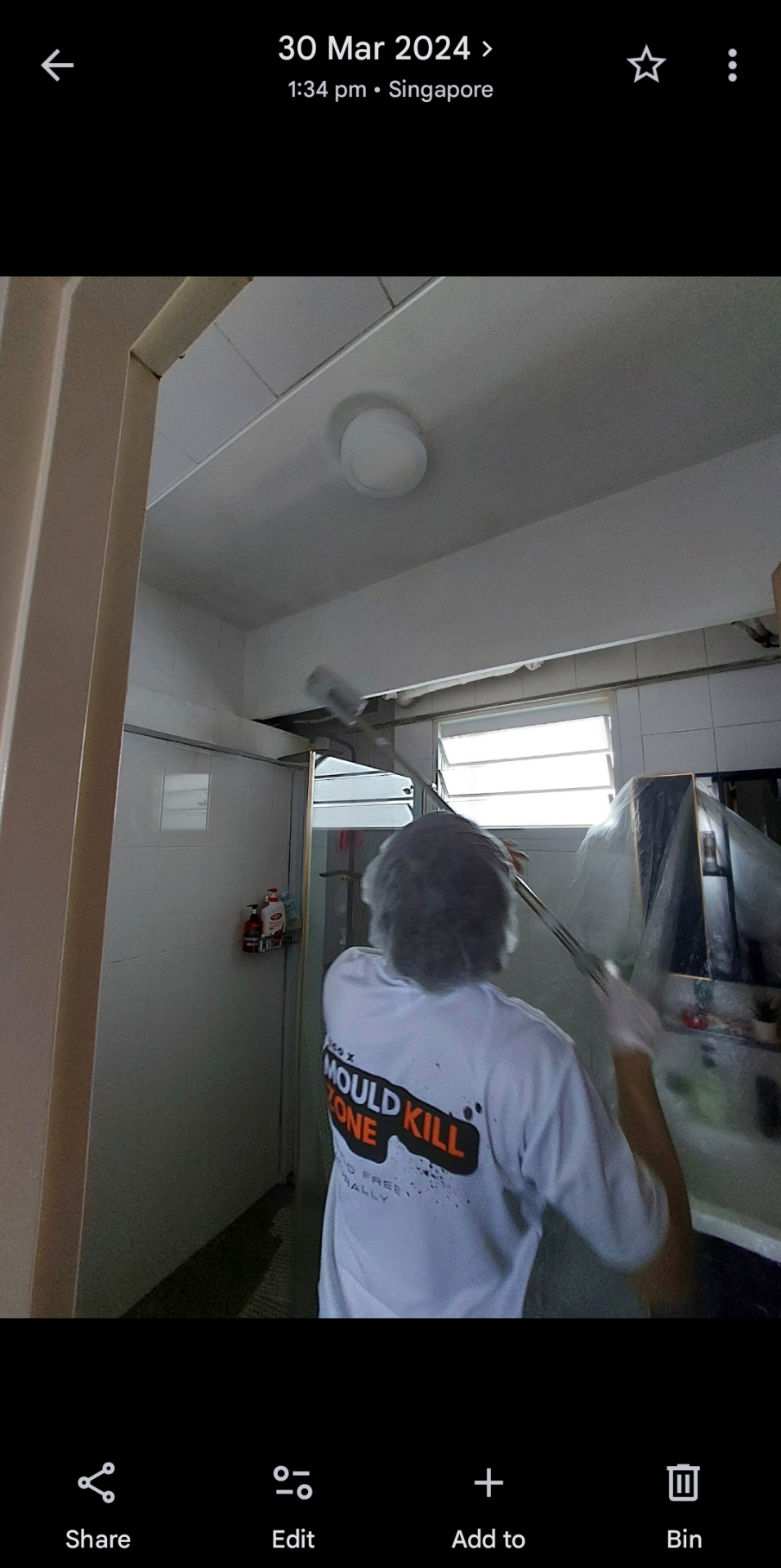
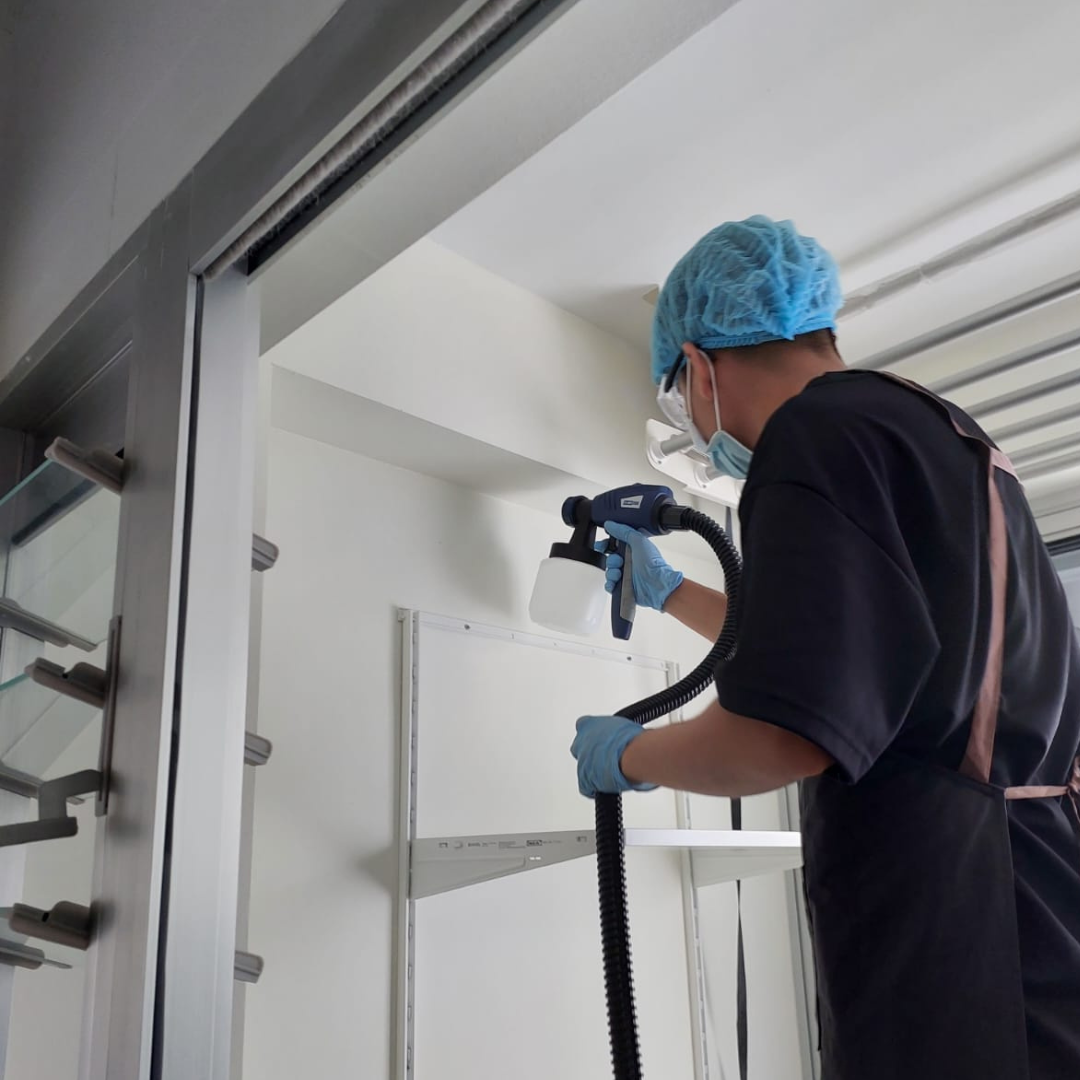
Our Team in Action
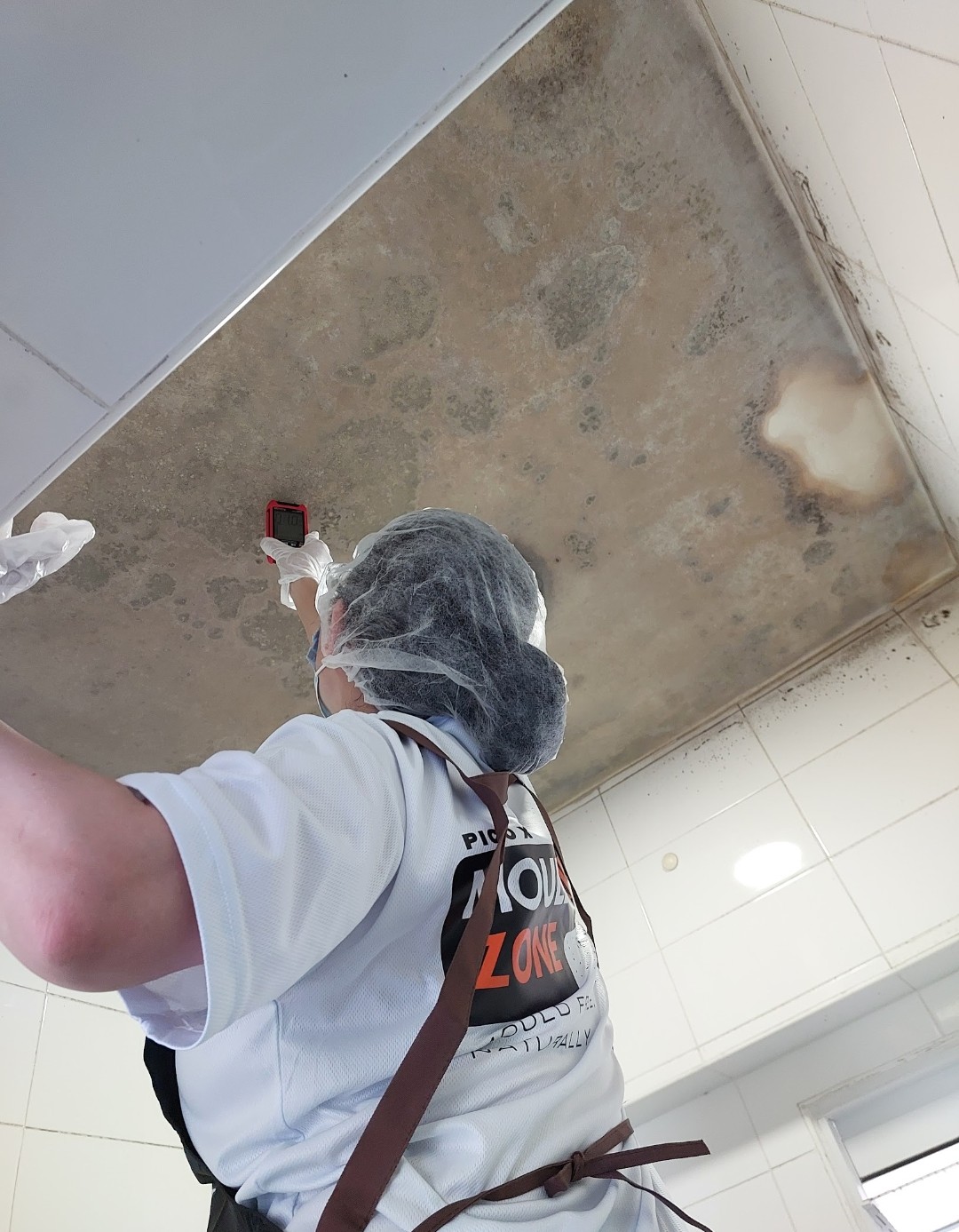
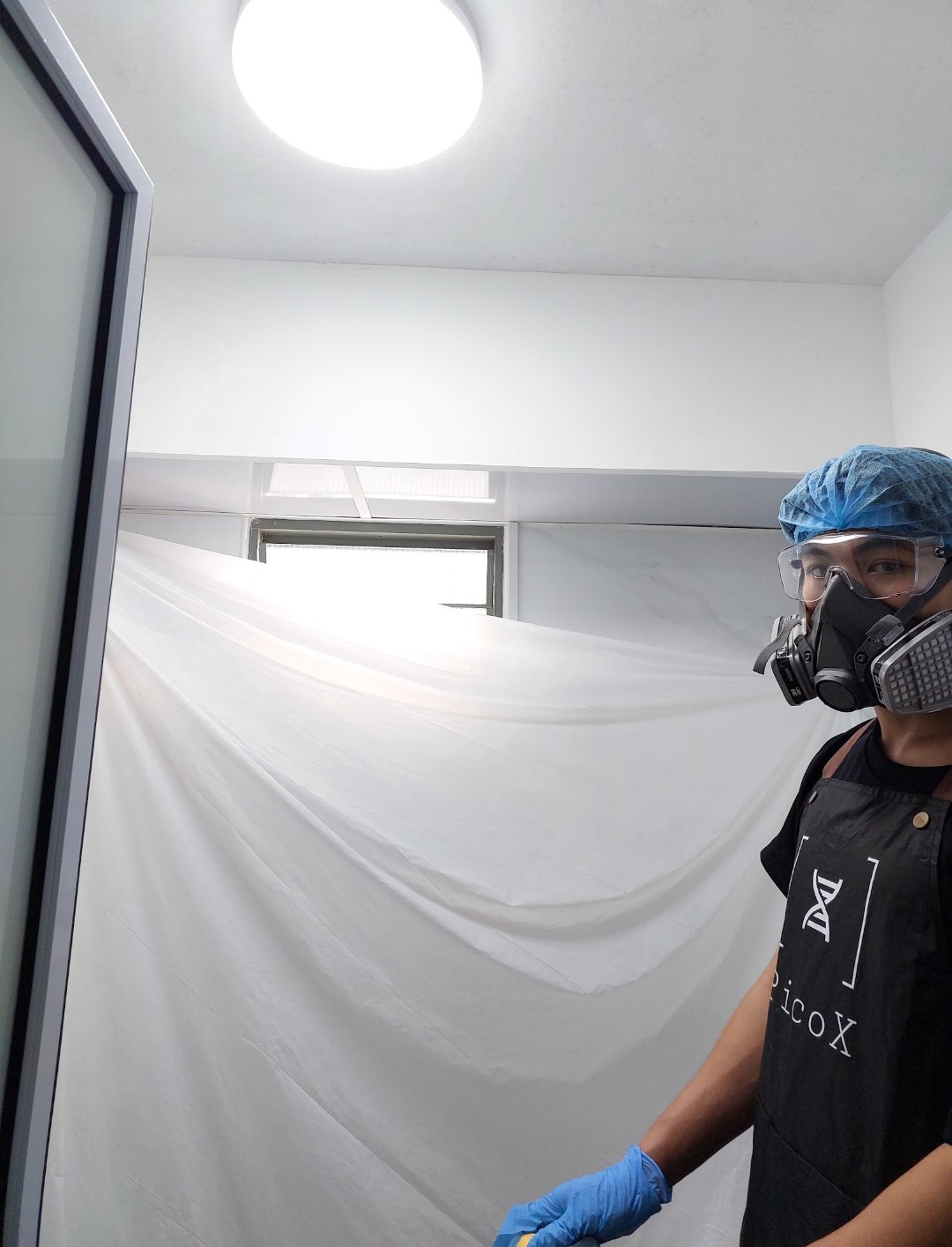
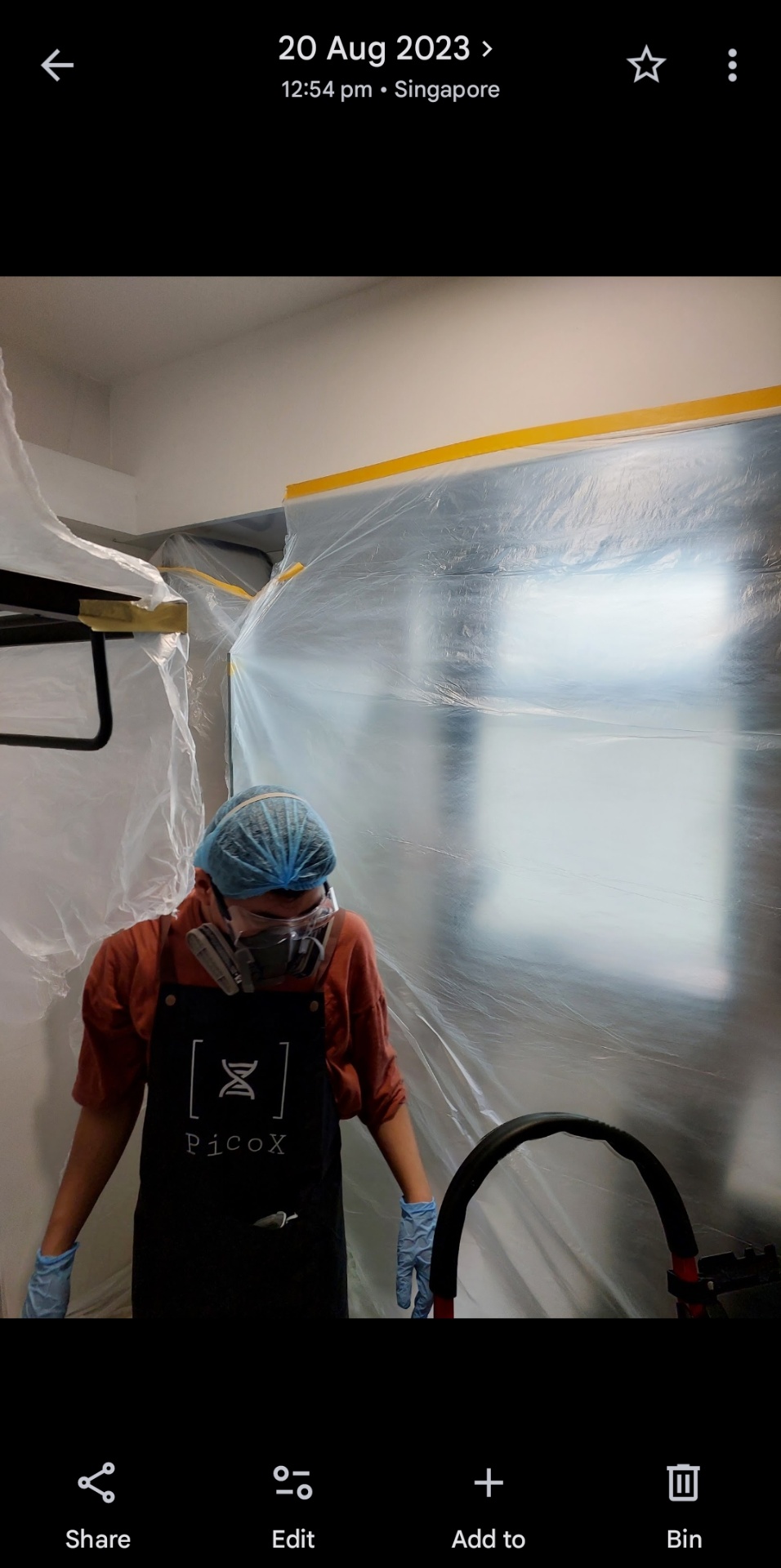
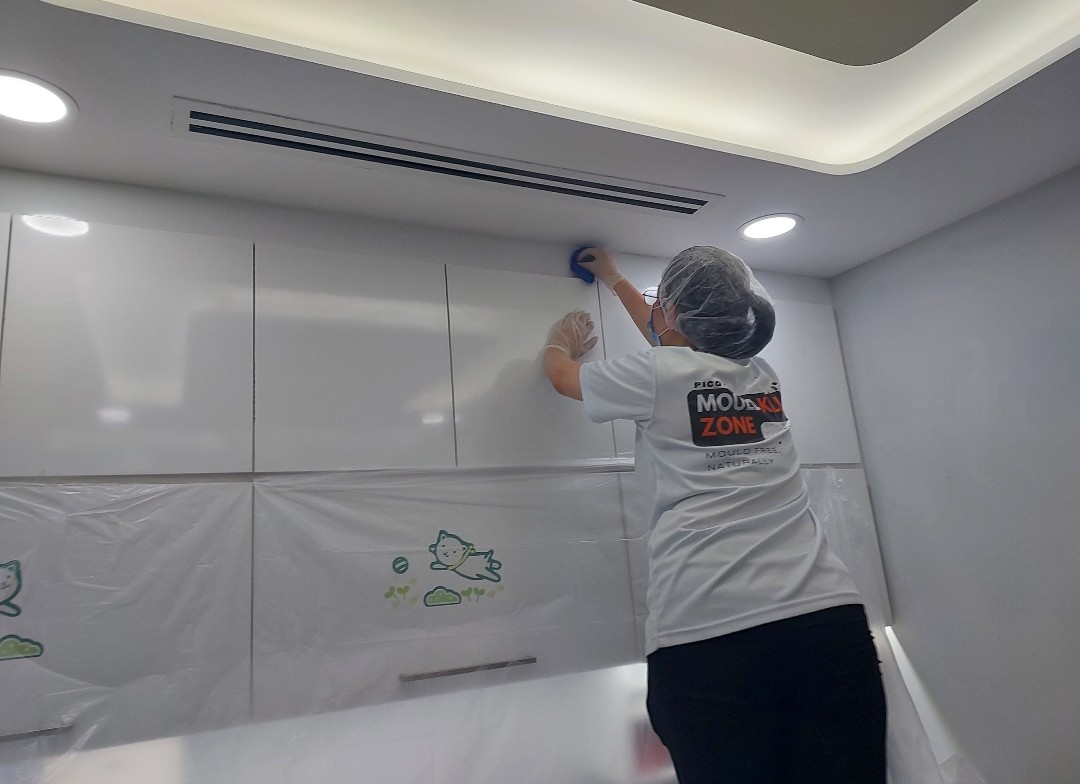
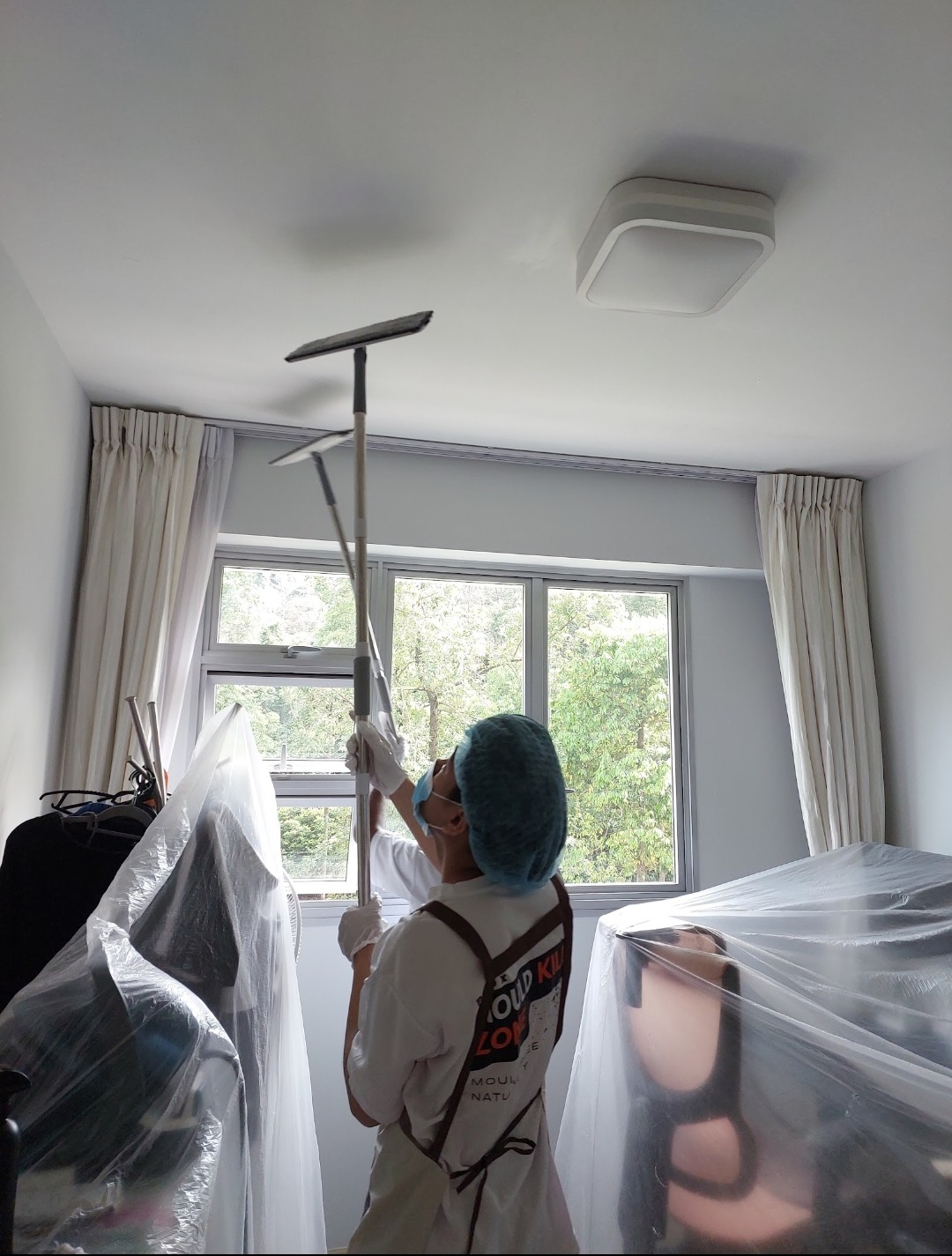
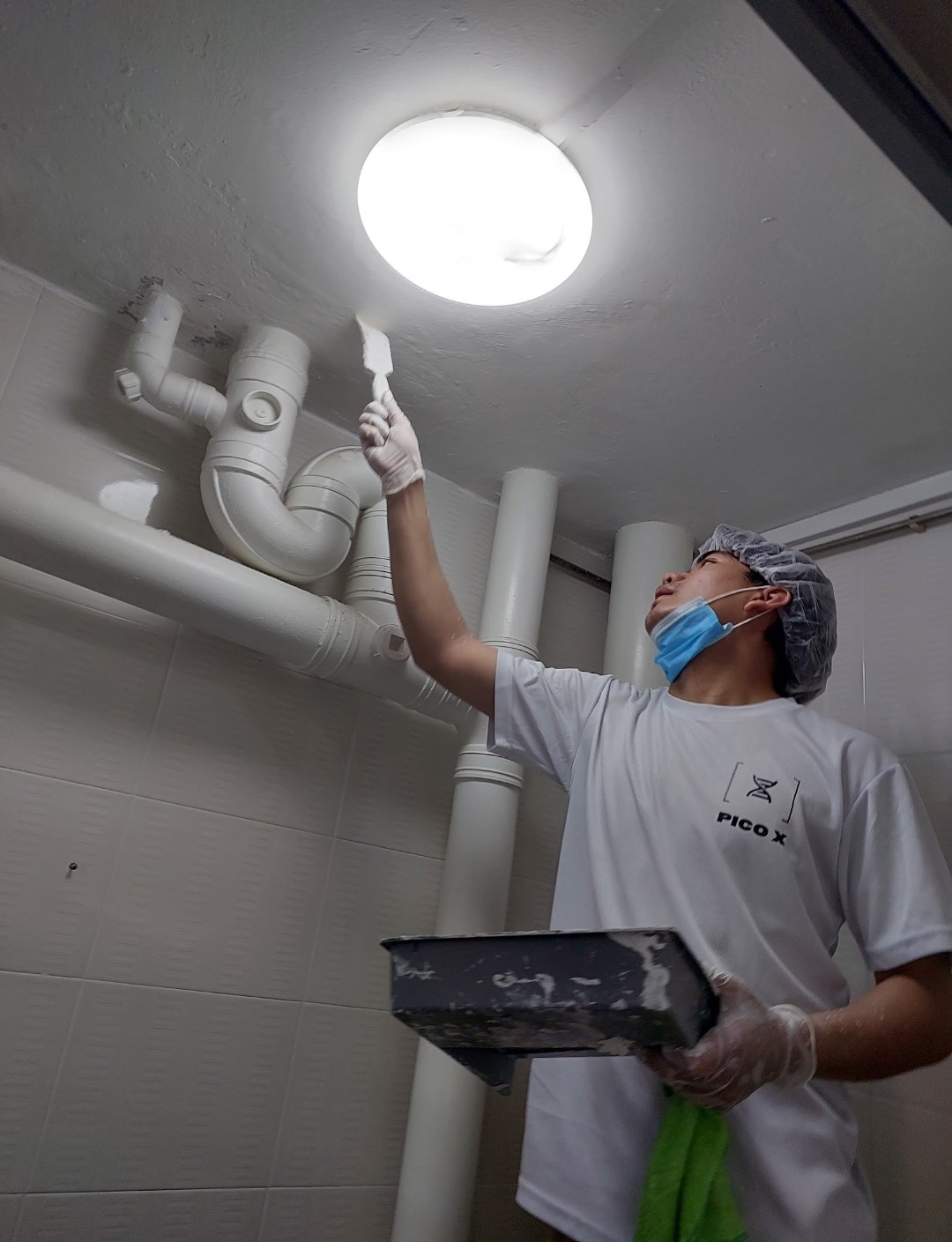
Trained Pico X Health technicians follow strict containment, PPE, and protocols on every job in Singapore.
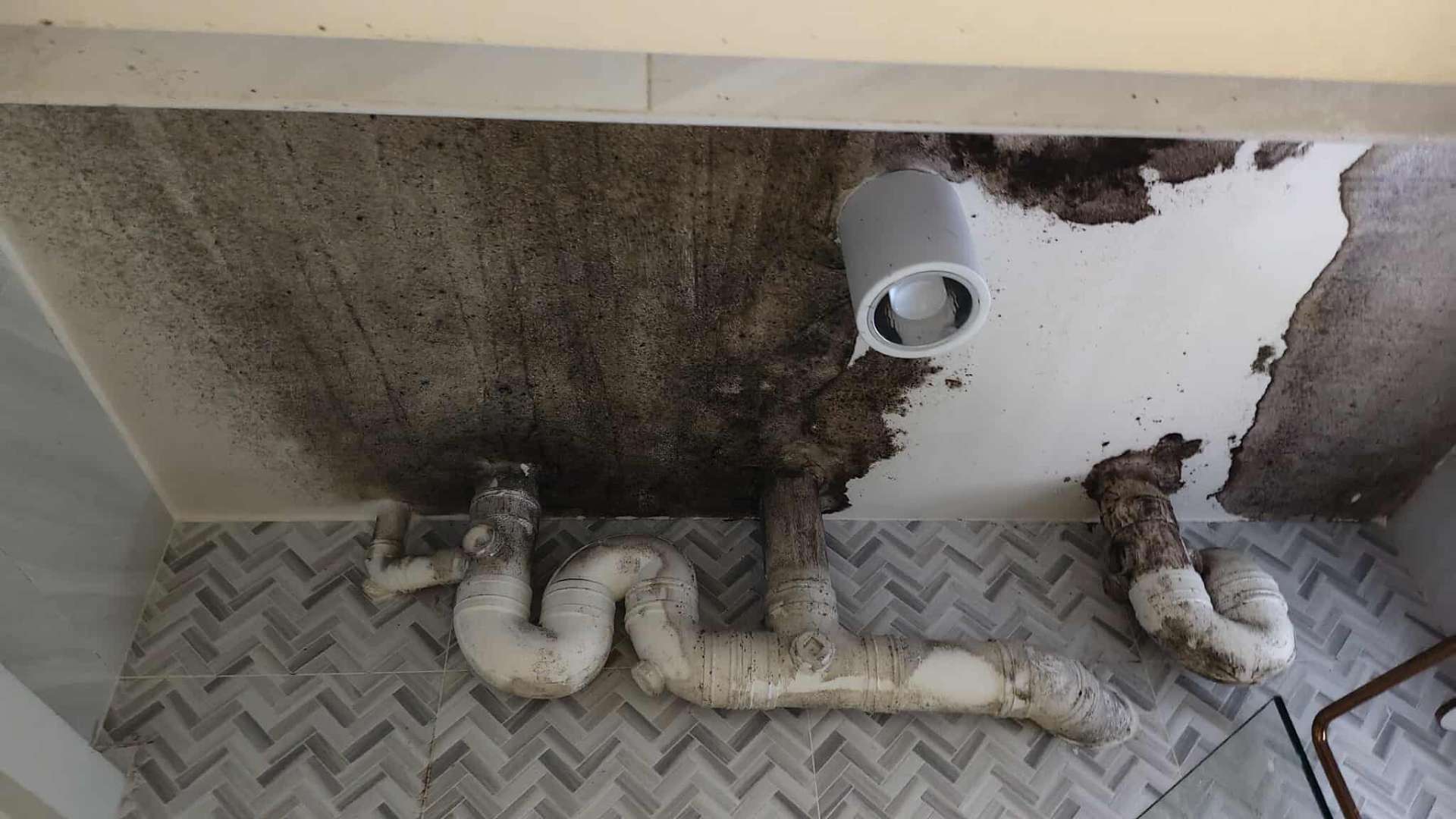
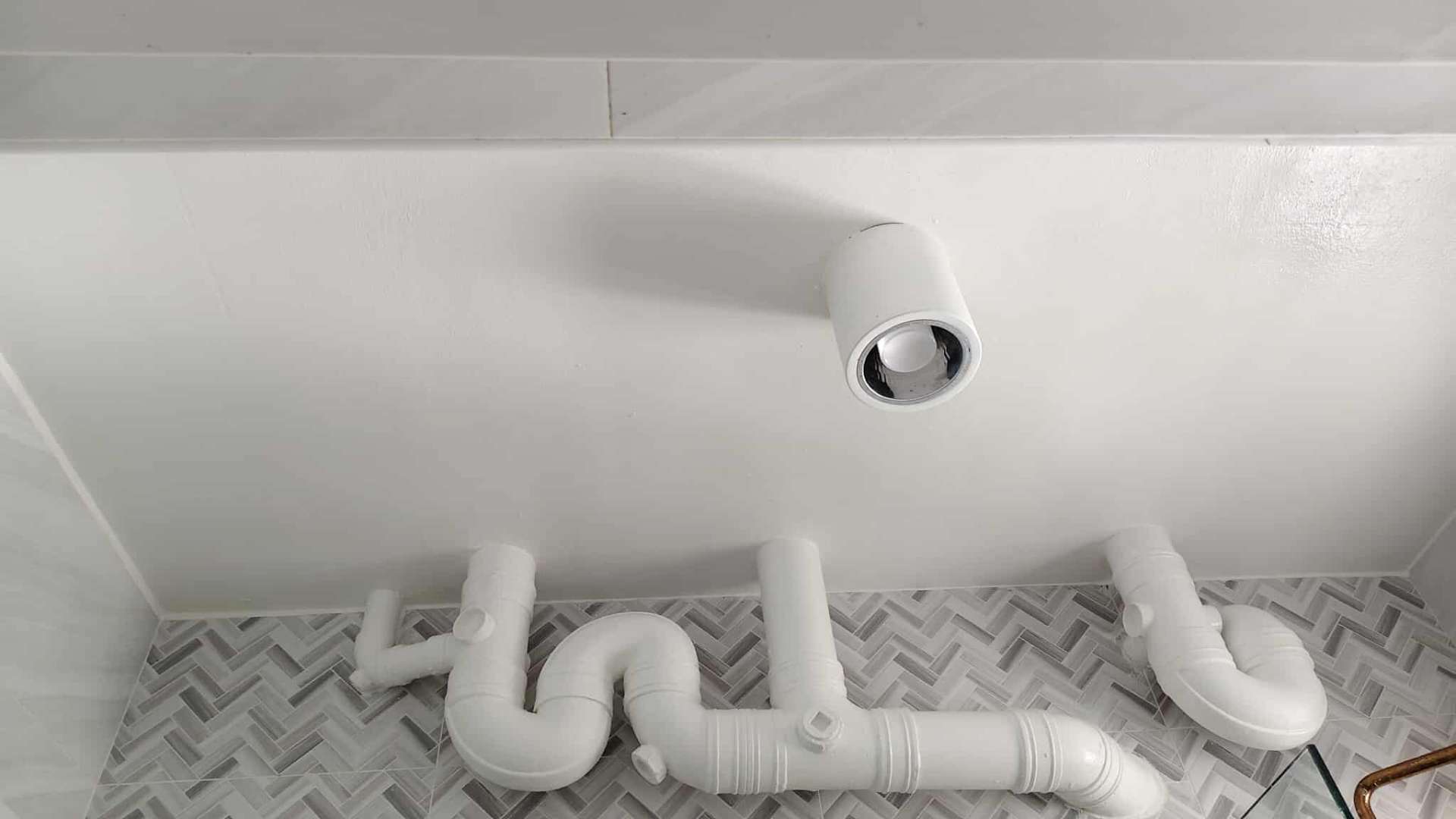
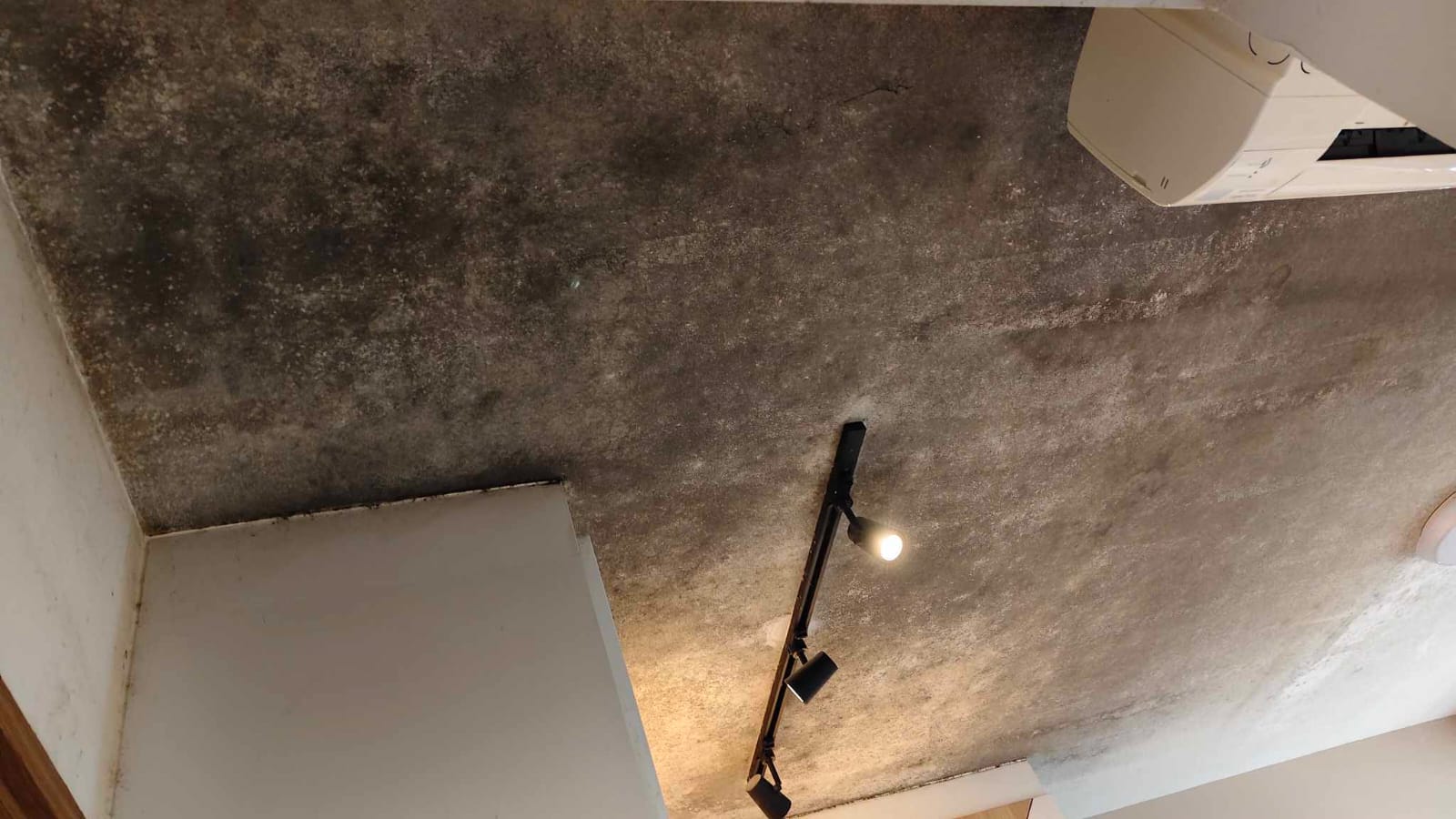
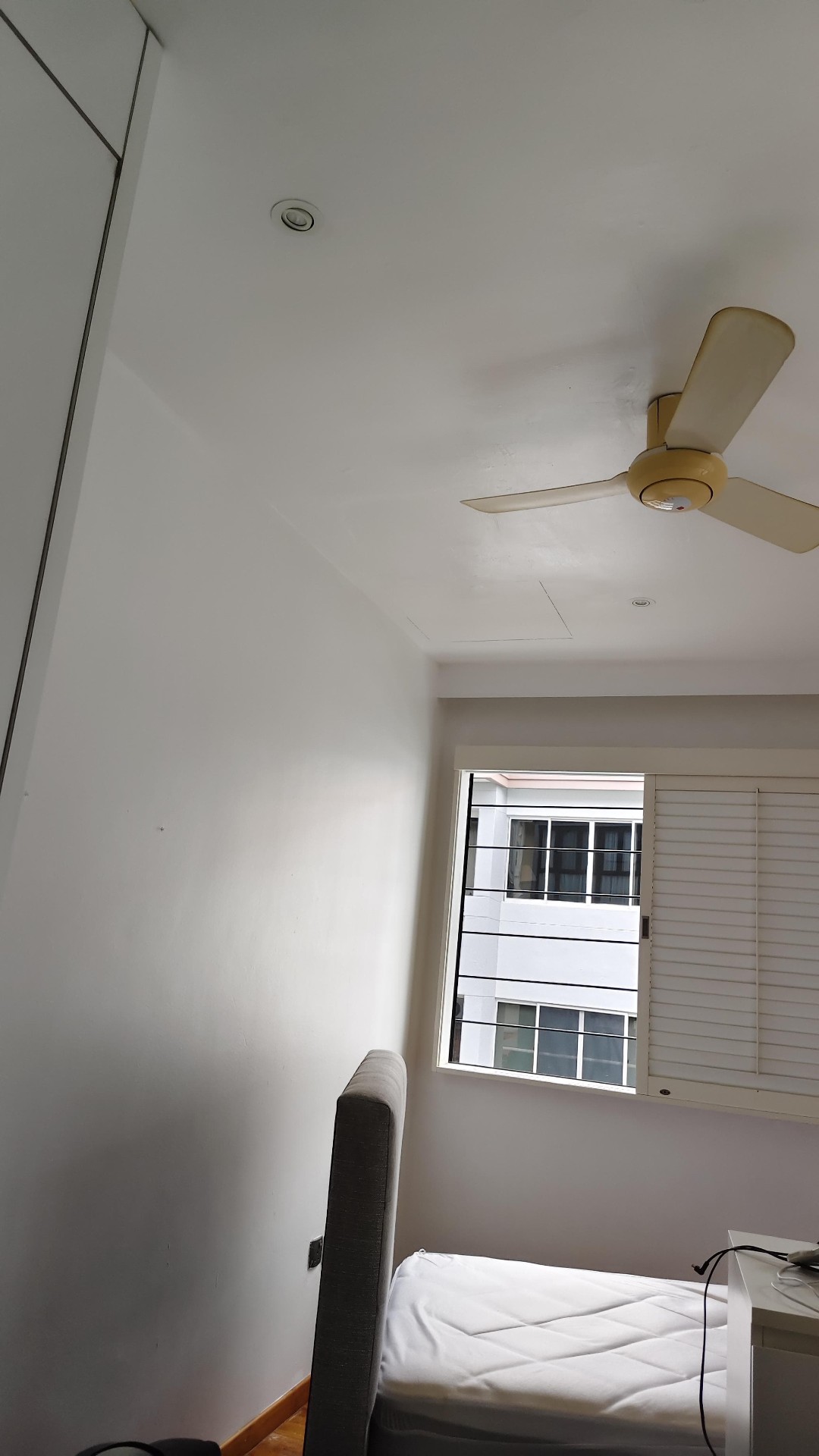
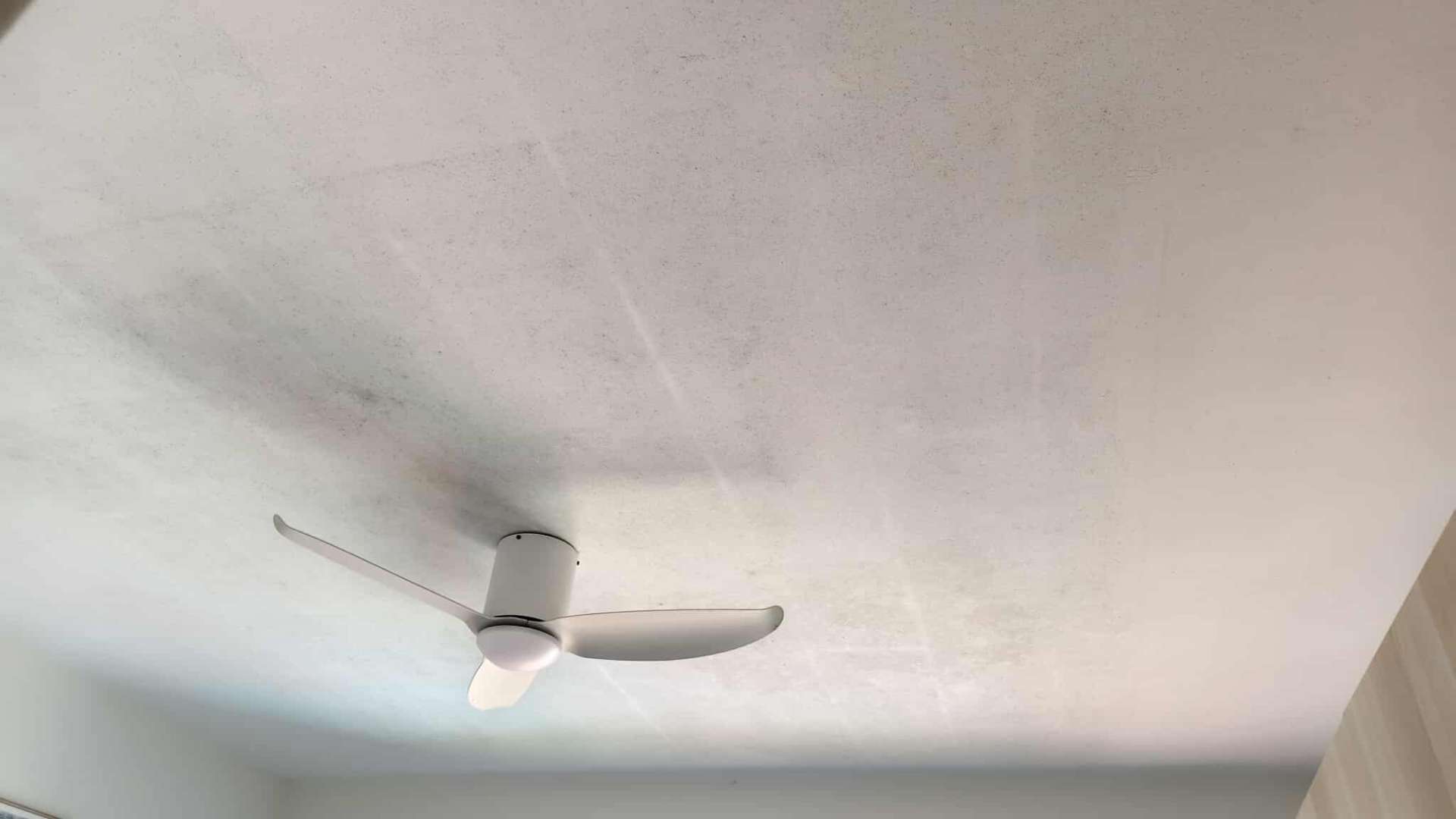
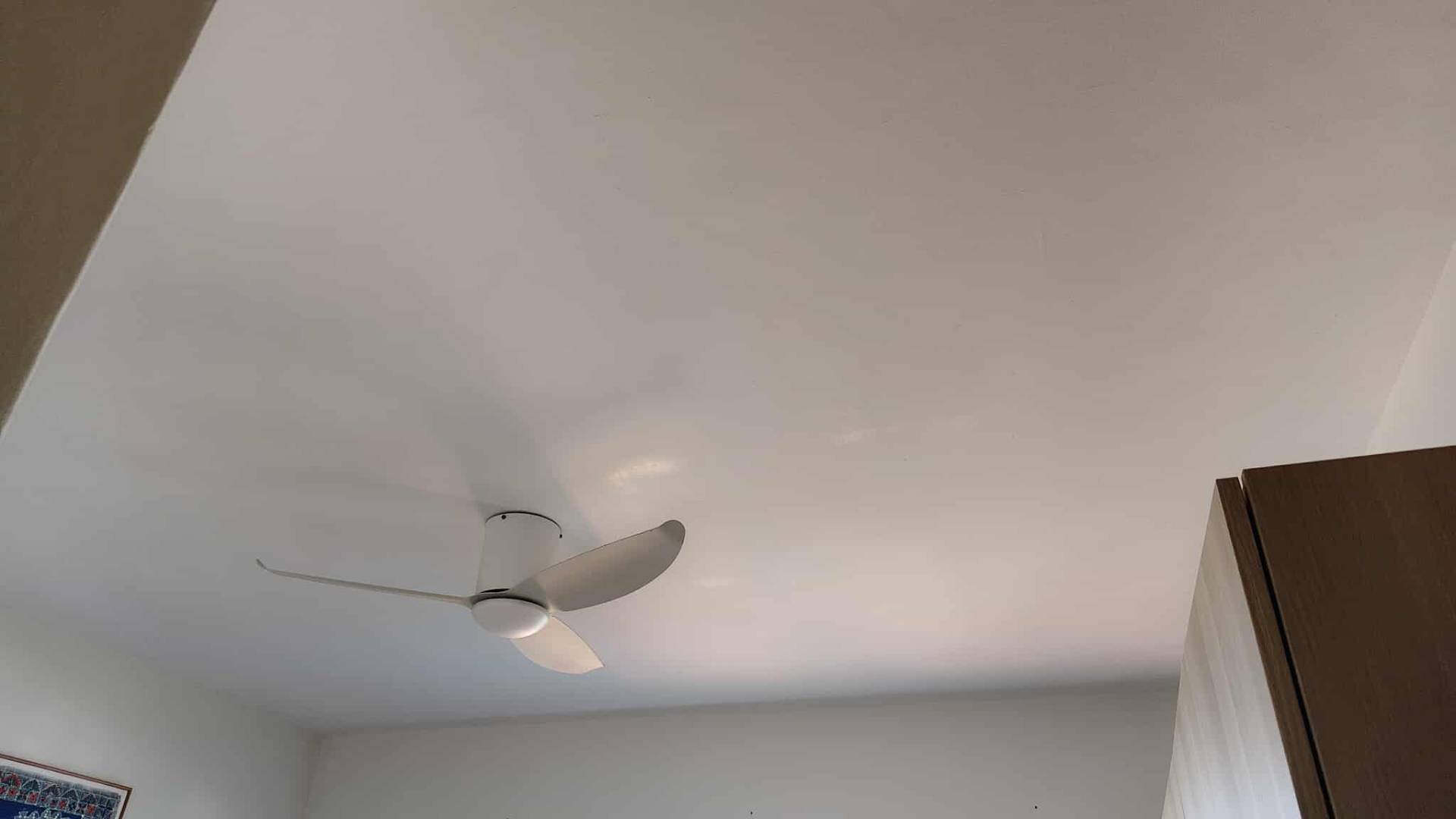
Before & After: Real Singapore Jobs
Documented mould remediation across HDB, condo, landed and commercial spaces.
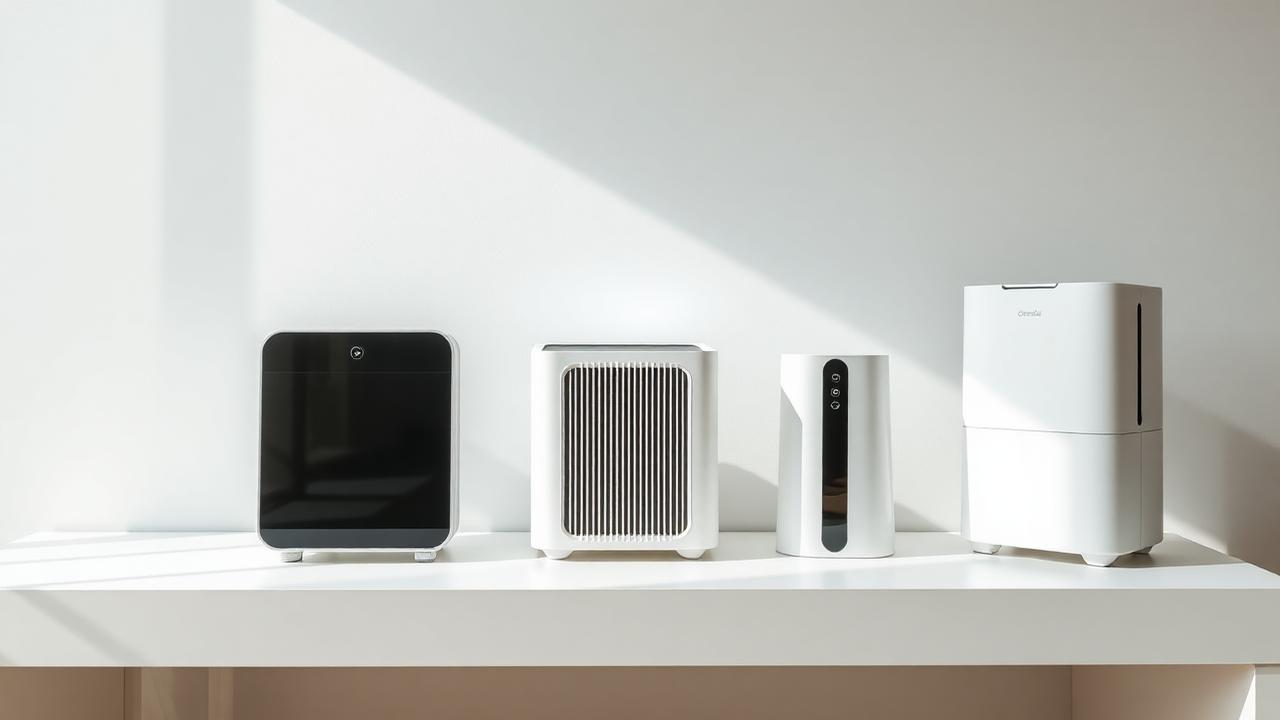
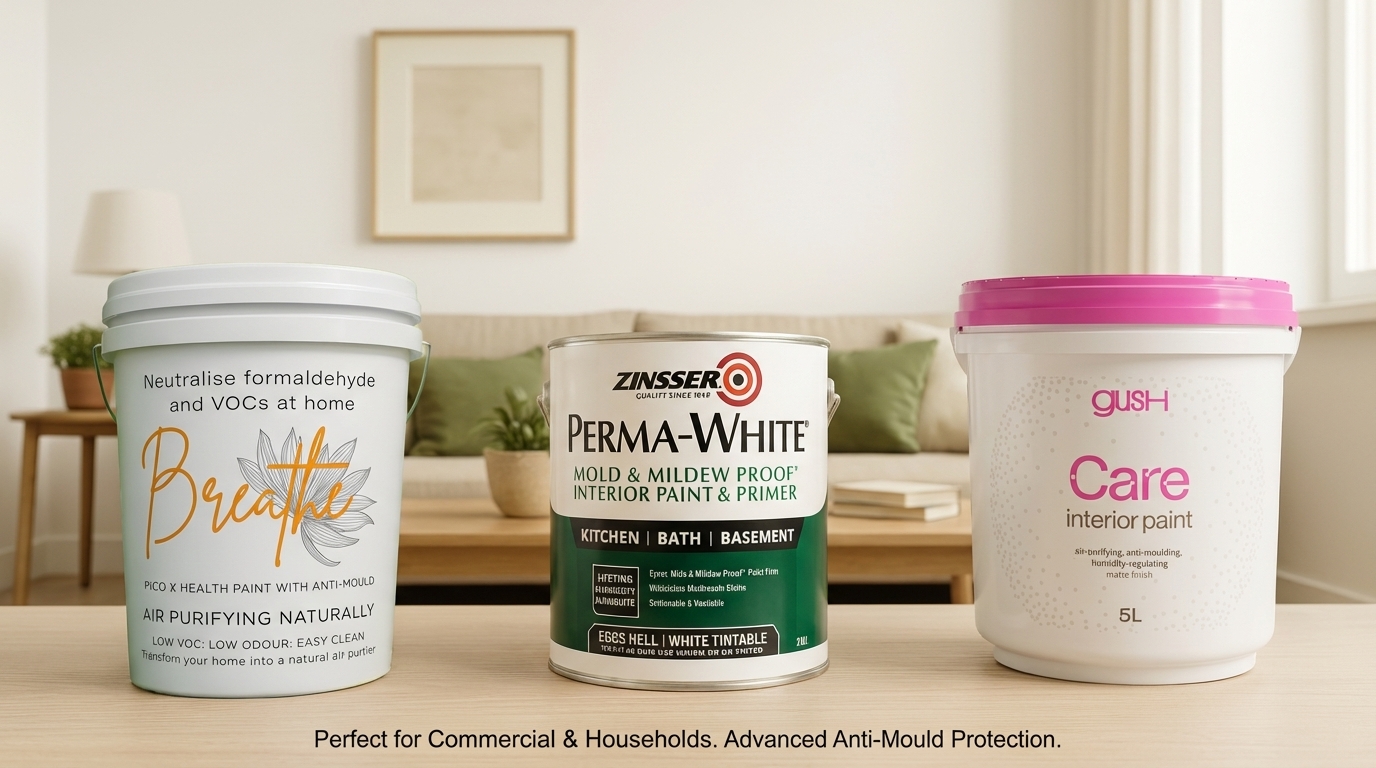
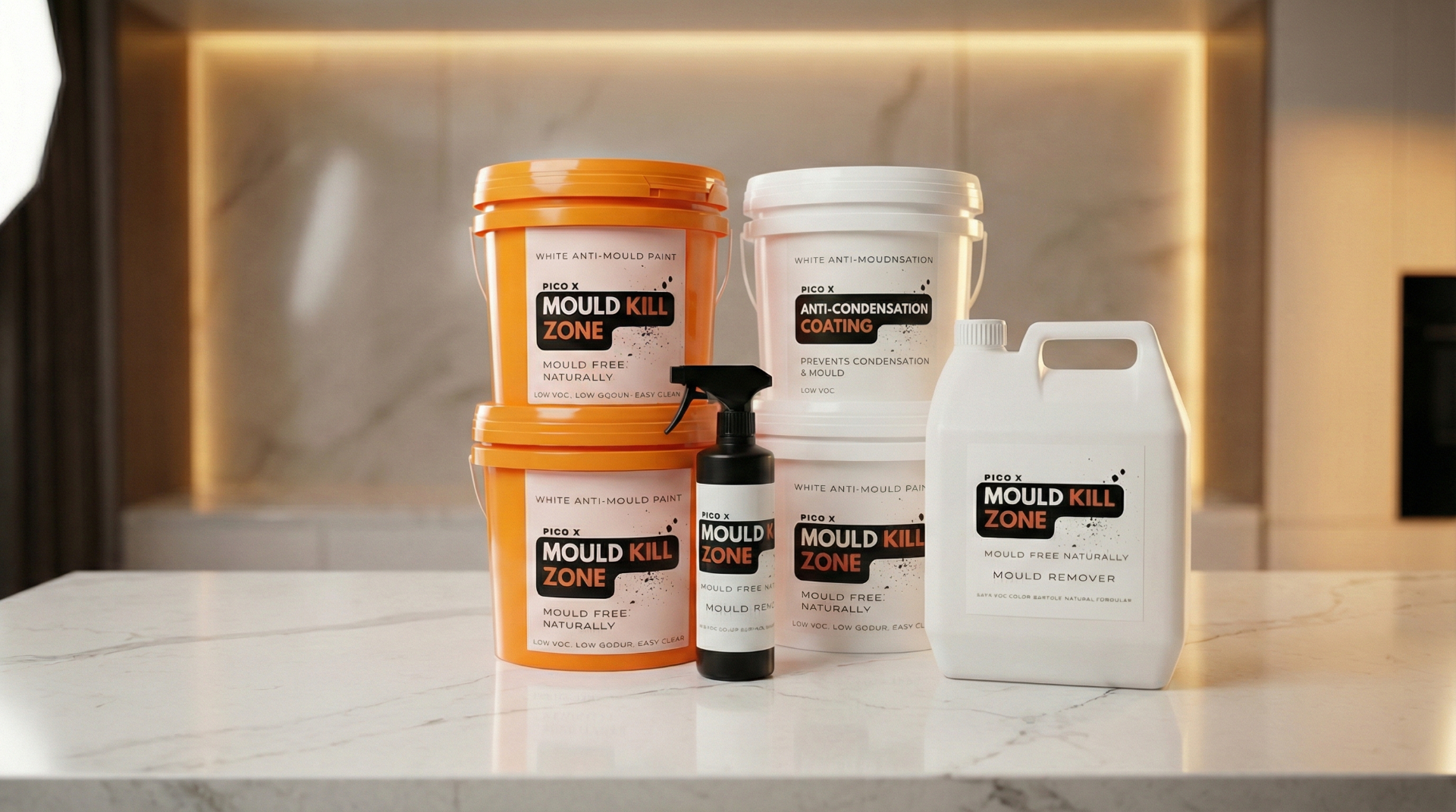
Products We Use & Recommend
Professional-grade equipment and coatings selected for Singapore's humid climate.
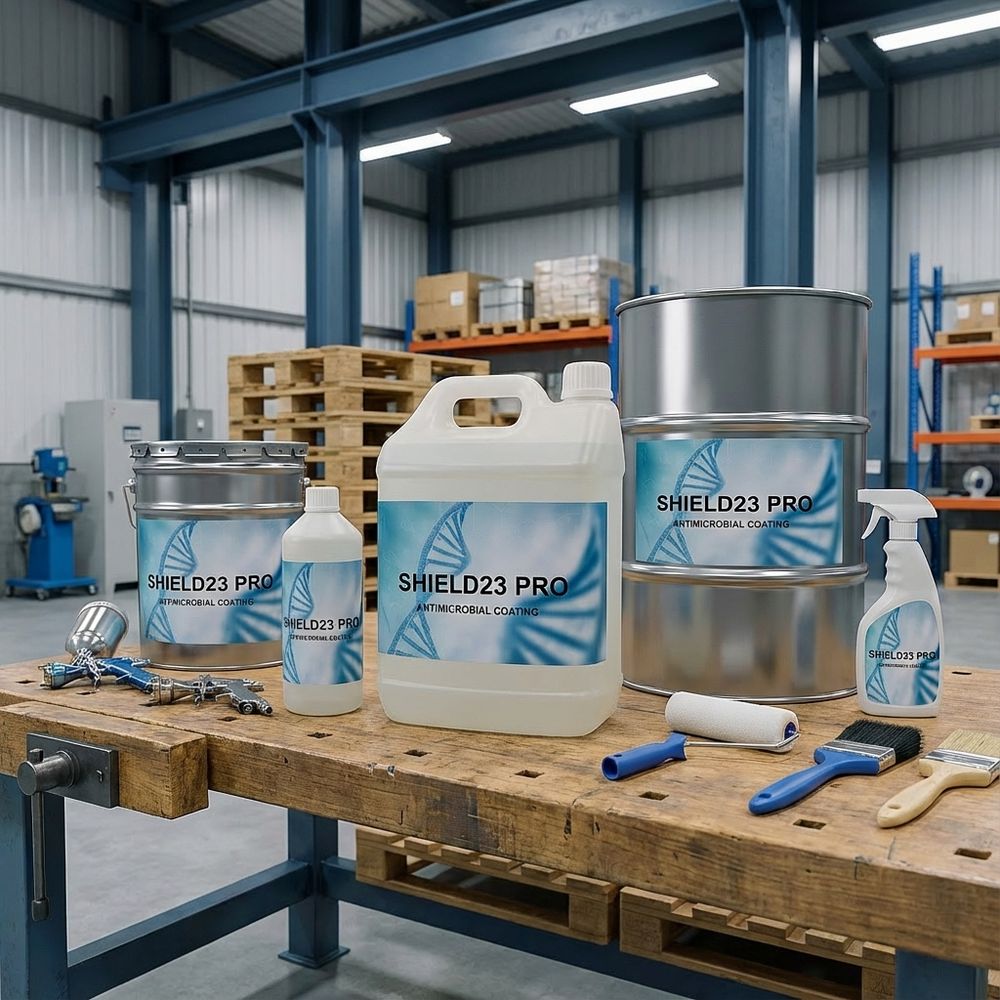
Shield23 Pro — Antimicrobial Coating
Long-life inorganic-ion defense applied by trained Pico X Health technicians across hospitals, F&B, schools, and homes.
Recommended Services
Pico X Health services most relevant to this topic.