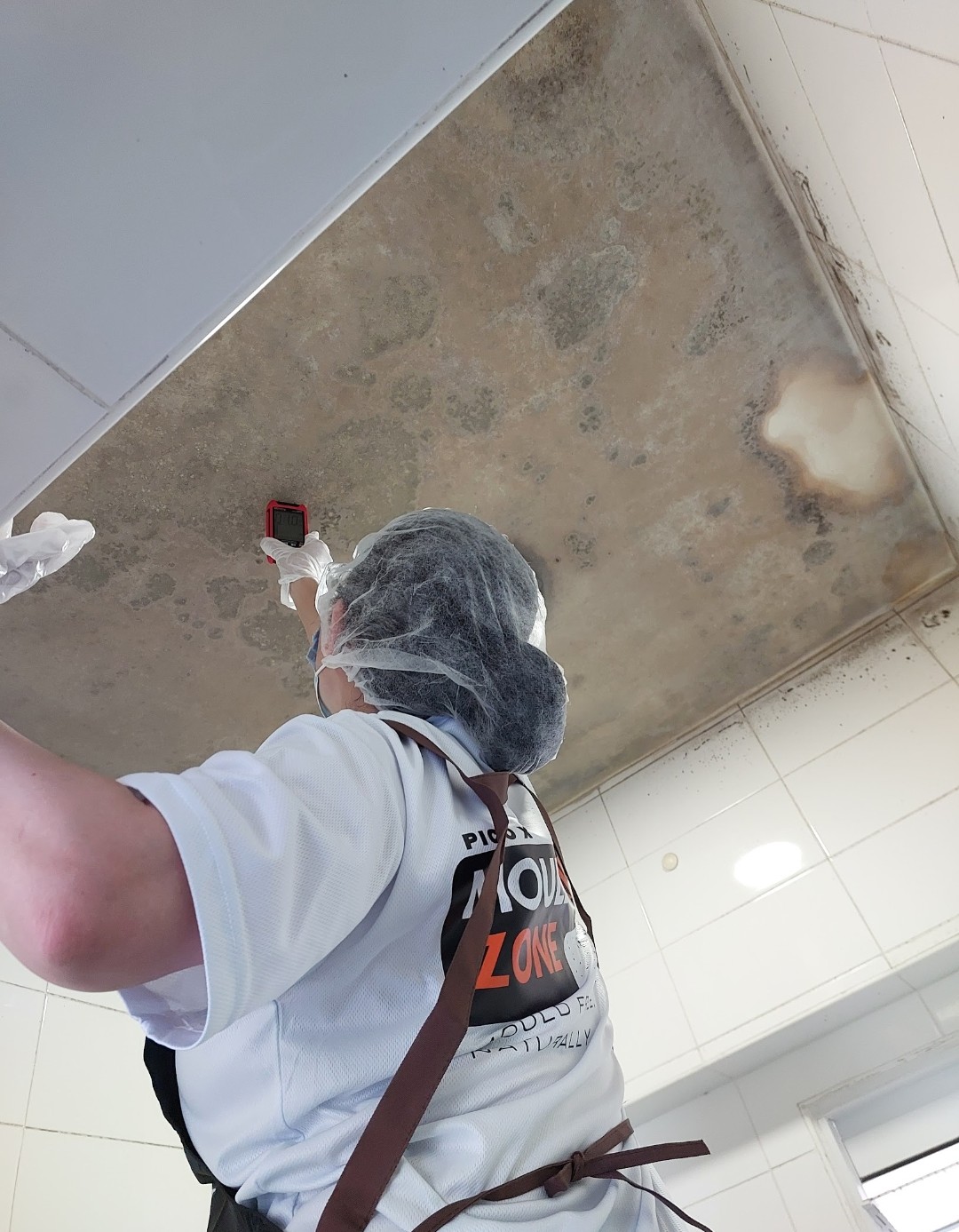
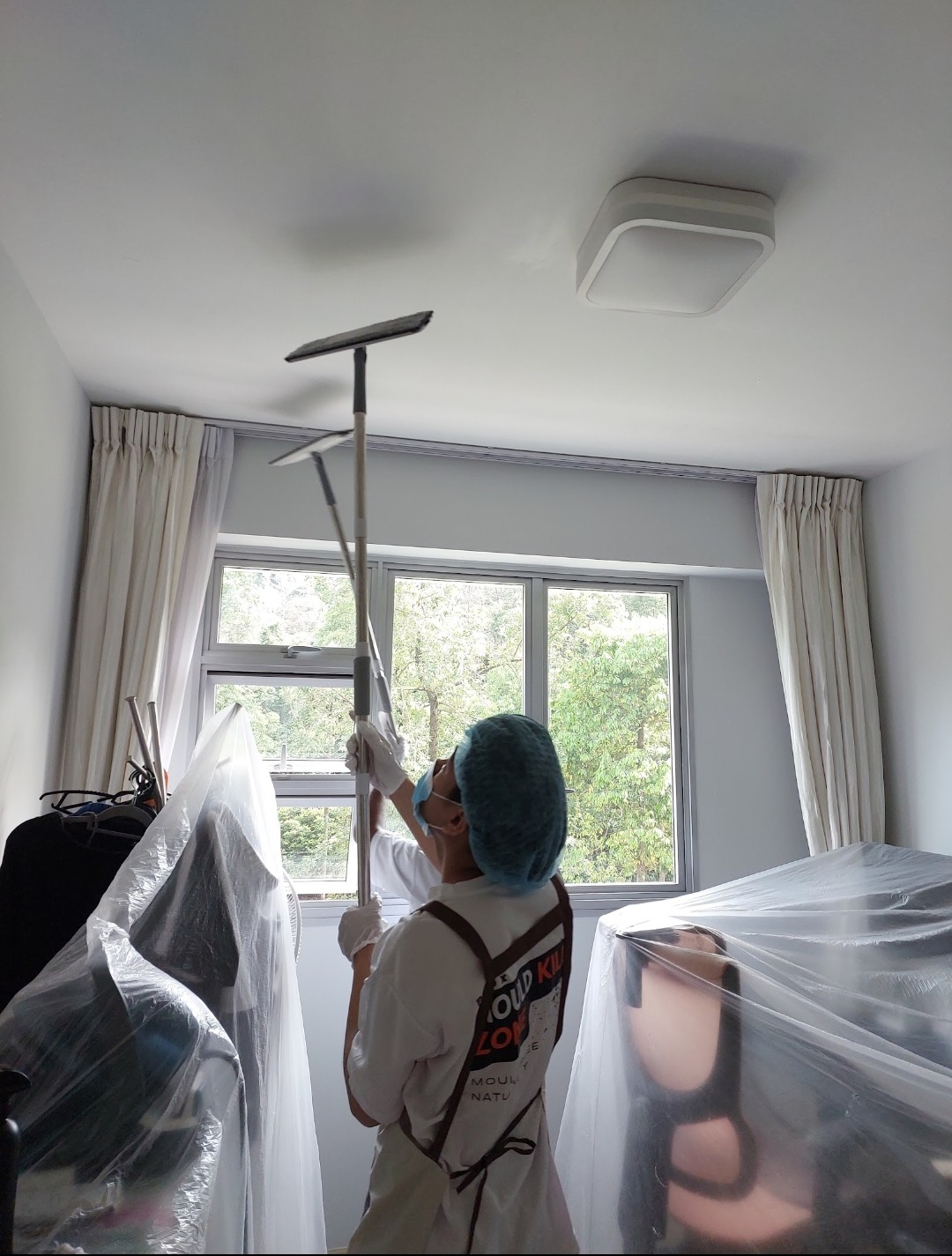
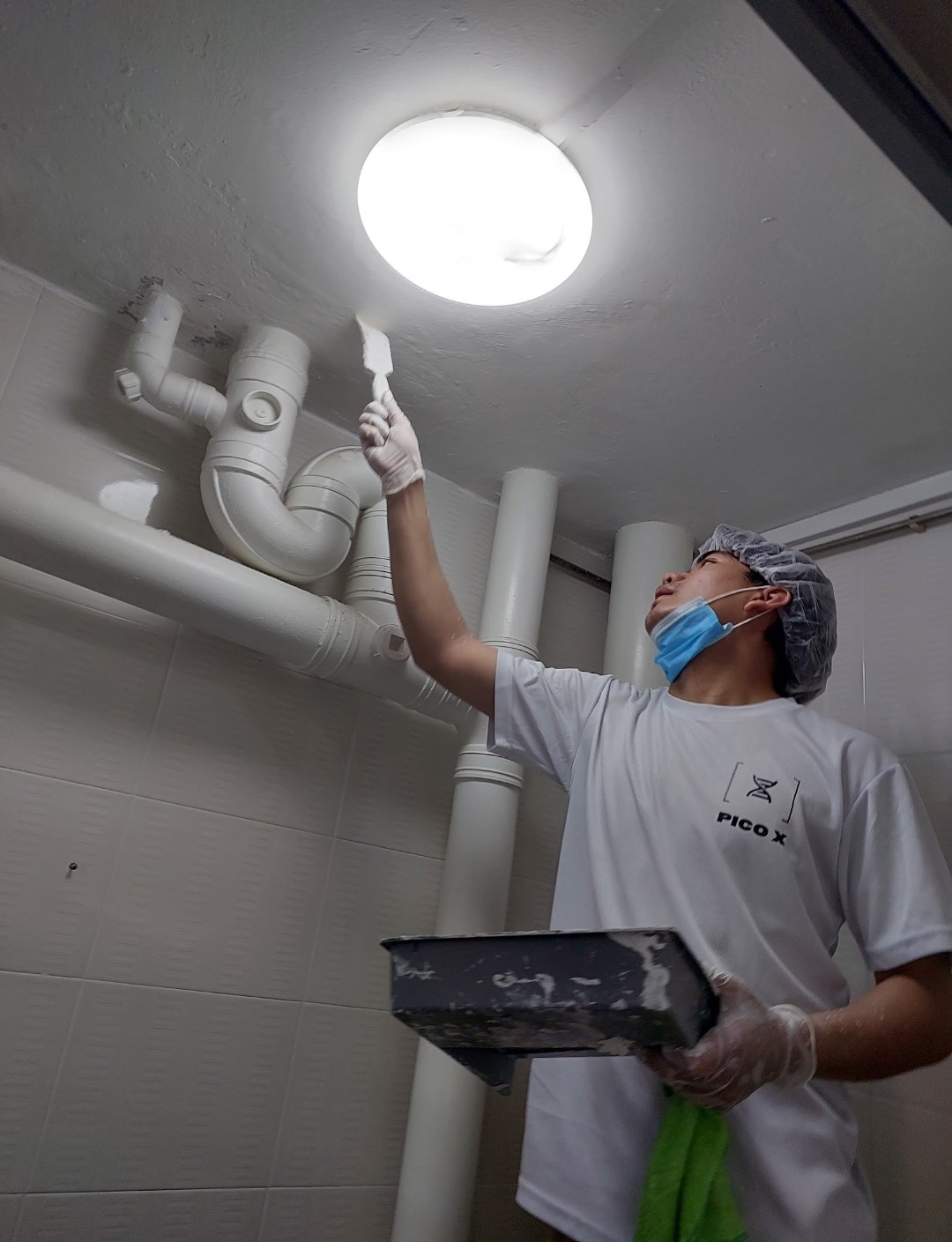
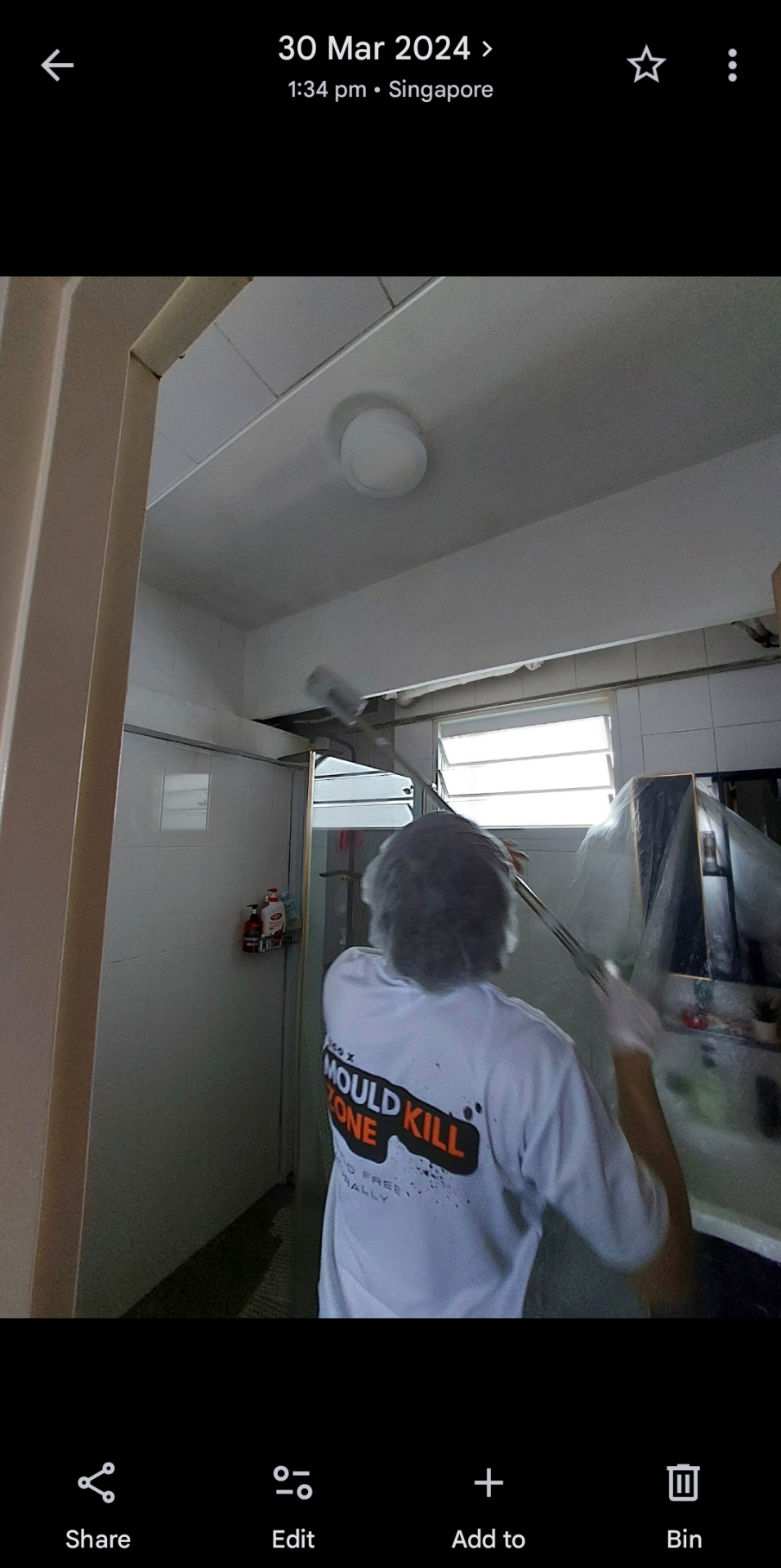
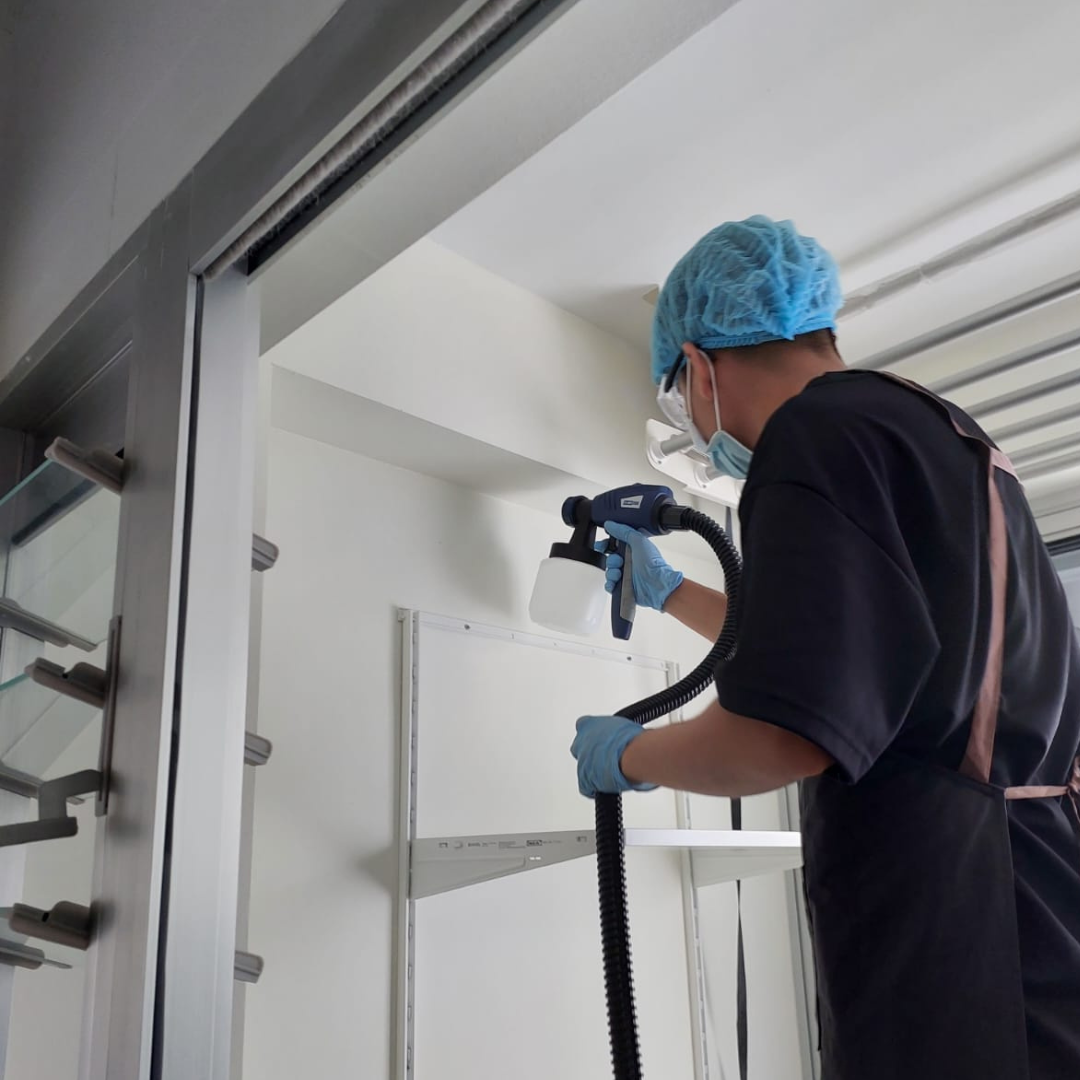
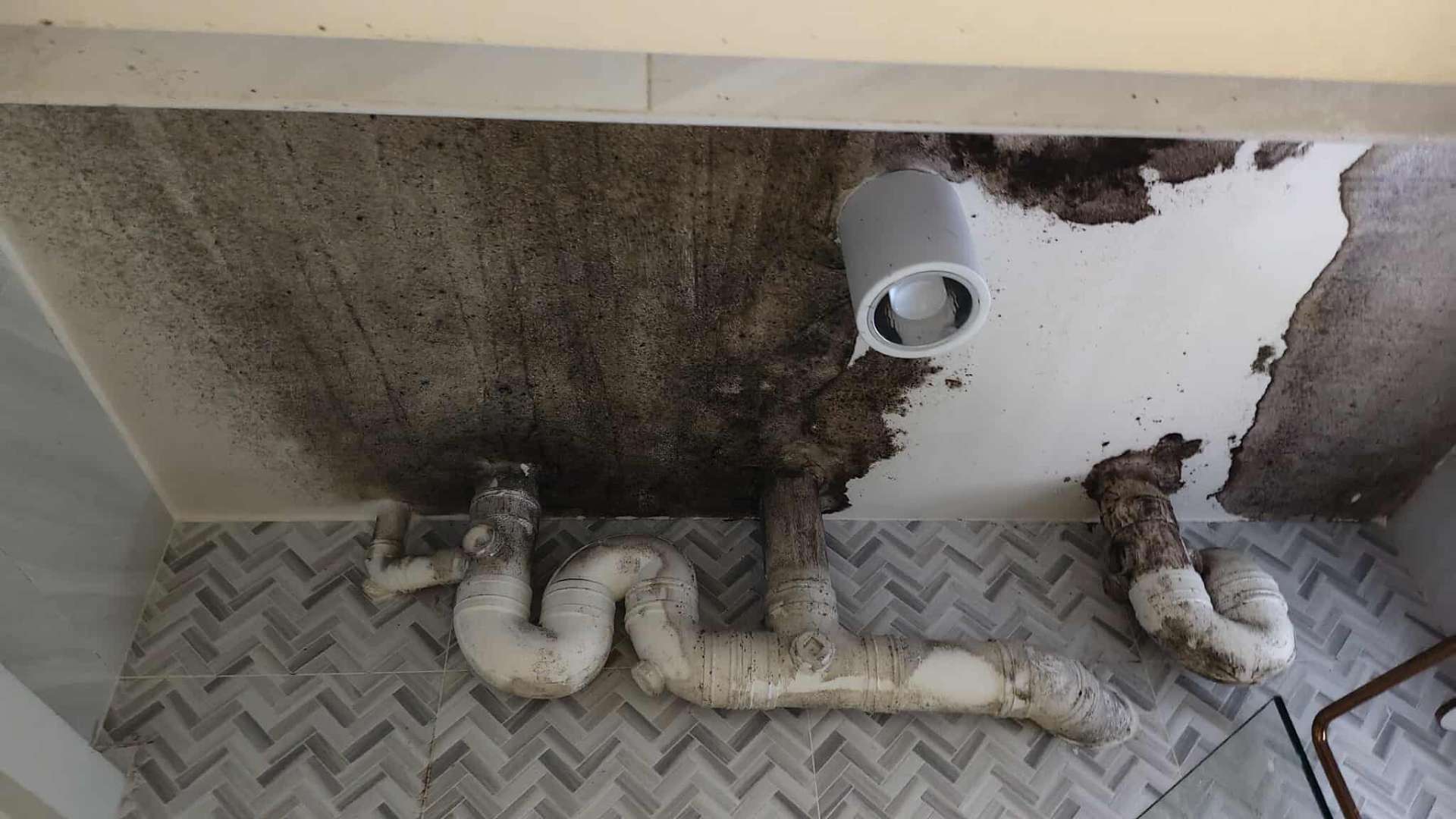
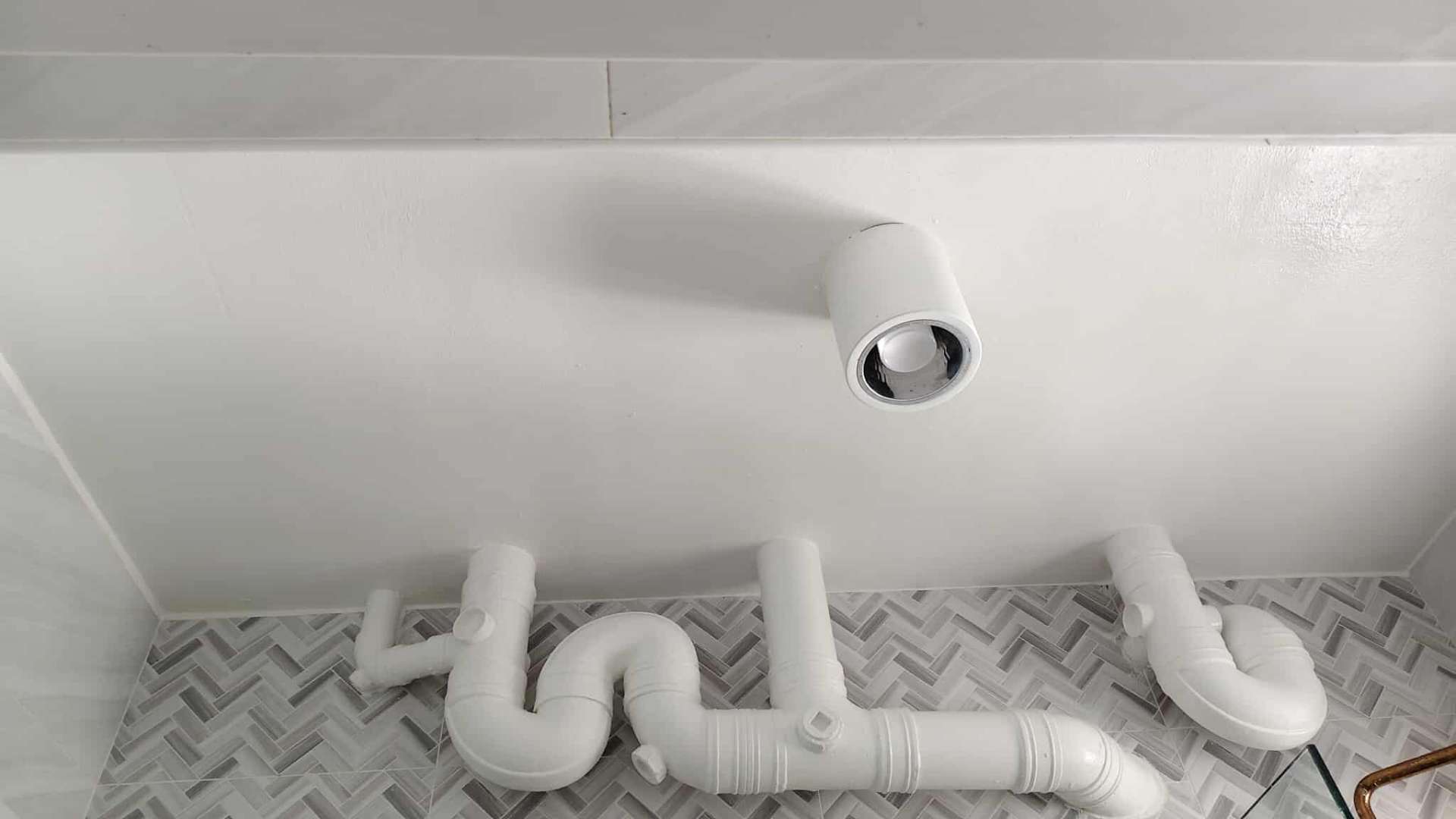
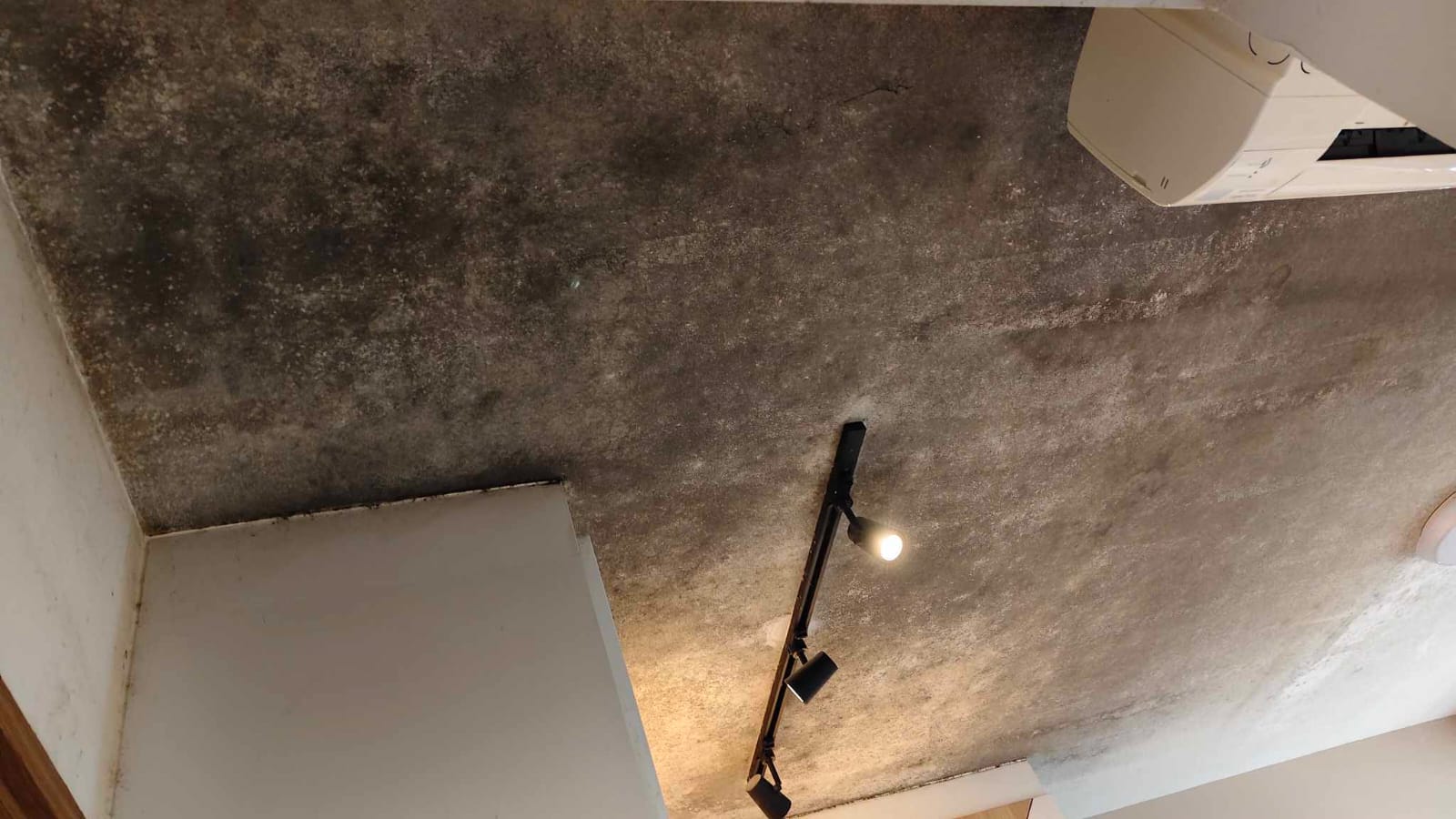
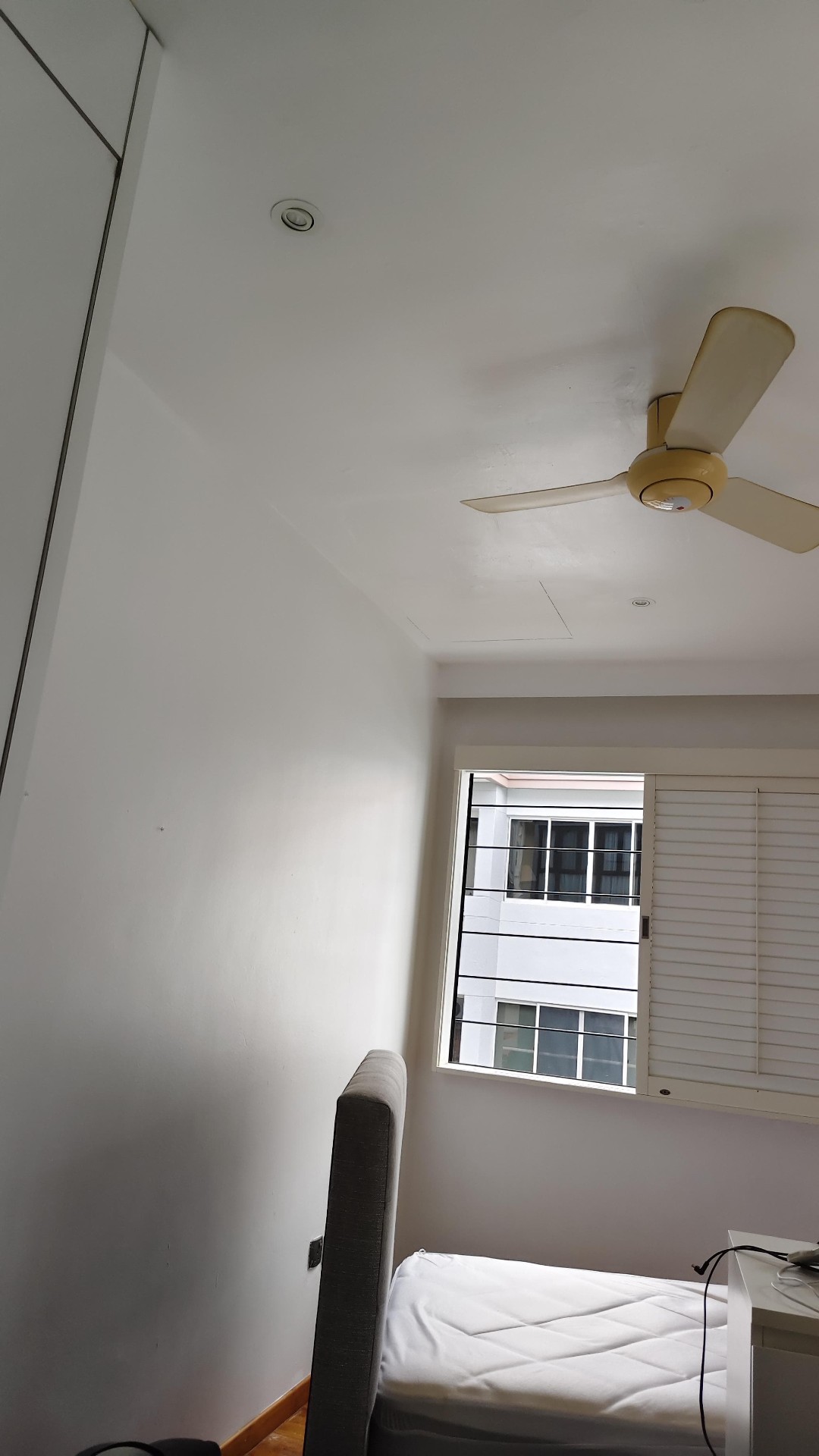
Unique Condo Mould Challenges
- Central Air-Conditioning: Temperature differentials between cooled interiors and humid exteriors
- High-Rise Factors: Wind patterns, facade water ingress, reduced natural ventilation
- Sealed Windows: Some developments have non-openable windows, limiting airflow
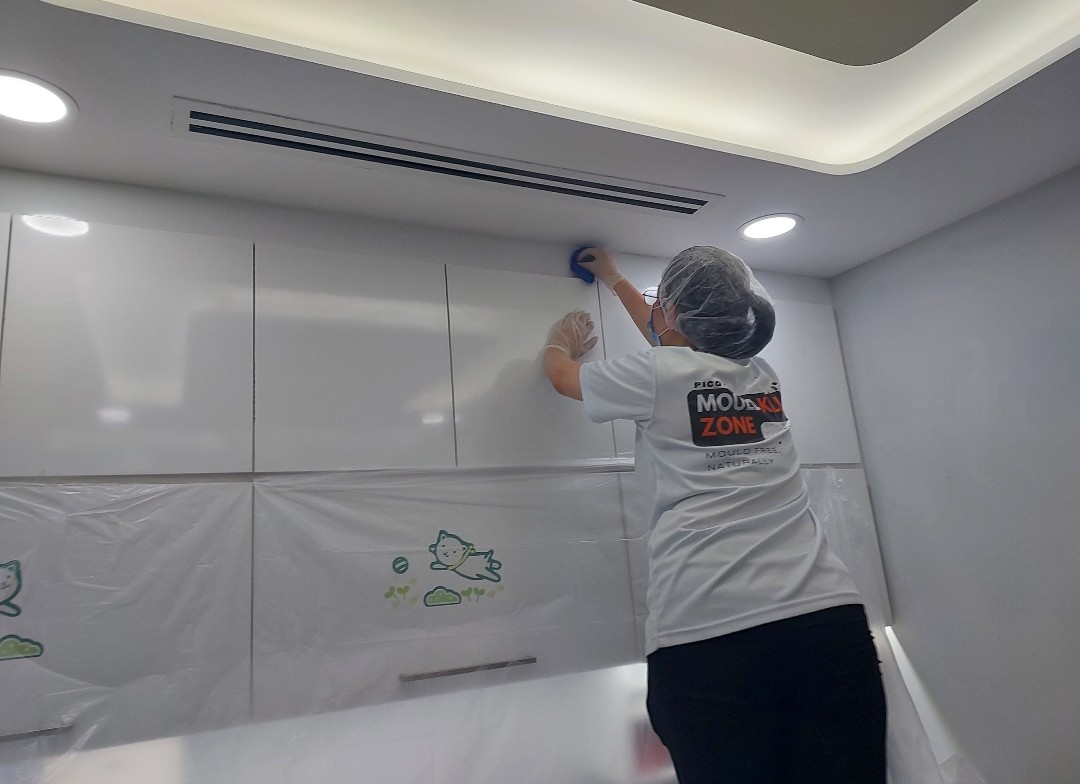
- Premium Finishes: Require specialized treatment to avoid damage
- Common Areas: Pools, gyms, and gardens increase ambient humidity
Free WhatsApp Inspection. No hard sell.
Send us a photo of your mould — most cases don't need a paid on-site inspection. We'll tell you honestly if a visit is needed, or quote you directly. Transparent pricing, zero obligation.
No hard sell. Transparent pricing. Reply within working hours.
MCST vs Owner Responsibility
MCST Responsibility
- External wall water ingress
- Common area mould issues
- Building facade defects
- Common pipe leaks affecting units
Owner Responsibility
- Internal unit mould from humidity
- Mould from poor ventilation habits
- Internal plumbing leaks
- Aircon-related condensation
Condo Mould Prevention Tips
- Maintain consistent aircon temperatures (avoid extreme cooling)
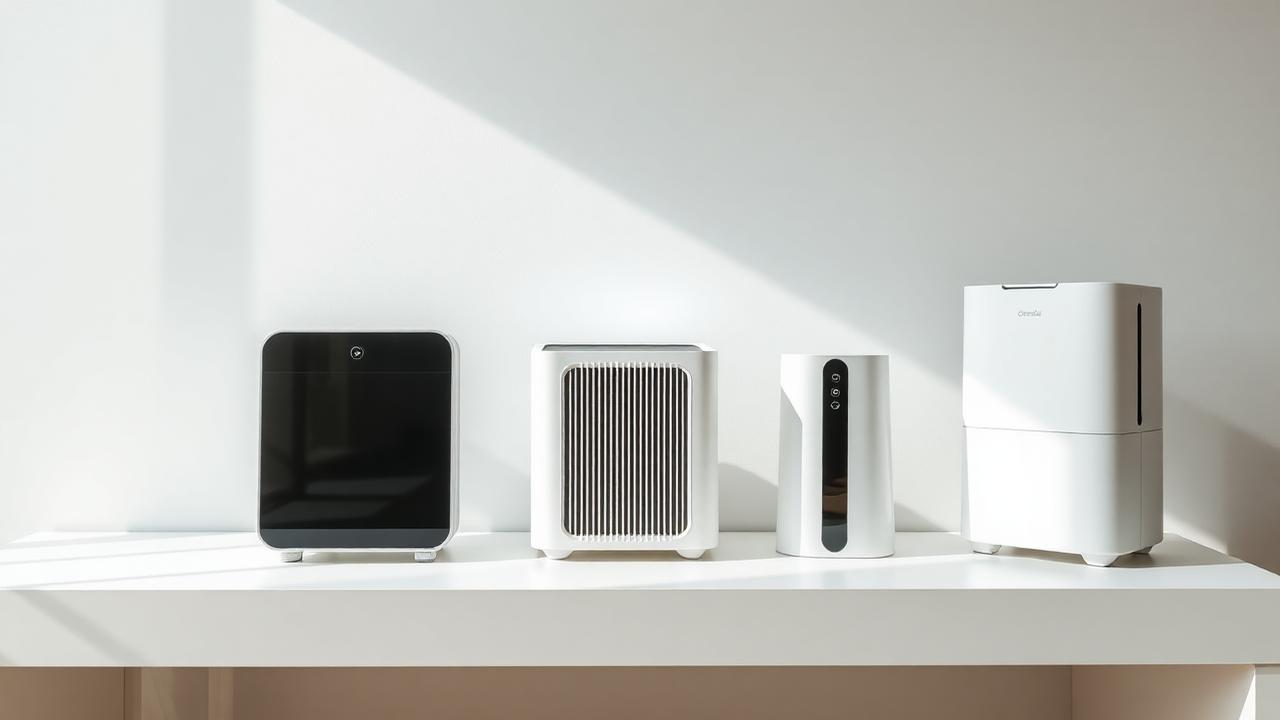
- Use dehumidifiers in enclosed rooms
- Ensure bathroom exhaust fans are functional
- Check for facade water ingress regularly
- Report building defects to MCST promptly
- Service aircon systems quarterly
Frequently Asked Questions
Why do Singapore condos get mould?
Condos face mould due to central air-conditioning creating temperature differentials, high-rise wind patterns affecting ventilation, sealed windows in some developments, and common areas like pools increasing ambient humidity.
Can MCST help with mould issues?
MCST is responsible for common areas and external walls. For mould caused by building defects, water ingress through facades, or common area issues, contact your MCST. Internal unit mould is typically the owner's responsibility.
How much does condo mould removal cost?
Condo mould removal typically costs $300-$2000 depending on unit size and severity. Premium finishes and high ceilings may increase costs. Free inspection and quote provided.
Do newer condos get mould?
Yes, even new condos can develop mould. Construction moisture, early occupancy before proper drying, and modern airtight designs can create conditions for mould growth.