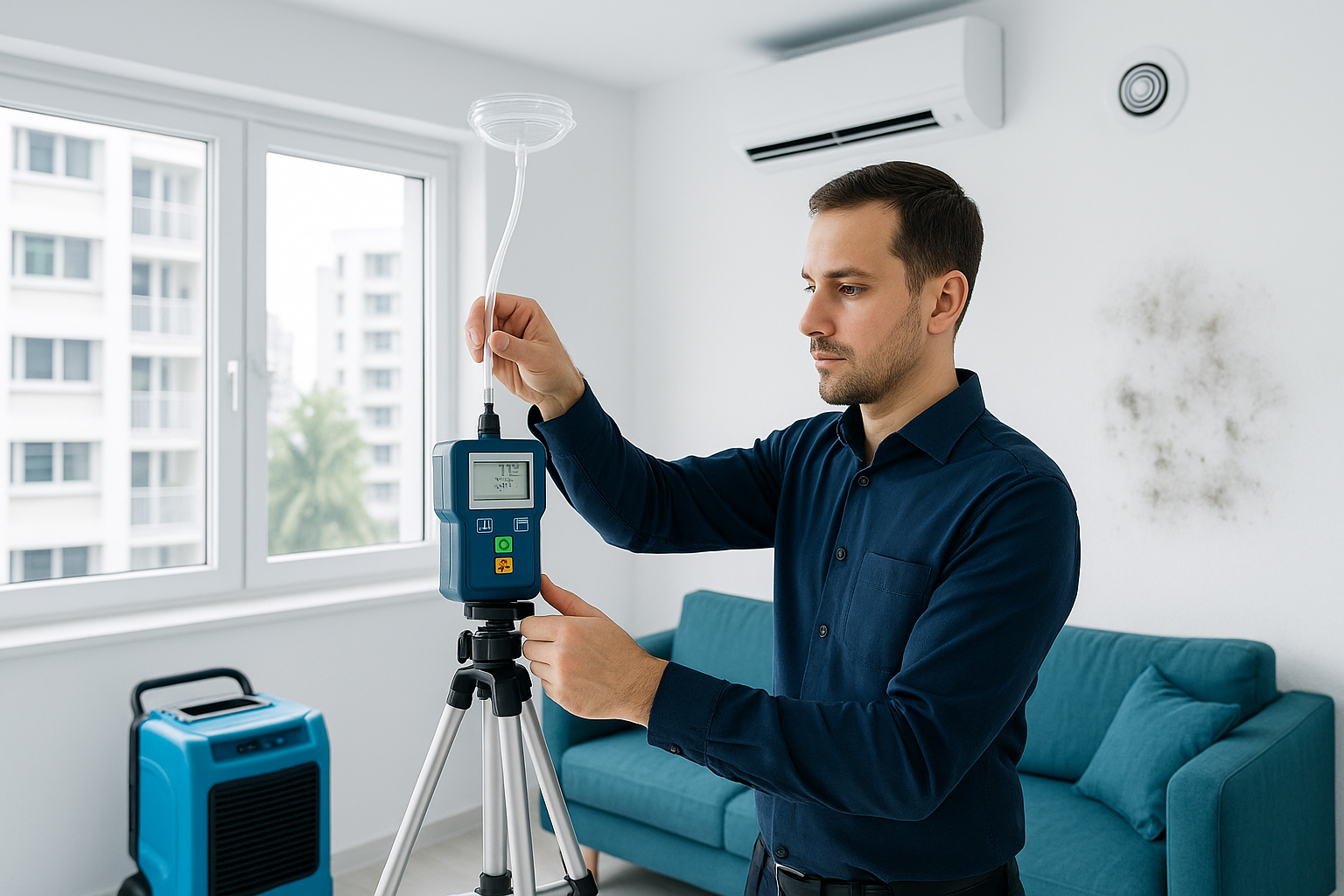
# Air Quality Testing After Mould Remediation: A Comprehensive Guide for Singapore Homeowners
Mould growth is an unfortunate reality for many homeowners in Singapore, thanks to our tropical climate characterized by high humidity and frequent rainfall. Whether you reside in an HDB flat, a condominium, or a landed property, the presence of mould can significantly affect your indoor air quality, leading to potential health issues and structural damage. While mould remediation is a crucial step in addressing this problem, ensuring the air quality is optimal post-remediation is equally important. This comprehensive guide will walk you through the essential aspects of air quality testing after mould remediation, tailored specifically for Singapore homeowners.
Understanding the Importance of Air Quality Testing
Why Air Quality Testing Matters
After mould remediation, one might assume the job is done. However, without confirming the effectiveness of the remediation process through air quality testing, the mould spores might still linger, posing health risks.
Key Stat: According to industry research, indoor air can be up to five times more polluted than outdoor air, primarily due to contaminants like mould spores.Health Implications of Poor Air Quality
Poor indoor air quality can lead to various health issues, including:
- Respiratory problems such as asthma and allergies
- Irritation of the eyes, nose, and throat
- Headaches and dizziness
- Long-term exposure risks, particularly for children and the elderly
Pro Tip: Regular air quality testing can help identify hidden mould issues before they escalate into costly repairs or health hazards.
The Unique Challenges of Singapore's Climate
High Humidity and Mould Growth
Singapore's climate provides an ideal breeding ground for mould. With average relative humidity levels often exceeding 80%, moisture accumulation is a common issue in both old and new properties.
Common Areas for Mould Growth in Singapore Homes
- Bathrooms and kitchens, due to frequent water usage
- Air conditioning units, where condensation can occur
- Wall cavities and ceilings, where leaks may go unnoticed
- Best Practice: Regularly inspect these areas and maintain ventilation to reduce moisture levels.
Industry Best Practices for Post-Remediation Air Quality Testing
Professional Standards and Procedures
Professional air quality testing involves several key steps to ensure thorough evaluation:
Choosing the Right Professionals
- Opt for specialists with extensive industry experience and professional training.
- Look for companies with a proven track record in handling local property types, whether HDB flats in Tampines, condos in Marina Bay, or landed properties in Bishan.
Warning: Avoid DIY air quality tests as they may not provide accurate results and can lead to a false sense of security.
Real-Life Examples: Mould Remediation Success Stories
Tampines HDB Flat
A family in Tampines experienced recurring mould issues despite multiple attempts at cleaning. Upon professional remediation and air quality testing, the mould problem was resolved, and the indoor air quality improved significantly.
Jurong Condo
In a Jurong condominium, mould was found in the air conditioning system. Post-remediation testing revealed that the air quality met industry standards, ensuring a safe living environment for the residents.
Landed Property in Bishan
A landed property in Bishan had extensive mould growth due to water leakage. Comprehensive remediation and follow-up air quality testing ensured the issue was fully addressed, with no recurrence.
Cost Considerations for Air Quality Testing in Singapore
Breakdown of Costs
Air quality testing costs can vary based on several factors:
- Size of the Property: Larger properties may require more extensive testing.
- Extent of Mould Remediation: Properties with significant mould issues might need more detailed analysis.
- Testing Methods Used: Different sampling and analysis methods may impact costs.
Investing in Your Home's Safety
While there is a cost associated with professional air quality testing, it is a worthwhile investment in ensuring the health and safety of your home and its occupants.
Conclusion: Ensuring a Mould-Free Environment
In Singapore's humid climate, mould remediation and subsequent air quality testing are essential components of maintaining a healthy home. By following industry best practices and engaging trained specialists, homeowners can ensure their living spaces are safe and comfortable.
Call to Action: Schedule a free inspection today to evaluate your home's air quality and address any lingering mould issues.Frequently Asked Questions
Why is air quality testing important after mould remediation?
Air quality testing is crucial after mould remediation to ensure that all mould spores have been effectively eliminated. Without testing, there might be residual spores that can affect indoor air quality and pose health risks. Testing provides assurance that the remediation was successful and the environment is safe for occupants.
How often should I conduct air quality testing in my Singapore home?
It is advisable to conduct air quality testing annually, especially in humid climates like Singapore where mould growth is prevalent. However, if you've recently had mould remediation, testing should be done immediately afterwards to ensure the effectiveness of the remediation process.
Can I perform air quality testing myself?
While there are DIY kits available, professional air quality testing is recommended for accurate results. Trained specialists use industry-standard methods and equipment to detect mould spores and other contaminants, providing a reliable analysis of your indoor air quality.
What are the signs that I need air quality testing in my home?
Signs indicating the need for air quality testing include persistent musty odours, visible mould growth, unexplained allergic reactions, or respiratory issues among occupants. If you notice any of these signs, it is important to conduct testing to identify and address potential air quality issues.
What should I expect from a professional air quality testing service?
A professional air quality testing service will conduct a thorough assessment of your home, collecting air and surface samples for analysis. You will receive a detailed report outlining the findings and any recommended actions to improve air quality, ensuring a safe and healthy living environment.