Bathroom Leaks Causing Mould? Here's How Waterproofing Can Help
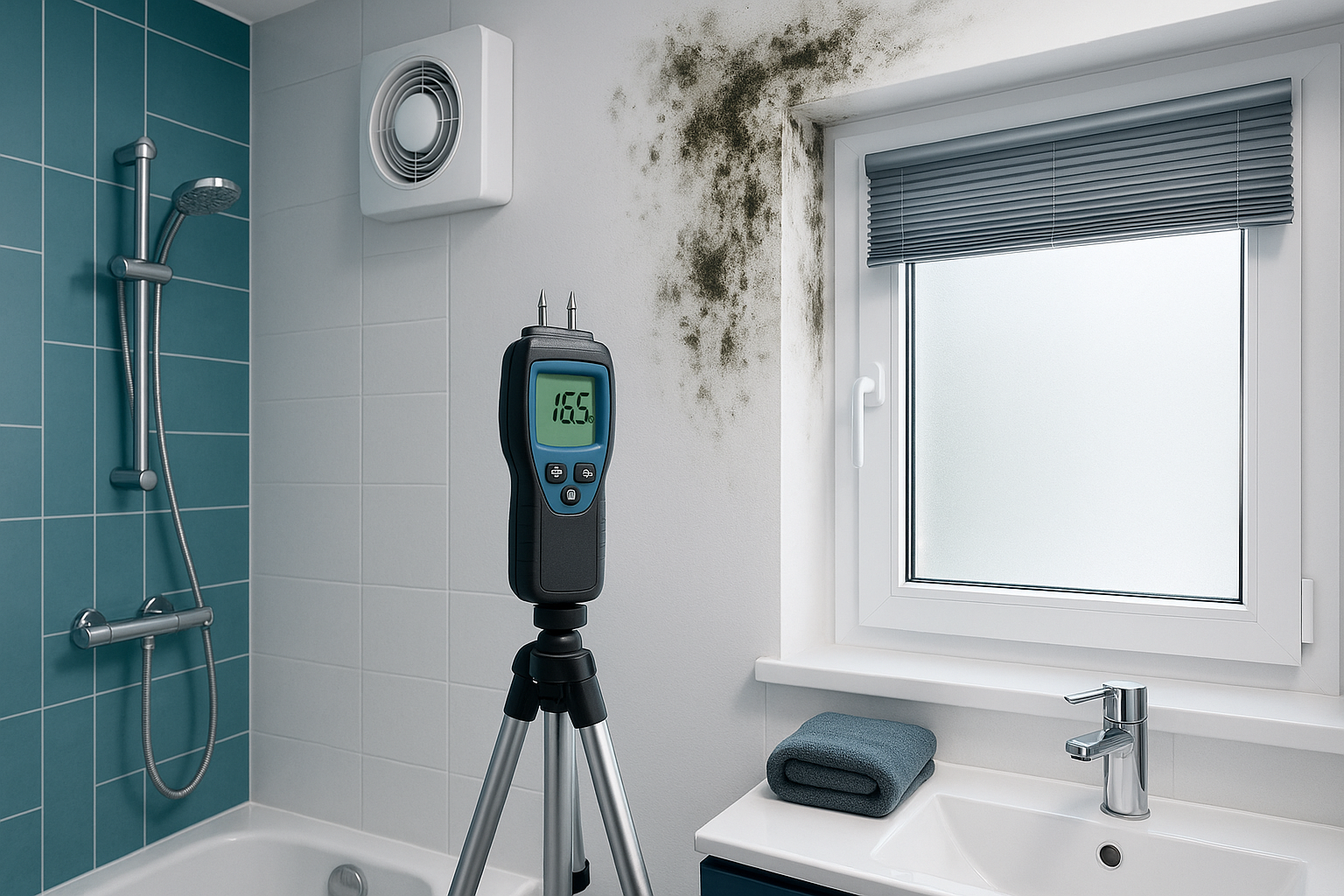
Mould growth is a common problem for homeowners across Singapore, especially in bathrooms where moisture levels can rise dramatically. While the humid climate of Singapore is a natural breeding ground for mould, bathroom leaks can exacerbate the situation, leading to significant health and structural issues. This article delves into how waterproofing can be an effective solution to this pervasive problem.
The Humid Reality of Singapore's Climate
Singapore's tropical rainforest climate is characterized by high humidity and consistent rainfall throughout the year. With an average relative humidity of about 84% and annual rainfall of approximately 2,340mm, it's no wonder that mould finds a comfortable home here. These climatic conditions create an environment where moisture accumulation is frequent, particularly in enclosed spaces like bathrooms.
Key Stat: In Singapore, bathrooms can experience humidity levels exceeding 95% during and after hot showers.
Understanding the Root Cause: Bathroom Leaks
Identifying Common Leak Sources
Bathroom leaks are often the result of various factors, including:
- Faulty plumbing: Pipes and fittings can deteriorate over time, leading to leaks.
- Poor sealing around fixtures: Inadequate sealing around bathtubs, sinks, and toilets.
- Cracks in tiles or grout: These can allow water to seep through to underlying structures.
Impact of Leaks on Mould Growth
Leaks provide a constant source of moisture, which is essential for mould spores to thrive. In spaces like Tampines or Jurong's high-rise HDB flats, even a small, unnoticed leak can lead to widespread mould infestation over time.
Warning: Mould not only damages property but also poses health risks, especially for individuals with respiratory issues or allergies.
Waterproofing: A Preventive Measure Against Mould
What is Waterproofing?
Waterproofing involves applying specialized materials and techniques to create a barrier that prevents water ingress. It is a critical step in protecting bathrooms from leaks and subsequent mould growth.
Types of Waterproofing Solutions
Pro Tip: For best results, employ professional-grade waterproofing materials and techniques to ensure long-lasting efficacy.
Implementation: How to Waterproof Your Bathroom
Step-by-Step Waterproofing Process
Best Practice: Always engage trained specialists with industry-standard experience to carry out waterproofing tasks.
Cost Considerations for Waterproofing in Singapore
The cost of waterproofing a bathroom in Singapore can vary based on several factors, including the size of the bathroom, the type of waterproofing solution chosen, and labour costs. Here's a breakdown:
- Liquid Membrane: S$500 to S$1,500
- Sheet Membrane: S$800 to S$2,000
- Cementitious Waterproofing: S$1,000 to S$2,500
Expert Insight: While the upfront cost may seem high, the long-term savings from preventing mould damage and maintaining property value are significant.
Preventive Tips for Mould-Free Bathrooms
Regular Checks and Maintenance
- Inspect plumbing fixtures regularly for signs of leaks.
- Ensure good ventilation with exhaust fans or windows.
- Use dehumidifiers to maintain a lower humidity level.
Choosing Mould-Resistant Materials
- Opt for mould-resistant paints and tiles.
- Use anti-fungal sealants around fixtures.
Pro Tip: Implementing these preventive measures can significantly reduce the risk of mould growth, even in Singapore's challenging climate.
Conclusion: Take Action Today
Bathroom leaks are more than just a nuisance—they can lead to severe mould issues if left unaddressed. Waterproofing offers a robust solution to protect your bathroom from leaks and the subsequent mould growth. With professional expertise and industry-best practices, you can safeguard your home and health. Contact us today to schedule a free inspection and take the first step towards a mould-free bathroom.
Frequently Asked Questions
Why is waterproofing important for Singapore homes?
Waterproofing is crucial in Singapore due to the high humidity and frequent rainfall, which can exacerbate bathroom leaks and mould growth. It forms a protective barrier that prevents water ingress, safeguarding your home from structural damage and health risks associated with mould.
How often should I inspect my bathroom for leaks?
It's advisable to inspect your bathroom for leaks at least twice a year. Regular inspections can help identify potential problem areas early, allowing for timely repairs and preventing mould growth.
Can I perform waterproofing myself, or should I hire professionals?
While some waterproofing tasks might seem manageable, hiring professionals is recommended for best results. Trained specialists have the expertise and access to professional-grade materials, ensuring a more effective and long-lasting solution.
What are the signs that my bathroom needs waterproofing?
Common signs include persistent dampness, visible mould growth, peeling paint, or musty odors. If you notice any of these signs, it may be time to consider waterproofing your bathroom to prevent further damage.
Are there any specific waterproofing solutions recommended for HDB flats?
For HDB flats, liquid membrane waterproofing is often recommended due to its versatility and ease of application. It's effective in small, enclosed spaces and provides a seamless barrier against moisture.