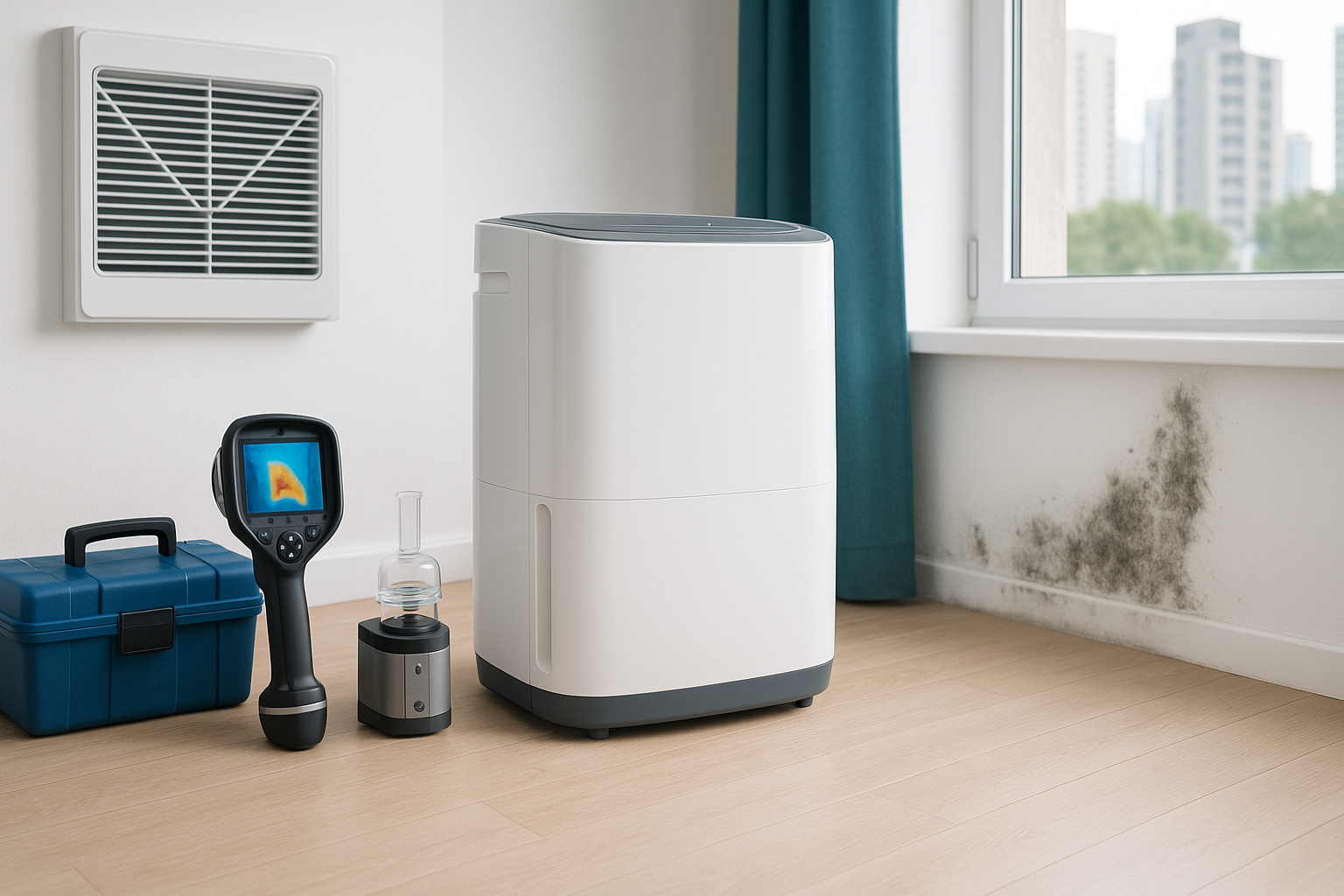
Key Features to Consider
- Capacity (L/day) - Higher for larger spaces or severe humidity
- Tank size - Larger tanks need less frequent emptying
- Continuous drainage - Essential for unattended operation
- Noise level - Important for bedroom use
- Energy efficiency - Look for 3-tick or higher rating
- Auto-humidity control - Maintains set humidity level
Top Recommendations
For Small Rooms (up to 20 sqm)
Xiaomi Smart Dehumidifier 13L - Affordable, app-controlled, quiet operation.
For Medium Rooms (20-40 sqm)
Sterra Sun Pro 20L - Powerful, energy-efficient, with HEPA filter.
For Large Spaces (40+ sqm)
Novita ND25.5 - Industrial strength, continuous drainage, commercial grade.
Frequently Asked Questions
What size dehumidifier do I need for my HDB flat?
For a 3-room HDB (60-70 sqm): 12-16L/day capacity. For a 4-room HDB (80-90 sqm): 16-20L/day. For a 5-room HDB (100-110 sqm): 20-25L/day. These are guidelines for whole-flat use; for single rooms, a 10L/day unit is usually sufficient.
How much electricity does a dehumidifier use in Singapore?
A typical 12L dehumidifier uses 200-300W and running 8 hours daily costs about $15-25/month at current electricity rates. Look for models with 3-tick energy rating for better efficiency. Many modern units have auto-stop features that reduce running costs.
Should I run my dehumidifier 24/7?
Not necessarily. Run it during peak humidity periods (mornings and evenings) or when indoor humidity exceeds 60%. Most units have auto-humidity settings that cycle on/off to maintain your target level. Continuous running wastes electricity if humidity is already controlled.
Can a dehumidifier replace air conditioning for humidity control?
Dehumidifiers and ACs serve different purposes. ACs cool air and reduce humidity as a side effect, but may over-cool rooms. Dehumidifiers specifically target moisture without significantly changing temperature. For optimal mould prevention in Singapore, many homes benefit from using both strategically.