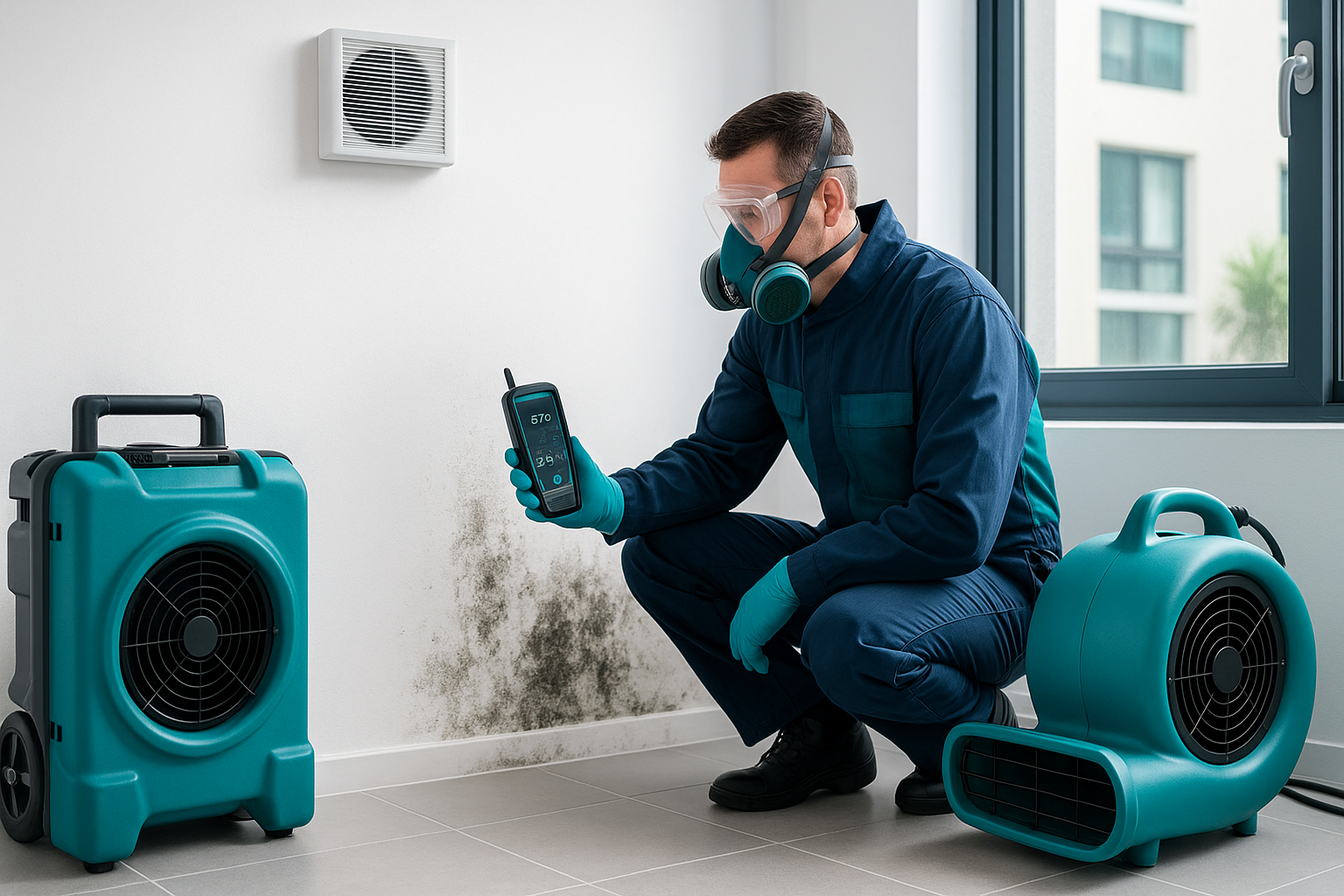
# Best Practices for Safe Mould Remediation in Singapore Homes
Mould is an uninvited guest that can cause significant damage to your home and health if not addressed promptly. In Singapore, where the tropical climate creates the perfect breeding ground for mould, understanding and implementing safe mould remediation practices is crucial for homeowners. With over 15 years of industry experience, we provide expert insights on how to effectively manage mould issues in HDB flats, condominiums, and landed properties.
Understanding Singapore's Climate and Its Impact on Mould Growth
Singapore’s climate is characterised by high humidity and consistent rainfall throughout the year. This creates ideal conditions for mould growth, especially in poorly ventilated spaces. According to data from the Meteorological Service Singapore, the average relative humidity is around 84.2%, with temperatures ranging from 25°C to 31°C. These conditions accelerate mould proliferation, particularly in areas like bathrooms, kitchens, and basements.
Climate Challenges in Singapore
- High Humidity: Promotes moisture retention in walls and ceilings.
- Consistent Rainfall: Increases the risk of water intrusion and leaks.
- Tropical Temperatures: Speed up mould spore germination and growth.
Key Stat: High humidity levels above 70% can significantly increase the risk of mould growth in indoor environments.
Identifying Mould in Your Home
Before tackling mould, it’s essential to identify its presence and extent. Mould can appear in various forms and colours, often resembling dark spots, fuzzy patches, or discolouration on surfaces. In Singapore, common household moulds include Aspergillus, Cladosporium, and Penicillium.
Common Areas Affected by Mould
- Bathrooms: High humidity and frequent water usage make bathrooms a prime location for mould.
- Kitchens: Steam from cooking and poor ventilation can lead to mould on walls and ceilings.
- Bedrooms and Living Rooms: Air conditioning units and closed windows can trap moisture, promoting mould growth.
Expert Insight: Regular inspections of these areas can help in early detection and prevention of extensive mould damage.
Industry-Standard Mould Remediation Techniques
Professional mould remediation involves a series of industry-standard practices designed to safely and effectively remove mould from your home. Here’s an overview of the best practices followed by trained specialists.
Assessment and Containment
Removal and Cleaning
- Surface Cleaning: Use professional-grade cleaning agents to remove mould from non-porous surfaces.
- Material Removal: For porous materials like drywall and carpet, complete removal may be necessary as mould can penetrate below the surface.
Dehumidification and Ventilation
- Dehumidifiers: Employ dehumidifiers to reduce indoor humidity levels and prevent future mould growth.
- Improved Ventilation: Install exhaust fans and open windows to enhance airflow and reduce moisture build-up.
Best Practice: Always wear protective gear, including masks and gloves, during mould removal to avoid inhaling spores.
Cost of Mould Remediation in Singapore
The cost of mould remediation in Singapore can vary depending on the severity of the infestation and the size of the affected area. Here’s a basic breakdown:
- Inspection and Assessment: S$100 - S$300
- Containment and Removal: S$300 - S$1,500 depending on the area size
- Cleaning and Dehumidification: S$200 - S$800
Factors Affecting Cost
- Extent of Mould Infestation: Larger infestations require more resources and time.
- Property Type: Costs may vary between HDB flats, condos, and landed properties due to structural differences.
- Materials Affected: Replacing materials like drywall or carpeting can increase costs.
Pro Tip: Regular maintenance and inspections can prevent costly repairs and extensive mould damage.
Preventing Mould Growth in Singapore Homes
Prevention is always better than cure. Implementing preventive measures can significantly reduce the risk of mould in your home.
Regular Maintenance
- Leak Repairs: Promptly fix any leaks in roofs, walls, or plumbing.
- Air Conditioning Maintenance: Regularly clean and service air conditioning units to prevent moisture build-up.
Humidity Control
- Use of Dehumidifiers: Maintain indoor humidity below 60% using dehumidifiers.
- Ventilation: Ensure proper ventilation in high-moisture areas like bathrooms and kitchens.
Warning: Ignoring small mould patches can lead to larger infestations and more serious damage over time.
Conclusion
Mould remediation is an essential process for maintaining a healthy home environment in Singapore. By following industry-standard practices and engaging experienced professionals, homeowners can effectively manage and prevent mould issues. If you suspect mould in your home, don't hesitate to schedule a free inspection with our trained specialists today.
---
Frequently Asked Questions
What are the common signs of mould in Singapore homes?
Common signs of mould include musty odours, visible dark spots or discolouration on walls and ceilings, and increased allergic reactions such as sneezing or coughing. In Singapore, bathrooms and kitchens are particularly susceptible due to high humidity.
How can I prevent mould growth in my HDB flat?
To prevent mould growth in HDB flats, ensure proper ventilation by using exhaust fans, especially in bathrooms and kitchens. Regularly check for leaks and repair them promptly. Using dehumidifiers can also help maintain indoor humidity levels below 60%.
Is professional mould remediation expensive?
The cost of professional mould remediation varies based on the severity of the infestation and the size of the affected area. In Singapore, costs typically range from S$300 to S$1,500 for containment and removal. Preventive maintenance can help avoid higher costs associated with severe infestations.
What should I do if I find mould in my landed property?
If you find mould in your landed property, it's important to address the issue promptly. Start by identifying and fixing any moisture sources. Contact a professional mould remediation specialist to assess the extent of the infestation and safely remove the mould.
Are there specific mould species common in Singapore?
Yes, in Singapore, some common mould species include Aspergillus, Cladosporium, and Penicillium. These moulds thrive in humid environments, making regular inspections and preventive measures crucial to controlling their growth in homes.