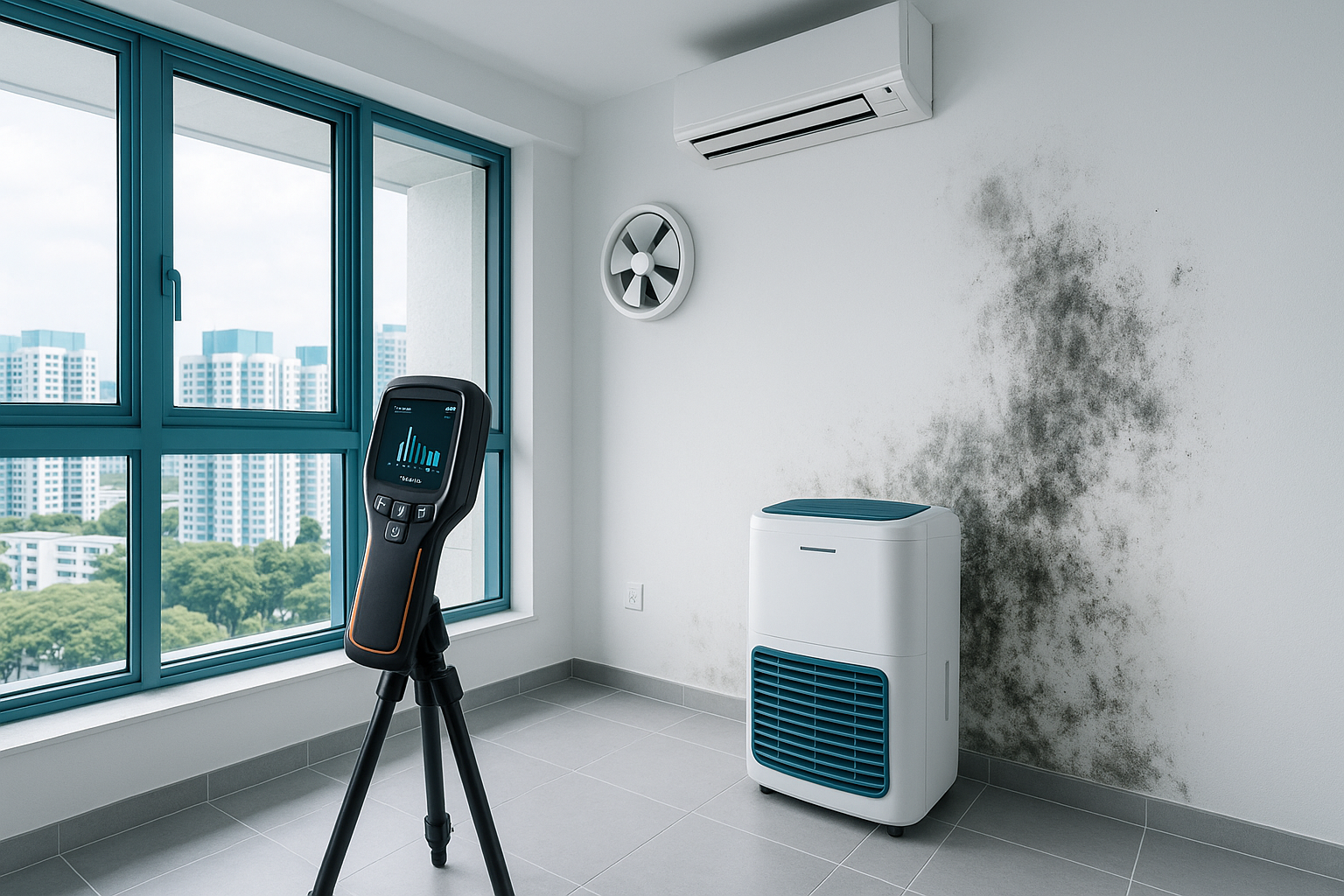
# Coastal Living in Singapore: Managing Salt Air and Mould
Living close to the coast in Singapore offers unparalleled views, a refreshing breeze, and a sense of serenity that many homeowners cherish. However, this idyllic lifestyle comes with its own set of challenges, particularly the relentless battle against salt air and mould. In a city-state surrounded by water, managing these elements becomes crucial for maintaining healthy living spaces.
Pro Tip: Embracing proactive mould prevention strategies can save homeowners thousands in repairs and health-related costs.In this comprehensive guide, we explore the unique challenges of coastal living in Singapore, providing insights and actionable solutions tailored for HDB flats, condominiums, and landed properties. By understanding the interplay between Singapore's climate, salt air, and mould growth, homeowners can ensure their properties remain safe, durable, and aesthetically pleasing.
Understanding Singapore's Coastal Climate
Climate Characteristics
Singapore's tropical climate is characterized by high humidity levels, averaging around 84% annually, and temperatures consistently ranging between 25°C to 31°C. This warm, moist environment is ideal for mould growth. Coastal areas, such as Marina Bay and East Coast, experience heightened exposure to salt air, which can exacerbate the issue.
- High Humidity: Encourages mould spores to germinate and thrive.
- Saline Environment: Salt air accelerates the corrosion of building materials, weakening defences against moisture ingress.
Impact on Different Property Types
HDB Flats
- Typically constructed with concrete and steel, HDB flats are prone to moisture retention, especially in older blocks.
- Common areas, such as bathrooms and kitchens, are frequent hotspots for mould due to poor ventilation.
Condominiums
- Often feature modern designs with large windows, increasing exposure to external elements.
- Air conditioning systems, if not maintained properly, can become breeding grounds for mould.
Landed Properties
- Greater surface area exposure to salt air can lead to more significant mould issues, particularly in basements and attics.
- Gardens and outdoor spaces may also harbour mould, affecting indoor air quality when spores are carried inside.
The Relationship Between Salt Air and Mould
How Salt Air Contributes to Mould Growth
Salt air not only causes corrosion but also affects the integrity of paint and sealants used on buildings. When these protective layers are compromised, moisture can seep into the structure, creating an ideal environment for mould.
- Corrosion of Materials: Accelerates deterioration of building facades, allowing more moisture penetration.
- Compromised Sealants: Leads to unnoticed leaks and damp spots, especially in window sills and door frames.
Preventive Measures
- Regularly inspect and maintain exterior paint and sealants to ensure they remain intact.
- Use anti-corrosive materials and coatings when renovating or building new structures near the coast.
Mould Prevention and Management Strategies
For HDB Mould Prevention
For Condominiums
- Air Conditioner Maintenance: Clean filters regularly and service units bi-annually to prevent mould growth within the system.
- Window Insulation: Invest in high-quality sealants and weather-stripping to prevent moisture ingress.
- Moisture Barriers: Consider installing vapour barriers in walls adjacent to bathrooms and kitchens.
For Landed Properties
- Landscaping: Design gardens to direct water away from building foundations.
- Roof and Gutter Maintenance: Regularly clear gutters and inspect roofs for leaks to prevent water accumulation.
- Basement Waterproofing: Apply waterproofing coatings to basement walls and floors to prevent dampness.
Local Regulations and NEA Guidelines
Compliance with NEA Mould Guidelines
The NEA provides guidelines for maintaining indoor air quality, emphasizing the importance of managing humidity levels and ensuring proper ventilation. Adhering to these guidelines not only mitigates mould risks but also enhances overall indoor air quality.
- Indoor Humidity Control: Aim to maintain indoor humidity levels between 30% and 50%.
- Ventilation Standards: Ensure that ventilation systems are effective and comply with local building codes.
Legal Responsibilities
Homeowners are responsible for maintaining their properties in a manner that does not adversely affect the health of occupants or neighbors. Failure to address mould issues can result in legal consequences and affect property values.
- Tenant Protection: Landlords must ensure rental properties are free from mould issues before leasing.
- Insurance Policies: Understand your coverage regarding mould damage and ensure it aligns with local regulations.
Cost Considerations and Budgeting
Estimating Remediation Costs
Mould remediation costs in Singapore can vary significantly based on the extent of the infestation and the type of property. On average, homeowners can expect to spend between S$500 and S$5,000 for professional services.
- Minor Infestations: Typically range from S$500 to S$1,500.
- Extensive Damage: Can escalate to S$5,000 or more, particularly for landed properties with significant structural damage.
Budget-Friendly Prevention Tips
- Invest in dehumidifiers and air purifiers, which can cost between S$200 and S$1,000, to maintain optimal indoor air conditions.
- Use DIY mould removal solutions, such as vinegar and baking soda mixtures, for minor surface mould.
Conclusion
Coastal living in Singapore offers unmatched beauty and serenity, but it requires a proactive approach to managing salt air and mould. By understanding the unique challenges posed by Singapore's climate and implementing effective prevention strategies, homeowners can protect their properties and enhance their quality of life.
Call to Action: Don't let mould compromise your home's health and safety. Schedule a free inspection with our expert mould remediation team today to ensure your property remains mould-free.For more information on mould removal in Singapore and personalized advice for your home, contact us now.