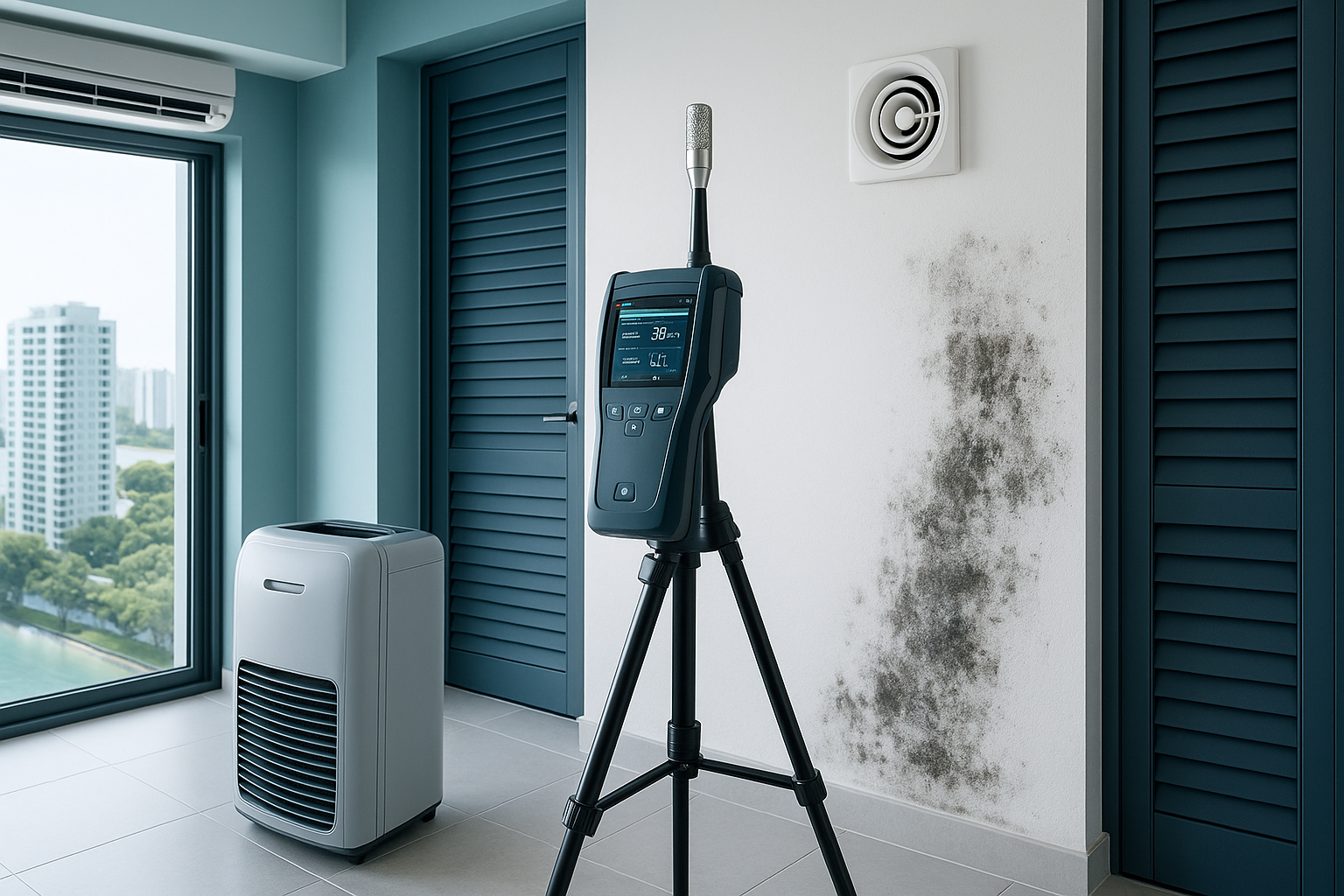
# Facing the Sea: Managing Humidity in Coastal Properties
Living in Singapore offers a unique blend of urban sophistication and natural beauty, with many homes offering stunning views of the sea. However, these coastal properties come with their own set of challenges, particularly when it comes to managing humidity. Excessive humidity can lead to mould growth, which is not only unsightly but can also impact health and property values. As an expert in mould remediation with over 15 years of industry experience, I am here to guide you through the best practices for managing humidity in your coastal home.
Understanding Singapore's Humid Climate
Singapore's Climate Overview
Singapore is renowned for its tropical climate, characterized by high humidity levels and consistent temperatures throughout the year. The average humidity typically ranges between 70% to 90%, with the island receiving heavy rainfall, especially during the monsoon seasons. This climate creates a perfect breeding ground for mould, particularly in properties located close to the sea.
Key Stat: Singapore experiences an average annual rainfall of about 2,340mm, contributing to high humidity levels.
Impact of Coastal Living on Humidity
Coastal properties in areas like Marina Bay, East Coast, and Sentosa Cove are particularly susceptible to increased humidity due to the proximity to the sea. The constant sea breeze brings in moist air, which can infiltrate homes, leading to condensation and, eventually, mould growth.
Identifying Mould-Prone Areas in Your Home
Common Areas Affected by Mould
Signs of Mould Infestation
Musty odours Discoloured walls or ceilings Visible black or green spotsWarning: Prolonged exposure to mould can cause respiratory issues and allergic reactions. It's crucial to address these signs promptly.
Industry Best Practices for Humidity Management
Ventilation Strategies
Dehumidification Techniques
Portable Dehumidifiers: Ideal for smaller spaces; prices range from S$150 to S$500. Whole-House Dehumidifiers: More effective for larger properties; installation costs range from S$2,000 to S$5,000.Pro Tip: Use a hygrometer to monitor indoor humidity levels, aiming to keep them below 60%.
Mould Remediation for Coastal Properties
Professional Mould Remediation Process
Cost of Mould Remediation in Singapore
The cost of mould remediation can vary widely depending on the severity and size of the infestation. On average, homeowners can expect to pay between S$500 to S$5,000 for professional services.
Preventive Measures for Long-Term Protection
Regular Maintenance
Conduct regular inspections for leaks and water damage. Clean and maintain gutters and downspouts to prevent water accumulation.Use of Mould-Resistant Materials
Opt for mould-resistant paint and drywall in high-humidity areas.* Use moisture barriers in basements and crawl spaces.
Best Practice: Schedule regular maintenance checks with professional remediation specialists to keep your home mould-free.
Conclusion: Take Control of Your Coastal Home's Humidity
Managing humidity in coastal properties in Singapore is crucial to maintaining a healthy living environment and protecting your investment. By implementing the strategies outlined above, homeowners can effectively reduce the risk of mould growth and enjoy their sea-facing views without worry.
For homeowners looking to safeguard their properties, consider scheduling a professional inspection. Our trained specialists are ready to assist you with a free evaluation, ensuring your home remains a safe and mould-free haven.
Frequently Asked Questions
How can I prevent mould growth in my HDB flat near the sea?
To prevent mould growth in your HDB flat, ensure proper ventilation by using exhaust fans and opening windows. Regularly clean areas prone to moisture, such as bathrooms and kitchens, and consider using dehumidifiers to control humidity levels. Regular inspections and maintenance can also help detect early signs of mould.
What are the signs of high humidity in my home?
Common signs of high humidity include condensation on windows, musty odours, and damp spots on walls or ceilings. You may also notice an increase in mould growth, particularly in areas with poor ventilation. Using a hygrometer can help you monitor the humidity levels in your home more accurately.
Are there any specific materials that can help prevent mould in coastal properties?
Yes, using mould-resistant materials can significantly reduce the risk of mould growth in coastal properties. Consider using mould-resistant paint, drywall, and moisture barriers, especially in areas with high humidity like bathrooms and basements. These materials can help protect your home against the persistent moisture brought in by the sea breeze.
How often should I schedule professional mould inspections for my condo?
For a condo, especially those located in coastal areas, it's advisable to schedule professional mould inspections at least once a year. However, if you notice any signs of mould or persistent high humidity, it may be beneficial to have more frequent inspections to address issues promptly.
What is the cost of installing a whole-house dehumidifier in Singapore?
The cost of installing a whole-house dehumidifier in Singapore typically ranges from S$2,000 to S$5,000, depending on the size of your property and the specific system chosen. While this may seem like a significant investment, it provides comprehensive humidity control, which is crucial for preventing mould in coastal homes.