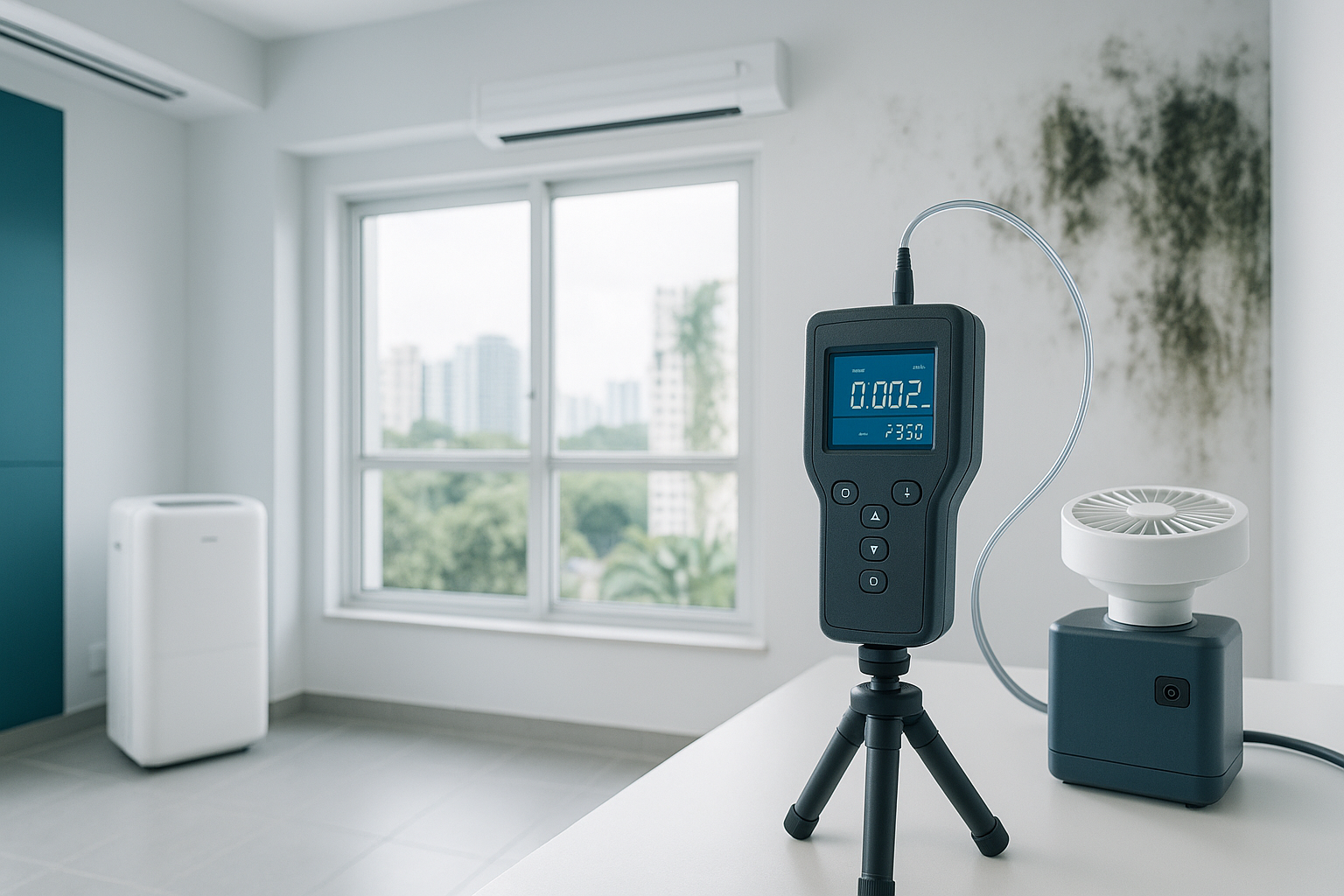
Understanding Black Mould
Black mould, scientifically known as Stachybotrys chartarum, is one of the most concerning mould species found in homes. While many moulds appear dark in colour, true black mould produces mycotoxins that can cause serious health effects.
Health Effects of Exposure
Respiratory Issues
- Chronic coughing and wheezing
- Difficulty breathing
- Sinus congestion
- Asthma exacerbation
Allergic Reactions
- Skin rashes and irritation
- Eye redness and itching
- Sneezing and runny nose
Neurological Symptoms
- Headaches and migraines
- Memory difficulties
- Fatigue and weakness
Vulnerable Groups
Certain individuals face higher risks:
- Infants and children - Developing immune systems
- Elderly - Weaker immune response
- Those with asthma - Increased respiratory sensitivity
- Immunocompromised individuals - Higher infection risk
Protect your family: Our mould removal service uses VOC-free, phthalate-free products that are completely safe for babies, elderly, and pets. You can return home the same day after treatment.
Frequently Asked Questions
How can I tell if I have black mould in my home?
Black mould (Stachybotrys) appears as dark greenish-black patches with a slimy or powdery texture. It often grows in hidden areas with chronic moisture problems. A musty odour is a telltale sign. Professional testing can confirm the species if you're unsure.
What should I do if I find black mould in my HDB flat?
For small areas (less than 1 sqm), you may clean with proper protection. For larger areas or if it returns, seek professional remediation. Always address the moisture source first. If you experience health symptoms, consult a doctor and consider temporary relocation.
Are the health risks of black mould different for children in Singapore?
Children are more vulnerable to mould exposure due to their developing immune and respiratory systems, smaller body size (higher relative exposure), and more time spent indoors. Studies link early mould exposure to increased asthma development and respiratory issues.
Can black mould affect the value of my property?
Yes, significant mould problems can reduce property value by 10-25%. Visible mould, musty odours, and documented mould history can deter buyers. Professional remediation and documentation can help restore value and provide assurance to potential buyers.
How often should I inspect my home for mould?
Conduct a thorough mould inspection at least twice yearly - before and after monsoon season. Check monthly in high-risk areas: bathrooms, kitchens, air-con units, and areas with previous water issues. Immediately inspect after any water leak or flooding.