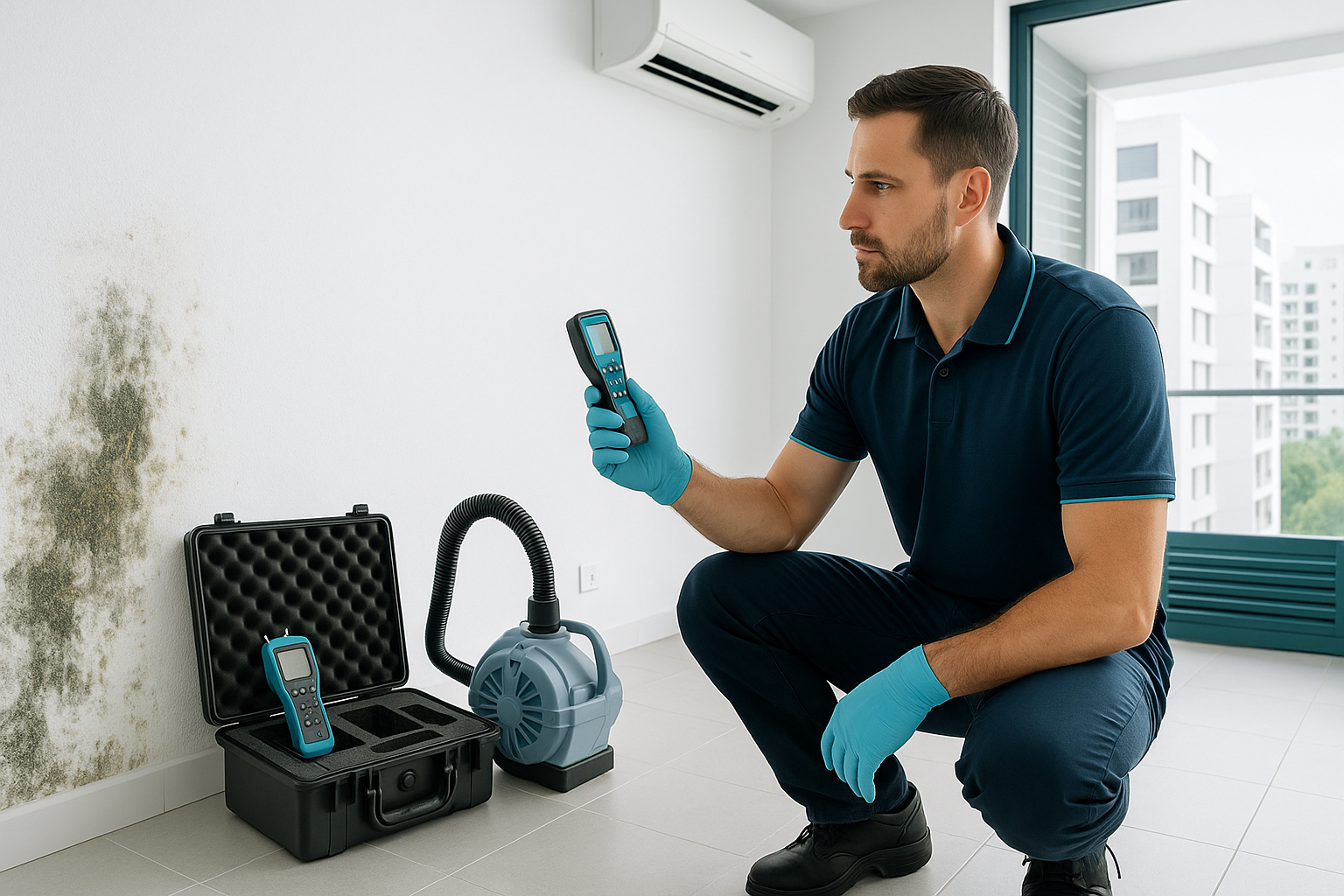
Heritage Shophouse Restoration: Preserving History, Removing Mould
Singapore's architectural landscape is a unique blend of modern skyscrapers and charming heritage shophouses. These historical treasures, often found in areas like Tiong Bahru and Katong, tell stories of the past while offering a distinct charm in the present. However, owning a heritage shophouse comes with its own set of challenges, especially when it comes to preserving these structures against the relentless Singapore climate.
The Challenge of Mould in Singapore’s Humid Climate
Singapore's tropical climate, characterized by high humidity levels averaging around 84% annually, creates an ideal breeding ground for mould. This is particularly problematic in older buildings like heritage shophouses, where ventilation systems may not be as efficient as modern designs.
Key Stat: According to the National Environment Agency (NEA), indoor air quality can be up to five times more polluted than outdoor air, exacerbated by the presence of mould.
Mould not only compromises the aesthetic and structural integrity of these historic buildings but also poses significant health risks to inhabitants. Thus, effective mould removal and prevention are crucial in maintaining the allure and safety of Singapore’s beloved shophouses.
Understanding Heritage Shophouses
Architectural Significance
Heritage shophouses are a hallmark of Singapore's architectural heritage, dating back to the early 1800s. These buildings typically feature a narrow, long form with ornate facades and are protected under conservation laws.
Common Mould Issues in Shophouses
NEA Guidelines for Mould Management
The National Environment Agency provides specific guidelines to manage indoor air quality, crucial in combating mould. These include:
- Regular Inspections: Conduct routine checks for water leaks and dampness.
- Humidity Control: Use dehumidifiers to maintain indoor humidity below 60%.
- Ventilation Improvement: Enhance natural ventilation by opening windows or using exhaust fans.
Best Practice: Use NEA-approved biocides for effective mould removal, ensuring both safety and compliance.
Comprehensive Mould Remediation Process
Step-by-Step Guide
- Conduct a thorough inspection to identify mould sources and affected areas.
- Use moisture meters and hygrometers for accurate detection.
- Seal off affected areas to prevent spores from spreading during removal.
- Use plastic sheeting and negative air machines for containment.
- Manual Cleaning: Scrub surfaces with specialised mould removal agents.
- HEPA Vacuuming: Use HEPA-filtered vacuums to capture airborne spores.
- Deploy industrial fans and dehumidifiers to thoroughly dry the area.
- Monitor moisture levels to ensure they remain low.
- Repair any structural damage caused by mould.
- Apply mould-resistant coatings and sealants.
Pro Tip: Regularly inspect and maintain roof tiles and plumbing systems to preempt water intrusion.
Cost Breakdown for Mould Remediation
The cost of mould remediation can vary widely depending on the extent of the problem and the size of the property. Here's a general cost guide:
- Initial Inspection: S$200 - S$500
- Containment: S$500 - S$1,000
- Removal and Cleaning: S$1,000 - S$3,000
- Repairs and Restoration: S$2,000 - S$5,000
Expert Insight: Investing in regular maintenance can save thousands in potential repair costs due to mould damage.
Preventing Future Mould Growth
Tips for Shophouse Owners
- Improve Ventilation: Install exhaust fans in bathrooms and kitchens.
- Regular Maintenance: Check for leaks and repair promptly.
- Use Mould-Resistant Materials: Opt for mould-resistant paint and drywall during renovations.
Warning: Ignoring mould issues can lead to serious health problems, including respiratory issues and allergic reactions.
Conclusion: Preserve History, Protect Health
Heritage shophouses are more than just buildings; they are cultural icons that deserve meticulous care. By understanding the challenges posed by Singapore’s climate and adhering to NEA guidelines, homeowners can effectively manage mould issues. Whether you're in Tampines, Jurong, or the heart of Marina Bay, preserving your shophouse means preserving a piece of Singapore's rich history.
Schedule a free inspection today to ensure your shophouse remains a safe and beautiful part of Singapore’s architectural heritage.Frequently Asked Questions
How does Singapore's climate affect mould growth in heritage shophouses?
Singapore's high humidity levels, often exceeding 80%, create an ideal environment for mould growth, particularly in older buildings like heritage shophouses. Poor ventilation and ageing materials in these structures further exacerbate the problem by trapping moisture.
What are the NEA guidelines for managing mould in Singapore homes?
The NEA recommends several measures for managing mould, including regular inspections for dampness, maintaining indoor humidity below 60% using dehumidifiers, and improving ventilation. They also advise using approved biocides for safe mould removal.
What is the cost of mould remediation in Singapore?
Mould remediation costs vary based on the extent of the issue and property size. Initial inspections can cost between S$200 to S$500, while full remediation (including containment, removal, and restoration) can range from S$3,500 to S$9,500.
How can I prevent mould in my heritage shophouse?
To prevent mould, improve ventilation by installing exhaust fans, regularly maintain the structure by checking for leaks, and use mould-resistant materials during renovations. Keeping indoor humidity levels low is also crucial.
Why is mould removal important for heritage shophouses?
Mould removal is essential for heritage shophouses as it not only protects the structural integrity and aesthetic value of these historic buildings but also ensures the health and safety of its occupants by preventing respiratory issues and allergies.