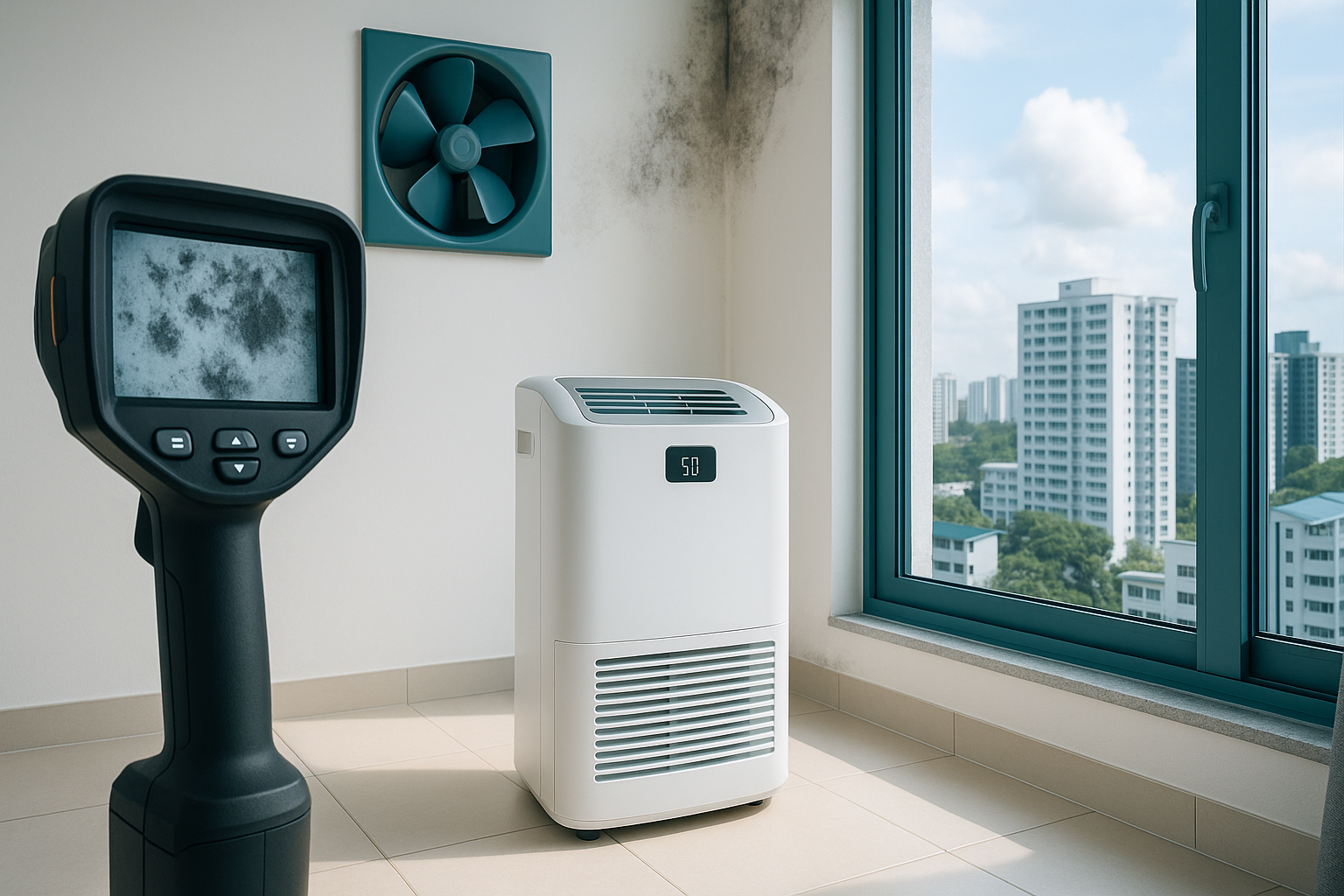
Understanding Humidity Differences: High-Rise vs Low-Rise Living in Singapore
In a bustling city like Singapore, where the skyline is dotted with high-rise buildings and low-rise properties coexist in harmony, understanding the impact of humidity on different living spaces is crucial for homeowners. The tropical climate, characterized by high humidity levels, affects each property type differently, influencing factors such as mould growth, indoor air quality, and overall living comfort.
Humidity and Singapore's Climate
Singapore's equatorial location means it experiences high humidity levels year-round, typically ranging from 70% to 90%. This consistent humidity, combined with temperatures averaging 27°C to 31°C, creates an environment conducive to mould growth. Understanding how this climate interacts with various building types is essential for maintaining healthy living conditions.
High-Rise Living: The Humidity Challenge
High-rise buildings, including condominiums and some HDB flats, offer stunning views and modern amenities. However, they also present unique challenges related to humidity control.
Airflow and Ventilation
High-rise buildings often have limited airflow due to their height and sealed construction, which can trap moisture inside. This lack of natural ventilation can lead to:
- Increased condensation on windows and walls
- Higher risk of mould growth in poorly ventilated areas
- Reduced indoor air quality due to trapped pollutants
Mould Growth in High-Rise Apartments
Mould thrives in humid environments, and high-rise apartments often provide the perfect conditions. Bathrooms and kitchens are common hotspots due to steam and water usage.
Best Practice: Utilize exhaust fans during and after showers or cooking to reduce moisture levels.Professional Mould Remediation
Engaging trained specialists for professional-grade mould removal is essential. With over 15 years of industry experience, we adhere to industry standards to ensure effective remediation without relying on government endorsements.
Low-Rise Living: Advantages and Challenges
Low-rise properties, including landed homes and some older HDB estates, offer more horizontal space and often better natural ventilation. However, they are not immune to humidity-related issues.
Natural Ventilation
Low-rise homes typically have better natural ventilation due to their design, which can help in:
- Reducing indoor humidity levels
- Minimizing condensation on interior surfaces
- Enhancing indoor air quality with fresh air circulation
Mould in Low-Rise Homes
While natural ventilation helps, areas like basements and attics can still harbor mould due to trapped moisture.
Pro Tip: Install dehumidifiers in less ventilated areas to manage moisture levels effectively.Industry Best Practices for Mould Prevention
Implementing professional practices can significantly reduce the risk of mould:
- Regular cleaning: Use mould-resistant cleaning agents in moisture-prone areas.
- Moisture control: Fix leaks promptly and maintain proper drainage.
- Material selection: Opt for mould-resistant materials during renovations.
Cost Considerations for Mould Remediation
Mould remediation costs can vary based on the severity and size of the affected area. Here's a general breakdown:
Conclusion: Taking Action for a Healthier Home
Understanding the humidity differences between high-rise and low-rise living in Singapore is vital for maintaining a healthy home environment. By implementing industry best practices and seeking professional help when needed, homeowners can effectively manage humidity levels and prevent mould growth.
Call to Action: If you suspect mould issues in your home, schedule a free inspection with our trained specialists today. With our extensive experience and commitment to industry standards, we ensure your home remains safe and comfortable.Frequently Asked Questions
What are the main differences in humidity levels between high-rise and low-rise properties?
High-rise properties often experience higher humidity levels due to limited natural ventilation, leading to increased condensation and mould risk. Low-rise properties typically have better airflow, reducing humidity levels, though areas like basements may still be vulnerable.
How can I prevent mould growth in my high-rise apartment?
To prevent mould growth in high-rise apartments, ensure proper ventilation by using exhaust fans in bathrooms and kitchens, regularly opening windows, and considering mechanical ventilation systems. Regular cleaning and moisture control are also crucial.
What are the costs involved in professional mould remediation in Singapore?
Mould remediation costs can range from S$200 for basic inspections to S$5,000 for extensive removal processes. Preventive measures can add an additional S$500 to S$2,000, making it a worthwhile investment to prevent future issues.
Is it necessary to hire professionals for mould removal?
Hiring professionals is advisable for effective mould removal, as they have the expertise and tools to safely and thoroughly eliminate mould. Professional services adhere to industry standards, ensuring long-term solutions and preventing recurrence.
Are there specific mould-resistant materials recommended for renovations?
Yes, using mould-resistant materials such as drywall, paints, and sealants can help prevent mould growth during renovations. These materials are designed to withstand high humidity levels, common in Singapore's climate.