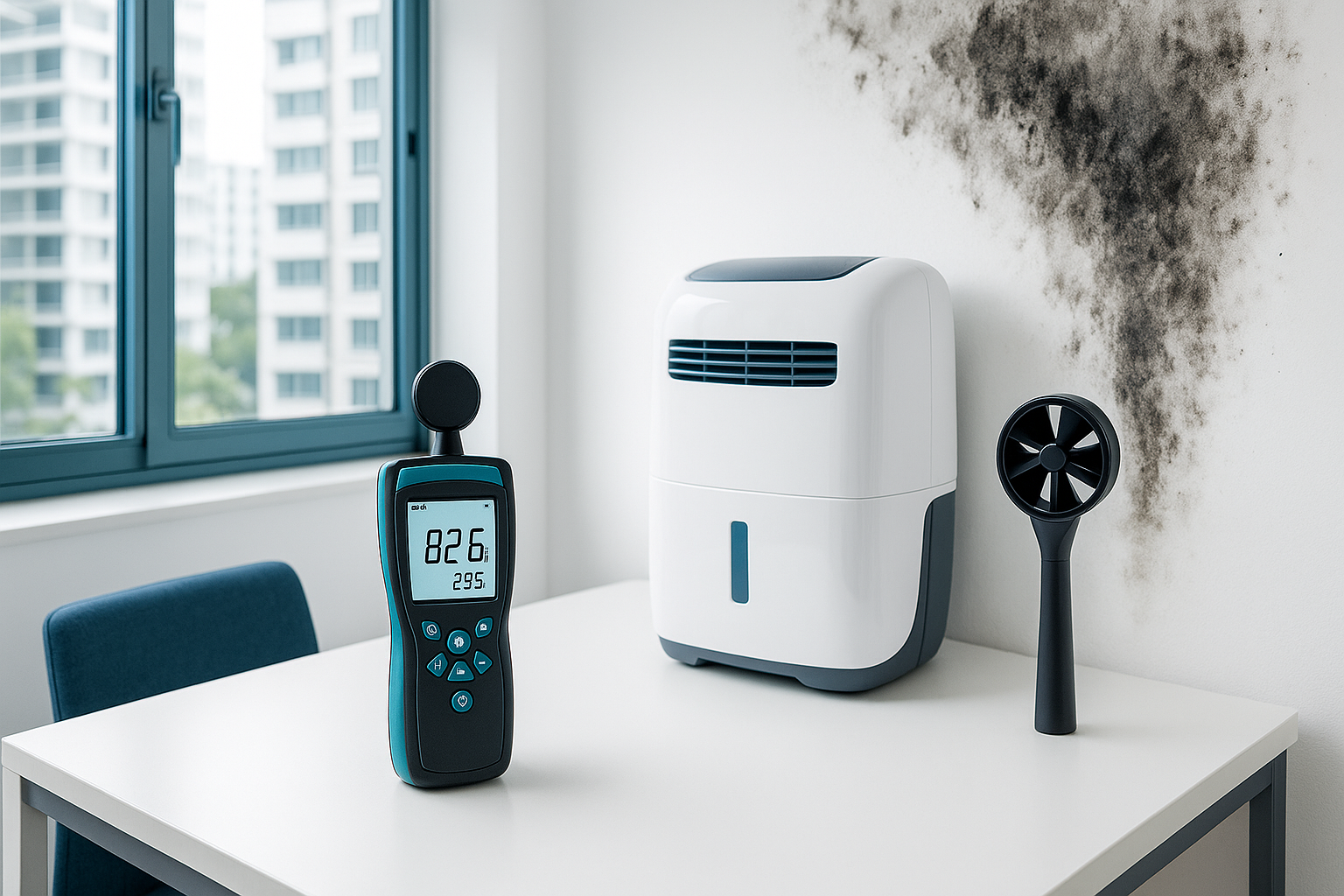
How Rising Temperatures Affect Mould Growth in Singapore
Singapore's climate is marked by its tropical nature—hot, humid, and rainy throughout the year. This unique environment provides fertile ground for mould growth, which can pose significant health risks and damage to properties if not managed properly. As temperatures rise, understanding how these changes affect mould proliferation becomes critical for homeowners across the island, from HDB flats in Tampines to luxury condos in Marina Bay and landed properties in Bukit Timah.
The Climate and Mould Connection
Understanding Singapore's Climate
Singapore experiences an equatorial climate with no distinct seasons, characterized by consistent rainfall, high humidity, and temperatures typically ranging from 25°C to 31°C. According to data from the Meteorological Service Singapore, the mean annual temperature has been rising steadily, with recent years recording some of the highest temperatures on record.
Key Stat: The Meteorological Service Singapore reported that 2020 was the eighth warmest year on record, with a mean annual temperature of 28.0°C.
Such conditions create an ideal environment for mould growth. Mould spores thrive in warm, moist environments, making Singapore’s climate particularly conducive to their proliferation.
How Temperature Influences Mould Growth
Rising Temperatures and Increased Humidity: As temperatures rise, so does the capacity of the air to hold moisture, leading to higher humidity levels. This elevated humidity creates an optimal breeding ground for mould spores, which require moisture to grow and spread. Impact on Indoor Environments: Higher outdoor temperatures can lead to increased indoor temperatures, especially in poorly ventilated spaces. Without adequate ventilation or air conditioning, these conditions can exacerbate mould growth in homes.Common Mould-Prone Areas in Singapore Homes
HDB Flats
HDB flats, which make up a significant portion of Singapore's housing, can be particularly vulnerable to mould growth due to their compact design and limited ventilation options. Bathrooms and kitchens are common hotspots due to frequent water usage.
Bathroom Ceilings and Tiles: The combination of steam from showers and limited ventilation can lead to condensation, creating a perfect environment for mould. Kitchen Cabinets: Steam and moisture from cooking can get trapped in cabinets, promoting mould growth.Condominiums
While many modern condominiums are equipped with central air conditioning and dehumidifiers, mould can still be an issue, particularly in areas with less airflow.
Air Conditioning Vents: Poorly maintained air conditioning systems can harbor mould, which can be spread throughout the home when the system is in use. Balconies and Windowsills: Rainwater accumulation and condensation can lead to mould growth in these areas.Landed Properties
Landed properties, with their larger spaces and often lush gardens, face unique mould challenges.
Basements: Poor drainage and dampness can make basements a prime location for mould. Garden Sheds and Outdoor Fixtures: The constant exposure to the elements can lead to mould growth on outdoor structures.Industry Best Practices for Mould Prevention
Professional-Grade Strategies
Pro Tip: Consider using mould-resistant paint and materials in high-risk areas to reduce the likelihood of mould growth.
Effective Mould Remediation Techniques
Step-by-Step Remediation Process
Cost Considerations
The cost of mould remediation in Singapore can vary depending on the severity of the infestation and the size of the affected area. On average, homeowners can expect to spend between S$500 to S$5,000, with larger or more severe cases requiring more extensive work.
Best Practice: Always opt for experienced professionals who adhere to industry standards to ensure effective and safe mould remediation.
Conclusion
Rising temperatures in Singapore pose a significant challenge for homeowners in managing mould growth. By understanding the impact of climate on mould proliferation and employing effective prevention and remediation strategies, Singaporeans can protect their homes and health from the adverse effects of mould.
If you're concerned about mould in your home, schedule a free inspection with our trained specialists today. Our team is equipped with the knowledge and tools to provide professional-grade solutions tailored to your needs.
Frequently Asked Questions
How does Singapore's climate contribute to mould growth?
Singapore's tropical climate, characterized by high humidity and consistent rainfall, creates an ideal environment for mould. Mould spores thrive in warm, moist conditions, which are prevalent in Singapore throughout the year.
What are common areas for mould growth in Singapore homes?
Common areas include bathrooms and kitchens in HDB flats due to moisture from showers and cooking, air conditioning vents in condos, and basements or outdoor structures in landed properties where moisture can easily accumulate.
How can I prevent mould growth in my HDB flat?
To prevent mould, ensure proper ventilation by installing exhaust fans, use dehumidifiers to manage indoor humidity levels, and promptly repair any leaks. Regular inspections can also help identify early signs of mould.
What is the typical cost of mould remediation in Singapore?
Mould remediation costs vary based on the severity of the infestation and the affected area size. Homeowners can expect to spend between S$500 to S$5,000, with larger or more complex cases incurring higher costs.
Why should I hire professionals for mould removal?
Professionals are trained to safely and effectively remove mould using industry-standard methods. They can properly assess the situation, contain the area, and use professional-grade equipment to ensure thorough remediation, minimizing health risks and preventing future growth.