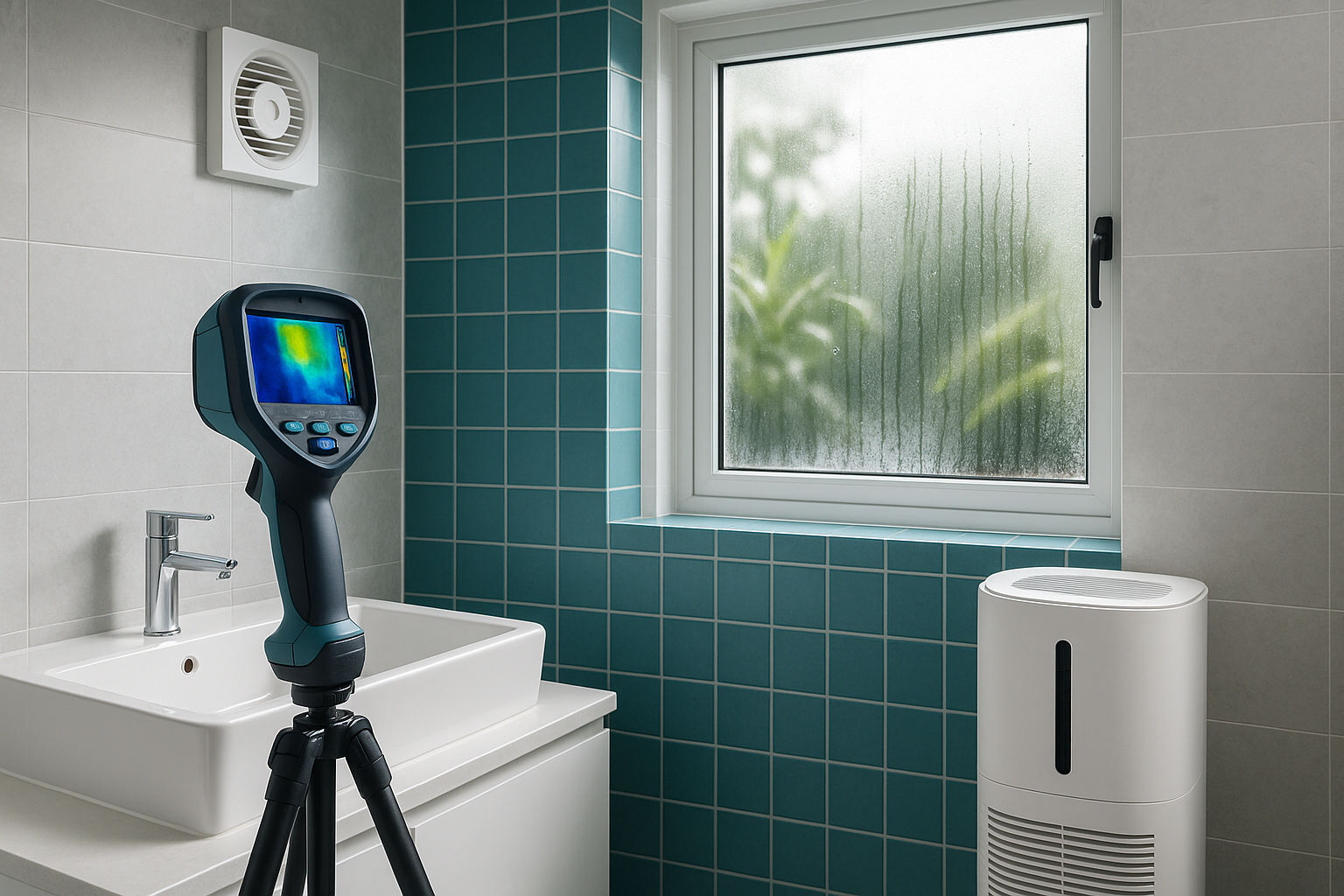
Daily Habits That Prevent Mould
- Squeegee after every shower - 30 seconds that save hours of cleaning
- Run exhaust fan 20-30 minutes post-shower
- Hang towels to dry outside bathroom
- Wipe down faucets and handles
- Leave door open for ventilation
Weekly Maintenance
- Spray walls and floor with diluted vinegar solution
- Clean shower glass with anti-mould cleaner
- Check grout lines for early mould signs
- Wash bathroom rugs and hang to dry
- Empty and clean toothbrush holders and soap dishes
Problem Areas to Watch
- Silicone seals - Check for cracks or discoloration
- Behind toilet - Often neglected and humid
- Under sink - Pipe condensation and leaks
- Shower corners - Water collects here
- Exhaust fan - Clean monthly for effectiveness
If bathroom mould persists despite these efforts, consider our professional bathroom mould removal and anti-mould painting service. We use premium paints like Zinsser Perma-White with up to 8-month warranty.
Frequently Asked Questions
How long should I run the exhaust fan after showering?
Run your exhaust fan for at least 20-30 minutes after showering to remove moisture. In Singapore's humidity, longer is better. Consider installing a timer switch or humidity-sensing fan that runs automatically until moisture levels drop.
Is it better to squeegee or leave the shower to air dry?
Squeegeeing is better in Singapore's humidity. Air drying can take hours during which mould can establish. A quick squeegee of walls, doors, and glass after each shower takes 30 seconds and dramatically reduces mould risk. Keep a squeegee in every shower.
What's the best bathroom cleaning schedule for mould prevention?
Daily: Squeegee surfaces and wipe down faucets. Weekly: Clean shower walls, floor, and glass with anti-mould solution. Bi-weekly: Deep clean grout and silicone seals. Monthly: Inspect for early mould signs and reseal any cracked caulking.
Should I keep the bathroom door open or closed?
After showering, leave the door open to allow moisture to dissipate (unless you have a powerful exhaust fan). During non-use, keeping it slightly open prevents musty buildup. If you have young children or pets, a door with ventilation slats offers a compromise.