# How to Prevent Mould Behind Furniture in HDB Flats: A Comprehensive Guide for Singapore Homeowners
Singapore's tropical climate, characterized by high humidity and frequent rainfall, creates the perfect breeding ground for mould. For homeowners in HDB flats, condos, and landed properties, this presents a unique challenge, especially when it comes to preventing mould behind furniture. This comprehensive guide, crafted with over 15 years of industry experience, will provide you with actionable insights and professional strategies to keep your home mould-free.
Understanding Mould and Its Impact
What is Mould?
Mould is a type of fungus that thrives in moist environments. It spreads through spores and can grow on almost any surface, including walls, ceilings, and even behind furniture. In Singapore, the high humidity levels, often exceeding 80%, make homes particularly susceptible to mould growth.
Why is Mould Behind Furniture a Problem?
- Health Concerns: Mould can cause respiratory issues, allergies, and other health problems, particularly for children and the elderly.
- Structural Damage: Over time, mould can weaken the structural integrity of your home, leading to costly repairs.
- Aesthetic Issues: Visible mould can be unsightly and diminish the aesthetic appeal of your living space.
Warning: Ignoring mould can lead to significant health and structural issues over time. Prompt action is crucial.
Identifying Mould-Prone Areas in HDB Flats
Common Areas for Mould Growth
Signs of Mould Growth
- Musty odour
- Discoloration or stains on walls and furniture
- Peeling paint or wallpaper
Pro Tip: Regularly inspect these areas for signs of mould, especially during the rainy season.
Industry-Standard Practices for Mould Prevention
Ensuring Proper Ventilation
- Use Exhaust Fans: Install exhaust fans in bathrooms and kitchens to reduce humidity.
- Open Windows: Regularly open windows to allow fresh air circulation.
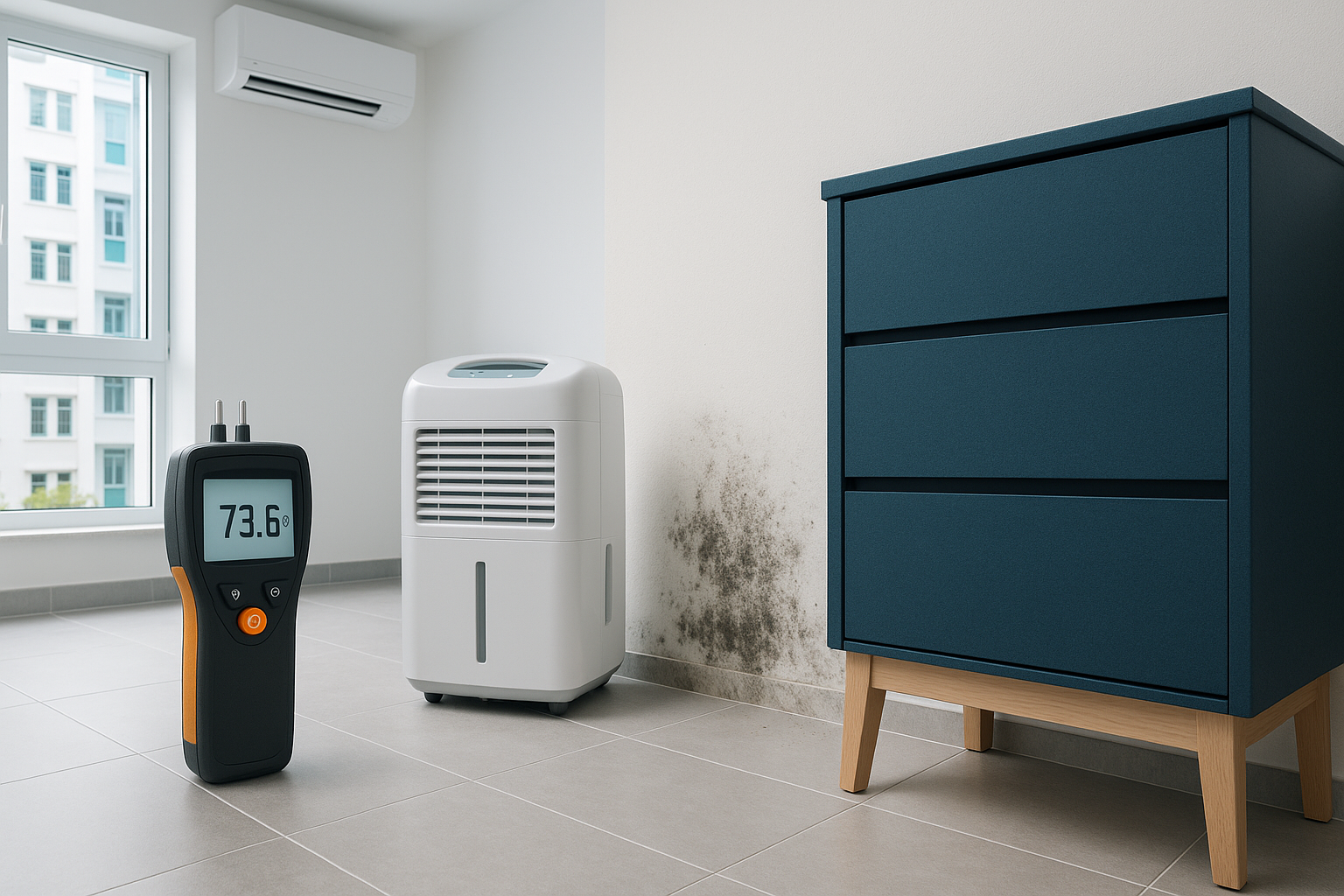
- Furniture Placement: Position furniture at least a few inches away from walls to enhance airflow.
Controlling Humidity Levels
Expert Insight: A dehumidifier can cost between S$200 to S$800, but it is a worthwhile investment for mould prevention.
Managing Moisture
- Fix Leaks Promptly: Address any plumbing leaks or water seepage issues immediately.
- Use Waterproof Paint: Apply waterproof paint on walls to prevent moisture absorption.
- Dry Wet Areas: After cleaning or spills, ensure surfaces are thoroughly dried.
Regular Cleaning and Maintenance
- Dust and Vacuum: Regularly dust and vacuum to reduce mould spores.
- Professional Cleaning: Consider professional cleaning services for thorough maintenance, especially in hard-to-reach areas.
Best Practice: Schedule a professional mould inspection annually to identify potential issues early.
Real-Life Examples and Local Practices
Case Study: Mould Prevention in Tampines HDB Flats
In Tampines, where humidity levels are consistently high, homeowners have successfully reduced mould growth by implementing a combination of dehumidifiers and regular ventilation. By keeping furniture away from walls and ensuring proper airflow, residents have maintained a healthier living environment.
Innovative Solutions from Jurong and Bishan
Homeowners in Jurong and Bishan have adopted the use of smart home technologies to monitor humidity levels. Smart sensors alert residents when humidity exceeds safe levels, prompting immediate action to prevent mould.
Cost Breakdown for Mould Prevention in Singapore
Initial Investment Costs
- Dehumidifiers: S$200 - S$800
- Exhaust Fans: S$150 - S$400
- Waterproof Paint: S$100 - S$300 per room
Long-term Savings
By investing in mould prevention strategies, homeowners can save on:
- Health Costs: Reduced medical bills from mould-related illnesses
- Repair Costs: Avoidance of costly structural repairs due to prolonged mould exposure
Key Stat: Investing in mould prevention can save homeowners up to 50% in potential repair and healthcare costs.
Conclusion
Preventing mould behind furniture in HDB flats requires a proactive approach that incorporates proper ventilation, humidity control, moisture management, and regular maintenance. By following industry-standard practices and leveraging local insights, Singapore homeowners can protect their homes and health from the adverse effects of mould.
For a more tailored solution, schedule a free inspection with our team of trained specialists. Our professional-grade services ensure that your home remains a safe and healthy environment.
Frequently Asked Questions
How can I tell if there's mould behind my furniture?
Look for signs such as a musty odour, discoloration, or peeling paint on walls around furniture. Regularly inspecting these areas can help identify mould early.
What are the best ways to reduce humidity in my HDB flat?
Use dehumidifiers and air conditioners with dehumidifying features, and ensure proper ventilation by using exhaust fans and opening windows regularly.
Is it worth investing in a professional-grade dehumidifier?
Yes, a professional-grade dehumidifier can effectively control indoor humidity levels, reducing the risk of mould growth, which can save on repair and health costs in the long run.
Can mould cause health problems?
Yes, exposure to mould can lead to respiratory issues, allergies, and other health problems, particularly affecting children and the elderly.
How often should I schedule a professional mould inspection?
It is advisable to schedule a professional mould inspection annually to detect any potential issues early and maintain a healthy living environment.